

Vultures do not sing. They produce hisses, grunts, and low growls.
Vultures, often misunderstood creatures, play a crucial role in the ecosystem. They act as nature’s cleanup crew, feeding on carcasses and preventing the spread of disease. Unlike many birds, vultures lack a syrinx, the vocal organ responsible for producing songs.
Instead, they communicate through hisses, grunts, and low growls, especially when threatened or around food. These sounds might seem eerie, but they are essential for their survival. Vultures are found worldwide and come in various species, each with unique behaviors and habitats. Their impressive soaring abilities and keen eyesight make them fascinating subjects for bird enthusiasts. Understanding their sounds and behaviors enriches our appreciation of these vital scavengers.

Credit: m.youtube.com
Introduction To Vulture Sounds
Vultures are fascinating birds that play a crucial role in ecosystems. Their sounds are unique and can tell us a lot about their behavior. Understanding these sounds helps us know more about these amazing birds.
Importance Of Bird Calls
Bird calls are vital for many reasons. They help birds communicate with each other. They also alert birds to danger. Bird calls can identify different species. Listening to bird calls is a great way to learn about nature.
Brief On Vulture Species
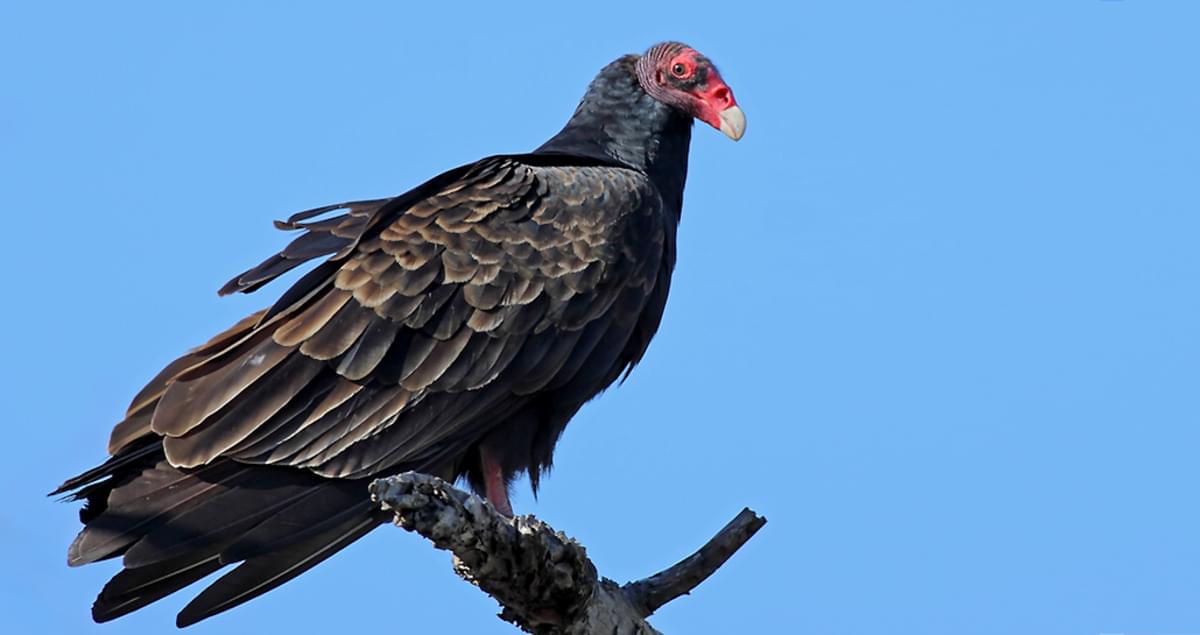
There are many species of vultures. Some common ones include the Turkey Vulture and the Griffon Vulture. Each species has its own unique sound. Below is a table of some vulture species and their sounds:
| Species | Sound Description |
|---|---|
| Turkey Vulture | Hissing and grunting sounds |
| Griffon Vulture | Low growls and hisses |
| Black Vulture | Harsh, raspy calls |
Vultures may not sing like other birds, but their sounds are still important. Their calls help them find food and communicate with others. Next time you hear a vulture, listen closely to its unique sounds.
Vocalization Types
Vultures are fascinating birds known for their unique vocalizations. Unlike many birds, vultures do not have a syrinx, the vocal organ of birds. This affects the types of sounds they make. Let’s explore the different vocalization types of vultures.
Hissing Sounds
Vultures often make hissing sounds when they feel threatened. This sound is a warning to others to stay away. The hiss is usually low and can be quite eerie. It helps vultures protect their territory and food.
Grunting Noises
Another common sound made by vultures is grunting noises. These noises are usually heard during interactions with other vultures. Grunts can be soft or loud depending on the situation. They use grunts to communicate with their flock and establish dominance.
| Vocalization Type | Purpose | Characteristics |
|---|---|---|
| Hissing Sounds | Warning | Low, eerie, defensive |
| Grunting Noises | Communication | Soft or loud, social interaction |
Communication Purposes
Vultures use various sounds to communicate with each other. These sounds serve different purposes, including mating, territorial signals, and warning calls. Understanding these sounds can reveal a lot about vulture behavior.
Mating Calls
During the mating season, vultures make special calls to attract partners. These calls can include low grunts, hisses, and soft coos. The sounds are usually softer and more melodic than other vulture sounds. Mating calls help vultures find a suitable mate and start a family.
Territorial Signals
Vultures also use sounds to mark their territory. These sounds are usually loud and harsh. They can include hissing, screeching, and even growling. Territorial signals warn other vultures to stay away. These sounds help vultures protect their nesting areas and food sources.
| Sound Type | Description | Purpose |
|---|---|---|
| Mating Calls | Low grunts, hisses, soft coos | Attracting a mate |
| Territorial Signals | Loud hissing, screeching, growling | Marking territory |
Vultures rely on these sounds for survival. Each sound has a unique meaning and helps them navigate their environment. By understanding these sounds, we can learn more about these fascinating birds.

Credit: www.youtube.com
Environmental Influences
The sounds that vultures make can vary greatly. These variations are often influenced by their environment. Factors such as habitat and climate play a significant role. Understanding these influences can help us better appreciate these unique birds.
Habitat Impact
Vultures live in diverse habitats. Each habitat affects their vocalizations differently. In dense forests, vulture sounds may be muffled by thick foliage. This can make their calls seem quieter.
Open plains offer less sound obstruction. Here, vulture calls can travel longer distances. This allows them to communicate more effectively.
Urban environments also impact vulture sounds. Noise pollution can drown out their natural calls. Vultures may adapt by altering their vocal patterns.
Consider the following table for a quick overview:
| Habitat | Sound Impact |
|---|---|
| Dense Forest | Muffled sounds |
| Open Plains | Long-distance calls |
| Urban Areas | Altered vocal patterns |
Climate Effects
Climate significantly affects vulture vocalizations. In hot climates, vultures may call less frequently. This helps them conserve energy and stay cool.
Cold climates can result in different sound patterns. Vultures might use deeper calls to maintain communication. The cold air carries these sounds better over long distances.
Rainy seasons also influence their sounds. Rain can drown out their calls. Vultures may adapt by finding sheltered spots to call from.
Here are some key points:
- Hot climates: less frequent calls
- Cold climates: deeper calls
- Rainy seasons: sheltered calling spots
Comparison With Other Birds
Vultures are unique in their sound profiles. Comparing them with other birds highlights these differences. This comparison illuminates how vultures communicate and interact with their environment.
Raptors
Raptors, or birds of prey, have distinct calls. Eagles produce loud, high-pitched screeches. Hawks emit sharp, piercing cries. These sounds are used to communicate with each other and to claim territory.
| Bird | Sound |
|---|---|
| Eagle | High-pitched screech |
| Hawk | Piercing cry |
| Falcon | Rapid, chattering call |
Scavenger Birds
Scavenger birds like crows and ravens have varied vocalizations. Crows produce cawing sounds that are loud and harsh. Ravens create deeper, croaking noises. These sounds help them stay in touch with their flock and find food.
Vultures, in contrast, are generally quieter. They make hissing and grunting noises. They lack the vocal cords to produce more complex sounds.
- Crows: Loud, harsh caws
- Ravens: Deep, croaking noises
- Vultures: Hissing and grunting
This unique sound profile sets vultures apart from other birds.
Recording And Analyzing Vulture Sounds
Understanding the sounds made by vultures is fascinating. These sounds provide insights into their behavior and communication. Recording and analyzing these sounds helps researchers understand vulture interactions better.
Techniques Used
Researchers use various techniques to record vulture sounds. They often use field recording. This technique involves capturing sounds in the bird’s natural habitat. Field recording helps in getting authentic sound samples.
- Field recording
- Playback experiments
- Behavioral observation
Playback experiments involve playing recorded sounds to vultures. Researchers observe their reactions to these sounds. Behavioral observation helps in understanding the context of each sound.
Tools And Equipment
Recording vulture sounds requires specific tools and equipment. High-quality microphones are essential. These microphones capture clear and detailed sounds. Field recorders store these sounds for further analysis.
| Tool | Description |
|---|---|
| Microphones | Capture clear and detailed sounds |
| Field Recorders | Store recorded sounds |
| Parabolic Dishes | Amplify distant sounds |
| Sound Analysis Software | Analyze and visualize recorded sounds |
Parabolic dishes are also useful. They help amplify distant sounds. Sound analysis software is crucial for detailed analysis. This software helps visualize and categorize different vulture sounds.
Conservation Implications
Understanding the sounds that vultures make has significant conservation implications. These sounds help in monitoring populations and protecting habitats. Let’s explore these aspects in detail.
Monitoring Populations
Vulture populations are crucial for our ecosystem. They help clean up dead animals. By listening to their sounds, scientists can count vultures without disturbing them. This helps track their numbers and health. Monitoring is essential for conservation efforts.
| Method | Description |
|---|---|
| Audio Recording | Recordings capture vulture sounds in their natural habitat. |
| Sound Analysis | Scientists analyze recordings to identify vulture species. |
| Population Estimates | Sound data helps estimate vulture populations accurately. |
Protecting Habitats
Vultures need specific habitats to thrive. They often live in areas with plenty of food. Protecting these habitats is essential. Vulture sounds can indicate habitat quality and safety. By listening to these sounds, conservationists can identify areas needing protection.
- Habitat Quality: Vulture calls can indicate the health of their habitat.
- Food Availability: Frequent calls may signal abundant food sources.
- Threats: Unusual sounds can indicate disturbances or threats.
Conservationists use this information to create protected areas. This ensures vultures have safe places to live and find food.
Credit: www.allaboutbirds.org
Frequently Asked Questions
How Does A Vulture Cry?
Vultures do not cry like humans. They produce hissing, grunting, and barking sounds to communicate.
Do Turkey Vultures Squawk?
No, turkey vultures do not squawk. They mainly hiss, grunt, and make low growling sounds.
What Sound Does A Bearded Vulture Make?
Bearded vultures make high-pitched whistles and growls. Their sounds are often described as eerie and haunting.
Can Vultures Vocalize?
Vultures can vocalize, but their sounds are limited. They mainly hiss, grunt, and make low growling noises.
Conclusion
Understanding the sounds vultures make enhances our appreciation of these unique birds. Their hisses and grunts are intriguing. Knowing their vocalizations can help in bird watching and conservation. Vultures play a crucial role in the ecosystem. Keep exploring and learning about these fascinating creatures.
Your knowledge contributes to their protection.