

Yes, birds can eat apples. They enjoy the fruit and benefit from its nutrients.
Birds enjoy a variety of fruits, and apples are no exception. Apples provide essential vitamins and minerals that contribute to their health. It’s important to remove the seeds, as they contain cyanide, which is toxic to birds. Offering small, manageable pieces ensures easy consumption and digestion.
Apples can be a delightful treat for backyard birds, encouraging them to visit more frequently. Ensure the apples are fresh and free of pesticides to avoid any harm. Birds will appreciate the juicy, nutritious snack, making your garden a more inviting place for them.
:strip_icc()/safe-fruits-for-birds-390622_Final-5bbd0d6ec9e77c0051dd8f07.png)
Credit: www.thesprucepets.com
Birds And Apples
Birds love to eat fruits, including apples. Apples are safe for most birds. They provide essential nutrients and energy. But, there are some myths and facts to know.
Common Myths
There are many myths about birds eating apples. One common myth is that apples are harmful to birds. This is false. Apples are safe if prepared correctly. Another myth is that all birds love apples. Not every bird likes apples. Some birds prefer other fruits.
Bird Species
Different bird species have different preferences. Here is a table showing birds that like apples:
| Bird Species | Apple Preference |
|---|---|
| Parrots | High |
| Robins | Medium |
| Sparrows | Low |
Parrots and robins enjoy apples more than sparrows. Always remove apple seeds before feeding. Seeds contain toxins that can harm birds.
Here are some tips for feeding apples to birds:
- Wash the apple thoroughly.
- Remove seeds and core.
- Cut the apple into small pieces.
- Offer the apple in a clean bird feeder.
Feeding apples can be fun for birds and bird watchers. Birds get nutrition, and you enjoy watching them. Always ensure the apple is fresh and clean. Happy bird watching!
Nutritional Value
Birds can enjoy apples as a treat. Apples offer many health benefits. They are rich in essential nutrients. This makes them a good choice for birds. Let’s explore the nutritional value of apples.
Vitamins And Minerals
Apples are packed with vitamins and minerals. These nutrients support a bird’s health.
- Vitamin A: Supports vision and immune function.
- Vitamin C: Boosts the immune system.
- Calcium: Essential for strong bones.
- Potassium: Helps maintain fluid balance.
These vitamins and minerals are crucial for a bird’s well-being. They help in growth and overall health.
Fiber Content
Apples are a good source of dietary fiber. Fiber aids in digestion.
Here is a table showing the fiber content in apples:
| Type of Apple | Fiber (grams per 100g) |
|---|---|
| Red Apple | 2.4g |
| Green Apple | 2.6g |
Fiber helps in maintaining a healthy gut. It prevents constipation and promotes regular bowel movements.
Feeding birds with fiber-rich foods like apples can support their digestive health. It ensures they stay active and healthy.
Health Benefits
Birds can eat apples, and these fruits offer numerous health benefits. Apples are rich in vitamins and nutrients essential for birds’ well-being. Let’s explore the specific health advantages of apples for our feathered friends.
Improved Digestion
Apples are high in dietary fiber, which helps birds with digestion. Fiber ensures that birds’ digestive systems work smoothly. It prevents issues like constipation and promotes regular bowel movements. Apples contain pectin, a type of soluble fiber. Pectin supports gut health and aids in nutrient absorption.
Enhanced Immunity
Apples are packed with vitamins, especially vitamin C. Vitamin C boosts a bird’s immune system. It helps birds fight off infections and diseases. Apples also contain antioxidants that protect bird cells from damage. These nutrients contribute to overall health and longevity.
Here’s a quick look at the key nutrients in apples and their benefits:
| Nutrient | Benefit |
|---|---|
| Vitamin C | Boosts immunity |
| Dietary Fiber | Improves digestion |
| Antioxidants | Protects cells |
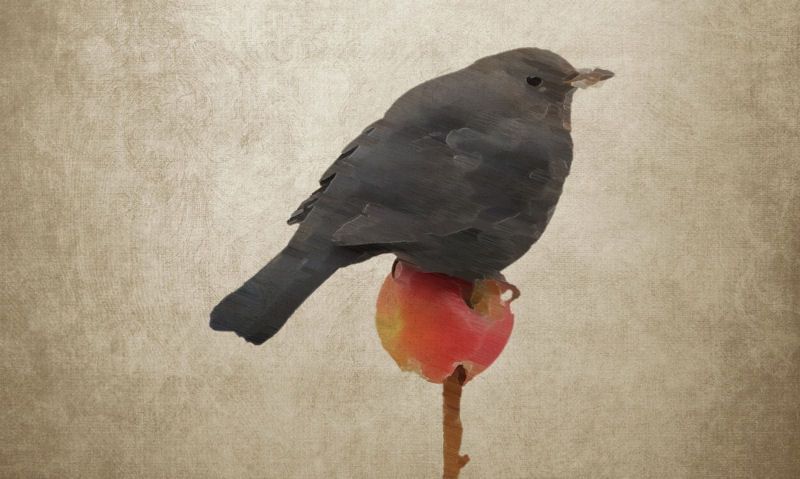
- Apples are safe for most birds.
- Remove seeds before feeding apples to birds.
- Offer apples in small, manageable pieces.
Credit: www.birdbarn.co.uk
Potential Risks
Birds can enjoy apples, but there are potential risks involved. It’s important to be aware of these risks to keep your feathered friends safe. Below, we explore the toxic parts of apples and the dangers of pesticides.
Toxic Parts
Not all parts of the apple are safe for birds. The apple seeds contain amygdalin, which can release cyanide when digested. Cyanide is toxic and can cause serious health issues in birds. To keep your birds safe, always remove the seeds before offering apples.
| Apple Part | Safe for Birds? |
|---|---|
| Apple Flesh | Yes |
| Apple Skin | Yes |
| Apple Seeds | No |
Pesticides
Apples can contain harmful pesticides. These chemicals can be toxic to birds. To reduce the risk, opt for organic apples. If that’s not possible, wash the apples thoroughly before serving. You can also peel the apple skin to remove pesticide residues.
- Choose organic apples.
- Wash apples thoroughly.
- Peel the skin if needed.
By being mindful of these potential risks, you can safely include apples in your bird’s diet.
Safe Preparation
Birds can enjoy apples safely, but preparation is key. Proper preparation ensures the apples are safe and healthy for birds. Follow these steps for safe apple preparation.
Washing Apples
Always wash apples thoroughly before serving them to birds. Pesticides and dirt can harm birds. Use cold water and gently scrub the apple’s surface. This removes any harmful residues. Avoid using soap or chemicals as they can be toxic.
Removing Seeds
Apple seeds contain cyanide, which is dangerous for birds. Always remove the seeds before giving apples to birds. Cut the apple into slices and pick out all seeds. Ensure no seeds are left as even a small amount can be harmful.
Here’s a simple step-by-step guide:
- Wash the apple thoroughly.
- Cut the apple into slices.
- Remove all seeds from each slice.
| Step | Description |
|---|---|
| 1 | Wash the apple with cold water. |
| 2 | Cut the apple into thin slices. |
| 3 | Remove all seeds from each slice. |
By following these steps, you can ensure the apples are safe. Your birds will enjoy a healthy and delicious treat.
Feeding Tips
Apples are a delightful treat for many birds. But it’s important to feed them right. This section will guide you on how to offer apples safely and effectively to your feathered friends.
Portion Sizes
Birds have small stomachs, so portion sizes should be small. A few small pieces are enough for most birds. Chop the apple into tiny chunks. Avoid giving them large slices. Large pieces can be hard for them to eat. Smaller pieces also prevent waste.
| Bird Type | Suggested Portion Size |
|---|---|
| Small Birds (e.g., Finches) | 1-2 small pieces |
| Medium Birds (e.g., Parrots) | 3-4 small pieces |
| Large Birds (e.g., Crows) | 5-6 small pieces |
Frequency
Feeding apples too often can be unhealthy. Limit apple treats to once or twice a week. Birds need a varied diet. Apples should not replace their regular food.
- Once a week for small birds
- Twice a week for medium birds
- Twice a week for large birds
Always remove uneaten apple pieces after feeding. This keeps the bird’s environment clean. Leftover fruits can attract pests.
Alternatives To Apples
While apples are a delightful treat for birds, they can enjoy other foods too. Birds need a variety of foods to stay healthy. Let’s explore some alternatives to apples that you can offer to your feathered friends.
Other Fruits
Birds enjoy many types of fruits. These fruits provide essential nutrients and variety. Here are some bird-friendly options:
- Bananas: Rich in potassium and easy to eat.
- Blueberries: Packed with antioxidants and vitamins.
- Oranges: High in vitamin C and refreshing.
- Grapes: Sweet and hydrating.
Vegetables
Vegetables are great for birds. They offer vitamins and fiber. Here are some vegetables that birds love:
- Carrots: Provide beta-carotene and crunch.
- Spinach: High in iron and easy to digest.
- Broccoli: Packed with vitamins and minerals.
- Peas: Offer protein and are fun to eat.
Offering a mix of fruits and vegetables keeps birds happy and healthy. Always ensure the produce is fresh and clean. Avoid any foods that may be harmful to birds.
Observing Bird Health
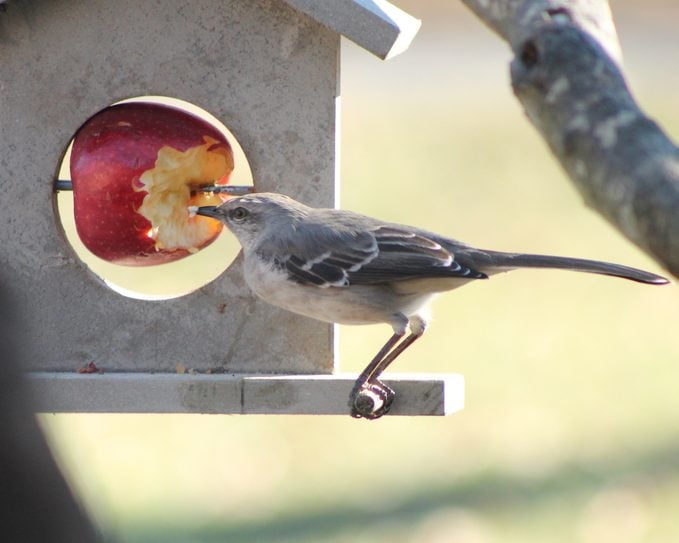
Feeding birds apples can be a delightful experience. But it is crucial to keep an eye on their health. Regular observation helps ensure they are benefiting from the apples and not facing any health issues.
Signs Of Illness
Birds can exhibit various signs if they are unwell. Look for the following symptoms:
- Lethargy: Birds may seem unusually tired or inactive.
- Changes in Appetite: A sudden drop in food intake can be alarming.
- Feather Condition: Watch for ruffled or dull feathers.
- Droppings: Unusual color or consistency can indicate problems.
- Respiratory Issues: Labored breathing or frequent sneezing are warning signs.
When To Consult A Vet
It is essential to know when to seek professional help. Here are some scenarios:
- Persistent Symptoms: If signs of illness last more than a day.
- Severe Symptoms: Rapid weight loss or severe breathing issues.
- Behavioral Changes: Sudden aggression or extreme withdrawal.
Always prioritize your bird’s health and consult a vet when in doubt.
Credit: www.birdsandblooms.com
Frequently Asked Questions
What Is The Best Way To Feed Apples To Birds?
Cut apples into small, manageable pieces. Remove seeds, as they can be toxic. Offer on a bird feeder or ground.
How To Cut Up Apples For Birds?
Cut the apple into small, bird-sized pieces. Remove seeds and core to prevent choking hazards. Offer fresh pieces daily.
Can I Put Apples In My Bird Feeder?
Yes, you can put apples in your bird feeder. Slice them into small pieces for easier consumption by birds.
Are Birds Allergic To Apples?
Most birds are not allergic to apples. Remove seeds before feeding, as they contain cyanide. Always offer in moderation.
Conclusion
Birds can enjoy apples as a tasty and nutritious treat. Ensure you remove seeds and core for safety. Offering apples in moderation will keep your feathered friends happy and healthy. Remember to consult with a vet for any specific dietary concerns.
Enjoy watching your birds relish this delightful snack!