

The Mourning Dove often gets mistaken for an owl due to its haunting cooing sound. Its call resembles the hoot of an owl.
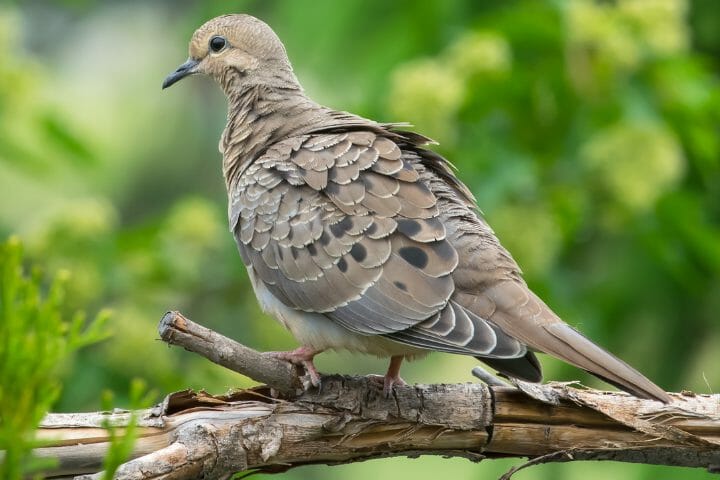
The Mourning Dove is a common bird known for its distinctive, mournful cooing. This sound often confuses listeners, making them think an owl is nearby. Unlike owls, Mourning Doves are diurnal, meaning they are active during the day. They have a sleek, streamlined body and a long, pointed tail.
These birds are widespread across North America, easily recognizable by their gentle demeanor and soft, grayish-brown feathers. Their soothing call adds a serene backdrop to many outdoor settings, making them a beloved presence in gardens and parks. Understanding their vocalizations can help bird enthusiasts distinguish them from owls.
Common Owl Sounds
Owls are known for their unique sounds. These sounds help them communicate. They also help them hunt. Understanding these sounds can be fascinating. Let’s explore the common sounds made by owls.
Typical Owl Hoots
Owl hoots are deep and echoing. These hoots are often heard at night. They help owls mark their territory. They also attract mates. Here are some examples:
- Classic Hoot: “Hoo-hoo-hoo”
- Great Horned Owl: “Whoo-whoo-whoo”
- Barred Owl: “Who cooks for you?”
Nocturnal Owl Calls
Owls are mostly active at night. Their nocturnal calls can be eerie. These calls can include screeches, whistles, and barks. They use these calls to communicate in the dark.
| Owl Species | Call Type | Sound Description |
|---|---|---|
| Barn Owl | Screech | Loud, harsh scream |
| Eastern Screech Owl | Whistle | Soft, trilling sound |
| Short-eared Owl | Bark | Quick, sharp bark |
Listening to owl sounds can be magical. Each sound has its purpose. Recognizing these sounds can help identify the owl species. Enjoy the night symphony of owls!
Birds Mimicking Owls
Birds mimicking owls is a fascinating phenomenon in the avian world. Some birds have evolved to imitate owl sounds. This helps them survive in their habitats. Let’s explore which species are known for this skill and why they do it.
Species Known For Mimicry
- Steller’s Jay: This bird can mimic the calls of various owls. It’s known for its intelligence and adaptability.
- Blue Jay: Blue Jays often mimic Red-tailed Hawks. They also mimic owls to scare away predators.
- Northern Mockingbird: This bird is famous for its ability to imitate many sounds. It can even mimic the hoots of owls.
Reasons For Mimicking Owl Sounds
| Reason | Description |
|---|---|
| Predator Avoidance | Some birds mimic owls to scare off smaller predators. |
| Territorial Defense | Mimicking owls can help in protecting their territory from intruders. |
| Mate Attraction | Male birds sometimes mimic owls to attract females by showing their vocal skills. |
The Mystery Bird
Have you ever heard a bird that sounds just like an owl? It’s not an owl, but its call can be very confusing. This mystery bird can trick even the best bird watchers. Let’s explore this unique bird.
Identifying Features
The mystery bird has some unique features. It has a stocky body and a round head. Its feathers are usually brown and white. These colors help it blend into the trees.
Here are some key features:
- Stocky body: Short and robust.
- Round head: Similar to an owl’s head.
- Feather colors: Mostly brown and white.
Habitat And Behavior
The mystery bird lives in dense forests and wooded areas. It prefers places with lots of trees. These trees provide good cover from predators.
The bird’s behavior is also quite fascinating. It is most active at dusk and dawn. During these times, its calls can be heard echoing through the forest. This bird is known for its loud, owl-like hoots.
| Habitat | Behavior |
|---|---|
| Dense forests | Active at dusk and dawn |
| Wooded areas | Owl-like hoots |

Credit: www.birdsinbackyards.net
Comparison With Owls
There are several birds that sound like owls. One common bird is the Mourning Dove. To understand their similarities and differences, let’s dive into their calls and appearances.
Similarities In Calls
Both the Mourning Dove and owls have deep, resonant calls. Their sounds can be confusing to listeners. Here are some points of comparison:
- Mourning Dove: Their call is a soft, mournful cooing.
- Owls: Most owls produce a hooting sound.
Despite these differences, both birds can be mistaken for each other. Their calls carry well across distances.
Differences In Appearance
While their sounds might be similar, their looks are distinct. Let’s compare:
| Characteristic | Mourning Dove | Owls |
|---|---|---|
| Size | Smaller, around 9-13 inches | Larger, can be up to 25 inches |
| Color | Grayish-brown with black spots | Varied, but often brown and white |
| Eyes | Small, dark | Large, forward-facing |
| Beak | Small and slender | Hooked and sharp |
In summary, while the Mourning Dove and owls share similar calls, their appearances set them apart. This helps bird watchers identify them.
Field Identification Tips
Field identification tips help bird watchers distinguish birds that sound like owls. Below, you’ll find practical tips categorized under listening techniques and visual clues.
Listening Techniques
Recognizing bird calls is essential for identification. Here are some techniques:
- Recordings: Use a smartphone or recorder to capture bird sounds.
- Playback: Compare your recordings with known owl sounds.
- Frequency: Note the time of day the bird calls.
- Duration: Observe the length of each call.
Different birds have unique calling patterns. Some birds mimic owl sounds. Pay attention to the rhythm and tone.
Visual Clues
Visual identification is just as crucial. Here are some visual clues to look for:
| Feature | Description |
|---|---|
| Size | Compare the bird’s size to common owls. |
| Color | Note the bird’s feather colors and patterns. |
| Beak | Observe the shape and size of the beak. |
| Eyes | Check if the bird has large, round eyes like an owl. |
Field guides or birding apps can help you with visual identification. Use binoculars to get a closer look at the bird’s features.
Combining listening techniques with visual clues will improve your bird identification skills. Happy bird watching!

Credit: www.audubon.org
Case Studies
Exploring the mysterious bird calls that sound like an owl can be fascinating. Here, we delve into some real-life examples and expert observations. These case studies illustrate the variety and diversity of bird calls that mimic owls.
Real-life Examples
- Whip-poor-will: This bird’s call is often mistaken for an owl. Its repetitive “whip-poor-will” sounds echo through the night.
- Common Nighthawk: The nighthawk’s “peent” sound can confuse listeners. It is often thought to be an owl.
- European Nightjar: The nightjar’s churr is a long, continuous call. It is reminiscent of an owl’s hoot.
Expert Observations
Ornithologists have noted several birds with owl-like calls. Their observations help us understand these unique bird calls.
| Bird Species | Call Description |
|---|---|
| Barred Owl | Classic hooting sound, “Who cooks for you?” |
| Mourning Dove | Soft cooing that resembles an owl’s call |
| Eastern Screech-Owl | Whinnying and trilling sounds |
These expert insights reveal that many birds can sound like owls. Recognizing these calls enriches our bird-watching experience.
Conservation Efforts
Conservation efforts play a crucial role in preserving the bird species that sounds like an owl. These birds are often mistaken for owls due to their unique calls. Protecting their habitats and raising awareness are key strategies in conservation.
Protecting Habitats
Protecting the natural habitats of these birds is essential. Forests and woodlands serve as their primary homes. Conservationists focus on reducing deforestation and habitat destruction.
Efforts include:
- Creating protected areas
- Promoting sustainable forestry practices
- Preventing illegal logging
Raising Awareness
Raising awareness about these birds helps in their conservation. Educating the public on their importance is vital. Schools and community programs can play a big role.
Some effective methods include:
- Public workshops
- Educational campaigns
- Social media outreach
Engaging with local communities ensures widespread support for conservation efforts.
Credit: earthlife.net
Frequently Asked Questions
What Other Bird Sounds Like An Owl?
The Mourning Dove often gets mistaken for an owl. Its cooing sounds similar to an owl’s hooting.
What Bird Makes The Hoo Hoo Sound?
The owl makes the hoo hoo sound. Common species include the Great Horned Owl and the Eastern Screech-Owl. Their calls are often heard at night.
What Does It Mean When You Hear An Owl Outside Your House?
Hearing an owl outside your house often symbolizes wisdom, intuition, or change. Some cultures view it as a spiritual message.
Can Coyotes Sound Like Owls?
Coyotes do not sound like owls. Coyotes produce howls, yips, and barks, while owls hoot. Their vocalizations are distinct.
Conclusion
Discovering the bird that sounds like an owl can be fascinating. Many birds have unique calls that resemble owls. Learning to identify these birds enhances your bird-watching experience. Stay curious and keep exploring the diverse sounds of nature. Understanding bird calls enriches our appreciation of wildlife.
Happy bird-watching!