
Yes, some birds eat lizards. Birds such as hawks, eagles, and owls hunt lizards for food.
Birds are fascinating creatures with diverse diets. While many birds feed on seeds, fruits, and insects, some species are carnivorous. Predatory birds like hawks, eagles, and owls often prey on small animals, including lizards. These birds have sharp talons and beaks designed for hunting and consuming meat.
Lizards provide essential nutrients and energy, making them a valuable food source. Observing these interactions in nature highlights the complex food chains and ecosystems. Understanding bird diets helps appreciate their role in maintaining ecological balance. Bird enthusiasts and researchers continue studying these behaviors to gain deeper insights into avian life.
Introduction To Birds’ Diets
Birds are fascinating creatures with diverse eating habits. Their diets can vary widely based on species, habitat, and availability of food. Understanding what birds eat helps us appreciate their role in ecosystems. Let’s explore the common foods birds consume and their dietary adaptations.
Common Foods
Birds eat a wide variety of foods. Here are some common items:
- Seeds and Nuts: Many birds love seeds and nuts. They provide essential nutrients.
- Fruits and Berries: Fruits and berries are favorites. They are rich in vitamins.
- Insects: Insects are a major part of many birds’ diets. They offer protein.
- Fish: Some birds, like herons, eat fish. They hunt in water bodies.
- Small Mammals: Birds of prey often eat small mammals. They use sharp talons.
Dietary Adaptations
Birds have unique adaptations for their diets. These adaptations help them survive and thrive.
| Bird Type | Adaptation |
|---|---|
| Seed Eaters | Strong beaks to crack seeds. |
| Insect Eaters | Sharp beaks to catch insects. |
| Fish Eaters | Long beaks to snatch fish. |
| Fruit Eaters | Wide beaks to eat fruits. |
| Birds of Prey | Powerful talons to grab prey. |
These adaptations showcase the incredible diversity in birds’ eating habits. Each species has evolved to thrive in its environment.
Birds As Predators
Birds are fascinating creatures with diverse diets. Some birds are powerful predators. They hunt and eat various animals, including lizards. This section explores how birds hunt, the types of lizards they prey on, and their unique adaptations.
Hunting Techniques
Birds use various techniques to hunt. Some birds, like hawks, use their sharp talons. They swoop down quickly to catch their prey. Owls rely on their excellent night vision. They hunt lizards under the cover of darkness.
Other birds, like herons, use patience. They stand still in water, waiting for prey. When a lizard comes close, they strike swiftly. Kingfishers dive from a perch to catch lizards near water.
| Bird Species | Hunting Technique |
|---|---|
| Hawks | Swooping with talons |
| Owls | Hunting at night |
| Herons | Standing still and striking |
| Kingfishers | Diving from a perch |
Types Of Prey
Birds target different types of lizards. Small lizards are often prey for smaller birds. Larger birds can hunt bigger lizards.
Here are some common prey types:
- Geckos: Small and quick, they are easy targets.
- Anoles: These lizards are often found in trees and shrubs.
- Skinks: Their smooth bodies make them easy to swallow.
- Iguanas: Bigger birds hunt these large lizards.
Birds have adapted to catch and eat lizards. They play a vital role in controlling lizard populations. Understanding their predatory behavior helps us appreciate nature’s balance.
Lizards In The Food Chain
Lizards play a crucial role in the ecosystem. They are both predators and prey. Understanding their place in the food chain helps us appreciate their importance.
Lizard Species
There are many species of lizards around the world. Some common examples include:
- Geckos: Small, nocturnal, and often found in homes.
- Chameleons: Known for changing colors and long tongues.
- Monitor Lizards: Large and often aggressive.
- Anoles: Small and often green or brown.
Natural Predators
Lizards have many natural predators. Birds are one of the main threats to lizards. Some birds that eat lizards include:
- Hawks: Skilled hunters with sharp talons.
- Owls: Nocturnal hunters with excellent vision.
- Roadrunners: Fast runners that catch lizards on the ground.
- Crows: Intelligent birds that can outsmart lizards.
Other predators include snakes, mammals, and larger reptiles. Each predator plays a role in keeping the lizard population in check.
| Predator | Hunting Method | Common Prey |
|---|---|---|
| Hawk | Soaring and Diving | Small Mammals, Lizards |
| Owl | Silent Flight | Rodents, Lizards |
| Roadrunner | Running | Insects, Lizards |
| Crow | Scavenging | Eggs, Small Animals |
Understanding the relationship between lizards and their predators highlights the balance in nature.

Credit: vireo.ansp.org
Birds That Eat Lizards
Many birds include lizards in their diet. These birds are skilled hunters. They possess keen eyesight and sharp beaks. This section explores which birds eat lizards and where they live.
Bird Species
Several bird species are known for eating lizards. Here are some notable ones:
- Hawks: Hawks have excellent vision. They can spot lizards from high above.
- Owls: Owls hunt lizards at night. Their silent flight helps them catch prey.
- Roadrunners: Roadrunners are quick and agile. They often hunt lizards in deserts.
- Herons: Herons are wading birds. They catch lizards near water bodies.
- Kestrels: Kestrels are small falcons. They eat lizards in open fields.
Geographical Distribution
Birds that eat lizards are found all over the world. Their habitats vary based on their species:
| Bird Species | Geographical Location |
|---|---|
| Hawks | North America, Europe, Asia, Africa |
| Owls | Worldwide, except Antarctica |
| Roadrunners | Southwestern United States, Mexico |
| Herons | Worldwide, near water bodies |
| Kestrels | North America, Europe, Asia, Africa |
Hunting Behavior
Birds are incredible hunters. Their methods are diverse and effective. They have evolved to catch various prey, including lizards. Understanding their hunting behavior helps us see their skills. Birds use different techniques based on the environment and prey type.
Stalking And Ambush
Many birds use stalking and ambush techniques. They wait patiently for the right moment. Birds like herons and kingfishers are experts at this. They stand still in shallow water or among plants. When a lizard comes close, they strike quickly.
Owls also use this method. They perch silently and watch for movement. When they spot a lizard, they swoop down swiftly. Their silent flight helps them surprise their prey.
Aerial Attacks
Some birds prefer aerial attacks. They fly high and scan the ground below. Hawks and eagles are known for this method. They have sharp eyesight and can spot lizards from far away. Once they see a target, they dive at incredible speed.
Falcons also use aerial attacks. They are even faster than hawks. They can catch lizards in mid-air or on the ground. Their powerful talons make it hard for the prey to escape.
| Bird | Hunting Technique |
|---|---|
| Heron | Stalking and Ambush |
| Owl | Stalking and Ambush |
| Hawk | Aerial Attacks |
| Falcon | Aerial Attacks |

Credit: vireo.ansp.org
Nutritional Benefits
Birds eating lizards might sound surprising, but it is common. Birds gain significant nutritional benefits from eating lizards. These benefits include essential proteins and calories that boost their health and energy levels.
Protein Source
Lizards provide an excellent protein source for birds. Protein is essential for growth, repair, and overall health.
Here are some key reasons why lizards are a good protein source:
- High in essential amino acids
- Supports muscle development
- Enhances feather quality
Birds, especially carnivorous ones, require a protein-rich diet. Lizards fulfill this dietary need effectively.
Caloric Intake
Lizards also offer a substantial caloric intake. Calories are vital for energy and survival.
Consider the following benefits of calories from lizards:
- Boosts energy levels
- Supports daily activities
- Helps in maintaining body temperature
Birds burn a lot of energy daily. High-calorie food like lizards helps them meet their caloric needs efficiently.
| Benefits | Explanation |
|---|---|
| Protein Source | Lizards provide essential amino acids for growth and repair. |
| Caloric Intake | Lizards offer high calories to maintain energy levels. |
Impact On Lizard Populations
Many birds eat lizards. This can affect lizard populations. Understanding this impact is crucial. We will explore how it shapes ecosystems. We will also discuss its role in population control.
Ecosystem Balance
Birds and lizards play important roles in ecosystems. Birds help keep lizard numbers in check. This prevents overpopulation. Too many lizards can harm plants and insects. Birds eating lizards helps maintain balance.
Healthy ecosystems need balance. This includes predator and prey relationships. Birds eating lizards is a natural part of this balance. It helps ensure that no single species dominates.
Population Control
Birds are natural predators of lizards. They help control lizard populations. This is important for biodiversity. Controlled lizard numbers mean healthier habitats. It also supports other species.
Without birds, lizard populations might explode. This could lead to problems. Birds act as natural population managers. Their role is vital for a balanced ecosystem.
| Factor | Impact |
|---|---|
| Bird Predation | Controls lizard numbers |
| Ecosystem Health | Maintains balance |
| Biodiversity | Supports various species |
Understanding these interactions is key. It helps us appreciate the importance of birds. Their role in controlling lizard populations is essential.
Conservation Concerns
Conservation concerns arise when the natural balance of ecosystems is threatened. Predatory behaviors, such as birds eating lizards, can impact vulnerable species. This section will address the implications of such predation.
Threatened Species
Certain lizard species are endangered or threatened. Predation by birds can exacerbate their decline. For instance, the Galápagos land iguana faces threats from invasive bird species.
Birds like hawks and eagles often prey on these lizards. This predation reduces the lizard population. Conservationists worry about the survival of these reptiles.
Protecting these lizards is crucial. Efforts include monitoring bird populations and controlling invasive species. This helps maintain the balance in the ecosystem.
Human Impact
Human activities also play a role in this dynamic. Urbanization and deforestation disrupt natural habitats. This forces birds and lizards into closer proximity.
Pollution and climate change further stress these environments. These factors make it harder for lizards to thrive. Birds may increase their predation on lizards as other food sources dwindle.
Conservation strategies must consider human impact. Effective measures include habitat restoration and pollution control. These actions help preserve the delicate balance between birds and lizards.
| Conservation Strategy | Action |
|---|---|
| Habitat Restoration | Replanting native vegetation |
| Pollution Control | Reducing chemical runoff |
| Invasive Species Control | Removing non-native predators |
| Monitoring Programs | Tracking bird and lizard populations |
Ensuring the survival of threatened lizard species is vital. Conservation efforts must address both natural and human-induced threats. Only then can a healthy balance be maintained.
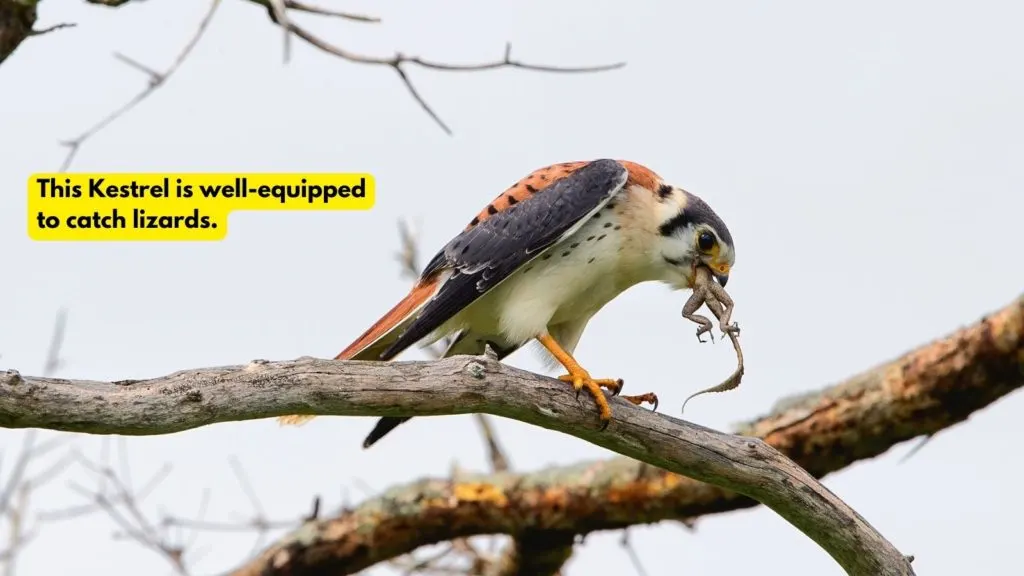
Credit: www.birdtipper.com
Frequently Asked Questions
What Kind Of Birds Eat Lizards?
Hawks, eagles, and owls often eat lizards. Roadrunners and herons also hunt and consume lizards. These birds are skilled predators.
What Eats A Lizard?
Birds, snakes, and larger reptiles often eat lizards. Mammals like foxes, cats, and rodents also prey on them.
Do Cardinals Eat Small Lizards?
Yes, cardinals do eat small lizards. They have a diverse diet that includes insects, seeds, fruits, and small reptiles.
Are Birds Afraid Of Lizards?
Some birds are afraid of lizards, especially larger species. Smaller birds may see lizards as predators. Bird behavior varies.
Conclusion
Birds eating lizards is a fascinating aspect of nature. Some bird species do include lizards in their diet. This predatory behavior helps maintain ecological balance. Understanding these interactions enriches our knowledge of wildlife. Observing birds and their feeding habits can offer valuable insights into their survival strategies.