
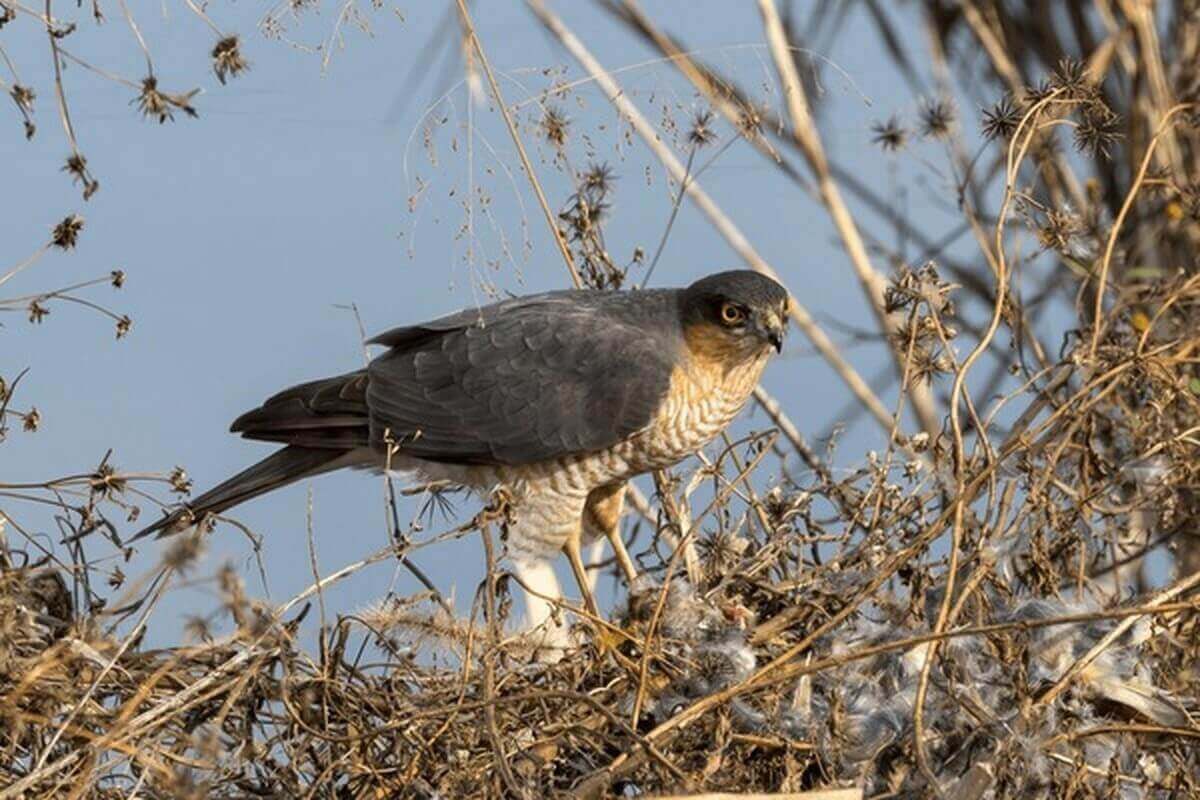
Hawks are opportunistic predators, and that single fact explains almost everything about their diet. A hawk isn’t loyal to one kind of prey the way a hummingbird is loyal to nectar — it eats whatever is available, easy to catch, and worth the energy spent catching it. That flexibility is a big part of why hawks are one of the most successful groups of birds in North America, thriving everywhere from deep forest to suburban backyards to city rooftops.
The Short Answer
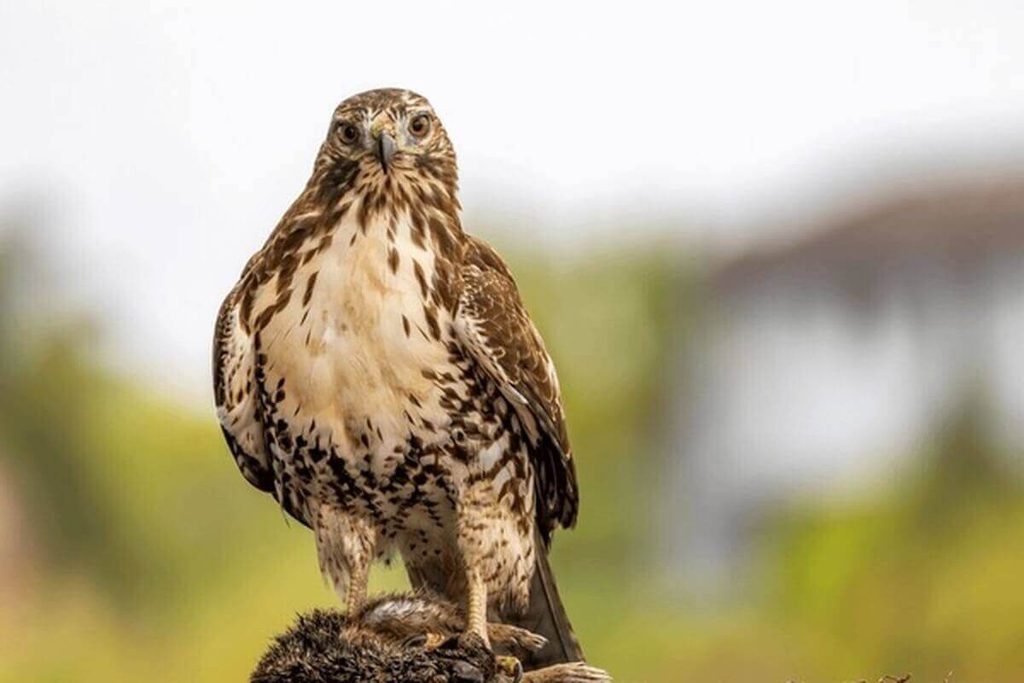
Most hawks are carnivorous, and the bulk of a typical hawk’s diet is made up of small mammals — mice, voles, squirrels, and rabbits — supplemented with birds, reptiles, amphibians, and occasionally fish or insects. Exactly what shows up on the menu depends heavily on which species of hawk you’re talking about, where it lives, and what season it is.
Small Mammals: The Core of the Diet
For most North American hawks — red-tailed hawks especially, which are the species most people picture when they hear “hawk” — small mammals make up the largest share of what they eat. Mice and voles are staples almost everywhere hawks are found, since they’re abundant, active during the day (unlike many small mammals), and easy to spot from a perch or while soaring.
Do Hawks Eat Mice?
Yes, and for many hawk species this is their single most important food source. A hawk hunting mice typically uses a “sit and wait” strategy — perching somewhere with a clear view of open ground, watching for movement, then dropping in a fast, controlled dive once it spots prey. Mice are especially important during breeding season, when a nesting pair needs a steady, reliable food supply to feed chicks, and their populations are usually abundant enough to meet that demand.
Do Hawks Eat Rabbits and Bunnies?
Yes — for larger hawk species like red-tailed hawks, rabbits are a significant and valuable food source, often preferred over smaller prey simply because one rabbit provides far more calories than several mice for a similar amount of hunting effort. Catching a rabbit is a bigger undertaking, though: it requires more strength and a more committed dive, and larger hawks are built for exactly that, with powerful legs and talons designed to grip and subdue prey much heavier than themselves.
Smaller hawk species, like Cooper’s hawks or sharp-shinned hawks, are far less likely to tackle a full-grown rabbit and stick closer to their size range — mostly smaller mammals and birds.
Do Hawks Eat Other Birds?
Yes, and for some hawk species — particularly Cooper’s hawks and sharp-shinned hawks — birds make up the majority of the diet rather than a supplement to it. These species are built differently from red-tailed hawks: shorter, rounder wings and long tails built for speed and maneuverability through trees and shrubs, ideal for chasing down songbirds in flight rather than soaring and scanning open fields.
Do Hawks Eat Crows?
It happens, though it’s not a routine part of most hawks’ diet the way mice are. Crows are large, intelligent, and often travel in groups that will actively mob a hawk that gets too close — a behavior that makes successfully hunting an adult crow a genuinely risky undertaking for a hawk rather than an easy meal. Young, sick, or isolated crows are far more vulnerable, and it’s these individuals that are more likely to actually end up as prey. In general, a healthy adult crow in a group is one of the harder targets a hawk might go after, not an easy one.
Do Hawks Eat Fish?
Some do, though it’s more specialized than people expect. Ospreys (sometimes classified separately from “true hawks” but commonly grouped with them) are essentially fish specialists, plunging feet-first into water to grab fish with specially adapted talons. Red-tailed hawks and other generalist hawks will opportunistically take fish if one is easily accessible — a dying fish in shallow water, for instance — but it’s not something they actively hunt for the way ospreys do. If fish shows up in a typical backyard hawk’s diet at all, it’s usually circumstantial rather than a planned strategy.
Reptiles, Amphibians, and Insects
Snakes, lizards, and frogs are regular prey for many hawk species, especially in warmer climates where these animals are abundant and active for more of the year. Insects — grasshoppers, large beetles, cicadas — show up more often than people expect, particularly for younger, less experienced hawks still building hunting skill, or during insect population booms when the energy cost of catching a grasshopper is extremely low relative to the calories gained.
Carrion: The Opportunistic Backup Plan
Hawks aren’t primarily scavengers the way vultures are, but they won’t pass up an easy meal. A hawk will readily eat roadkill or other carrion if it comes across it, especially in winter when live prey is scarcer and harder to catch. This opportunism is part of the same broader pattern seen throughout a hawk’s diet: minimize effort, maximize calories, and take whatever’s actually available rather than holding out for a specific preferred food.
Can a Hawk Eat a Cat?
This is one of the most-asked hawk questions, usually from a worried pet owner rather than pure curiosity, so it deserves a direct answer: it’s possible, but genuinely uncommon. Most hawks are simply not large enough to safely take on a full-grown adult cat, which can weigh 8-10+ pounds — well beyond what most hawk species regularly hunt. The risk is real but concentrated in a narrower set of circumstances: very young kittens, particularly small cats, or the largest hawk species (like a Red-tailed hawk in an area with limited natural prey) in rare, opportunistic situations.
The practical takeaway for pet owners: supervising small kittens outdoors, especially in areas with known hawk activity, is a reasonable precaution — but a full-grown healthy cat is not a hawk’s typical target and isn’t something to be in constant fear of.
How a Hawk’s Diet Changes With the Seasons
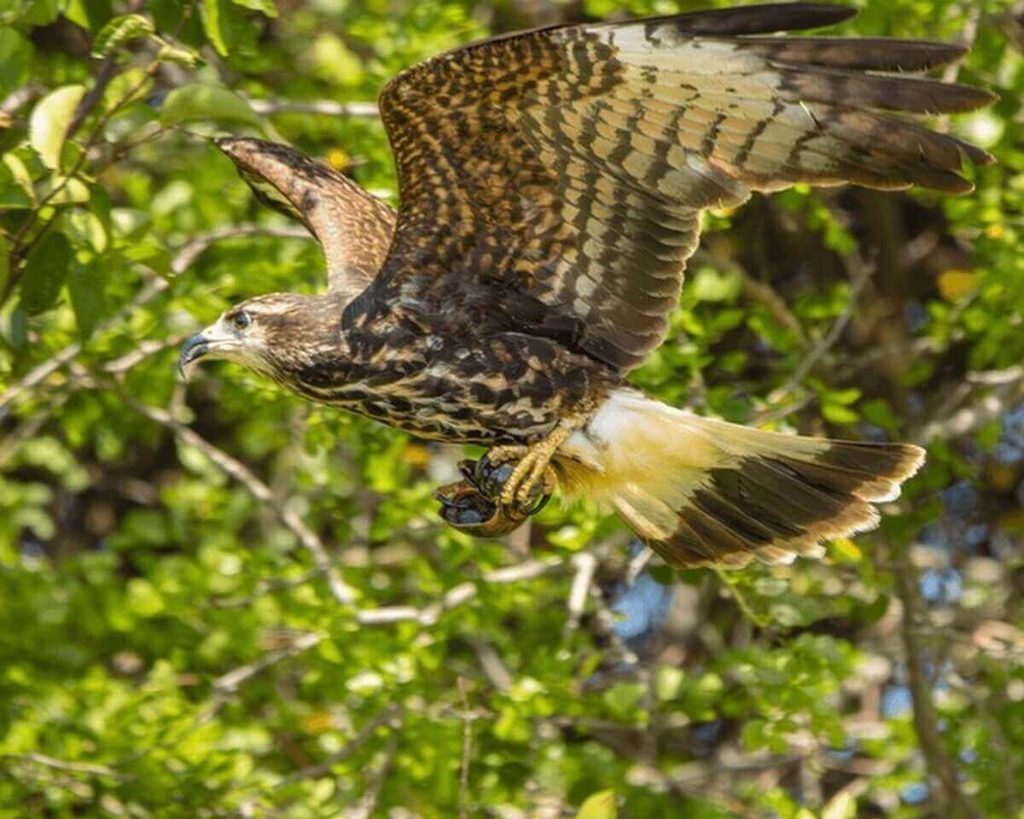
Diet isn’t static across the year. In spring and summer, breeding hawks need a reliable, high-volume food source to feed rapidly growing chicks, and small mammals — abundant and easy to catch in quantity — dominate during this period. In fall, as young hawks disperse and gain hunting experience, diet often broadens opportunistically while skills are still developing, including more insects and easier, smaller prey. Winter is the leanest season: live prey becomes scarcer, especially in colder regions where small mammals go into hiding or reduce activity, pushing hawks toward carrion and whatever prey remains active and visible above snow cover.
How Hawks Actually Hunt: A Quick Look at Method
Hunting style varies by species but generally falls into two broad strategies. “Sit and wait” hunters — like red-tailed hawks — perch somewhere with a commanding view and rely on patience, striking only once they’ve spotted a clear opportunity, which conserves energy compared to constant active searching. “Active pursuit” hunters — like Cooper’s hawks — chase prey directly, often through dense cover, relying on speed, agility, and the element of surprise rather than patience. Understanding which category a given hawk species falls into explains a lot about what ends up on its plate: a patient soaring hunter over open fields is going to catch a lot of mice and rabbits; an agile forest hunter chasing songbirds through branches is going to end up eating mostly birds.
Do Backyard Hawks Eat Pet Food or Bird Feeder Seed?
No — this is worth clearing up since it comes up in the context of backyard bird feeders. Hawks are strict carnivores and have no interest in seed, suet, or pet kibble. What a hawk near a feeder is actually after is the songbirds the feeder attracts, not the feeder contents themselves. If a hawk starts frequenting a yard with feeders, it’s a predator responding to a concentration of easy prey, not a bird deciding to try birdseed.
Debunking a Few Common Myths
Myth: Hawks will regularly snatch small dogs. Reality: extremely rare, and generally limited to the smallest dog breeds and the largest hawk species under unusual circumstances — not a realistic everyday risk for most dog owners.
Myth: Hawks hunt exclusively during the day. Mostly true, but worth a caveat — hawks are diurnal (day-active) hunters, unlike owls, though some species will still be active during low-light dawn and dusk periods when prey is moving.
Myth: A hawk near your feeder means it will keep coming back forever. Not necessarily — hawks are opportunistic and will move on once prey in an area becomes scarce or wary, though a reliable food source (like a well-stocked feeder attracting lots of songbirds) can keep one interested for an extended stretch.
Why This Matters Ecologically
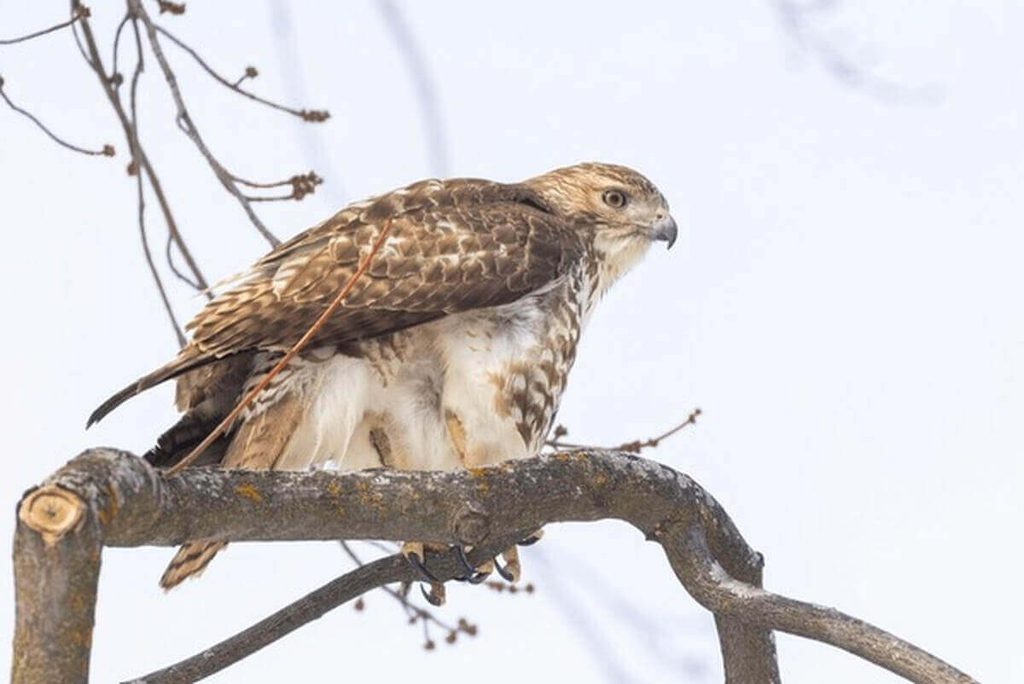
Hawks sit near the top of many food webs, and their varied, opportunistic diet plays a real role in controlling rodent populations specifically — a single hawk can eat hundreds of mice and voles over the course of a year, which is part of why hawks are often considered beneficial to have around farmland and gardens rather than a threat. Their diet flexibility also makes them relatively resilient to changes in any one prey population, since a decline in mice, for instance, can be partly offset by shifting toward more insects or reptiles in a given season.