Anyone who’s fed birds for more than a season runs into the same handful of headaches: a lawn full of sprouting seed hulls, a bird bath turning green, wasps taking over the hummingbird feeder. None of it is complicated to fix — it’s just stuff nobody tells you until you’ve already got a mess on your hands.
How Do Birds Even Find a New Feeder?
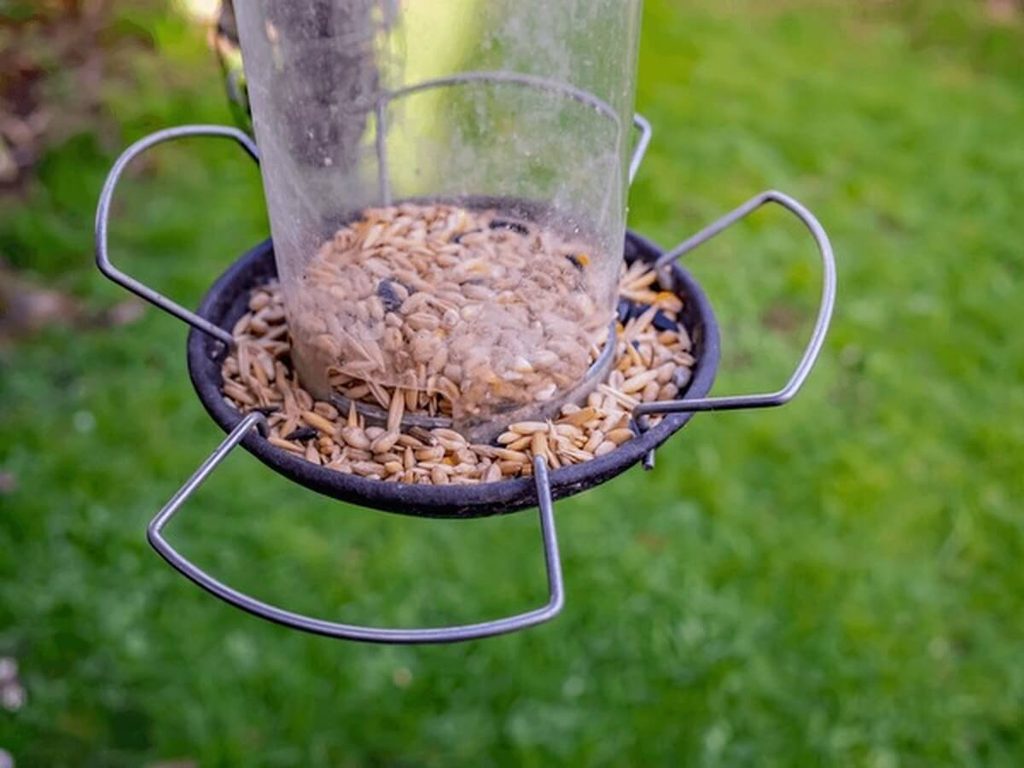
If you’ve just put up a feeder and it’s sitting empty, this is usually the first question. Birds find feeders mostly through sight and memory, not smell — their sense of smell is weak in most backyard species. What actually happens is that a few birds spot the feeder while foraging nearby, and once one bird finds a reliable food source, others in the area pick up on it fast, partly by watching where other birds are landing.
That’s why a brand-new feeder can sit untouched for a few days and then suddenly get busy — it’s not that the birds “learned” about it overnight, it’s that word-of-beak travels once the first visitor shows up. Placing feeders near existing cover (shrubs, trees) speeds this up, since birds are more willing to investigate a new food source close to an escape route.
How to Keep Bird Seed From Sprouting Under Your Feeder
This is the single most common bird-feeding complaint, and it happens because spilled seed hits bare soil, gets rained on, and does exactly what seed is designed to do: grow. A few fixes, roughly in order of effort:
- Switch to hulled or no-mess seed blends. Regular seed comes with a husk that birds crack and drop; hulled seed has that shell already removed, so there’s nothing left to sprout.
- Add a seed catcher tray underneath the feeder. These clip on and physically stop spilled seed from reaching the ground.
- Mulch or use pavers under the feeder. A couple of inches of bark mulch or a stretch of smooth pavers makes it much harder for anything to take root even if seed does land there.
- Move the feeder occasionally. Rotating position every few weeks stops any one patch of lawn from taking the brunt of it.
None of these need to be done all at once — even just switching to a no-mess blend solves most of the problem on its own.
Making Hot Pepper Bird Seed (and Why It Works)
Birds can’t taste capsaicin, the compound that makes chili peppers hot to mammals — they simply don’t have the receptor for it. Squirrels and other mammals do, which is why pepper-treated seed is a popular way to keep squirrels off a feeder without bothering the birds at all.
To make it at home: coat plain seed lightly in cooking oil, then toss it with cayenne pepper or a commercial “hot pepper suet” additive until evenly coated, and let it dry before filling the feeder. Start with a light dusting — you’re aiming for “enough to make a squirrel regret it,” not “enough to see from space.” Wear gloves while mixing, and wash your hands well afterward; capsaicin doesn’t care that you’re not a squirrel.
How to Keep Wasps Away From Hummingbird Feeders
Wasps go after hummingbird feeders for the same reason hummingbirds do — sugar water is sugar water. A few things actually make a difference:
- Pick a feeder with bee guards — small plastic mesh caps over each feeding port that hummingbirds’ long bills can get through but wasps’ bodies can’t.
- Move the feeder a few feet every couple of days. Wasps are more territorial about a fixed spot than hummingbirds are; relocating it disrupts their pattern.
- Wipe up any drips around the feeding ports — dried sugar residue is often what draws wasps in the first place, more than the nectar inside.
- Avoid yellow feeders where possible. Wasps are drawn to yellow; red draws hummingbirds just as well without the same pull for wasps.
What Is a Bird Bath, Really?
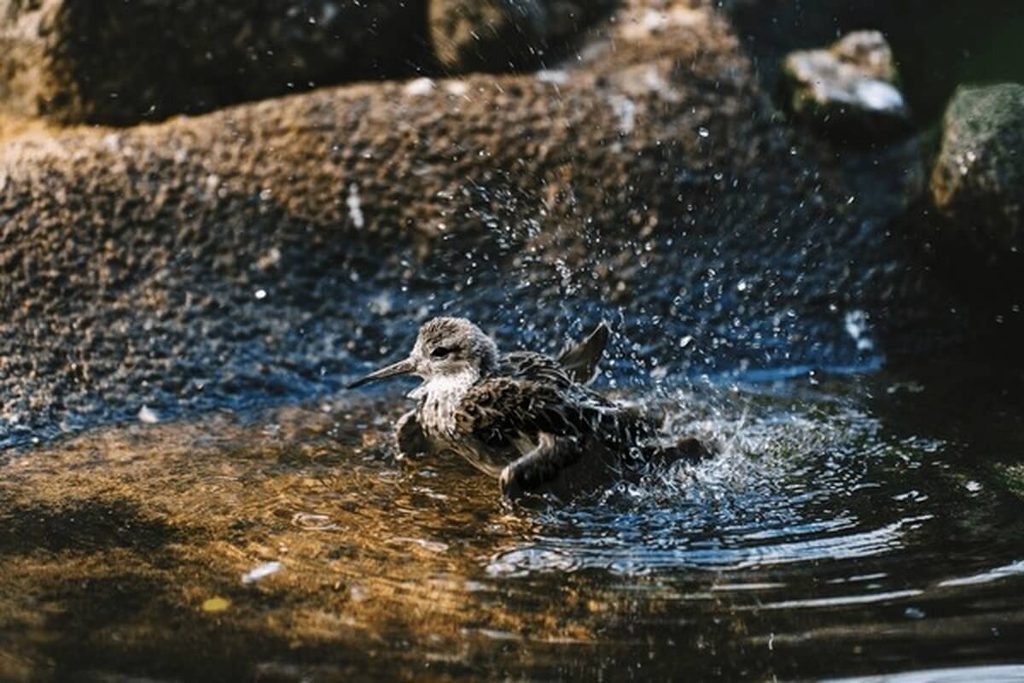
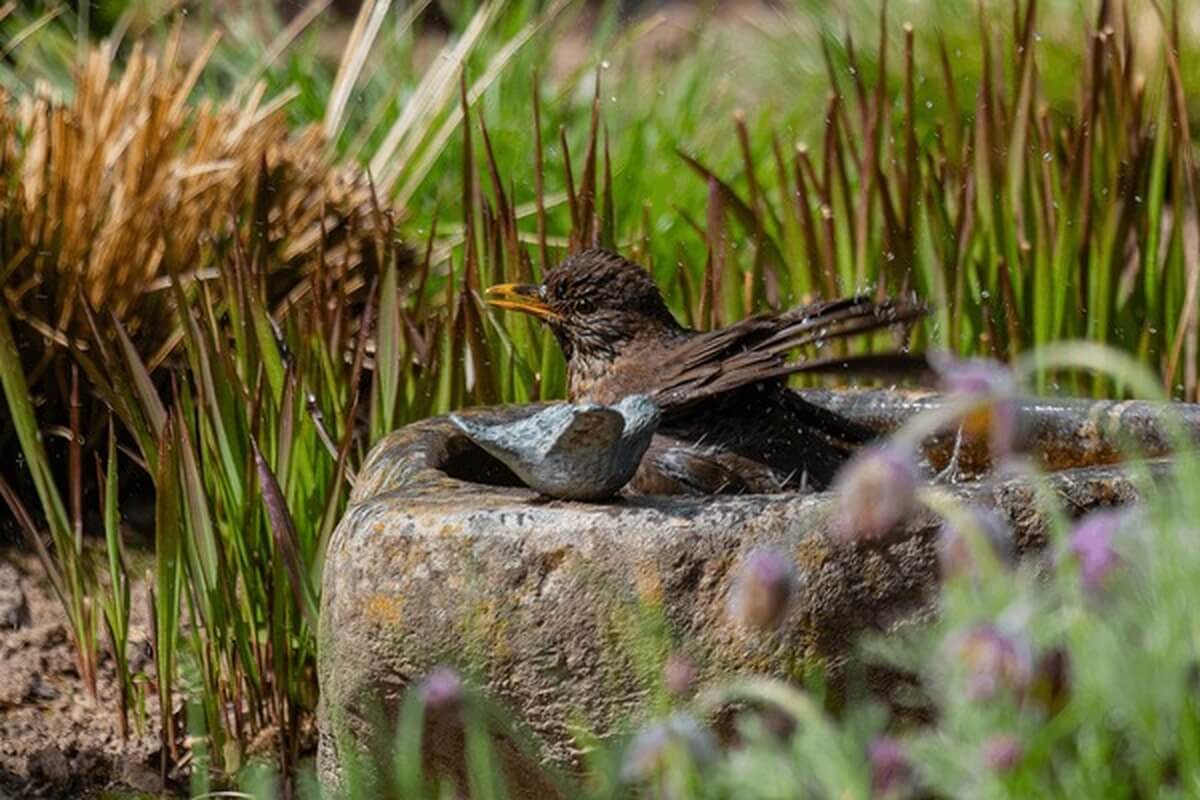
It sounds like an obvious question until you’re standing in a garden center facing twelve different products. At its core, a bird bath is just a shallow basin of water — pedestal, ground-level, or hanging — that gives birds a place to drink and bathe. The “shallow” part matters more than people expect: most backyard birds want water no more than 1–2 inches deep at the edges, sloping gradually rather than dropping straight down, since a bath that’s too deep just won’t get used.
What to Plant Around (or In) a Shallow Bird Bath
Landscaping around a bath does double duty — it gives birds cover to dash into if a hawk or cat shows up, and it makes the whole setup look intentional instead of like a bowl sitting in the grass. Low, dense plants near the base (not directly in the water) work best: ornamental grasses, low shrubs, or groundcover that birds can dive into within a second or two of leaving the water. Avoid tall plants directly overhead, since that gives predators a perch to watch from.
How to Seal a Concrete Bird Bath
Concrete baths are durable but porous, and over a few seasons they can develop hairline cracks that leak or let algae take hold in the surface pores. Sealing solves both. Clean the bath thoroughly first (a stiff brush and the vinegar-water mix below works fine), let it dry completely, then apply a food-safe, non-toxic concrete sealer made for pet-safe or garden use — not a generic hardware-store sealant, since some of those aren’t safe once birds are drinking from the surface. Two thin coats, allowing full drying time between them, will usually outlast a single thick one.
What Time of Day Do Birds Use Bird Baths Most?
Early morning, by a wide margin — most bathing activity happens in the first couple of hours after sunrise, when birds are refueling after a night without food or water. There’s usually a smaller second wave in the late afternoon, as birds top off before settling in for the night. Midday tends to be quiet, especially in hot weather, since bathing in direct heat isn’t as appealing (to birds or anyone else).