

Shooting birds in your backyard is generally illegal. Laws vary by location, so check local regulations first.
Birds are often protected by various laws and regulations. In many areas, shooting birds is prohibited to protect wildlife and biodiversity. Local, state, and federal laws, such as the Migratory Bird Treaty Act in the United States, often impose strict penalties for harming protected species.
It’s crucial to understand and comply with these laws to avoid legal trouble. Always consider non-lethal methods for dealing with birds if they become a nuisance. Educating yourself about local wildlife protection laws ensures you act responsibly and ethically.

Credit: sparklark.com
Bird Protection Laws
Many people love watching birds in their backyard. But shooting them can be illegal. Bird protection laws ensure birds are safe. Understanding these laws can help avoid trouble.
Federal Regulations
The United States has strong federal laws to protect birds. The Migratory Bird Treaty Act (MBTA) is the main law. This act makes it illegal to harm migratory birds. You cannot hunt, capture, or kill these birds without a permit.
There are also special protections for endangered species. The Endangered Species Act (ESA) protects birds at risk of extinction. Breaking these laws can lead to heavy fines or jail time.
State Variations
Each state has its own bird protection laws. Some states have stricter rules than others. For example, California has very strict bird protection laws. In Texas, the rules can be different.
Check your local laws to know what is legal. State wildlife agencies often provide this information. Some states also have special hunting seasons for certain birds.
| State | Specific Rules |
|---|---|
| California | No hunting of any native bird species |
| Texas | Limited hunting seasons for some birds |
- Check federal laws first.
- Look up state-specific rules.
- Contact local wildlife agencies for details.
Protected Bird Species
Understanding which birds are protected is crucial. You can’t shoot them in your backyard. Protected birds are often migratory or endangered. They hold ecological importance and are safeguarded by law.
Migratory Birds
Many birds migrate across countries. The Migratory Bird Treaty Act protects these species. Shooting them is illegal. This law covers over 800 species. Examples include:
- Swans
- Geese
- Robins
- Finches
These birds travel long distances. They need protection at all stops. Violating this law can lead to hefty fines.
Endangered Species
Endangered birds face extinction threats. The Endangered Species Act protects them. Shooting these birds can lead to serious penalties. Some endangered birds include:
| Bird Name | Status |
|---|---|
| Bald Eagle | Threatened |
| Whooping Crane | Endangered |
| California Condor | Critically Endangered |
These birds are rare and need our help. Protecting them is a legal and moral duty.
Permits And Exceptions
Understanding the legalities of shooting birds in your backyard involves more than just a simple yes or no. There are specific permits and exceptions to consider. This section will help you navigate the requirements for hunting licenses and special permits that may apply to your situation.
Hunting Licenses
Most places require a hunting license to shoot birds. This license ensures that you understand the rules and regulations. Each state has different requirements for obtaining a hunting license. Here are some general steps:
- Visit your local wildlife agency’s website.
- Complete a hunter safety course.
- Apply for the hunting license online or in person.
- Pay the required fees.
Some states offer different types of hunting licenses. These can include resident and non-resident licenses. Make sure to check which one applies to you.
Special Permits
In addition to a hunting license, you may need a special permit. Special permits are required for certain species or specific conditions. For example, endangered birds often require special permits. Here are some examples:
- Migratory Bird Treaty Act: Requires permits for migratory birds.
- Endangered Species Act: Requires permits for endangered species.
- Depredation Permits: For birds that cause damage to property.
To obtain a special permit, follow these steps:
- Identify the type of bird you want to shoot.
- Check if it’s protected under any specific laws.
- Contact your local wildlife agency for permit requirements.
- Submit your application and await approval.
Remember, ignorance of the law is not an excuse. Always ensure you have the correct permits before shooting any birds in your backyard.
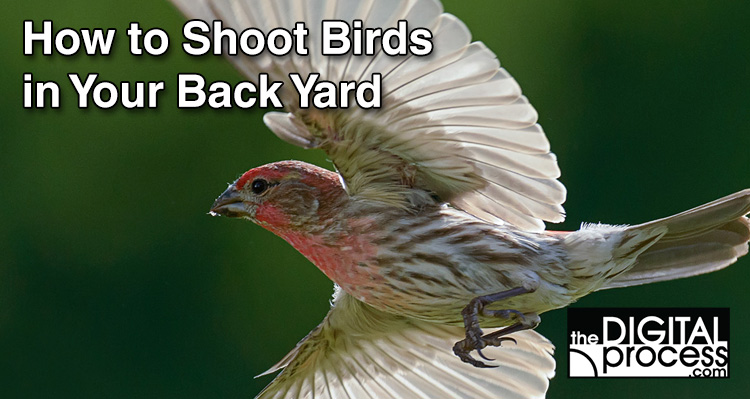
Credit: www.thedigitalprocess.com
Penalties For Illegal Shooting
Shooting birds in your backyard can have serious consequences. It’s important to know the penalties. This section explains the potential fines, imprisonment, and community service.
Fines And Imprisonment
Illegal shooting of birds can lead to heavy fines. These fines vary by location and severity of the offense. In some areas, fines can reach up to $5,000.
Besides fines, you may face imprisonment. Jail time can range from a few days to several months. Repeat offenders might receive even longer sentences.
| Offense Type | Fine Amount | Imprisonment Duration |
|---|---|---|
| First Offense | $500 – $1,000 | Up to 30 days |
| Second Offense | $1,000 – $3,000 | Up to 60 days |
| Repeat Offense | $3,000 – $5,000 | Up to 6 months |
Community Service
Courts may also order community service. This is to educate offenders about wildlife conservation. Community service hours can vary. They often range from 20 to 100 hours.
- First Offense: 20-40 hours of community service
- Second Offense: 40-70 hours of community service
- Repeat Offense: 70-100 hours of community service
Community service can involve cleaning parks, helping wildlife centers, or participating in educational programs. These activities help offenders understand the importance of protecting birds.
Safe Alternatives
Many people ask, “Is it illegal to shoot birds in your backyard?” It’s better to explore safe alternatives for managing birds. These options are humane and bird-friendly.
Humane Deterrents
Using humane deterrents can help keep birds away without harm.
- Scarecrows: Place scarecrows to frighten birds.
- Reflective Objects: Hang shiny items like CDs or foil strips. Birds dislike reflections.
- Wind Chimes: The sound and movement can deter birds.
These methods are simple and kind to birds.
Bird-friendly Gardens
Create a bird-friendly garden to attract birds safely.
Use plants that provide food and shelter for birds.
| Plant Type | Benefits |
|---|---|
| Sunflowers | Provide seeds for birds to eat. |
| Berry Bushes | Offer berries and shelter. |
| Native Trees | Provide nesting spots and food. |
These plants help create a natural habitat for birds.
Encourage birds to visit and stay in your garden.

Credit: m.youtube.com
Local Wildlife Agencies
Understanding local wildlife laws is essential. Local wildlife agencies can provide guidance. These agencies ensure the protection of birds and other animals. They also help enforce laws related to wildlife.
Contact Information
Each local wildlife agency has its own contact details. You can find this information on their websites. Here is a simple table to guide you:
| Agency | Phone Number | |
|---|---|---|
| Wildlife Agency A | 123-456-7890 | info@wildlifeagencya.com |
| Wildlife Agency B | 987-654-3210 | contact@wildlifeagencyb.org |
Reporting Violations
If you see illegal bird shooting, report it. Use the contact information above. Be sure to provide details. This helps the agencies take action quickly.
Follow these steps to report a violation:
- Gather all necessary details.
- Contact the local wildlife agency.
- Provide the details you have collected.
Reporting helps protect birds and other wildlife.
Ethical Considerations
Deciding whether it is ethical to shoot birds in your backyard involves a lot of thought. Ethical considerations are important. Let’s explore some key aspects.
Wildlife Conservation
Wildlife conservation is crucial for maintaining a balanced ecosystem. Birds play a significant role in this balance. They help in seed dispersion, pollination, and pest control.
Shooting birds can disrupt this balance. This can have negative consequences on the environment. The loss of bird species can affect the entire food chain.
Many bird species are protected by law. Killing these birds can lead to legal consequences. It is essential to know which birds are protected in your area.
Moral Responsibility
We have a moral responsibility to protect wildlife. Birds are living creatures with their own right to life. Causing harm to them without cause is unethical.
Many people enjoy bird watching and feeding birds. Shooting birds can take away this joy from your community.
Instead of shooting, consider humane ways to deter birds. This can include using bird feeders, scare devices, or habitat modifications.
Here’s a simple table to understand the importance of birds:
| Role | Importance |
|---|---|
| Seed Dispersion | Helps in plant growth |
| Pollination | Vital for flowering plants |
| Pest Control | Reduces harmful insects |
Choosing to protect birds can lead to a healthier environment. It also reflects well on your moral values.
Educational Resources
Understanding if it’s illegal to shoot birds in your backyard can be confusing. Laws vary by location and type of bird. Luckily, there are many educational resources available. These resources can help you learn more about bird protection laws.
Workshops And Seminars
Many local wildlife organizations offer workshops and seminars. These events teach about bird protection laws. Experts often lead these sessions. You can ask questions and get detailed answers. Some workshops may include hands-on activities. These help you learn in a fun way.
Check with your local government or wildlife groups. They often have calendars of upcoming events. Attending a seminar can be a great family activity. It helps everyone understand the importance of protecting birds.
Online Information
The internet is a vast resource for learning about bird laws. Many websites provide accurate and up-to-date information. Look for websites from trusted sources like government agencies or wildlife organizations.
Here are some types of online resources you can explore:
- Official Government Websites: These sites have the most accurate legal information.
- Wildlife Organization Websites: They provide guides on bird protection and legalities.
- Educational Videos: Many platforms offer videos that explain these laws simply.
Some online resources also offer downloadable guides. These can be useful for quick reference. You can even find online forums. There, you can ask questions and share experiences with others.
Remember, laws can change. Always check for the most recent information. This ensures you’re following current bird protection laws.
Frequently Asked Questions
Can I Shoot Birds With A Bb Gun?
Shooting birds with a BB gun is illegal in many areas. Always check local laws and prioritize animal safety.
Is It Illegal To Kill Birds In The Us?
Yes, it is illegal to kill most birds in the US. The Migratory Bird Treaty Act protects over 1,000 species.
What Birds Are Illegal To Shoot In Texas?
In Texas, it’s illegal to shoot migratory birds, endangered species, and protected non-game birds. Examples include bald eagles, whooping cranes, and purple martins. Always check local regulations before hunting.
Is It Illegal To Shoot Birds In California?
Yes, it is illegal to shoot birds in California without proper permits. Many bird species are protected by law.
Conclusion
Understanding your local laws about shooting birds is essential. Always prioritize safety and ethical considerations. Research and follow regulations to avoid penalties. Respect wildlife and consider non-lethal alternatives. Educate yourself and others on responsible bird control. By doing so, you contribute to a safer and more harmonious environment.