

Cardinals sleep in dense shrubs or trees, often close to the trunk. They prefer places that offer protection from predators.
Cardinals are beautiful, vibrant birds known for their striking red plumage and melodic songs. These birds are most commonly found in North and South America. To ensure safety while they sleep, cardinals choose dense foliage or thick shrubs. Such locations provide cover from predators and harsh weather.
Cardinals usually sleep alone, even if they are part of a pair or flock. Their choice of sleeping spots reflects their need for security and comfort. Understanding their sleeping habits helps bird enthusiasts create a suitable habitat to attract and protect these stunning birds in their gardens.
Cardinal Characteristics
Cardinals are beautiful birds with distinct features. They are known for their vibrant colors and unique behaviors. Understanding their characteristics can help us appreciate these wonderful birds even more.
Physical Traits
Cardinals have striking red feathers, especially the males. Females are mostly brown with hints of red. Both sexes have a sharp crest on their heads. This crest can move up and down. Their beaks are short and thick. They are perfect for cracking seeds. Cardinals have a black mask around their eyes and beak. Their eyes are dark and round, giving them a curious look. They have strong legs and feet. This helps them perch securely on branches.
Behavioral Patterns
Cardinals are known for their melodious songs. Males sing to attract mates and mark their territory. They are very territorial birds. They often chase away other males. Cardinals are mostly monogamous. They often stay with one mate for life. They build their nests in dense shrubs and trees. This offers them protection. Cardinals are also non-migratory birds. They stay in the same area year-round. They are active during the day and rest at night.
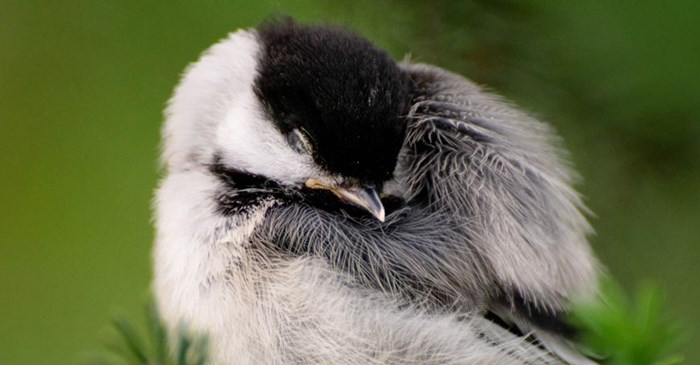
Credit: www.lyricbirdfood.com
Natural Habitats
Cardinals are vibrant and beautiful birds. They are known for their bright red feathers and melodic songs. But have you ever wondered where they sleep? Cardinals have specific places they prefer to rest. Let’s explore their natural habitats.
Woodlands
Cardinals often sleep in woodlands. They choose dense trees and shrubs. These places offer safety from predators. Trees with thick branches provide cover. Cardinals hide among the leaves. They feel protected and secure.
| Tree Type | Benefits |
|---|---|
| Evergreen Trees | Year-round cover |
| Deciduous Trees | Thick foliage in spring and summer |
Gardens And Backyards
Cardinals also sleep in gardens and backyards. They look for places similar to woodlands. Dense bushes and hedges are ideal. Birdhouses can also serve as a sleeping spot.
- Dense bushes like holly or boxwood
- Hedges that provide thick cover
- Birdhouses placed in safe locations
Providing these elements can attract cardinals to your yard. Ensure the area is quiet and safe. Cardinals will feel comfortable and sleep peacefully.
Seasonal Sleeping Spots
Cardinals have different sleeping spots depending on the season. They choose places that keep them safe and warm. Let’s explore where these beautiful birds sleep during different times of the year.
Summer Roosts
During the summer, cardinals prefer sleeping in dense shrubs and trees. These spots provide good cover and protection from predators. Cardinals also enjoy the shade, which keeps them cool during hot nights.
- Thick bushes
- Foliage-rich trees
- Hedgerows
Cardinals love to nest in places with lots of leaves. These spots offer great hiding places and keep them safe.
Winter Shelters
In winter, cardinals seek warmer and more sheltered sleeping places. They often roost in evergreen trees, which stay green all year. These trees offer excellent protection from cold winds and snow.
- Evergreen trees like pines and spruces
- Thick, dense shrubs
- Man-made structures like birdhouses
Sometimes, cardinals sleep in groups for extra warmth. This behavior helps them conserve heat during freezing nights.
Here is a quick comparison of where cardinals sleep in summer and winter:
| Season | Preferred Sleeping Spots |
|---|---|
| Summer | Dense shrubs, foliage-rich trees, hedgerows |
| Winter | Evergreen trees, thick shrubs, man-made structures |
Understanding where cardinals sleep helps us appreciate their survival tactics. These birds are experts at finding the best spots to stay safe and warm.
Daily Sleep Routine
Cardinals have unique sleeping habits. Their sleep routine ensures they stay healthy. They split their sleep time between day and night.
Daytime Napping
Cardinals take short naps during the day. They find safe spots in trees. They prefer places with dense foliage. This keeps them hidden from predators. Naps last for a few minutes. These naps help them stay alert and active.
Nighttime Rest
At night, cardinals find a secure place to sleep. They choose thick bushes or dense tree branches. This protects them from threats. They sleep longer at night than during the day. This rest helps them recharge for the next day.
Factors Influencing Sleep
Cardinals are fascinating birds that captivate bird watchers. Understanding their sleeping habits requires looking at several factors. These factors help us understand why cardinals sleep where they do.
Weather Conditions
Cardinals need to stay warm and dry. They choose sleeping spots that provide shelter from rain and wind. During cold weather, they seek places that offer warmth. Dense shrubs and thick foliage are ideal for this purpose. These spots help them conserve body heat. In extreme weather, cardinals may seek shelter in man-made structures. This includes birdhouses or even parts of buildings.
Predator Presence
Safety is a top priority for sleeping cardinals. They select spots that keep them hidden from predators. Dense vegetation offers natural camouflage. This makes it harder for predators to spot them. Cardinals also prefer to sleep at higher elevations. Higher spots reduce the risk of ground-based predators. Their keen sense of awareness helps them choose safer sleeping areas.
Credit: www.businessinsider.com
Human Interaction
Human interaction plays a significant role in the lives of cardinals. Understanding where these beautiful birds sleep can help us create better environments for them. Our actions, both positive and negative, have direct effects on their sleeping habits.
Impact Of Urbanization
Urbanization has changed cardinal sleeping patterns. Natural habitats are often replaced by buildings and roads. Cardinals adapt by finding new places to sleep. They may choose trees in parks or backyards. Noise and light pollution can disrupt their sleep.
Urban gardens can serve as sanctuaries for cardinals. Including native plants offers them safe sleeping spots. Creating green spaces in cities helps these birds rest better.
Backyard Birdhouses
Backyard birdhouses provide safe places for cardinals to sleep. You can easily set up a birdhouse in your garden. Make sure it is placed high enough to protect from predators. Use materials that blend with the surroundings.
Here is a simple guide to setting up a cardinal-friendly birdhouse:
- Choose a wooden birdhouse.
- Place it 6-8 feet above the ground.
- Ensure it has proper ventilation.
- Keep it away from busy areas.
Birdhouses can attract cardinals and provide them with a cozy sleeping place. Regularly clean the birdhouse to keep it safe and inviting.
Conservation Efforts
Conservation efforts are crucial to protect the natural habitats of cardinals. These efforts ensure the survival of these beautiful birds. Below are some key conservation initiatives focused on preserving the cardinal population.
Habitat Preservation
Habitat preservation is vital for the survival of cardinals. They need safe places to sleep and nest. Organizations work to protect forests and woodlands. This ensures cardinals have a place to live. Preserved areas provide food and shelter. Protecting these areas helps many bird species. It also maintains the balance of ecosystems.
Community Initiatives
Communities can play a big role in cardinal conservation. Many groups organize local projects. These projects include planting native trees and shrubs. Native plants provide food and nesting sites for cardinals. People also build birdhouses to give them safe shelters. Schools and community centers often host educational programs. These programs teach people about bird conservation.
| Initiative | Description |
|---|---|
| Tree Planting | Planting native trees and shrubs for food and shelter. |
| Birdhouses | Building and installing birdhouses for safe nesting. |
| Education Programs | Teaching communities about the importance of conservation. |
By supporting these efforts, we can help protect cardinals. Everyone can contribute to these initiatives. Small actions can make a big difference. Together, we can ensure cardinals have safe places to sleep and thrive.
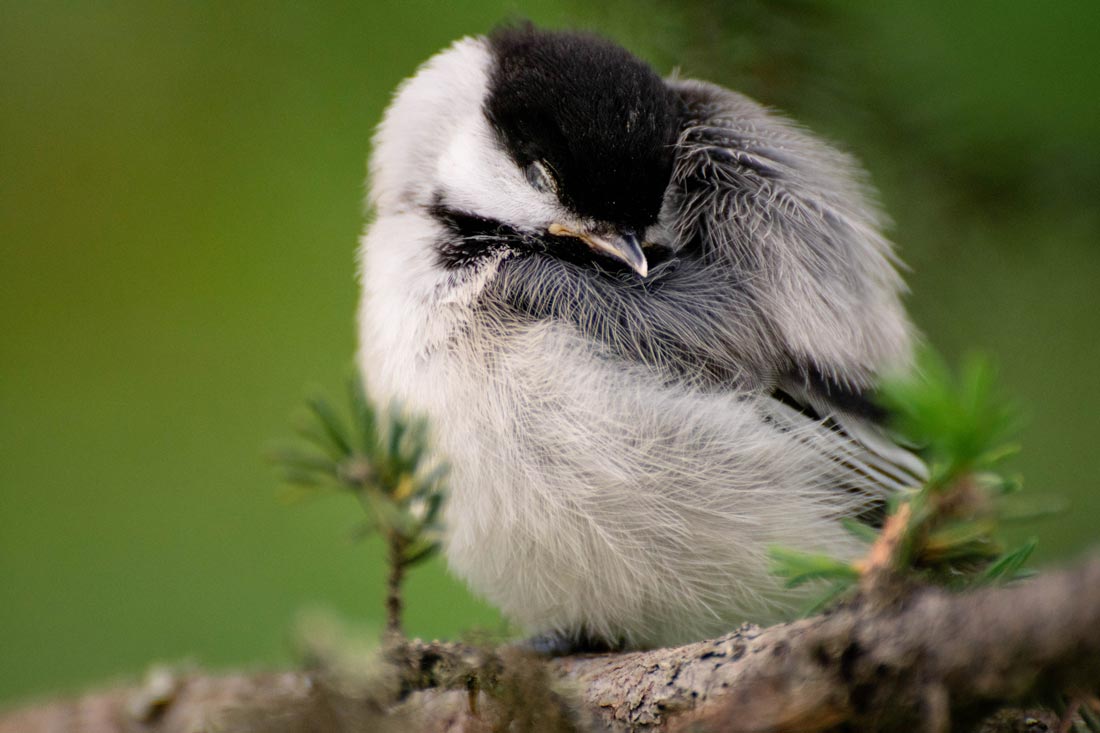
Credit: www.lyricbirdfood.com
Interesting Facts
Cardinals are fascinating birds known for their bright red color. But have you ever wondered where they sleep? This blog section dives into some interesting facts about their sleep habits.
Sleep Patterns
Cardinals are diurnal, meaning they are active during the day. They sleep at night. They usually sleep in dense shrubs or trees. These spots offer protection from predators.
Cardinals prefer to sleep in the same spot each night. This helps them stay safe. They may roost alone or in small groups. Their sleep patterns can change with the seasons.
Adaptability
Cardinals are adaptable birds. They can sleep in various environments. Urban areas, forests, and gardens are all suitable for them. They choose places that offer good cover and safety.
In winter, cardinals fluff up their feathers. This helps them stay warm. They may also sleep in evergreen trees. These trees provide better shelter from the cold wind.
Cardinals are resourceful. They will find the best spots to sleep. This adaptability helps them survive in different conditions.
| Sleep Environment | Characteristics |
|---|---|
| Dense Shrubs | Protection from predators |
| Evergreen Trees | Better shelter in winter |
| Urban Areas | Adaptable to human presence |
Understanding where cardinals sleep helps us appreciate these beautiful birds more. Their sleep habits are as intriguing as their vibrant color.
Frequently Asked Questions
Do Birds Sleep In The Same Place Every Night?
Birds don’t always sleep in the same place every night. They often change locations to avoid predators and find food.
What Does A Cardinal Nest Look Like?
A cardinal nest typically consists of twigs, leaves, and grasses. It is usually cup-shaped and well-hidden in dense shrubs or trees. The nest often sits 3-10 feet above the ground.
Where Do Adult Cardinals Sleep?
Adult cardinals sleep in dense shrubs, trees, or thick vegetation. They prefer secure, hidden spots to stay safe from predators.
Do Cardinals Come Out At Night?
Cardinals are diurnal birds, meaning they are active during the day. They do not come out at night.
Conclusion
Cardinals find safety and comfort in dense shrubs and trees. These natural shelters protect them from predators. Observing their sleeping habits reveals their adaptability and resilience. By understanding where cardinals sleep, we can better appreciate these beautiful birds. Encourage a habitat that supports their needs for a thriving bird population.