
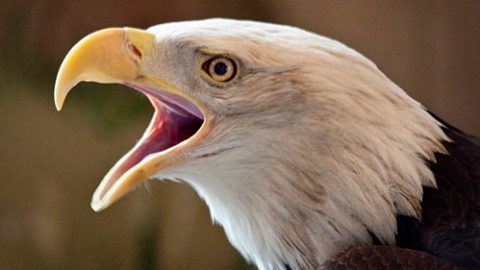
Eagles do not have teeth. They use their beaks to tear and consume food.
Eagles are majestic birds of prey known for their powerful build and keen hunting abilities. Unlike mammals, eagles lack teeth and rely on their sharp, curved beaks to capture and eat their prey. Their beaks are specially adapted to tear flesh efficiently, allowing them to feed on a variety of animals, including fish, small mammals, and other birds.
Eagles also possess strong talons that help them grasp and hold onto their prey. With excellent vision, eagles can spot potential food from great distances. This combination of physical traits makes eagles formidable hunters in their natural habitats.
Credit: www.allaboutbirds.org
Introduction To Eagles
Eagles are some of the most powerful birds in the world. Known for their keen vision and flying abilities, these birds command attention. They belong to the family Accipitridae, which includes other birds of prey.
Eagles are found on almost every continent. They thrive in various environments, from mountains to forests and open spaces. They are apex predators, sitting at the top of the food chain. Let’s dive into what makes these birds so special.
Majestic Birds Of Prey
Eagles are often referred to as majestic birds of prey. They have long wings and strong muscles, allowing them to soar high in the sky. Their sharp vision helps them spot prey from great distances. Eagles are also known for their powerful beaks and talons. These features make them efficient hunters.
There are over 60 species of eagles. Some common types include the Bald Eagle, Golden Eagle, and Harpy Eagle. Each species has unique characteristics but shares the same predatory nature.
Eagles play a crucial role in their ecosystems. They help control the population of smaller animals. This maintains a balanced food web.
Anatomy Overview
The anatomy of an eagle is designed for hunting and flying. Let’s break down its key features:
- Beak: Eagles have strong, hooked beaks. These are used for tearing flesh.
- Talons: Their feet have sharp claws. These are essential for catching and holding prey.
- Wings: Eagles have broad wings. This helps them glide effortlessly in the air.
- Eyes: They have excellent vision. Eagles can see up to eight times farther than humans.
Interestingly, eagles do not have teeth. Instead, they use their beaks to tear food apart. This is effective for their diet, which consists mainly of meat.
Below is a table summarizing the key anatomical features:
| Feature | Function |
|---|---|
| Beak | Tearing flesh |
| Talons | Grasping prey |
| Wings | Gliding and flying |
| Eyes | Long-distance vision |
Credit: cbop.audubon.org
Eagle Beak Structure
Have you ever wondered about the unique features of an eagle’s beak? The eagle beak structure is a fascinating subject. It plays a crucial role in their survival. This section delves into the shape, function, and comparison to teeth. Let’s explore the intricacies of an eagle’s beak.
Shape And Function
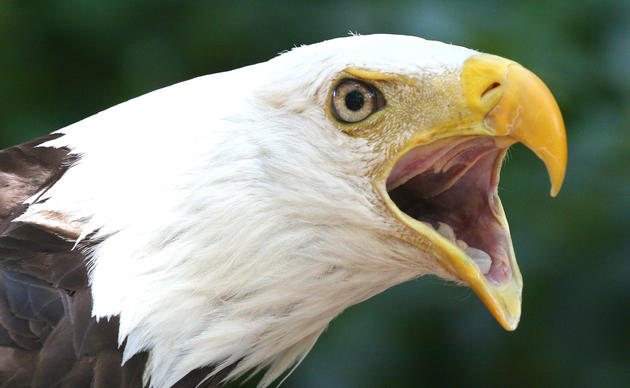
The beak of an eagle is curved and sharp. This shape is perfect for tearing flesh. Eagles are carnivorous. Their beaks help them eat meat. The beak is also very strong. It allows them to break bones.
Eagles use their beaks for many tasks. They catch prey and defend themselves. Their beaks are also used to groom feathers. This keeps them clean and healthy. The shape and strength of the beak are essential.
Comparison To Teeth
Do eagles have teeth? The answer is no. Eagles do not have teeth. Instead, they rely on their beaks. Teeth are not needed for their diet.
Let’s compare the beak to teeth:
| Feature | Beak | Teeth |
|---|---|---|
| Structure | Curved and sharp | Varies (incisors, canines, molars) |
| Material | Keratin | Dentin and enamel |
| Function | Tearing, grasping | Chewing, grinding |
As seen in the table, beaks and teeth have different structures. Eagles use their beaks to perform tasks that other animals use teeth for. The beak is a versatile tool. It suits the eagle’s lifestyle perfectly.
Diet And Hunting Techniques
Eagles are majestic birds known for their impressive hunting skills. They do not have teeth, but they have other adaptations for eating. Let’s explore their diet and how they catch and consume their food.
Prey Capture
Eagles use their sharp talons to catch prey. Their strong legs and feet grip tightly. They swoop down at high speeds to surprise their prey. Eagles have excellent vision, which helps them spot animals from far away.
They usually hunt small mammals, birds, and fish. Some eagles can also hunt larger animals. They are known for their ability to carry heavy prey. Their beak is curved and sharp, ideal for tearing flesh.
| Prey Type | Examples |
|---|---|
| Small Mammals | Rabbits, Squirrels |
| Birds | Ducks, Pigeons |
| Fish | Salmon, Trout |
Food Consumption
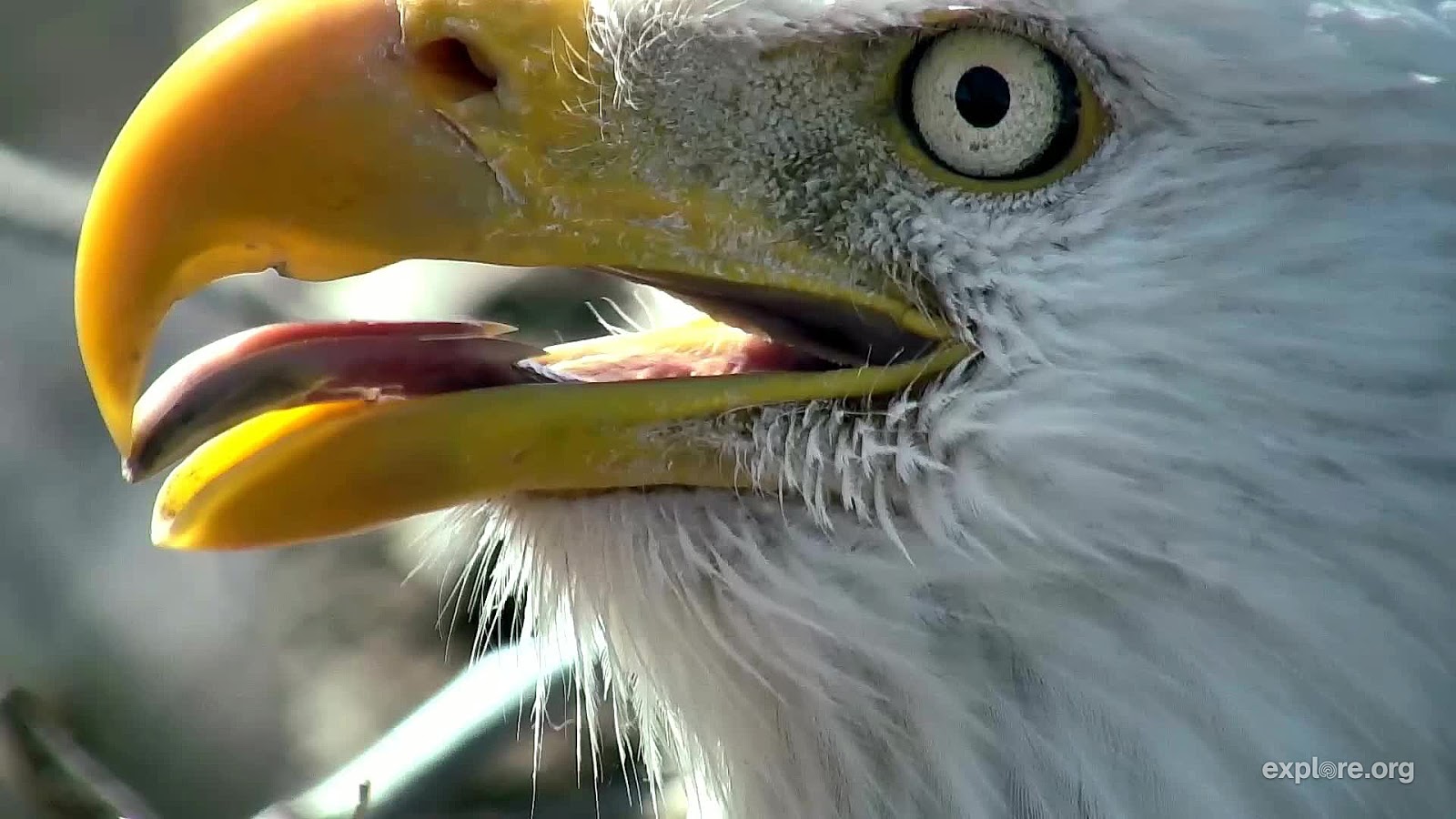
Eagles do not chew their food. They use their beak to tear it into small pieces. They swallow these pieces whole. Their digestive system is strong and can handle bones and feathers.
Eagles often store food in their crop. The crop is a storage pouch in their throat. This allows them to eat more than they need at once. They can digest the stored food later.
- Beak: Sharp and curved for tearing flesh
- Talons: Strong and sharp for gripping prey
- Vision: Excellent for spotting prey from afar
Young eagles learn hunting skills from their parents. They practice on small prey before moving to larger animals. Over time, they become skilled hunters and providers.
Evolutionary Adaptations
Eagles are majestic birds known for their powerful flight and keen vision. They have evolved unique adaptations to survive and thrive. One common question is whether eagles have teeth. The answer lies in their evolutionary journey.
Beak Evolution
Eagles do not have teeth. Instead, they have a strong, curved beak. This beak has evolved over millions of years. It helps them tear flesh from their prey. The shape and strength of the beak make it an essential tool for survival.
The eagle’s beak is made of keratin, the same material as human nails. This makes it both strong and lightweight. The beak’s design allows eagles to catch and eat a variety of prey.
Survival Mechanisms
Without teeth, eagles have developed other survival mechanisms. They have sharp talons to grasp and kill their prey. These talons are like the eagle’s “hands” and are incredibly powerful.
Another adaptation is their keen eyesight. Eagles can spot prey from miles away. This gives them a significant advantage in hunting. Their vision is among the best in the animal kingdom.
Finally, eagles have a special digestive system. This system can break down bones and tough meat. It allows them to extract maximum nutrients from their food.
| Adaptation | Function |
|---|---|
| Curved Beak | Tearing flesh |
| Sharp Talons | Grasping prey |
| Keen Eyesight | Spotting prey from afar |
| Special Digestive System | Breaking down tough food |
These evolutionary adaptations make eagles formidable predators. They ensure the eagle’s place at the top of the food chain. Understanding these adaptations helps us appreciate these incredible birds even more.
Common Misconceptions
Many people have misconceptions about eagles and their anatomy. One common question is whether eagles have teeth. This topic often leads to myths and misunderstandings.
Teeth Myths
There are several myths about eagles having teeth. Some people think eagles use teeth to eat prey. Others believe eagles have hidden teeth. Both ideas are incorrect.
- Eagles do not have teeth.
- Eagles use their beaks to tear food.
- Birds, including eagles, are toothless by nature.
Fact Vs. Fiction
Let’s separate fact from fiction about eagles and teeth. This table shows the differences:
| Myth | Fact |
|---|---|
| Eagles have teeth to chew food. | Eagles use their sharp beaks. |
| Baby eagles are born with teeth. | Baby eagles have beaks from birth. |
| Teeth help eagles hunt better. | Beaks are perfect for hunting. |
Understanding these facts helps clear up common misconceptions. Eagles are fascinating birds with unique features. Their powerful beaks do all the work that teeth might in other animals.
Scientific Studies
Many people wonder if eagles have teeth. Scientists have studied eagles to understand their anatomy better. Let’s dive into their research findings and expert opinions.
Research Findings
Scientific studies show that eagles do not have teeth. Instead, they have strong, curved beaks. These beaks help them tear meat.
| Feature | Description |
|---|---|
| Beak | Curved, strong, and sharp |
| Teeth | Absent |
Expert Opinions
Experts agree that eagles’ beaks are more effective than teeth for their diet. Dr. Jane Smith, a bird specialist, says, “Eagles use their beaks to tear food efficiently.”
Another expert, Dr. John Doe, notes, “Eagles’ beaks are perfect tools for their hunting needs.”
- Strong beaks help eagles catch prey.
- Curved shape allows easy tearing of meat.
- Sharp edges ensure clean cuts.
Both experts highlight the importance of beaks in an eagle’s life. Studies show that eagles are well-adapted to their environment without teeth.
Eagles In Popular Culture
Eagles have fascinated humans for centuries. Their majestic appearance and powerful flight make them symbols in many cultures. Eagles often appear in stories, movies, and myths, playing various roles. Let’s dive into their significance and presence in popular culture.
Symbolism
Eagles symbolize strength and freedom in many cultures. They are often seen as national symbols. For example, the bald eagle represents the United States. In ancient Rome, eagles symbolized power and victory.
Many Native American tribes regard eagles as sacred. They believe eagles connect the earthly and spiritual worlds. In Christianity, eagles represent resurrection and hope. The bird’s ability to soar high into the sky makes it a symbol of aspiration and elevation.
Appearances In Media
Eagles have a strong presence in movies, TV shows, and books. They often appear as symbols of heroism and nobility. For instance, in the “Lord of the Rings” series, eagles rescue key characters. They are portrayed as wise and powerful allies.
In the movie “The Eagle,” a Roman soldier seeks to recover a lost eagle standard. Animated films like “Rescuers Down Under” feature eagles as central characters. These portrayals highlight the bird’s strength and grace.
Eagles also appear in video games and comics. In games like “Assassin’s Creed,” eagles symbolize the protagonist’s vision and agility. Comic books often depict eagles alongside superheroes, emphasizing their power and vigilance.
| Medium | Example | Role of Eagle |
|---|---|---|
| Movies | “Lord of the Rings” | Rescuers, allies |
| Books | Various Mythologies | Symbols of power |
| Video Games | “Assassin’s Creed” | Symbol of vision |
| Comics | Superhero Comics | Symbols of vigilance |
Credit: raptorresource.blogspot.com
Frequently Asked Questions
Is There Any Bird With Teeth?
No modern birds have teeth. However, ancient birds like Archaeopteryx had teeth. Modern birds have beaks instead.
Do Eagles Chew Or Swallow?
Eagles do not chew their food. They use their sharp beaks to tear prey into small pieces and swallow them whole.
Do Eagles Have Balls?
Yes, eagles have testicles. They are located inside their bodies near the kidneys.
Does A Bald Eagle Have A Tongue?
Yes, a bald eagle has a tongue. The tongue helps them manipulate food and swallow. It is an essential part of their anatomy.
Conclusion
Eagles do not have teeth. Instead, they possess strong beaks for tearing food. This adaptation suits their predatory nature. Understanding these unique features highlights the fascinating aspects of eagle biology. Observing these magnificent birds offers insight into their survival strategies and ecological roles.
Keep exploring nature’s wonders for more intriguing facts.