

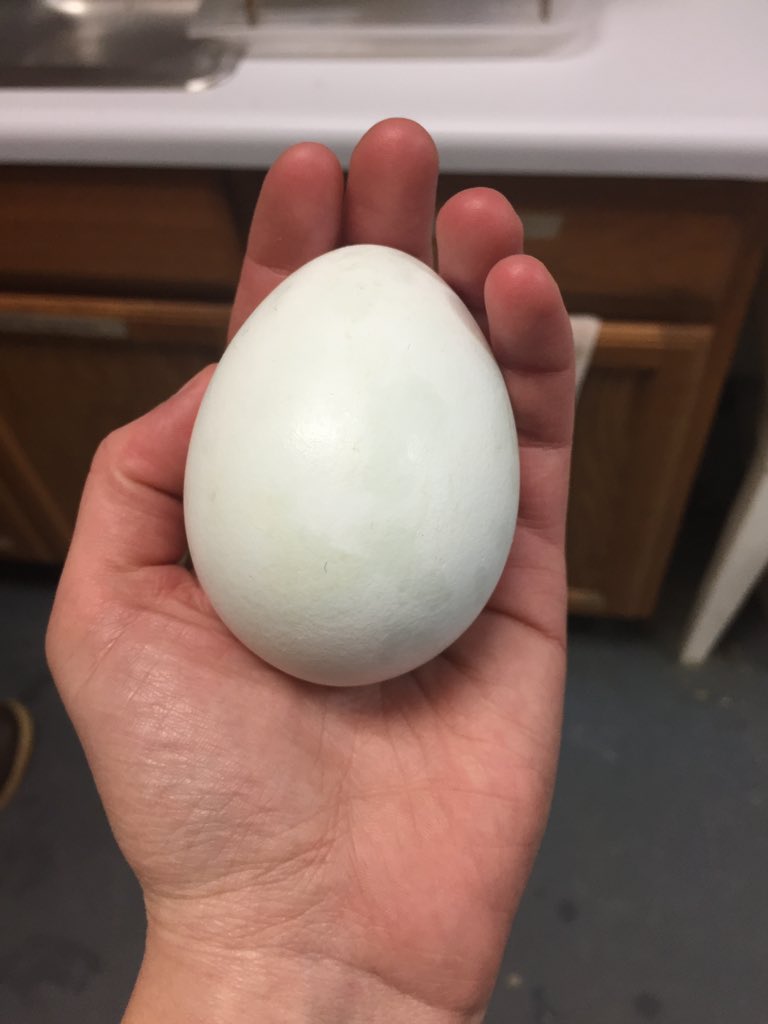
Eagle eggs typically measure around 2.5 to 3 inches in length and weigh about 4 to 5 ounces. They are oval-shaped and have a white or light beige color.
Eagles are majestic birds of prey known for their keen eyesight and powerful flight. Their eggs are a crucial part of their life cycle, representing new beginnings and the continuity of their species. Eagle eggs are surprisingly large, given the bird’s size, and are well-protected by the parents.
These eggs are laid in nests called eyries, often located high in trees or on cliffs. Eagle parents take turns incubating the eggs, ensuring they remain warm and safe from predators. Understanding the size and characteristics of eagle eggs offers insight into the fascinating world of these magnificent birds.
Eagle Species And Their Eggs
Eagles are majestic birds with impressive characteristics. One of their most fascinating features is their eggs. Eagle eggs vary in size and appearance depending on the species. Let’s dive into the details of different eagle species and their eggs.
Variety Of Eagle Species
There are many eagle species around the world. Each species has unique traits and egg sizes. Here are a few well-known species:
- Bald Eagle: Found in North America. They are known for their white heads.
- Golden Eagle: Found in the Northern Hemisphere. They are known for their golden-brown feathers.
- Harpy Eagle: Found in Central and South America. They are known for their large size and strength.
- Steller’s Sea Eagle: Found in coastal regions of Eastern Russia. They are one of the largest eagles.
Egg Size Comparison
Eagle eggs vary greatly in size. Let’s compare the egg sizes of different eagle species:
| Eagle Species | Average Egg Size (cm) | Average Egg Weight (g) |
|---|---|---|
| Bald Eagle | 7.0 – 7.6 cm | 115 – 130 g |
| Golden Eagle | 7.5 – 8.3 cm | 130 – 160 g |
| Harpy Eagle | 8.0 – 9.0 cm | 140 – 160 g |
| Steller’s Sea Eagle | 8.5 – 9.5 cm | 160 – 190 g |
Bald eagle eggs are smaller compared to other species. Golden eagle eggs are slightly larger. Harpy eagle eggs are known for their robustness. Steller’s sea eagle eggs are the largest among these species.
Understanding the egg sizes helps in studying eagle breeding and conservation. Eagles are important to our ecosystem, so protecting them is crucial.

Credit: boneclones.com
Physical Characteristics Of Eagle Eggs
Eagle eggs are fascinating marvels of nature. They exhibit unique physical characteristics that set them apart. In this section, we will explore their dimensions, weight, shell texture, and color.
Dimensions And Weight
Eagle eggs are quite large compared to other bird eggs. The average length of an eagle egg ranges from 2.5 to 3 inches. The width of these eggs is about 2 to 2.5 inches. Eagle eggs are also quite heavy. They can weigh between 4 to 5 ounces. This weight helps protect the developing chick inside.
| Dimension | Measurement |
|---|---|
| Length | 2.5 to 3 inches |
| Width | 2 to 2.5 inches |
| Weight | 4 to 5 ounces |
Shell Texture And Color
The shell of an eagle egg is strong and thick. This texture ensures the egg is well-protected. The shell also has a slightly rough surface. This roughness provides extra grip for the parent eagles during incubation.
Eagle eggs are usually a dull white or off-white color. Sometimes, they have brown speckles. These speckles are more common in certain eagle species.
- Strong and thick shell
- Slightly rough surface
- Dull white or off-white color
- Occasional brown speckles
Nesting Habits Of Eagles
Eagles are magnificent birds known for their impressive size and strength. Their nesting habits are equally fascinating. Eagles build large nests to support their big eggs. Let’s explore their preferred nesting sites and how they construct their nests.
Preferred Nesting Sites
Eagles choose high, secluded spots for their nests. They prefer tall trees or cliff edges. These locations offer safety from predators. The high vantage point also provides a good view. Eagles can easily spot prey from these heights. They often return to the same nesting site year after year.
Nest Construction
Eagle nests are called eyries. These nests are huge and sturdy. Eagles use sticks, grass, and moss to build them. The nest is lined with softer materials for comfort. Eagles keep adding to their nests, making them larger over time.
| Material | Purpose |
|---|---|
| Sticks | Structure |
| Grass | Padding |
| Moss | Insulation |
| Soft materials | Comfort |
An eagle’s nest can weigh up to a ton. It is strong enough to hold the eagle eggs safely. These eggs are usually about 3 inches long and 2 inches wide. The large size of the nest ensures the eggs are well-protected.
Egg Development And Incubation
The journey of an eagle egg from being laid to hatching is fascinating. Eagle eggs are larger than most bird eggs. They require careful incubation for a successful hatch. Eagle parents play crucial roles in this period.
Incubation Period
The incubation period for eagle eggs lasts around 35 days. During this time, the eggs need constant warmth. The temperature must stay around 105 degrees Fahrenheit.
Both parents share the duty of keeping the eggs warm. One sits on the eggs while the other searches for food. This teamwork helps ensure the eggs are always protected.
Role Of Both Parents
Both eagle parents are involved in the incubation process. The female eagle usually spends more time on the eggs. She sits on the nest to keep the eggs warm.
The male eagle’s role is equally important. He hunts for food and occasionally takes over incubation duties. This allows the female to stretch and feed.
During incubation, both parents carefully turn the eggs. This ensures even warmth and prevents the embryos from sticking to the shell. They also keep the nest clean and free of debris.
The cooperation between both parents is vital for the successful hatching of eagle eggs.
Factors Influencing Egg Size
Understanding the factors influencing egg size can be fascinating. Eagle eggs, like those of other birds, vary in size. Various elements play a role in this variation. Let’s explore these factors.
Genetics And Species
The size of an eagle egg is greatly influenced by its genetics. Different species of eagles lay different sized eggs. For instance, the Bald Eagle lays eggs that are about 2.75 inches long and 2.1 inches wide. On the other hand, the Golden Eagle lays slightly larger eggs, around 3 inches long and 2.2 inches wide.
Below is a table showcasing egg sizes of various eagle species:
| Species | Egg Length (inches) | Egg Width (inches) |
|---|---|---|
| Bald Eagle | 2.75 | 2.1 |
| Golden Eagle | 3 | 2.2 |
| Harpy Eagle | 3.1 | 2.3 |
Environmental Conditions
Environmental conditions also impact the size of eagle eggs. Eggs laid in colder climates tend to be larger. This helps the egg retain heat better. Conversely, eggs in warmer climates are often smaller.
Diet and nutrition play a significant role too. Eagles with access to abundant food resources lay healthier, larger eggs. Pollution and habitat disturbances can negatively affect egg size.
- Climate: Cold climates result in larger eggs.
- Diet: Better nutrition leads to larger, healthier eggs.
- Pollution: Negatively impacts egg size and health.

Credit: www.pinterest.com
Comparison With Other Bird Eggs
Understanding the size of eagle eggs becomes clearer when compared to other bird eggs. Eagles are large birds, and their eggs reflect this. Let’s explore how eagle eggs stack up against eggs from other birds of prey and common birds.
Birds Of Prey
Birds of prey, also known as raptors, have varying egg sizes. Eagle eggs are among the largest.
| Bird | Average Egg Size |
|---|---|
| Eagle | 2.75 to 3 inches |
| Hawk | 2 to 2.5 inches |
| Falcon | 1.5 to 2 inches |
| Owl | 1.5 to 2 inches |
Eagle eggs are larger than those of hawks and falcons. Owls have smaller eggs compared to eagles. This size difference helps eagles nurture bigger chicks.
Common Birds
When compared to common birds, eagle eggs seem massive. Let’s look at some common birds and their egg sizes:
- Chicken: 1.5 to 2 inches
- Duck: 2 to 2.5 inches
- Pigeon: 1 to 1.5 inches
- Sparrow: 0.5 to 0.75 inches
Common bird eggs are generally much smaller. Even duck eggs, which are fairly large, do not match the size of eagle eggs. The difference is striking when considering tiny sparrow eggs.
The size of eagle eggs highlights their unique place in the bird world. They need large eggs to hatch strong, healthy chicks.
Challenges Eagles Face
Eagles, majestic birds, face numerous challenges in the wild. These challenges affect their survival and reproduction. Understanding these challenges is crucial for their conservation.
Predation And Survival Rates
Eagle eggs are vulnerable to many predators. Raccoons, crows, and other birds often target eagle nests. This predation significantly reduces the survival rates of eagle eggs.
Young eagles, or eaglets, also face threats from larger birds. These threats include hawks and owls. Such predation impacts the overall eagle population.
Studies show that only a small percentage of eagle eggs survive. Environmental factors like harsh weather also play a role. Strong winds and heavy rains can destroy nests.
| Predator | Impact on Eggs |
|---|---|
| Raccoons | High |
| Crows | Moderate |
| Hawks | High |
Human Impact
Human activities significantly impact eagle populations. Deforestation destroys their natural habitats. This makes it hard for eagles to find safe nesting sites.
Pollution is another major issue. Chemicals in water sources can harm eagle eggs. Contaminated fish, which eagles eat, can carry these chemicals.
Climate change also poses a threat. Rising temperatures can affect the availability of prey. This makes it challenging for eagles to feed their young.
- Deforestation
- Pollution
- Climate change
Conservation efforts are essential to protect these majestic birds. Public awareness and stricter laws can help reduce human impact. Preserving eagle populations requires collective effort.
Conservation Efforts
Conservation efforts are crucial for protecting eagles and their eggs. Eagle eggs are large and vulnerable. These efforts ensure the safety and survival of eagle populations.
Protecting Eagle Habitats
Protecting eagle habitats is vital. Eagles need large areas to live and hunt. Human activities often disturb these areas. We must limit these activities to protect the eagles.
- Limit deforestation in eagle territories.
- Reduce pollution in water bodies.
- Implement strict wildlife protection laws.
Breeding Programs
Breeding programs help increase eagle populations. These programs focus on breeding eagles in safe environments. They then release them into the wild.
- Identify breeding pairs of eagles.
- Create safe and controlled environments for breeding.
- Monitor the health of eagle eggs and chicks.
- Release young eagles into protected areas.
These efforts ensure that eagle populations grow. Eagles will then continue to thrive in their natural habitats.
Credit: twitter.com
Frequently Asked Questions
What Is The Size Of An Eagle Egg?
An eagle egg typically measures about 2. 5 to 3 inches in length and 2 to 2. 5 inches in width.
How Do You Identify An Eagle Egg?
Identify an eagle egg by its size, usually 2. 5-3 inches long, with a white or off-white color.
Is An Eagle Egg Bigger Than A Chicken Egg?
Yes, an eagle egg is bigger than a chicken egg. Eagle eggs are around 2. 5 inches long, while chicken eggs are about 1. 5 inches. Eagle eggs also weigh more, typically around 4-5 ounces compared to a chicken egg’s 2 ounces.
What Month Do Eagles Lay Eggs?
Eagles typically lay eggs between February and April. This period can vary depending on the species and location.
Conclusion
Understanding the size of eagle eggs offers fascinating insights into these majestic birds. Eagle eggs vary from 2. 5 to 3 inches. Knowing these details helps appreciate their unique characteristics. This knowledge enhances our respect and admiration for eagles. Keep exploring more about wildlife to deepen your connection with nature.