

Eagles can fly at altitudes up to 10,000 feet. Some species, like the Golden Eagle, soar even higher.
Eagles are majestic birds known for their powerful flight and keen vision. They belong to the Accipitridae family and are found worldwide. These raptors are capable of flying at impressive altitudes, making them formidable hunters. Their ability to soar high allows them to spot prey from great distances.
Eagles have large, strong wings and a streamlined body, aiding in their high-altitude flight. Their remarkable flying capabilities have fascinated humans for centuries. Understanding the heights eagles can achieve provides insight into their survival and hunting strategies. These birds symbolize freedom and strength, captivating bird watchers and researchers alike.
Eagle Species And Their Flight Abilities
Eagles are majestic birds known for their incredible flight abilities. They can soar to great heights, displaying impressive strength and agility. Different eagle species have unique flight characteristics.
Different Eagle Types
There are many types of eagles around the world. Some of the most notable species include:
- Bald Eagle
- Golden Eagle
- Harpy Eagle
- Steller’s Sea Eagle
Each type of eagle has unique features that set them apart. Let’s explore their flight abilities in detail.
Flight Characteristics
Eagles have powerful wings that allow them to soar high. Their wingspans vary by species, impacting their flight style.
| Eagle Species | Wingspan | Flight Height |
|---|---|---|
| Bald Eagle | 6 to 7.5 feet | Up to 10,000 feet |
| Golden Eagle | 6 to 7.5 feet | Up to 13,000 feet |
| Harpy Eagle | 6 to 7 feet | Up to 10,000 feet |
| Steller’s Sea Eagle | 7 to 8 feet | Up to 7,000 feet |
Bald Eagles are known for their broad wings and strong flight. Golden Eagles can soar higher due to their lighter bodies. Harpy Eagles have shorter wings but powerful muscles. Steller’s Sea Eagles have wide wings for gliding over water.
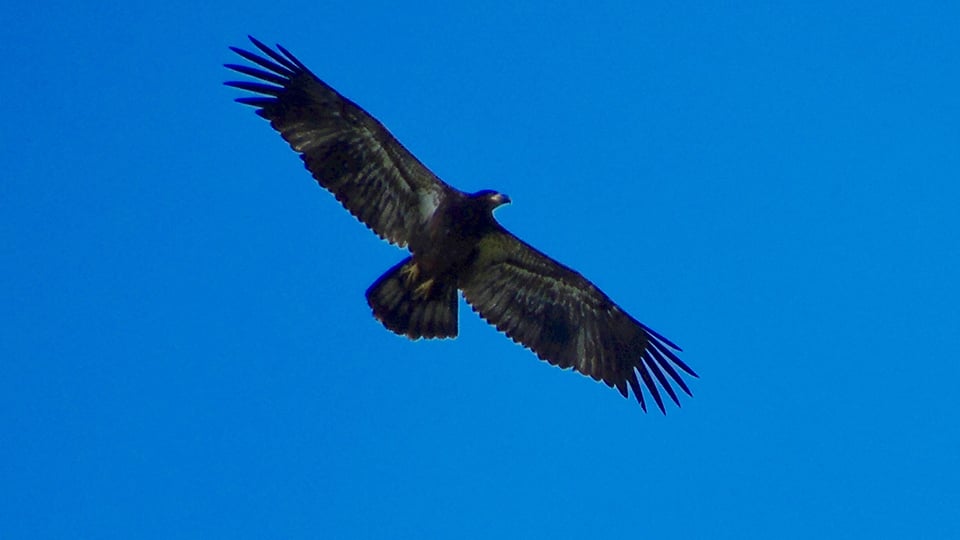
Each eagle’s flight ability is a marvel of nature. They use thermal currents to rise and glide with minimal effort. Their keen eyesight helps them spot prey from high above.
Credit: www.raptorresource.org
Anatomy Of An Eagle’s Flight
The eagle is a majestic bird known for its incredible flight capabilities. Understanding the anatomy of an eagle’s flight can help us appreciate how high and far these birds can soar. Let’s dive into the key factors that enable their remarkable flight.
Wing Structure
An eagle’s wings are specially designed for high-altitude flights. They have broad wings with strong, stiff feathers. These feathers help them glide effortlessly.
- Primary Feathers: These feathers provide lift and thrust.
- Secondary Feathers: These feathers maintain stability during flight.
The wings are also equipped with a unique bone structure. This structure allows them to lock their wings in place. This locking mechanism helps them soar without much effort.
Muscle Strength
Eagles possess strong flight muscles. These muscles are primarily located in their chest.
| Muscle | Function |
|---|---|
| Pectoralis Major | Responsible for the downstroke of the wings. |
| Supracoracoideus | Handles the upstroke of the wings. |
Strong chest muscles enable powerful wing beats. This strength allows eagles to climb to great heights quickly.
In summary, the eagle’s wing structure and muscle strength are crucial. These factors enable their high-altitude flights. Understanding these elements can deepen our appreciation for these magnificent birds.
Altitude Records Of Eagles
Eagles are majestic birds known for their incredible flying abilities. One of the most fascinating aspects of these raptors is how high they can fly. These birds soar to great heights, often out of sight. Let’s explore some of the highest altitude records of eagles.
Highest Recorded Flights
The highest recorded flight of an eagle took place at 37,000 feet. This remarkable feat was achieved by a Rüppell’s Griffon Vulture. This eagle collided with a commercial airplane at this altitude. Most eagles fly at lower altitudes, but this record shows their potential.
| Species | Recorded Altitude |
|---|---|
| Rüppell’s Griffon Vulture | 37,000 feet |
| Bald Eagle | 10,000 feet |
| Golden Eagle | 15,000 feet |
Comparative Analysis
Comparing different eagle species, the Rüppell’s Griffon Vulture holds the highest record. The Bald Eagle typically flies around 10,000 feet. The Golden Eagle reaches up to 15,000 feet. These altitudes vary based on the species and their environment.
- Rüppell’s Griffon Vulture: 37,000 feet
- Bald Eagle: 10,000 feet
- Golden Eagle: 15,000 feet
Each eagle species has unique flying capabilities. Their flying heights depend on their physical traits and habitats.
Environmental Factors Affecting Flight
Eagles are magnificent birds, known for their ability to soar at great heights. But, their flight capabilities are influenced by various environmental factors. These factors determine how high an eagle can fly.
Weather Conditions
Weather plays a crucial role in an eagle’s flight. Different weather conditions can either aid or hinder their flight.
- Wind: Eagles use wind currents to glide effortlessly. Strong winds can help them reach higher altitudes.
- Temperature: Warmer air creates thermals. Eagles ride these thermals to gain height without flapping their wings.
- Rain: Rain can make it difficult for eagles to fly. Wet feathers are heavier and reduce lift.
Geographical Impact
The geography of an area also impacts how high an eagle can fly.
- Mountain Ranges: Eagles found in mountainous regions often fly higher. They take advantage of updrafts created by mountains.
- Plains: Eagles in plains may not fly as high. The lack of vertical structures means fewer updrafts.
- Coastal Areas: Coastal winds and sea thermals can help eagles reach significant heights. These areas provide stable air currents.
Understanding these environmental factors helps us appreciate the incredible adaptability of eagles. Their ability to fly high is not just about their physical strength, but also about how they use their environment.
Eagle Migration Patterns
Eagles are known for their incredible migration journeys. They soar across vast distances, navigating through diverse terrains and weather conditions. Understanding their migration patterns can give us insights into their behavior and survival strategies.
Seasonal Movements
Eagles migrate with the changing seasons. During winter, many eagles fly to warmer regions. This helps them find food and avoid harsh weather. In summer, they return to their breeding grounds. These areas provide optimal conditions for raising their young.
Some eagles stay in one place year-round. These resident eagles live in areas with mild climates. They do not need to migrate to find food or shelter. This behavior depends on the species and their habitat.
| Season | Migration Destination |
|---|---|
| Winter | Warmer Regions |
| Summer | Breeding Grounds |
Long-distance Flights
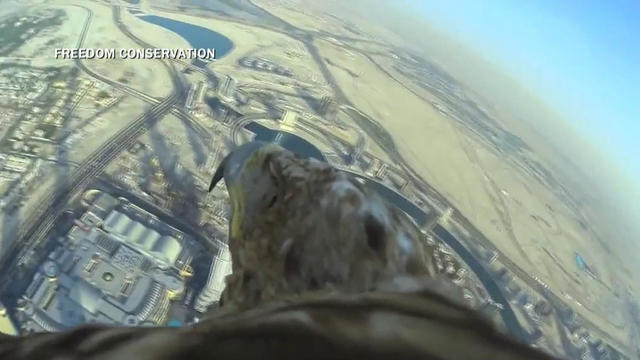
Some eagles undertake long-distance flights during their migrations. They can travel thousands of miles. These journeys require endurance and strength. Eagles use thermal currents to glide and conserve energy. This helps them cover long distances without much effort.
For example, the Steppe Eagle migrates from Central Asia to Africa. This trip covers over 5,000 miles. Such migrations are vital for their survival and reproduction.
- Use thermal currents to glide
- Travel thousands of miles
- Migrate for food and breeding
The ability to fly high and far is crucial for eagles. It ensures they can find food and suitable habitats. This remarkable adaptation showcases their resilience and strength.
Credit: www.cbsnews.com
Hunting Techniques And Flight
Understanding the hunting techniques and flight of eagles offers a glimpse into their majestic capabilities. Eagles are apex predators and their flight skills are crucial for hunting. Their techniques are a blend of speed, precision, and aerial dominance.
Aerial Hunting
Eagles use their powerful wings to soar high above the ground. They can spot prey from great heights. This height advantage allows them to plan their attack. Their sharp eyesight is critical for spotting prey.
Their flight can be silent, ensuring they surprise their targets. They often glide on thermal currents. This helps them conserve energy while staying airborne for long periods.
Speed And Precision
Eagles can dive at incredible speeds. They can reach up to 100 miles per hour. Their talons are powerful and precise, ensuring a successful catch. The speed of their dive is matched by their accuracy.
They use their talons to snatch prey with great force. This combination of speed and precision makes them efficient hunters. Their technique is a blend of skill and instinct.
| Aspect | Details |
|---|---|
| Speed | Up to 100 mph in a dive |
| Eyesight | Can spot prey from 2 miles away |
| Talons | Strong and sharp for precise capture |
Human Interaction And Eagle Flight
Eagles are magnificent birds. They can fly very high. But human activities affect their flight. Eagles face challenges due to humans. Let’s explore how.
Conservation Efforts
People work hard to protect eagles. These efforts help eagles fly safely. Conservation groups create safe habitats. They protect eagle nests from harm. They also educate the public about eagles.
Here are some key conservation actions:
- Protected Areas: Creating safe zones for eagles.
- Breeding Programs: Helping eagles reproduce.
- Research: Studying eagles to understand their needs.
These efforts increase eagle populations. More eagles can soar high in the sky.
Impact Of Urbanization
Urbanization affects eagle flight. Cities expand into eagle habitats. Tall buildings and pollution create challenges. Eagles struggle to find food and safe nesting sites.
Here is a table showing urbanization impacts:
| Impact | Description |
|---|---|
| Loss of Habitat | Eagles lose their natural homes. |
| Pollution | Air and water pollution harm eagles. |
| Collisions | Eagles hit tall buildings and power lines. |
Urban planners can help. They can create green spaces. These spaces provide safe areas for eagles. Reducing pollution also helps eagles fly high.
Myths And Facts About Eagle Flight
Many people are curious about the flying abilities of eagles. There are myths and facts about how high eagles can soar. Let’s dive into the common misconceptions and scientific findings.
Common Misconceptions
There are several myths about eagle flight:
- Some believe eagles can fly to the moon.
- Others think eagles never rest when flying.
- Many think eagles can fly higher than any other bird.
These myths are not true. Eagles have amazing abilities, but they also have limits.
Scientific Findings
Scientists have studied eagle flight extensively. The highest recorded flight of an eagle was by a Rüppell’s griffon vulture. It flew at an altitude of 37,000 feet.
Studies show that most eagles fly between 10,000 to 20,000 feet. This is still very high. Eagles use thermal currents to reach such heights.
| Bird Species | Max Altitude (feet) |
|---|---|
| Rüppell’s Griffon Vulture | 37,000 |
| Bald Eagle | 10,000 |
| Golden Eagle | 20,000 |
Eagles are built for high-altitude flight. Their strong wings and keen eyesight help them navigate the skies.
Credit: www.quora.com
Frequently Asked Questions
What Is The Highest Altitude An Eagle Can Fly?
Eagles can soar up to 10,000 to 20,000 feet in altitude. They use thermal updrafts to reach these heights.
Can An Eagle Fly Higher Than A Plane?
Eagles can fly up to 10,000 feet. Commercial planes typically fly between 30,000 and 40,000 feet. So, eagles cannot fly higher than planes.
Can An Eagle Fly Above Clouds?
Yes, eagles can fly above clouds. They soar at altitudes up to 10,000 feet, sometimes higher.
How Can An Eagle Fly So High?
Eagles fly high due to their powerful wings and strong muscles. They utilize thermal currents to soar effortlessly. Their keen eyesight helps them navigate at high altitudes.
Conclusion
Eagles are truly remarkable creatures with impressive flying capabilities. They can soar to great heights, often reaching 10,000 feet or more. Understanding their flight patterns enhances our appreciation for these majestic birds. By studying eagles, we gain insights into the wonders of nature and the marvels of avian flight.