

Blue and Gold Macaws can live up to 50 years in the wild and 60 years in captivity. Their lifespan depends on diet, environment, and healthcare.
Blue and Gold Macaws are stunning birds known for their vibrant plumage and social nature. Native to South America, these parrots thrive in rainforests and swamps. Their striking blue and yellow feathers make them popular pets and zoo attractions. Proper care, including a balanced diet and regular veterinary visits, ensures they live long, healthy lives.
These intelligent birds require mental stimulation and social interaction to prevent boredom and stress. Owning a Blue and Gold Macaw is a long-term commitment, given their impressive lifespan. Understanding their needs is crucial for their well-being and longevity.
Credit: zooatlanta.org
Introduction To Blue And Gold Macaws
Blue and Gold Macaws are stunning, vibrant birds. They are known for their bright blue and yellow feathers. These macaws are intelligent and social. They make popular pets due to their friendly nature.
Physical Characteristics
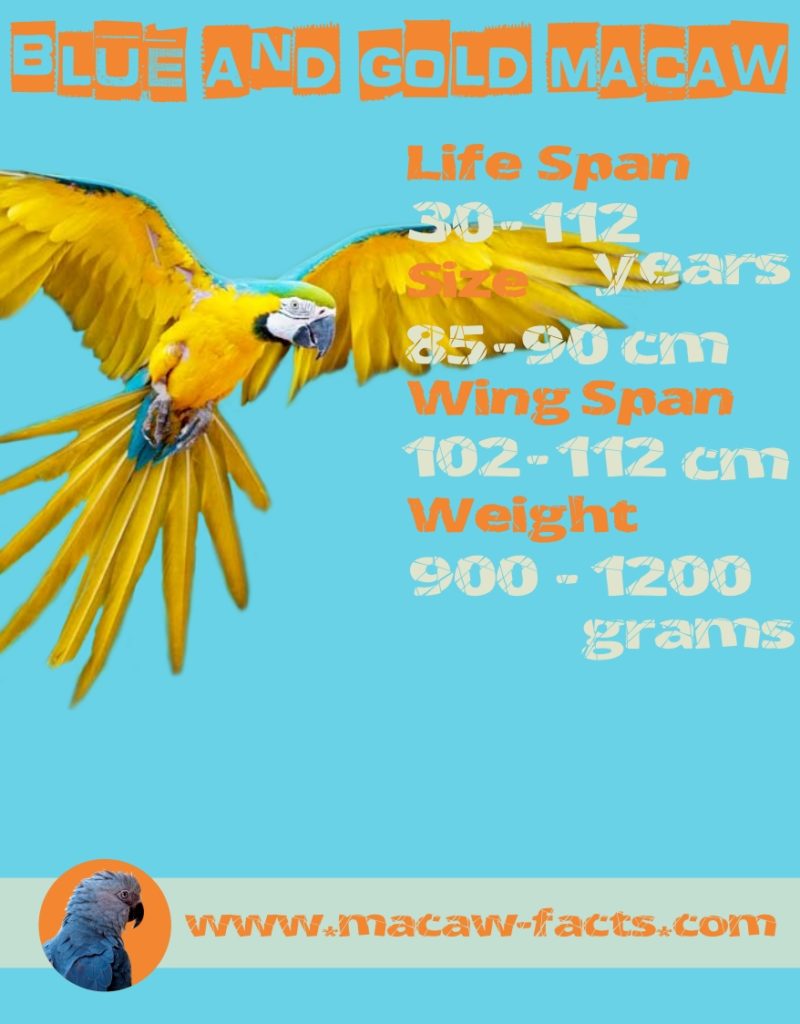
Blue and Gold Macaws are large birds. They can grow up to 33 inches in length. Their wingspan can reach up to 41 inches. They have a strong, curved beak. Their beak is perfect for cracking nuts and seeds.
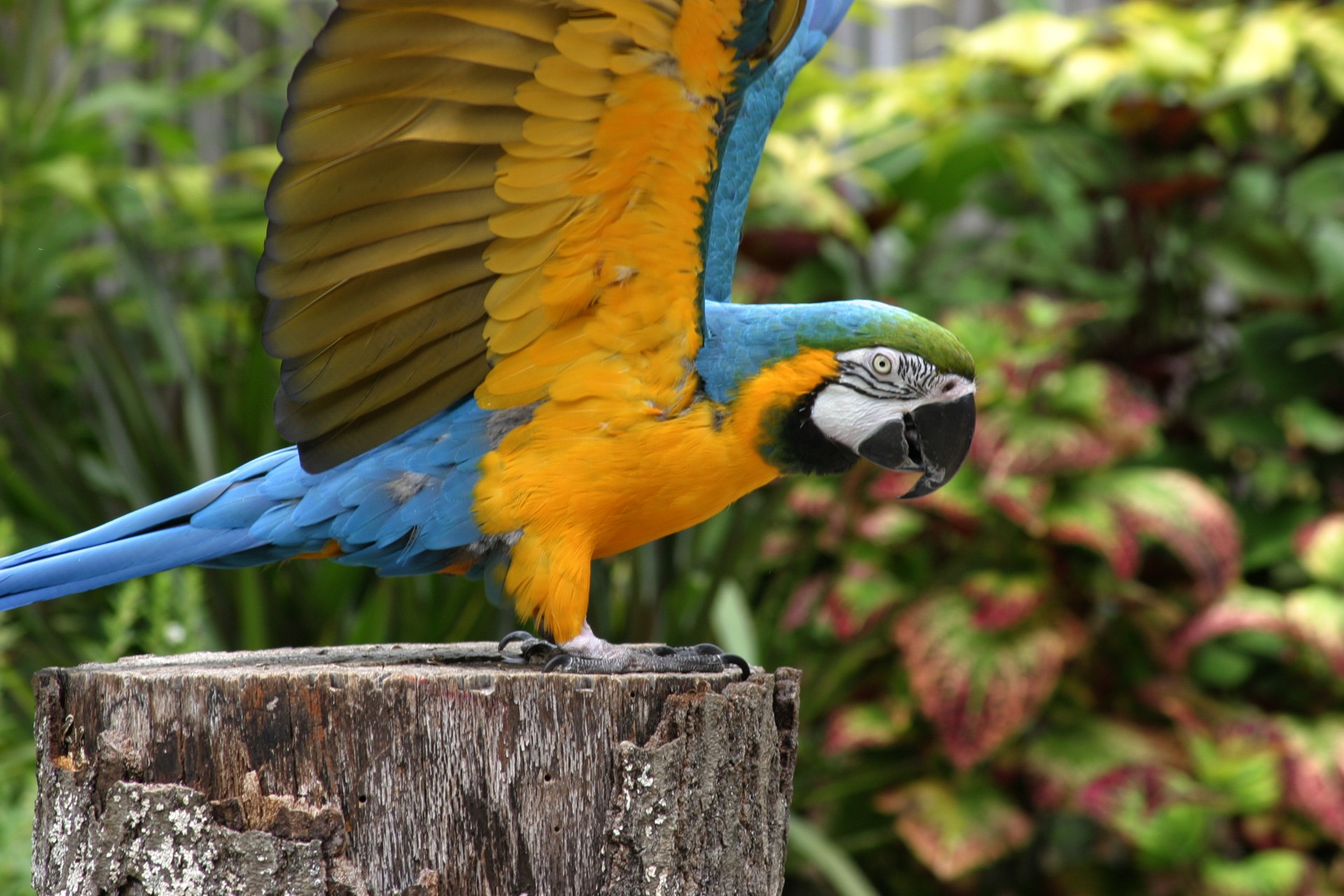
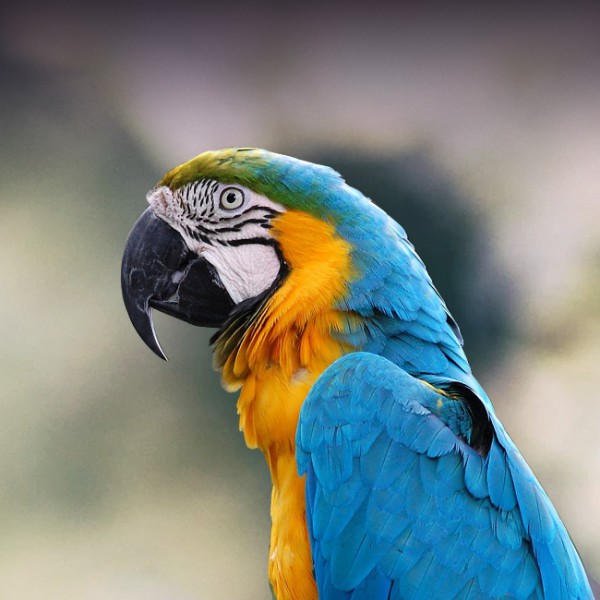
Their feathers are a mix of blue and gold. The blue feathers cover their back and wings. The gold feathers adorn their chest and underparts. They have a white face with black lines around their eyes.
| Feature | Description |
|---|---|
| Length | Up to 33 inches |
| Wingspan | Up to 41 inches |
| Beak | Strong and curved |
| Feather Colors | Blue and gold |
Natural Habitat
Blue and Gold Macaws live in the rainforests of South America. They are found in countries like Brazil and Bolivia. They prefer areas near rivers and wetlands. They build nests in tall trees for safety.
These macaws love to fly high. They travel in pairs or small groups. They communicate through loud calls and squawks. Their diet includes fruits, nuts, and seeds.
- Rainforests of South America
- Countries like Brazil and Bolivia
- Prefer areas near rivers and wetlands
- Travel in pairs or small groups
- Diet: fruits, nuts, and seeds
Average Lifespan
The lifespan of a Blue and Gold Macaw varies. Factors like environment and care play a role. Understanding their average lifespan helps in better care.
In The Wild
Blue and Gold Macaws in the wild face many challenges. These include predators and natural threats. Their average lifespan is around 30-35 years.
Wild macaws need to find food and shelter. They also need to avoid dangers. These factors impact their lifespan.
In Captivity
In captivity, Blue and Gold Macaws live longer. They receive regular meals and veterinary care. Their average lifespan ranges from 50-60 years.
A good diet and mental stimulation are crucial. Proper care can increase their lifespan. Many owners strive to provide the best environment.
| Environment | Average Lifespan |
|---|---|
| In the Wild | 30-35 years |
| In Captivity | 50-60 years |
Factors Affecting Lifespan
Blue and Gold Macaws are known for their vivid colors and long lives. Their lifespan can range from 30 to 50 years. Various factors can influence how long they live. Let’s explore these factors in detail.
Diet And Nutrition
Proper diet and nutrition are vital for a Blue and Gold Macaw’s health. A balanced diet helps them live longer. Fresh fruits and vegetables are essential. They also need nuts and seeds for protein and fat. Avoid foods high in salt and sugar. Clean, fresh water should always be available.
| Food Type | Examples | Benefits |
|---|---|---|
| Fruits | Apples, Bananas | Vitamins and Antioxidants |
| Vegetables | Carrots, Spinach | Fiber and Minerals |
| Nuts and Seeds | Almonds, Sunflower Seeds | Protein and Healthy Fats |
Healthcare
Regular healthcare is crucial for Blue and Gold Macaws. Regular vet check-ups detect problems early. Vaccinations protect them from diseases. Parasite control is also necessary. A clean living environment reduces the risk of infections. Mental health is equally important. Provide toys and social interaction to keep them happy.
- Regular Vet Check-ups
- Vaccinations
- Parasite Control
- Clean Living Environment
- Mental Stimulation
Role Of Genetics
Genetics play a crucial role in determining the lifespan of blue and gold macaws. These beautiful birds inherit their traits from their parents, which can significantly affect their health and longevity. Understanding the genetic factors can help in ensuring a longer, healthier life for these macaws.
Inherited Traits
Blue and gold macaws inherit various traits from their parents. These traits include size, color, and behavior. For instance, a macaw’s vibrant feather colors are passed down genetically. Also, their beak shape and size are inherited traits. Strong genetics can lead to healthier, more resilient birds.
Common Genetic Disorders
Like all living beings, blue and gold macaws can suffer from genetic disorders. Common genetic disorders include feather plucking and beak malformations. These issues can reduce their lifespan. Regular veterinary check-ups can help detect and manage these genetic problems.
Importance Of Environment
Understanding the importance of environment is crucial for the health of Blue and Gold Macaws. These vibrant birds thrive in specific conditions that support their long lifespan. The right environment ensures they live a healthy and happy life. Let’s explore some key aspects that impact their well-being.
Cage Size And Quality
The cage size and quality are vital for Blue and Gold Macaws. These birds need plenty of space to spread their wings and move around.
- The cage should be at least 36 inches wide, 48 inches deep, and 60 inches high.
- Use strong, non-toxic materials to ensure the bird’s safety.
- Provide horizontal bars for climbing and exercise.
A spacious and well-built cage prevents physical and mental stress. It helps them stay active and content.
Stimulation And Enrichment
Stimulation and enrichment are key to a Blue and Gold Macaw’s life. These intelligent birds need mental challenges and physical activities.
- Include toys like puzzles, ropes, and swings in the cage.
- Rotate toys regularly to keep the bird interested.
- Provide natural branches for perching and chewing.
Regular interaction and training sessions are also essential. They boost the bird’s mental health and strengthen your bond.
| Environmental Factor | Importance |
|---|---|
| Cage Size | Ensures physical space and movement |
| Cage Quality | Prevents injuries and stress |
| Stimulation | Maintains mental health |
| Enrichment | Encourages natural behaviors |
Creating a suitable environment for your Blue and Gold Macaw is essential. It ensures they live a long and fulfilling life.
Social Behavior And Lifespan
The social behavior of blue and gold macaws significantly impacts their lifespan. These birds are known for their vibrant personalities and strong social bonds. Understanding their interactions with humans and other birds can provide insights into their longevity.
Interaction With Humans
Blue and gold macaws thrive on human interaction. These birds enjoy being part of a family and often form strong bonds with their owners. Regular socialization helps them stay mentally and emotionally healthy.
Macaws need daily engagement to prevent boredom. They love playing games, learning tricks, and mimicking human speech. Lack of interaction can lead to behavioral issues and shorten their lifespan.
Proper care and social interaction can significantly extend their lifespan. A macaw that receives love and attention can live up to 50 years or more.
Interaction With Other Birds
Blue and gold macaws are social creatures that enjoy the company of other birds. In the wild, they live in flocks and communicate with each other through vocalizations and body language.
In captivity, having a companion bird can be beneficial. It provides mental stimulation and reduces feelings of loneliness. However, introducing new birds should be done carefully to avoid conflicts.
Ensure the new bird is compatible in size and temperament. This fosters a harmonious environment and contributes to the overall well-being of the macaw.
Regular social interactions with both humans and other birds play a crucial role in the health and longevity of blue and gold macaws.
Signs Of Aging
Blue and Gold Macaws are known for their vibrant colors and playful nature. As these magnificent birds age, there are certain signs that become evident. Understanding these signs can help you provide better care for your feathered friend.
Physical Changes
As Blue and Gold Macaws age, they experience several physical changes. Their feathers may become duller and less vibrant. You might notice a reduction in feather quality, including more frequent feather loss.
Older macaws often have changes in their beak and claws. The beak might become more brittle and prone to cracks. The claws may grow unevenly and require more frequent trimming.
Weight fluctuations are also common. Some older macaws may lose weight and muscle mass. It’s important to monitor their diet and ensure they receive proper nutrition.
Behavioral Changes
Aging Blue and Gold Macaws may exhibit notable behavioral changes. They might become less active and prefer to perch rather than fly. Playfulness might decrease, and they may show less interest in toys and activities.
Older macaws can also become more vocal. They may squawk more often, especially in response to discomfort or pain. Changes in sleep patterns are common; they might sleep more during the day and less at night.
Social behaviors can also shift. An aging macaw might become more irritable or show signs of anxiety. They might prefer solitude over social interaction, even with their favorite humans.
| Signs of Aging | Description |
|---|---|
| Feather Changes | Duller colors, frequent feather loss |
| Beak and Claw Changes | Brittle beak, uneven claw growth |
| Weight Fluctuations | Loss of weight and muscle mass |
| Reduced Activity | Less flying, less playfulness |
| Increased Vocalization | More frequent squawking |
| Social Behavior Changes | More irritable, prefers solitude |
Credit: www.macaw-facts.com
Tips For Extending Lifespan
Blue and Gold Macaws can live up to 60 years. Their long lifespan requires proper care. Below are vital tips to ensure their healthy and happy life.
Proper Nutrition
Proper nutrition is crucial for Blue and Gold Macaws. A balanced diet includes fruits, vegetables, and high-quality pellets. Avoid giving them chocolate, caffeine, or avocado.
| Food Type | Examples |
|---|---|
| Fruits | Apples, bananas, berries |
| Vegetables | Carrots, spinach, peas |
| Pellets | High-quality macaw pellets |
Regular Veterinary Care
Regular veterinary care helps detect health issues early. Schedule annual check-ups with an avian vet. Keep vaccinations up-to-date.
- Annual check-ups
- Vaccinations
- Parasite control
Follow these tips to ensure your Blue and Gold Macaw lives a long, healthy life.
Credit: lafeber.com
Frequently Asked Questions
How Long Does A Blue And Gold Macaw Live In Captivity?
A blue and gold macaw can live up to 60 years in captivity with proper care and nutrition.
How Old Is The Oldest Blue And Gold Macaw?
The oldest blue and gold macaw on record lived to be 50 years old. These birds typically live 30-35 years.
How Long Do Blue And Yellow Macaws Live Indoors?
Blue and yellow macaws can live 50-60 years indoors with proper care. Lifespan depends on diet, environment, and health.
What Macaw Lives The Longest?
The Blue and Gold Macaw can live up to 70 years in captivity, making it the longest-living macaw species.
Conclusion
Blue and Gold Macaws can live up to 60 years with proper care. Their long lifespan requires commitment and understanding. Providing a nutritious diet, mental stimulation, and regular vet check-ups are essential. Lifelong companionship with these vibrant birds can be incredibly rewarding.
Always ensure you are prepared for the responsibility.