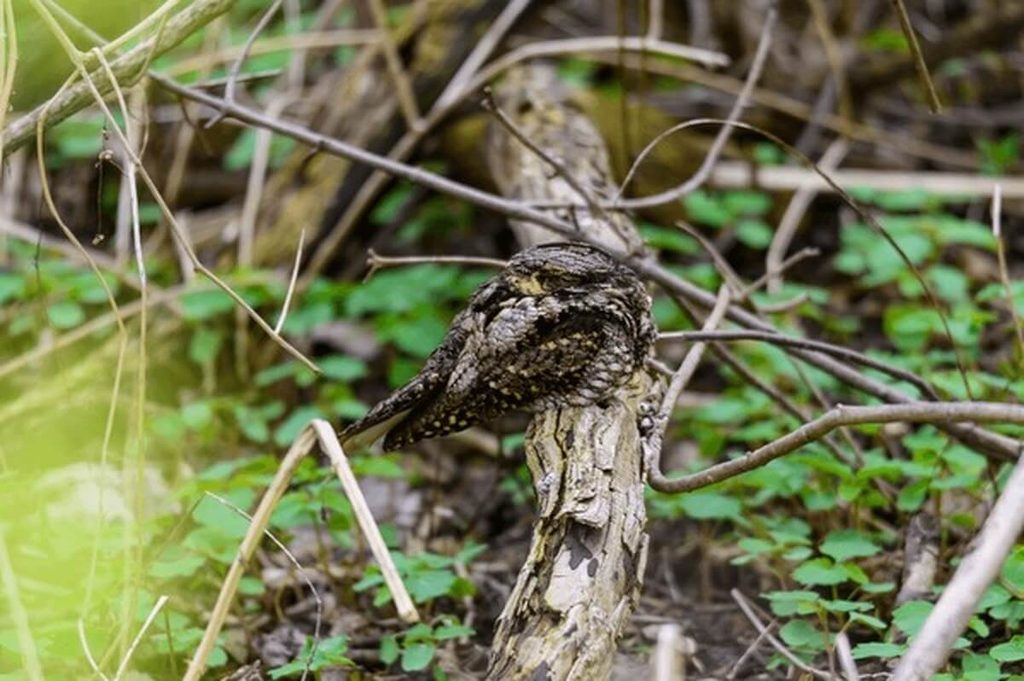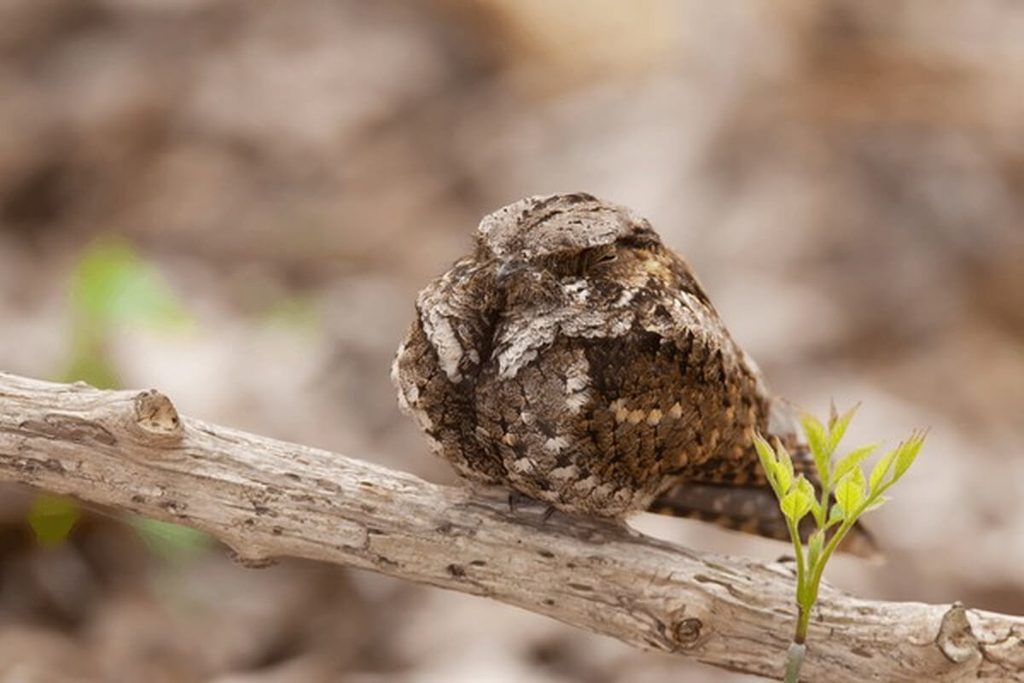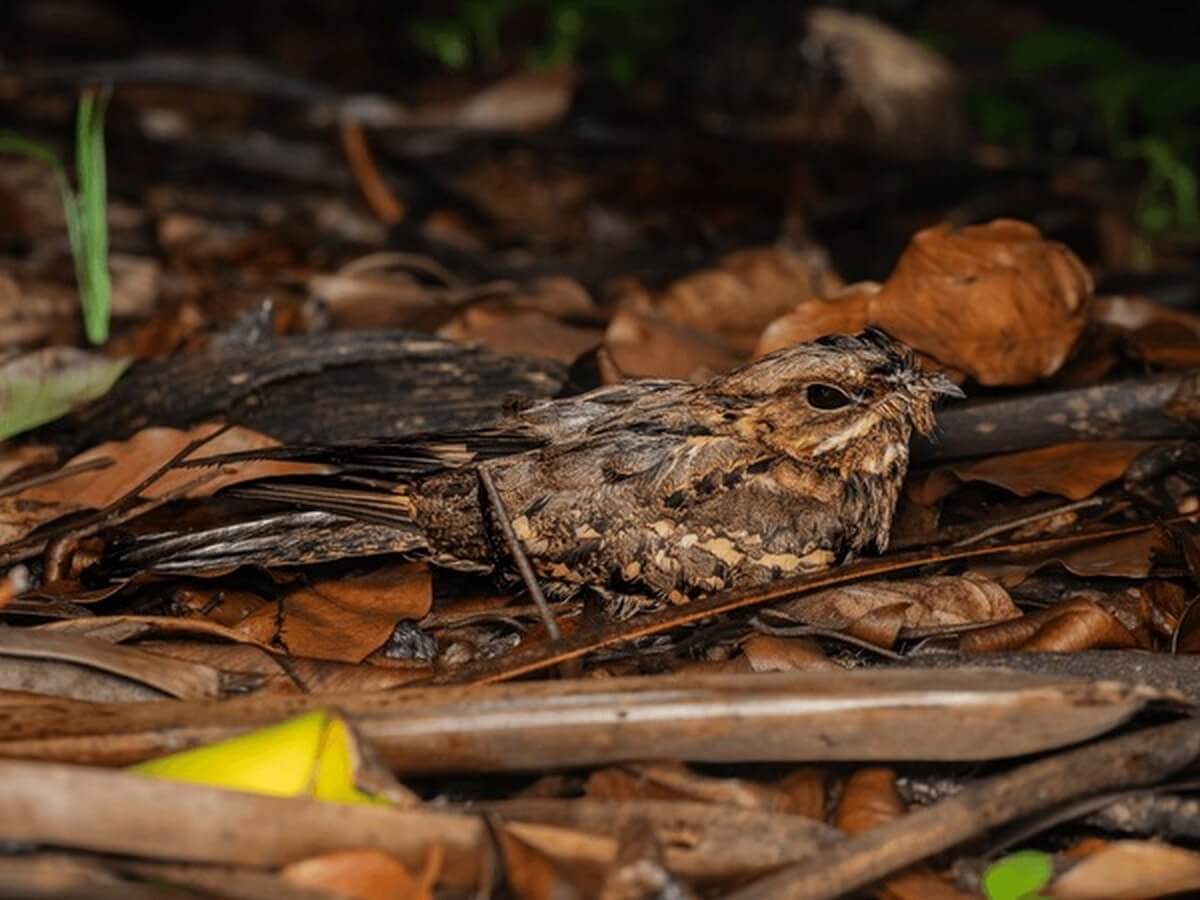
To attract Whippoorwills, create a suitable habitat with dense shrubs and offer a natural food source like insects. Provide a quiet, undisturbed environment.
Whippoorwills are nocturnal birds known for their distinctive calls during the night. These birds prefer habitats with dense shrubs and wooded areas. They thrive in environments where they can find plenty of insects, their primary food source. To attract them, maintaining a natural and quiet space is crucial.
Avoid using pesticides, as these can reduce the insect population. Nighttime lighting should be minimized to create a more inviting habitat. By providing these conditions, you can encourage Whippoorwills to visit and perhaps make your area their home.
Introduction To Whippoorwills
Whippoorwills are fascinating birds that captivate many birdwatchers. Their distinctive calls echo through the night, creating a serene ambiance. Attracting these nocturnal birds to your yard can be both rewarding and delightful.
Who Are Whippoorwills
Whippoorwills are small to medium-sized nocturnal birds. They belong to the nightjar family. They have large eyes and camouflaged plumage, which helps them blend into their surroundings. Their name comes from their unique call, which sounds like “whip-poor-will.
| Feature | Description |
|---|---|
| Size | Medium |
| Call | Distinctive “whip-poor-will” sound |
| Habitat | Woodlands and forests |
| Diet | Insects |
Why Attract Them
Attracting Whippoorwills can benefit your garden and ecosystem. They help control insect populations by feeding on moths, beetles, and other insects. Additionally, their presence can provide a natural and soothing nighttime soundscape.
- Natural Pest Control: Whippoorwills eat many insects.
- Serene Night Sounds: Their calls add tranquility to evenings.
- Birdwatching Delight: They are a joy to observe at dusk.
Creating a welcoming environment for Whippoorwills involves simple steps. Ensure your yard has dense vegetation. Provide a quiet and undisturbed area. Avoid using pesticides that harm their food sources. With patience and care, you can enjoy the presence of these enchanting birds.

Credit: townline.org
Ideal Habitat
Whippoorwills are fascinating nocturnal birds known for their distinctive calls. Attracting them to your yard requires creating an ideal habitat. This means understanding their preferred environment and then creating a suitable space for them to thrive.
Preferred Environment
Whippoorwills thrive in areas with dense vegetation and open spaces. They prefer forest edges, where they can easily hunt for insects. These birds also love mixed woodlands and areas with plenty of undergrowth. They need places to hide during the day and come out at night.
Their favorite spots include:
- Deciduous and coniferous forests
- Grasslands with shrubs and bushes
- Wooded areas near water sources
Creating A Suitable Space
To attract whippoorwills, you need to make your yard inviting. Here are some tips:
- Plant native trees and shrubs: Provide cover and nesting sites.
- Create open spaces: Whippoorwills need areas to hunt for insects.
- Install a water source: A small pond or birdbath can attract them.
- Limit artificial lighting: Bright lights can disturb these nocturnal birds.
Creating a suitable space for whippoorwills involves thoughtful planning. Ensure you have a mix of dense vegetation and open areas. This creates a balanced environment that meets their needs.
| Element | Description |
|---|---|
| Native Trees | Provide cover and nesting sites |
| Open Spaces | Essential for hunting insects |
| Water Source | Attracts whippoorwills and other wildlife |
| Limit Lighting | Reduces disturbance at night |
By following these guidelines, you can create an inviting space. This will help attract whippoorwills to your yard.
Feeding Habits
Whippoorwills are nocturnal birds with unique feeding habits. They are insectivores and prefer hunting at night. Attracting these birds requires understanding their diet and providing the right food.
Diet Preferences
Whippoorwills have specific diet preferences. They mostly eat insects such as moths, beetles, and flies.
- Moths: Whippoorwills love eating moths. Moths are their primary food source.
- Beetles: Beetles provide essential nutrients for whippoorwills.
- Flies: Flies are another favorite for these birds.
Providing The Right Food
To attract whippoorwills, you must provide the right food. You can create an inviting environment by setting up a feeding area.
- Plant Night-Blooming Flowers: These flowers attract moths. More moths mean more food for whippoorwills.
- Install Outdoor Lights: Lights attract insects. Whippoorwills will come for the insects.
- Avoid Pesticides: Pesticides kill insects. Fewer insects mean less food for whippoorwills.
Follow these steps and you will see more whippoorwills in your yard.

Credit: www.birdnature.com
Attracting With Sounds
Whippoorwills are elusive birds with a distinctive call. Attracting them can be challenging. Using sounds is a proven method to draw them closer. This section explores how to attract whippoorwills with sounds.
Using Bird Calls
One effective way to attract whippoorwills is by mimicking their calls. You can use recordings of whippoorwill calls. These recordings can be played from your phone or a speaker.
To make it more effective, play the calls at dusk or dawn. These are the times when whippoorwills are most active. Playing the calls at these times increases your chances of attracting them.
Here’s a simple step-by-step guide to using bird calls:
- Find a quiet spot away from noise.
- Set up your speaker or phone in an open area.
- Play the whippoorwill call softly at first.
- Gradually increase the volume to a natural level.
- Wait patiently and watch for whippoorwills.
Avoiding Disturbance
While attracting whippoorwills, it’s crucial to avoid disturbing them. Loud noises or sudden movements can scare them away. Ensure you remain still and quiet during the process.
Follow these tips to minimize disturbance:
- Wear neutral-colored clothing to blend with the surroundings.
- Avoid using flashlights or bright lights at night.
- Keep pets indoors or away from the area.
- Speak softly if you need to communicate.
Creating a peaceful environment is key. This will make whippoorwills feel safe and encourage them to visit.
Nesting Needs
Attracting whippoorwills to your yard can be an enjoyable experience. Understanding their nesting needs is crucial. They are ground-nesters and require specific conditions to thrive.
Nesting Sites
Whippoorwills prefer open woodlands and forest edges. They need areas with leaf litter and natural debris. These materials help camouflage their nests. Create a quiet spot with minimal disturbance. Avoid areas with frequent human activity. Open spaces near shrubs or trees work best.
Protection Measures
Protecting the nesting site is essential. Set up fencing around the area to keep predators away. Avoid using pesticides and chemicals. These can harm whippoorwills and their eggs. Provide a safe environment by keeping pets indoors. Monitor the area for any signs of danger. Offer additional cover with fallen branches and leaves.
| Requirement | Details |
|---|---|
| Open Woodlands | Preferred habitat with leaf litter and debris. |
| Quiet Spot | Minimal human disturbance. |
| Fencing | Protects from predators. |
| No Chemicals | Avoid pesticides and harmful substances. |
- Open woodlands are ideal for nesting.
- Leaf litter helps with camouflage.
- Protect the site with fencing.
- Avoid using harmful chemicals.
Seasonal Considerations
Whippoorwills are fascinating birds known for their enchanting calls. Attracting them to your backyard requires understanding their seasonal habits. This section explores their migration patterns and provides tips for seasonal care.
Migration Patterns
Whippoorwills migrate seasonally. They travel south during winter and return north in spring. Knowing their migration patterns helps in attracting them.
| Season | Location |
|---|---|
| Winter | Southern regions |
| Spring | Northern regions |
Understanding these patterns aids in preparing your yard for their arrival.
Seasonal Care Tips
Follow these seasonal care tips to attract whippoorwills:
- Spring: Provide a mix of trees and shrubs. This offers shelter and food sources.
- Summer: Ensure your yard has plenty of insects. Whippoorwills feed on moths and beetles.
- Fall: Keep the area clean but natural. Fallen leaves and twigs create the right habitat.
- Winter: Leave some leaves and branches. This helps provide shelter during their absence.
These tips will help create a welcoming environment for whippoorwills year-round.
Dealing With Predators
Attracting Whippoorwills to your yard is a rewarding experience. But, you must ensure their safety. Predators pose a serious threat to these lovely birds. Here, we explore common threats and safety strategies to protect Whippoorwills.
Common Threats
Whippoorwills face many threats in the wild. Here are some common ones:
- Cats: Domestic and feral cats are major predators.
- Raccoons: Raccoons prey on birds and their eggs.
- Snakes: Snakes often raid nests for eggs.
- Owls: Owls hunt small birds at night.
Safety Strategies
Implementing safety strategies can help protect Whippoorwills. Here are some effective methods:
- Secure Nesting Areas: Provide safe nesting sites away from predators.
- Install Fencing: Use fences to keep out larger predators like cats and raccoons.
- Use Nesting Boxes: Place nesting boxes high off the ground.
- Eliminate Food Sources: Remove bird feeders at night to deter raccoons and other nocturnal creatures.
- Keep Cats Indoors: Encourage neighbors to keep their cats inside.
By addressing these common threats and implementing safety strategies, you can create a safe haven for Whippoorwills in your yard.
Community Involvement
Attracting whippoorwills to your area requires more than just individual efforts. Community involvement plays a crucial role in creating a welcoming environment for these elusive birds. By engaging local birders and supporting conservation efforts, you can make a significant impact.
Engaging Local Birders
Engaging local birders can greatly enhance your efforts to attract whippoorwills. Birders often have valuable knowledge about local bird habits and habitats.
- Organize bird-watching events.
- Share sightings and tips on local forums.
- Create a neighborhood bird-watching club.
These activities not only help in attracting whippoorwills but also foster a sense of community.
Conservation Efforts
Conservation efforts are essential for creating a sustainable environment for whippoorwills. By participating in or supporting local conservation projects, you can help preserve the natural habitats that these birds need.
| Activity | Description |
|---|---|
| Plant Native Trees | Planting native trees provides natural shelter and food. |
| Reduce Light Pollution | Minimize outdoor lighting to protect nocturnal birds. |
| Clean-Up Events | Participate in local clean-ups to keep habitats pristine. |
Supporting these initiatives not only benefits whippoorwills but also other wildlife in your area.
Monitoring And Enjoying
Once you have created a welcoming environment for whippoorwills, it is time to enjoy their presence. Monitoring these elusive birds can be both exciting and rewarding. Here are some tips to help you observe and document your sightings effectively.
Observation Tips
- Choose the right time: Whippoorwills are most active at dusk and dawn. Plan your observation during these times.
- Stay quiet: These birds are very sensitive to noise. Keep your environment as quiet as possible.
- Use binoculars: A good pair of binoculars helps you see them clearly without disturbing them.
- Dress appropriately: Wear camouflage or dark clothing to blend in with your surroundings.
Documenting Sightings
Keeping a record of your observations can be very rewarding. Here are some ways to document your sightings:
- Photography: Capture photos of whippoorwills. Use a camera with a good zoom lens.
- Journaling: Keep a bird-watching journal. Note down the date, time, and location of sightings.
- Audio recordings: Record their distinctive calls. Use a good quality audio recorder.
- Field notes: Make detailed notes about their behavior, appearance, and habitat.
| Method | Tools Needed | Benefits |
|---|---|---|
| Photography | Camera with zoom lens | Visual documentation |
| Journaling | Notebook and pen | Detailed records |
| Audio recordings | Audio recorder | Capture unique calls |
| Field notes | Notebook and pen | Behavioral insights |

Credit: www.sherryboas.com
Frequently Asked Questions
Why Don T You Hear Whippoorwills Anymore?
Whippoorwills are harder to hear due to habitat loss and declining insect populations. Urbanization and pollution also contribute to their decreasing numbers.
What Time Do Whippoorwills Come Out?
Whippoorwills typically come out at dusk and remain active throughout the night. They are most vocal during twilight hours.
What Does It Mean When You Hear A Whippoorwill?
Hearing a whippoorwill often signifies dusk or dawn. These birds are most vocal during twilight. It can also symbolize mystery and solitude in folklore.
How To Find A Whip-poor-will?
To find a whip-poor-will, listen for their distinctive call at dusk or dawn in wooded areas. Use a flashlight to spot their reflective eyes. Focus on habitats like deciduous forests, pine plantations, and open woodlands. Patience and quiet observation are key.
Conclusion
Attracting whippoorwills requires a tranquil habitat and abundant food sources. Plant native shrubs and trees to provide shelter. Minimize artificial light to keep their environment natural. Patience and a keen eye will reward you with their enchanting presence. Follow these steps, and your garden will soon become a haven for whippoorwills.