
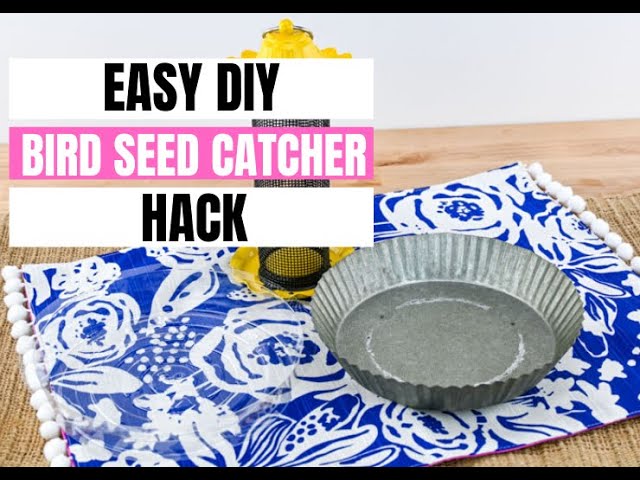
To make a bird seed catcher tray, attach a shallow tray beneath your bird feeder. Ensure it is securely fastened and easy to clean.
Bird watching is a delightful hobby, but scattered seeds can be messy. A bird seed catcher tray helps keep your yard tidy by collecting falling seeds. It also prevents unwanted plants from sprouting where seeds land. Choose a shallow, durable tray that fits your feeder.
Secure it well to handle the weight of seeds and visiting birds. Regularly empty and clean the tray to maintain hygiene and attract more birds. This simple addition to your bird feeder setup enhances your bird-watching experience and keeps your outdoor space neat.
Materials Needed
Creating a bird seed catcher tray is a fun DIY project. It helps keep your garden clean. Let’s gather the materials needed for this project.
Gathering Supplies
First, let’s gather the necessary supplies. Here’s a list of items you will need:
- Plastic tray – A durable, weather-resistant tray
- Mesh screen – To allow water to drain
- Zip ties – To secure the mesh screen
- Bird feeder hook – To hang the tray
- Scissors – To cut the mesh screen
Choosing The Right Tools
Using the right tools is important. It makes the job easier and safer. Here are the tools you will need:
| Tool | Purpose |
|---|---|
| Drill | To make holes in the tray |
| Measuring tape | To measure the tray and screen |
| Marker | To mark the spots for drilling |
Ensure your tools are in good condition. This will help you work efficiently. Now that you have gathered supplies and tools, you are ready to start your project.

Credit: www.scatteredthoughtsofacraftymom.com
Measuring Dimensions
Creating a bird seed catcher tray requires precision. Measuring dimensions ensures your tray fits perfectly. This step is crucial for the tray’s effectiveness.
Determining Tray Size
First, decide the size of your bird seed catcher tray. Measure the area beneath your bird feeder. Ensure the tray will catch falling seeds. Use a tape measure for accuracy.
- Measure the width of the feeder.
- Measure the length of the feeder.
- Add extra space around the feeder’s perimeter.
This added space ensures all seeds are caught. Write down these measurements for reference.
Marking Measurements
Next, mark these measurements on your tray material. Use a pencil and ruler. Make clear and accurate lines.
- Place the tray material on a flat surface.
- Mark the width and length you measured earlier.
- Ensure the lines are straight and precise.
Double-check your markings before cutting. Mistakes can lead to an ill-fitting tray.
| Measurement | Dimension |
|---|---|
| Width | [Enter Width] |
| Length | [Enter Length] |
| Extra Space | [Enter Extra Space] |
Having a clear plan helps in creating an effective bird seed catcher tray.
Cutting The Tray
Creating a bird seed catcher tray involves precise cutting. This section will guide you through selecting the right materials and techniques. Ensuring your tray fits perfectly under your bird feeder.
Selecting Materials
Choose materials that are durable and easy to cut. Common options include:
- PVC sheets – lightweight and weather-resistant
- Plexiglass – transparent and sturdy
- Wood – natural look and strong
Ensure the material is safe for birds. Avoid sharp edges or toxic substances.
Cutting Techniques
Use the right tools to cut your chosen material. Here are some tips:
- Measure accurately – Use a ruler or measuring tape.
- Mark cutting lines – Use a pencil or marker.
- Clamp the material – Prevent it from moving.
- Cut slowly – Avoid cracking or splintering.
For PVC or Plexiglass, use a utility knife or a fine-toothed saw. For wood, a handsaw or jigsaw works best. Always wear safety goggles and gloves to protect yourself.
| Material | Recommended Tool | Safety Gear |
|---|---|---|
| PVC Sheets | Utility Knife | Goggles, Gloves |
| Plexiglass | Fine-toothed Saw | Goggles, Gloves |
| Wood | Handsaw | Goggles, Gloves |
Following these steps ensures a clean cut. Your bird seed catcher tray will be ready in no time.

Credit: www.scatteredthoughtsofacraftymom.com
Assembling The Tray
Building a bird seed catcher tray is a fun project. It helps keep your garden tidy. The tray catches fallen bird seeds. Let’s dive into assembling the tray.
Joining Parts
First, gather all your materials. You need wood, screws, and a mesh screen. Cut the wood into four equal pieces. These will form the sides of the tray.
- Use screws to join the pieces.
- Ensure the corners are tight.
- Check the frame is square.
Place the mesh screen inside the frame. This will catch the seeds. Secure the mesh with small nails.
Securing Edges
Next, secure the edges of the tray. Use wood glue along the joints. This adds extra strength.
- Apply glue to each joint.
- Press the edges firmly.
- Wipe off any excess glue.
Let the glue dry for a few hours. Once dry, check for stability. Your bird seed catcher tray is now ready!
| Materials Needed | Tools Required |
|---|---|
| Wood pieces | Screwdriver |
| Mesh screen | Hammer |
| Screws | Wood glue |
Enjoy a cleaner garden with your new bird seed catcher tray!
Attaching To Feeder
Once you have built your bird seed catcher tray, the next step is attaching it to your feeder. This step ensures that the tray catches the falling seeds efficiently. Follow the detailed steps below to make the attachment secure and stable.
Connecting The Tray
Begin by measuring the diameter of your bird feeder base. You need this measurement to fit the tray properly. Use a measuring tape for accuracy.
- Drill small holes in the tray edges, aligning them with the feeder’s base.
- Use zip ties or thin wires to attach the tray to the feeder. Thread the ties through the holes and secure them tightly.
- Ensure the tray is level and evenly spaced around the feeder.
Check that the tray is tightly secured to avoid any wobbling. A well-connected tray will make your feeder more efficient and attractive.
Ensuring Stability
Stability is crucial for a bird seed catcher tray. A stable tray prevents spillage and keeps seeds accessible to birds.
- Use additional supports if your feeder is large. Metal rods or wooden dowels work well.
- Place the feeder on a level surface or hang it securely to avoid tilting.
- Check the tray’s stability regularly to ensure it stays in place.
For added stability, consider using a weight at the bottom of the feeder. This keeps the feeder balanced, especially on windy days.
| Materials Needed | Purpose |
|---|---|
| Zip Ties | Securing the tray |
| Measuring Tape | Measuring feeder base |
| Drill | Making holes |
| Metal Rods/Wooden Dowels | Additional support |
By following these steps, you will ensure your bird seed catcher tray is both secure and stable, providing an efficient feeding solution for your feathered friends.

Credit: www.pinterest.com
Decorating Options
Creating a bird seed catcher tray can be fun and creative. Adding decorations makes it unique and personal. Let’s explore some decorating ideas to make your tray stand out.
Painting Ideas
Painting your bird seed catcher tray adds color and charm. Use weather-resistant paints to ensure durability. Here are some painting ideas to consider:
- Bright Colors: Paint the tray in bright, vibrant colors. This will attract birds and add a cheerful touch to your garden.
- Nature Themes: Use colors like green, brown, and blue. These colors blend well with the outdoor environment.
- Patterns: Add stripes, dots, or geometric patterns. These designs can make the tray look stylish and modern.
Adding Personal Touches
Personal touches make your bird seed catcher tray special. Here are a few ideas:
- Stencils: Use stencils to create shapes or letters. Personalize the tray with your initials or favorite shapes.
- Decoupage: Apply decoupage to add pictures or patterns. Use images of birds, flowers, or other nature elements.
- Accessories: Attach small accessories like beads or buttons. These add texture and interest to the tray.
Decorating your bird seed catcher tray can be a delightful experience. Use these ideas to create something beautiful and functional. Enjoy the process and happy crafting!
Maintenance Tips
Keeping your bird seed catcher tray clean and functional is important. Proper maintenance ensures a healthy environment for birds and keeps your garden tidy. Follow these simple maintenance tips to prolong the life of your bird seed catcher tray.
Cleaning The Tray
Regular cleaning is essential to prevent mold and bacteria. Use a mild soap solution to clean the tray. Avoid harsh chemicals that may harm birds. Follow these steps:
- Remove the tray from the feeder.
- Empty any leftover seeds or debris.
- Wash the tray with warm, soapy water.
- Rinse thoroughly with clean water.
- Allow the tray to dry completely before reattaching.
Cleaning the tray weekly ensures it stays hygienic. This keeps birds healthy and happy.
Regular Checks
Perform regular checks to ensure the tray remains in good condition. Look for any signs of wear or damage. Check the following:
- Cracks or Breaks: Inspect the tray for cracks.
- Attachment Points: Ensure the tray is securely attached.
- Debris Buildup: Remove any accumulated debris.
- Seed Quality: Check for moldy or spoiled seeds.
Address any issues immediately to keep the tray functional. Regular checks help maintain a safe feeding environment for birds.
Troubleshooting
Even the best bird seed catcher trays can have issues. Knowing how to troubleshoot these problems will save you time and effort. Here are some common issues and quick fixes to help you out.
Common Issues
Bird seed catcher trays often face similar problems. Here are the most common ones:
- Seeds falling out: Sometimes seeds fall out of the tray.
- Tray not fitting: The tray may not fit your bird feeder.
- Birds avoiding tray: Birds might avoid using the tray.
- Tray gets dirty: Dirt and debris can build up in the tray.
Quick Fixes
Here are some quick fixes to these common issues:
- Seeds falling out: Use a mesh screen to keep seeds in place.
- Tray not fitting: Measure your feeder and tray. Adjust as needed.
- Birds avoiding tray: Place the tray in a shaded area. Add some water.
- Tray gets dirty: Clean the tray regularly with soap and water.
| Issue | Quick Fix |
|---|---|
| Seeds falling out | Use a mesh screen |
| Tray not fitting | Measure and adjust |
| Birds avoiding tray | Place in shade, add water |
| Tray gets dirty | Clean with soap and water |
Frequently Asked Questions
How Do You Make A Bird Seed Catcher Tray?
Create a bird seed catcher tray by attaching a large plastic tray beneath the feeder. Use zip ties or hooks to secure it. Drill holes for drainage.
What Can I Put Under My Bird Feeder To Catch Seeds?
Place a seed catcher tray or an old sheet under your bird feeder. This helps collect fallen seeds. You can also use a large plant saucer or a tarp. Regularly clean the area to prevent mold and unwanted pests.
How Do You Keep Bird Seeds From Falling On The Ground?
Use a seed catcher tray under the feeder. Choose no-mess bird seed blends. Regularly clean fallen seeds. Adjust feeder height. Secure feeders to prevent spills.
How To Build A Bird Feeding Tray?
Build a bird feeding tray by using a wooden plank and attaching small edges. Add drainage holes to prevent water buildup. Secure it on a stable surface. Fill with birdseed.
Conclusion
Creating a bird seed catcher tray is simple and rewarding. It keeps your yard clean and attracts more birds. Follow the steps in this guide to build your own. Enjoy watching your feathered friends without the mess. Your garden will thank you for it.
Happy bird-watching!