

To stop birds chirping at night, reduce outdoor lighting and use white noise machines. Cover windows with blackout curtains.
Birds chirping at night can be disruptive, especially for light sleepers. Understanding why birds chirp at unusual hours helps in addressing the issue effectively. Birds often chirp due to artificial lighting, seeking mates, or reacting to environmental disturbances. By minimizing these factors, you can create a quieter nighttime environment.
Reducing outdoor lighting, using white noise machines, and covering windows with blackout curtains are effective solutions. These methods help to mask or eliminate the triggers causing birds to chirp at night. Implementing these steps can significantly improve your nighttime peace and quiet.
Causes Of Night Chirping
Birds chirping at night can be bothersome. Understanding why birds chirp at night helps address the issue. Let’s explore the main causes.
Natural Reasons
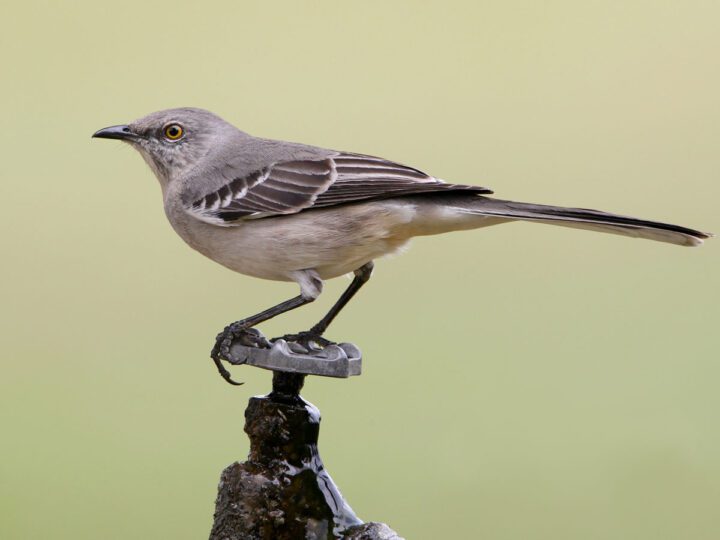
Certain birds naturally chirp at night. These birds include nightingales and mockingbirds. They sing to find mates or protect territory.
- Nightingales: Famous for their beautiful night songs.
- Mockingbirds: Sing at night to attract mates.
Other birds might chirp if they sense danger. They alert others about predators.
Environmental Factors
Artificial lights confuse birds. They think it’s daytime and start singing. Streetlights and outdoor lights can trigger this behavior.
| Factor | Description |
|---|---|
| Streetlights | Bright lights can confuse birds. |
| Outdoor lights | Yard or garden lights might trigger night chirping. |
Noise pollution is another cause. Birds may chirp to communicate over loud sounds. Car horns, engines, and other noises can disturb them.
- Car horns: Sudden sounds can startle birds.
- Engines: Continuous noise might cause birds to chirp.
Changes in weather can also affect bird behavior. Storms, wind, or sudden temperature drops might make birds active at night.

Credit: www.wikihow.com
Assessing The Situation
Birds chirping at night can disrupt sleep and cause stress. To find a solution, you need to first assess the situation. This means understanding which birds are chirping and why they are active at night. Follow the steps below to identify and determine patterns in bird chirping.
Identify Bird Species
The first step is to identify the bird species causing the noise. Different birds have unique calls and habits. Use a bird identification app or a field guide to help.
- Observe the bird’s appearance: Note the size, color, and any unique features.
- Record the sound: Use your phone to record the chirping for later analysis.
- Compare with known calls: Match your recording with bird call databases online.
Determine Chirping Patterns
Understanding the chirping patterns helps in finding a solution. Birds may chirp for various reasons like mating, marking territory, or alerting others to danger.
- Track the time: Note the times when the chirping starts and stops.
- Check the weather: Weather conditions can influence bird activity.
- Look for patterns: Is the chirping consistent or random?
| Factor | Details |
|---|---|
| Time of Night | Early evening, midnight, or early morning |
| Weather Conditions | Clear, rainy, or windy |
| Consistency | Daily, weekly, or seasonal |
By carefully assessing the situation, you can better understand why birds are chirping at night. This knowledge is essential to find an effective solution and regain your peaceful nights.
Soundproofing Solutions
Birds chirping at night can disrupt your sleep. Soundproofing your home helps. Here are some effective soundproofing solutions to minimize noise.
Window Insulation
Windows often let in most of the noise. Insulating your windows can help. Use weatherstripping tape to seal gaps in windows. Double-glazed windows are also effective. They have two layers of glass with air in between. This helps block noise.
Another option is using acoustic caulk. Apply it around window frames. It seals any gaps and reduces noise.
| Solution | Benefits |
|---|---|
| Weatherstripping Tape | Seals gaps, easy to apply |
| Double-Glazed Windows | Blocks noise, improves insulation |
| Acoustic Caulk | Seals gaps, long-lasting |
Curtains And Blinds
Thick curtains and blinds can help reduce noise. Look for heavy, dense fabrics like velvet. These materials absorb sound better.
- Choose blackout curtains. They are designed to block light and sound.
- Layering curtains can also help. Use a thin layer first, then a thicker one.
Blinds are another option. Honeycomb blinds are very effective. They trap air and provide insulation.
- Install blinds close to the window frame.
- Combine blinds with curtains for best results.
Using both curtains and blinds provides double protection. This combination reduces noise significantly.
Credit: www.quora.com
Outdoor Modifications
Outdoor modifications can help reduce bird chirping at night. Adjusting your garden and lighting can create a quieter environment.
Garden Design
Designing your garden can influence bird activity. Here are some tips:
- Choose plants that don’t attract birds.
- Avoid plants with bright berries and seeds.
- Install bird deterrents like spiky branches or netting.
- Remove water sources like birdbaths or fountains.
| Plant Type | Bird Attraction Level |
|---|---|
| Holly | High |
| Roses | Low |
| Sunflowers | High |
| Cacti | Low |
Artificial Lights
Artificial lights can impact bird behavior. Here’s how to use them effectively:
- Use motion-activated lights to startle birds.
- Install red or yellow lights that birds find less attractive.
- Avoid bright white lights that mimic daylight.
- Turn off unnecessary lights at night.
These modifications can help create a peaceful outdoor space. Your nights will be quieter, and you can enjoy your garden more.
Use Of Bird Deterrents
Birds chirping at night can disrupt sleep. Using bird deterrents helps keep birds away. Below, we explore effective deterrents.
Ultrasonic Devices
Ultrasonic devices emit sounds that birds dislike. These sounds are inaudible to humans. Place these devices near problem areas. They are easy to install. Many have motion sensors. This feature activates the device when birds approach.
For best results, follow these tips:
- Install multiple devices.
- Change the device’s location periodically.
- Ensure the device covers the needed area.
Physical Barriers
Physical barriers block birds from landing or roosting. You can use netting, spikes, or wires.
Here are some effective options:
| Barrier Type | Description |
|---|---|
| Bird Netting | Cover trees or structures. Prevents access to nesting sites. |
| Bird Spikes | Install on ledges. Makes landing uncomfortable. |
| Bird Wires | Strung along surfaces. Keeps birds from perching. |
Combining different barriers increases effectiveness. Use a mix for better results.
Credit: www.allaboutbirds.org
Natural Repellents
Birds chirping at night can be annoying. One way to stop them is by using natural repellents. These methods are safe and eco-friendly. They do not harm the birds. Let’s explore some effective natural repellents.
Predator Decoys
Birds fear predators. Placing predator decoys can scare them away. You can use fake owls, hawks, or snakes. Position them near the trees or areas where birds gather. Move the decoys occasionally. Birds may get used to them if they stay in one spot.
Scent-based Solutions
Certain smells can repel birds. Use natural oils like peppermint, citronella, or eucalyptus. Mix a few drops with water. Spray the solution around your yard. You can also use garlic or chili pepper. Birds dislike these strong scents.
Here’s a simple recipe:
- Mix 10 drops of peppermint oil with 1 cup of water.
- Pour the mixture into a spray bottle.
- Spray around bird-populated areas.
Repeat the process weekly for best results.
Behavioral Changes
Birds chirping at night can be annoying. Understanding their behavior helps. Changing their habits can reduce nighttime noise. Here are some strategies to try.
Feeding Habits
Changing feeding habits can affect bird activity. Feed birds earlier in the day. Avoid evening feeding to reduce night activity. Birds need time to digest food.
- Feed in the morning or afternoon.
- Avoid feeding after sunset.
- Use bird feeders that close at night.
Birds will adapt to the new feeding schedule. This reduces nighttime chirping.
Nest Relocation
Relocating nests can help control noise. Birds often nest close to homes. Move nests to quieter areas.
- Identify nesting spots near your home.
- Wear gloves and gently relocate the nest.
- Place the nest in a safe, quiet spot.
Birds prefer safe, quiet nesting areas. Moving nests can reduce noise near your home.
Professional Assistance
Sometimes, bird chirping at night can become a serious problem. If simple measures don’t work, you may need professional help. Professional assistance can help you deal with persistent bird noises effectively.
Wildlife Control Experts
Wildlife control experts specialize in handling bird-related issues. They can identify the bird species causing the noise. They use humane methods to remove or relocate birds. These experts also provide advice on preventing future issues.
- Identify bird species
- Use humane removal methods
- Offer prevention tips
Local Authorities
Sometimes, local authorities can help with bird problems. They may have programs for controlling bird populations. Contacting them can provide you with resources and guidance.
They may also enforce local laws on bird protection. Ensure to follow their guidelines to avoid legal issues.
| Service | Description |
|---|---|
| Bird Population Control | Programs to manage bird numbers. |
| Resources and Guidance | Information on dealing with bird issues. |
| Legal Enforcement | Enforce laws on bird protection. |
Frequently Asked Questions
What Can I Do About Birds Chirping At Night?
To reduce bird chirping at night, try using white noise machines. Close windows and use heavy curtains to block sound. Trim nearby trees and shrubs to discourage nesting. Consider humane bird deterrents like reflective tape or predator decoys. Consult local wildlife experts for additional advice.
How To Keep Birds Away At Night?
Install motion-activated lights or sprinklers to deter birds at night. Use bird spikes on ledges and roofs. Hang reflective objects like CDs or foil strips. Seal any open entry points. Use ultrasonic bird repellers.
How To Get Rid Of Noisy Birds?
Install bird deterrents like spikes or nets. Use reflective objects to scare them away. Keep the area clean. Consider bird-repellent sprays. Play recorded predator sounds.
What Is The Reason For Birds Chirping At Night?
Birds chirp at night due to factors like territorial disputes, mating calls, or disturbances. Urban lights can confuse their natural rhythms.
Conclusion
Finding peace at night is possible by addressing the chirping birds. Use these tips to create a quiet environment. Implementing simple changes can significantly reduce nighttime noise. Enjoy serene nights and restful sleep with these effective bird control methods. Embrace tranquility and enhance your nighttime comfort.