
Yes, some birds can see at night. Nocturnal birds like owls have excellent night vision.
Birds’ vision varies widely among species. Nocturnal birds, such as owls and nightjars, have specialized adaptations for low-light conditions. These birds have larger eyes and more rod cells in their retinas, enhancing their ability to see in the dark. Diurnal birds, like eagles and sparrows, have limited night vision as their eyes are adapted for daylight.
Night vision in birds is crucial for hunting, navigation, and avoiding predators. Understanding these differences helps us appreciate the diverse adaptations in the avian world. This knowledge also aids in the conservation of species with specific habitat needs.
Avian Vision Basics
Birds have an incredible vision system. Their eyes are specially adapted for different environments. Understanding how birds see helps us appreciate their night vision capabilities.
Eye Structure
A bird’s eye structure is unique. Birds have large eyes relative to their head size. This allows them to capture more light. They also have a high number of photoreceptor cells. These cells help in detecting light and movement.
| Feature | Function |
|---|---|
| Large Eyes | Capture more light |
| Photoreceptor Cells | Detect light and movement |
Some birds have a special layer called the tapetum lucidum. This layer reflects light, helping them see better in the dark. Owls are a great example of birds with this layer.
Color Perception
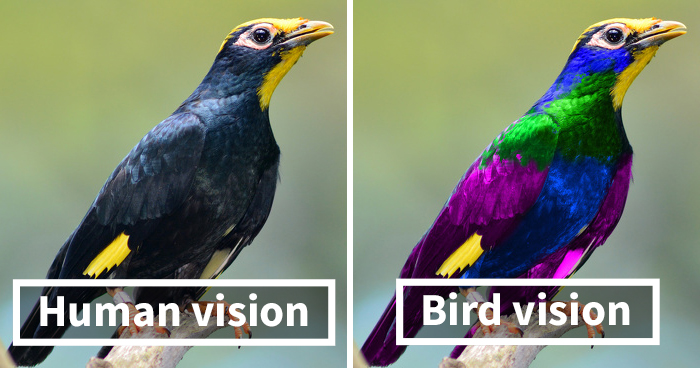
Birds can see more colors than humans. They have four types of cone cells in their eyes. Humans only have three types. This means birds can see ultraviolet light.
- Four types of cone cells
- See ultraviolet light
This ability helps birds in many ways. They can see patterns on flowers and fruits. These patterns are invisible to humans. Birds of prey use their color vision to spot prey from far distances.
Credit: www.quora.com
Night Vision Mechanisms
Birds have some fascinating mechanisms that enable them to see at night. These mechanisms allow birds to navigate and hunt in the dark. Understanding these processes can reveal how birds have adapted to their environments.
Rod Cells Function
Rod cells in a bird’s eyes play a crucial role in night vision. These cells are more sensitive to light than cone cells. They help birds see in low-light conditions by detecting minimal light. Rod cells don’t perceive color but they are excellent for night vision.
Birds with more rod cells can see better at night. Owls, for instance, have a high number of rod cells. This allows them to hunt effectively in the dark.
Tapetum Lucidum Presence
Some birds have a tapetum lucidum, a reflective layer in their eyes. This layer reflects light back through the retina, enhancing night vision. It makes the most of the available light, improving visibility in the dark.
Not all birds possess this feature, but those that do benefit greatly. The tapetum lucidum helps birds see in extremely low-light conditions.
| Feature | Function | Example |
|---|---|---|
| Rod Cells | Detect minimal light | Owls |
| Tapetum Lucidum | Reflects light back through the retina | Nightjars |
In summary, birds have developed unique night vision mechanisms. These include the use of rod cells and, in some species, the presence of a tapetum lucidum. These adaptations allow them to thrive in their nighttime environments.
Nocturnal Vs Diurnal Birds
Birds are fascinating creatures with diverse habits. Some birds are active during the day, while others are active at night. These are known as diurnal and nocturnal birds respectively. Both have unique adaptations that help them thrive in their environments.
Behavioral Differences
Diurnal birds, like sparrows and eagles, are active during daylight. They feed, mate, and socialize while the sun is up. Nocturnal birds, such as owls and nightjars, are active at night. They hunt and perform other activities in the dark.
Diurnal birds often rest at night. They find safe places to sleep away from predators. Nocturnal birds rest during the day. They find shaded, hidden spots to avoid danger.
Vision Adaptations
Diurnal birds have eyes adapted for daylight. They possess more cones in their retinas, which help them see colors vividly. This aids in finding food and spotting predators.
Nocturnal birds have eyes designed for low light conditions. They have more rods in their retinas, which are sensitive to light. This helps them see in the dark. Owls, for example, have large eyes that gather more light, enhancing their night vision.
The table below highlights the key differences in vision adaptations:
| Feature | Diurnal Birds | Nocturnal Birds |
|---|---|---|
| Retina Type | More cones | More rods |
| Activity Time | Day | Night |
| Eye Size | Smaller | Larger |
Both diurnal and nocturnal birds are adapted to their environments. Their vision plays a crucial role in their survival and daily activities.
Birds Known For Night Vision
Many birds can see well at night. Some are even better than humans. These birds have special eyes. They can see in the dark. Let’s learn about them.
Owls
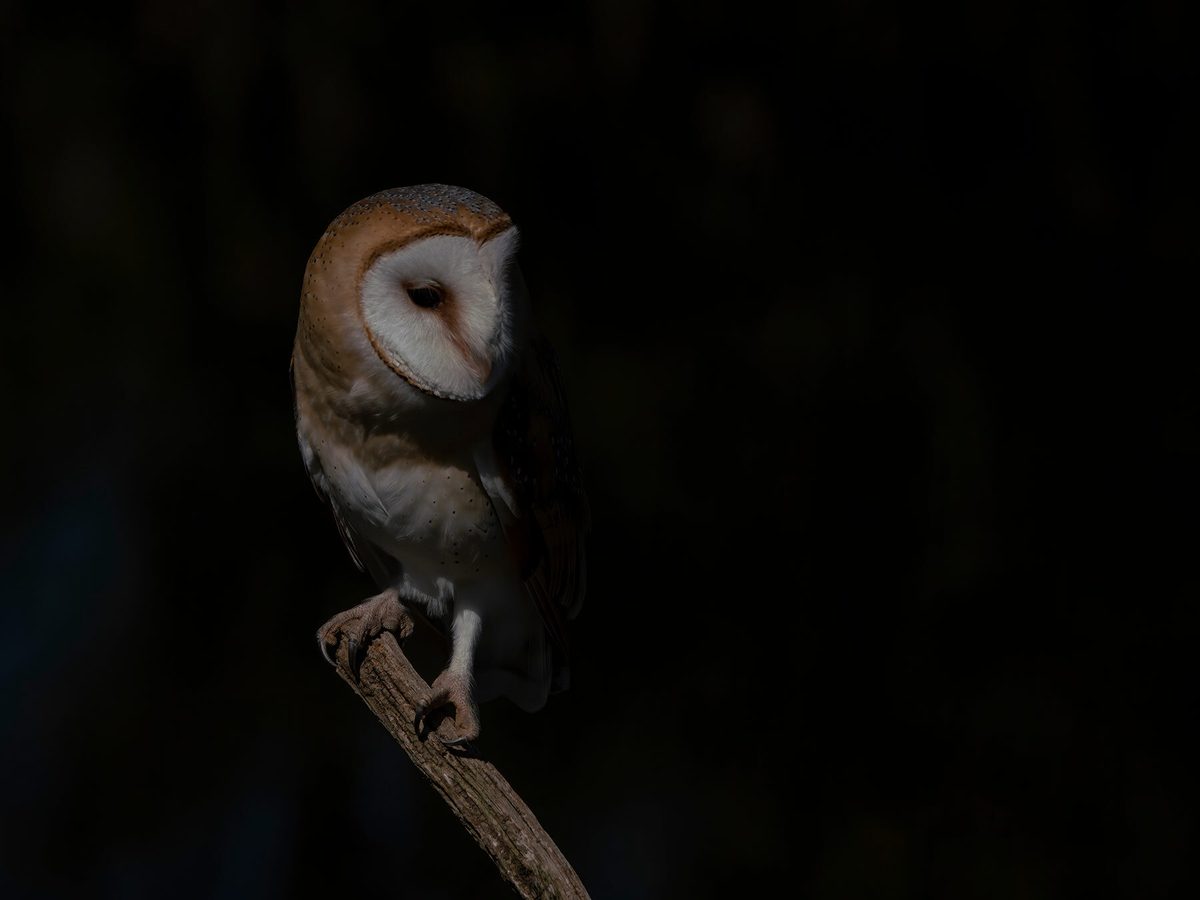
Owls are famous for their night vision. They hunt at night. Their eyes are very big. This helps them see more light. They also have special feathers. These feathers let them fly quietly. Owls can hear very well too. They use their ears to find food in the dark.
Nightjars
Nightjars are another bird with great night vision. They are active at dusk and dawn. Nightjars have big eyes like owls. They can see in low light. They eat insects that fly at night. Nightjars have a special mouth too. It is wide and perfect for catching bugs.
| Bird | Special Feature |
|---|---|
| Owls | Big eyes, silent flight |
| Nightjars | Wide mouth, large eyes |
Comparing Bird And Human Night Vision
Have you ever wondered if birds can see at night? Birds and humans have different night vision abilities. Understanding these differences is fascinating. In this section, we will compare their night vision capabilities.
Sensitivity Levels
Birds have higher sensitivity to light compared to humans. This means they can see better in low light conditions. Owls are a great example. They have large eyes that gather more light. This helps them hunt at night. Birds also have more rod cells in their eyes. Rod cells detect light but not color. Humans have fewer rod cells. This makes our night vision less effective.
Visual Acuity
Visual acuity refers to the sharpness of vision. Birds like owls have excellent visual acuity in the dark. Their eyes are adapted for night vision. They can see small movements from a distance. Human eyes are not as sharp in the dark. We rely more on artificial light at night. Birds use their sharp night vision to navigate and hunt. This gives them an advantage in their environment.
Credit: www.boredpanda.com
Impact Of Light Pollution
Light pollution affects birds in several ways. It disrupts their natural behaviors and health. Birds rely on the natural cycle of day and night. Artificial light changes this cycle, causing confusion and harm.
Behavioral Changes
Birds use the moon and stars for navigation. Bright city lights can lead them astray. They often end up exhausted or injured. Artificial light can also alter their feeding and mating habits. Birds may forage at night, leading to increased predation risks.
Table showing how light pollution affects bird behavior:
| Behavior | Effect of Light Pollution |
|---|---|
| Navigation | Disorients birds, leading to collisions |
| Foraging | Changes feeding times, increases risk |
| Mating | Disrupts mating rituals |
Health Consequences
Light pollution can harm birds’ health. Disrupted sleep patterns can weaken their immune system. Birds may suffer from stress and fatigue. Constant exposure to artificial light can lead to vision problems. Some birds may even experience reproductive issues due to altered hormone levels.
- Weakened immune system
- Stress and fatigue
- Vision problems
- Reproductive issues
Research And Discoveries
Scientists have long been curious about whether birds can see at night. Recent studies and technological advances have shed new light on this fascinating topic. This section explores the latest findings and innovations that have helped us understand bird vision better.
Recent Studies
Recent studies have shown that some birds can see at night. Owls, for example, have excellent night vision. Their large eyes and more rod cells help them see in the dark.
Other birds, like certain migratory species, also see well at night. They use the stars to navigate. Researchers have found that their eyes are sensitive to low light.
Scientists studied night-vision in birds using various methods. They observed bird behavior at night and analyzed their eye structure. These studies have provided valuable insights.
Technological Advances
Technological advances have played a crucial role in these discoveries. Night-vision cameras have allowed researchers to observe birds in their natural habitats. These cameras capture images in low light, revealing how birds move and behave at night.
Advanced imaging techniques, like CT scans and MRI, have also been used. These techniques help scientists study the internal structure of bird eyes. They reveal details about the distribution of rod and cone cells.
Table below summarizes key findings from recent studies:
| Bird Species | Night Vision Ability | Key Adaptations |
|---|---|---|
| Owls | Excellent | Large eyes, more rod cells |
| Migratory Birds | Good | Sensitive to low light, star navigation |
These technological tools have significantly advanced our understanding of bird vision. They have allowed researchers to gather data that was previously inaccessible.
Implications For Bird Conservation
Understanding whether birds can see at night has significant implications for bird conservation. Knowing how birds navigate darkness helps protect their habitats and informs policy decisions. Below, we explore the key areas influenced by this knowledge.
Habitat Protection
Birds rely on their vision to navigate and find food. Many birds can see well at night. This ability affects their habitat needs. Protecting habitats for nocturnal birds is crucial. They need safe places to rest and feed after dark. Artificial lights can disrupt their natural behaviors. Reducing light pollution in bird habitats helps them thrive. Proper lighting guidelines can create safer environments for these birds.
Policy Recommendations
Effective policies can help conserve bird populations. Here are some key recommendations:
- Implement light pollution regulations in critical bird areas.
- Promote habitat restoration projects focused on nocturnal birds.
- Encourage public awareness campaigns about the impact of artificial lights.
- Support research funding for studies on bird vision and behavior.
These policies can make a significant difference. They ensure birds have the necessary conditions to thrive, even at night.
Credit: birdfact.com
Frequently Asked Questions
Can Birds See In Total Darkness?
Birds cannot see in total darkness. They rely on minimal light to see. Some birds have better night vision than others.
Is It True That Birds Can’t See At Night?
No, it’s not true. Some birds, like owls, have excellent night vision. Most birds see poorly in the dark.
What Happens To Birds At Night?
Birds typically roost in trees or sheltered spots at night. They rest to conserve energy and avoid predators. Some birds may engage in nocturnal activities, depending on the species.
Can Birds Fly In The Dark?
Yes, some birds can fly in the dark. Nocturnal birds like owls have excellent night vision, aiding their flight.
Conclusion
Birds can indeed see at night, thanks to their unique eye structure. This ability helps them navigate and hunt. Understanding this can deepen our appreciation for these fascinating creatures. So, next time you spot a bird after dark, remember their incredible night vision.
Birds truly are remarkable in their nocturnal capabilities.