

To make a concrete bird bath, mix concrete and pour it into a mold. Let it cure, then remove the mold.
Creating a concrete bird bath is a simple and rewarding DIY project. This functional garden feature attracts birds and adds charm to your outdoor space. With basic materials like concrete mix, water, and a mold, you can craft a durable bird bath.
The process involves mixing the concrete, pouring it into a prepared mold, and allowing it to set. Once cured, the bird bath can be painted or decorated to match your garden’s theme. This project not only enhances your garden’s aesthetic but also provides a refreshing spot for birds to bathe and drink. Enjoy the process and the wildlife it attracts!
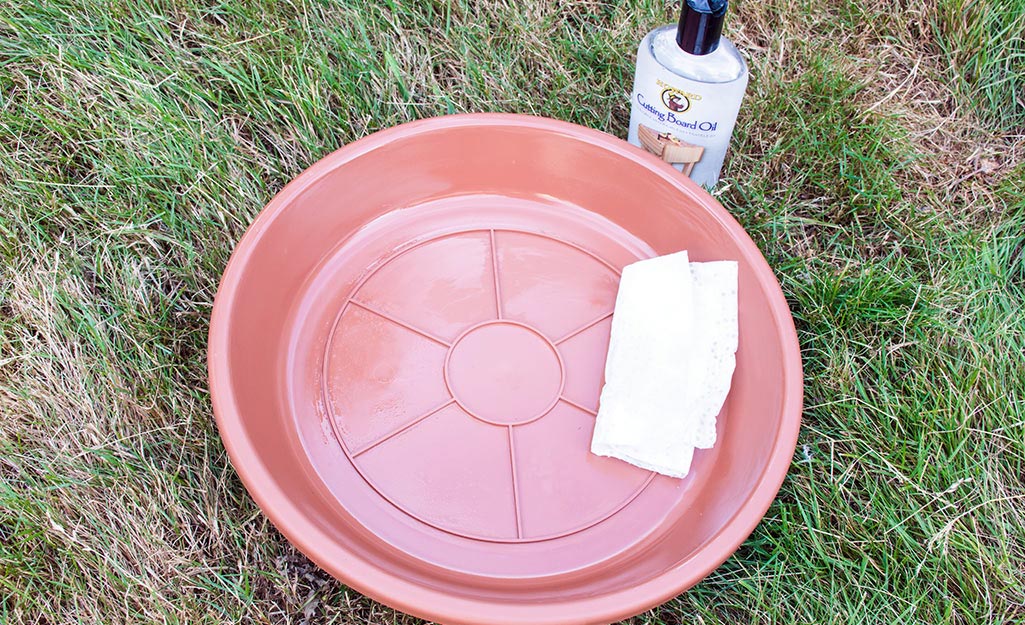
Credit: www.homedepot.com
Materials Needed
Creating a concrete bird bath is a fun project. The right materials are crucial for success. Below is a list of everything you need.
Concrete Mix
For the bird bath, you need a quality concrete mix. Choose a mix that is easy to work with. Here are some options:
- Quick-setting concrete
- High-strength concrete
- All-purpose concrete
Molds
Molds shape your bird bath. You can use household items or special molds.
| Type of Mold | Examples |
|---|---|
| Household Items | Old bowls, large leaves |
| Special Molds | Plastic or silicone molds |
Tools
Gather these tools to make your job easier:
- Mixing bucket
- Stirring stick
- Rubber gloves
- Release agent (e.g., cooking spray)
These materials will help you create a stunning bird bath. Enjoy your DIY project!
Choosing The Right Mold
Creating a concrete bird bath is a fun project. The key to success lies in choosing the right mold. The mold shapes the bird bath, so make sure it’s perfect.
Types Of Molds
There are several types of molds for bird baths. The most common types include:
- Plastic molds: These are durable and reusable.
- Silicone molds: These offer flexibility and easy removal.
- Wooden molds: You can make these at home with simple tools.
Choose the type that best fits your project needs. Plastic and silicone molds are best for beginners.
Size Considerations
The size of the mold affects the bird bath’s final shape. Consider these points:
| Bird Bath Size | Ideal Mold Size |
|---|---|
| Small (1-2 feet) | Small molds, easy to handle |
| Medium (2-3 feet) | Moderate size molds |
| Large (3+ feet) | Large molds, needs support |
Choose a mold size that matches your space. A small garden needs a small bird bath.
Preparing The Workspace
Getting ready to make a concrete bird bath starts with preparing your workspace. A well-prepared area ensures safety and efficiency. Follow these steps to get your workspace ready.
Safety Measures
Before starting, wear the right gear. Safety is very important. Use gloves to protect your hands. Wear safety goggles to shield your eyes. A dust mask helps you breathe clean air.
- Gloves: Protect your hands from concrete and sharp tools.
- Safety Goggles: Keep dust and debris out of your eyes.
- Dust Mask: Prevent inhaling harmful particles.
Keep a first aid kit nearby. Make sure your workspace has good ventilation. This keeps the air fresh and safe to breathe.
Organizing Tools
Having the right tools ready makes the job easier. Organize all tools before you start. Here is a list of tools you will need:
- Concrete Mix: The main ingredient for your bird bath.
- Bucket: For mixing concrete.
- Trowel: To spread and shape concrete.
- Plastic Mold: To shape the bird bath.
- Water: Essential for mixing the concrete.
Place your tools on a sturdy table. This keeps everything within reach. A clean, organized workspace helps you work faster and safer.
| Tool | Purpose |
|---|---|
| Concrete Mix | Main material for the bird bath |
| Bucket | Mixing the concrete |
| Trowel | Spreading and shaping the concrete |
| Plastic Mold | Creating the shape of the bird bath |
| Water | Mixing with the concrete |
Remember, a tidy workspace ensures a smooth project. By preparing your workspace, you set yourself up for success in making your concrete bird bath.
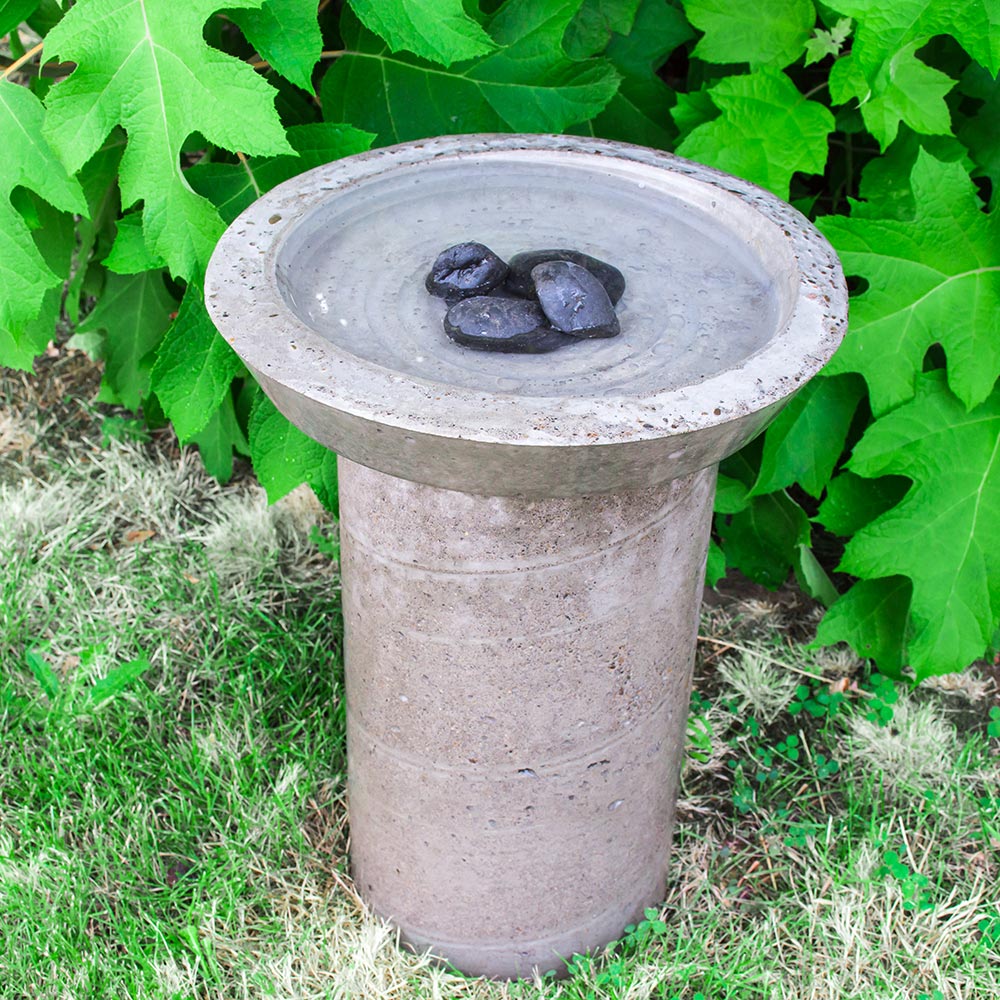
Credit: www.homedepot.com
Mixing The Concrete
Creating a concrete bird bath is a fun project. The key step is mixing the concrete. Get the right mix for a strong and durable bird bath. Follow these tips to ensure your concrete mix is perfect.
Mixing Ratios
The right mixing ratio is crucial. It ensures your bird bath’s strength and durability. Use the following table for the ideal mix:
| Material | Ratio |
|---|---|
| Cement | 1 part |
| Sand | 2 parts |
| Gravel | 3 parts |
| Water | 0.5 parts |
Mixing these ratios correctly will make the concrete strong. Cement provides the binding. Sand and gravel add strength. Water activates the mix.
Consistency Tips
The consistency of your concrete mix is essential. Here are some tips:
- Mix until smooth and lump-free.
- The mix should be thick, not runny.
- If too dry, add a little water.
- If too wet, add more dry mix.
A good mix should hold its shape. It should not be too wet. Think of thick oatmeal. That’s the ideal consistency.
Follow these tips for a perfect mix. Your concrete bird bath will last for years.
Pouring The Concrete
Once you have your bird bath mold ready, it’s time to pour the concrete. This step requires precision to ensure the bird bath takes the right shape and has a smooth finish.
Filling The Mold
Start by mixing the concrete according to the instructions. Ensure the consistency is thick but pourable. Carefully pour the concrete into the mold. Use a scoop or a small shovel to fill it evenly. Make sure to fill the mold to the top. This ensures the bird bath has a flat surface.
For best results, do not rush this step. Pour slowly to avoid spilling or creating air pockets. It’s also helpful to have a friend hold the mold steady while you pour.
Removing Air Bubbles
Air bubbles can weaken the structure of your bird bath. To remove them, gently tap the sides of the mold with a rubber mallet. This helps the concrete settle and forces the air bubbles to the surface.
If you see bubbles rise to the top, use a stick to pop them. For better results, you can also shake the mold slightly. This ensures a smooth and durable finish.
After removing air bubbles, let the concrete set. Follow the drying instructions on the concrete mix package. Usually, it takes 24 to 48 hours for the concrete to fully cure.
Curing Process
The curing process is crucial for your concrete bird bath. It ensures the concrete hardens properly. This makes your bird bath durable. Without proper curing, the concrete may crack. Follow these steps to cure your bird bath correctly.
Drying Time
Drying time is vital for your concrete bird bath. Allow the concrete to dry for at least 24 hours. This is the initial drying phase. Do not disturb the bird bath during this time. After 24 hours, the concrete will be partially cured.
Full curing takes longer. Concrete needs at least 7 days to fully cure. For best results, let it cure for 28 days. This ensures maximum strength. Patience is key during this phase.
Temperature Control
Temperature control is important during curing. Keep the concrete bird bath in a cool, shaded area. Avoid direct sunlight. High temperatures can cause cracks. Ideal curing temperature is between 50°F and 70°F.
If the weather is too hot or too cold, take extra steps. Use a plastic sheet to cover the bird bath. This helps control the temperature. It keeps moisture in, preventing cracks.
| Temperature | Action |
|---|---|
| Hot (Above 70°F) | Cover with a plastic sheet |
| Cold (Below 50°F) | Cover and place in a warmer area |
Removing The Mold
After creating your concrete bird bath, it’s time to remove the mold. This step is crucial to reveal your beautiful bird bath. Follow these steps to ensure a smooth removal.
Timing
Timing is key when removing the mold. Wait for the concrete to cure properly. This usually takes around 24 to 48 hours. Check the manufacturer’s instructions for exact curing times. Patience is essential for the best results.
Techniques
Use gentle techniques to avoid damaging your bird bath. Start by tapping the sides of the mold gently. This helps loosen the concrete. If the mold is stubborn, use a rubber mallet. Tap gently around the mold’s edges.
If your mold has screws or clamps, remove them first. Carefully separate the mold pieces. If the mold sticks, use a plastic putty knife. Slide it between the mold and the concrete. Work slowly to avoid scratches.
Once the mold is removed, inspect the bird bath for imperfections. Sand any rough edges with fine-grit sandpaper. This ensures a smooth finish for your feathered friends.
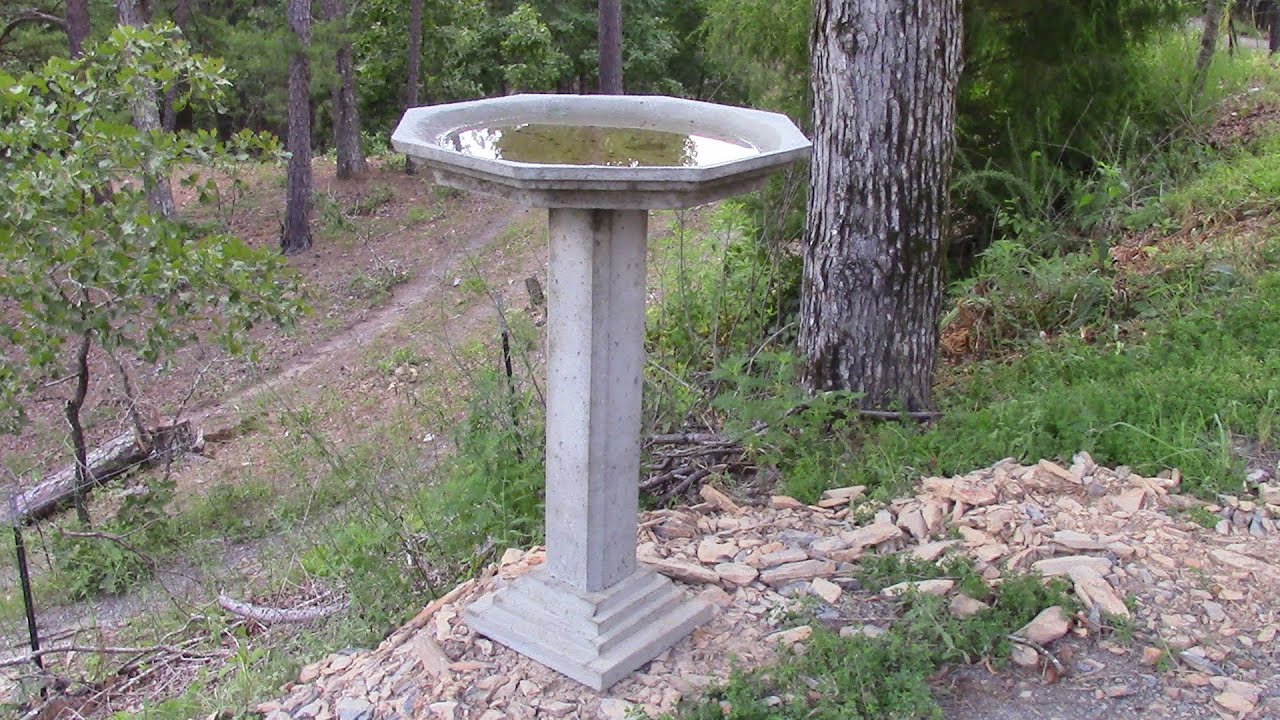
Credit: www.youtube.com
Finishing Touches
The finishing touches of your concrete bird bath can greatly affect its longevity and visual appeal. These steps ensure your bird bath looks polished and lasts through various weather conditions. Let’s dive into the final steps of your project.
Sanding Edges
Start by sanding the edges of your bird bath. Use fine-grit sandpaper to smooth any rough surfaces.
- Wrap the sandpaper around a block for an even finish.
- Focus on areas where birds will perch.
- Ensure there are no sharp or jagged edges.
This step ensures a safe and comfortable environment for the birds.
Painting And Sealing
Once the edges are smooth, it’s time for painting and sealing.
- Choose a non-toxic paint suitable for outdoor use.
- Apply a primer to help the paint adhere better.
- Paint the bird bath with your chosen color.
- Allow the paint to dry completely.
- Apply a clear, water-resistant sealant to protect the finish.
This process not only enhances the bird bath’s appearance but also protects it from the elements.
Make sure to use products safe for birds, ensuring their health and safety.
Installing The Bird Bath
Now that you have created your concrete bird bath, it’s time to install it. A properly installed bird bath will attract more birds and ensure it stays stable and safe.
Choosing A Location
First, choose a location that is visible from your window. This allows you to enjoy watching the birds. The spot should be sunny and open but not too exposed.
- Ensure the bird bath is near trees or bushes.
- Avoid areas with frequent human activity.
- Make sure the ground is level and firm.
Stabilizing The Base
Next, it’s crucial to stabilize the base to prevent tipping. A stable base ensures the bird bath remains upright and safe.
- Dig a hole that fits the base of the bird bath.
- Fill the hole with gravel for drainage.
- Place the base in the hole and check if it’s level.
- Backfill with soil, pressing down firmly.
- Pour water to test the stability of the bird bath.
Use a spirit level to ensure the bird bath is even. An uneven bird bath might spill water and deter birds.
| Step | Action |
|---|---|
| 1 | Choose a sunny spot with nearby bushes. |
| 2 | Dig a hole for the base. |
| 3 | Fill the hole with gravel. |
| 4 | Place and level the base. |
| 5 | Backfill with soil and test with water. |
By following these steps, your bird bath will be stable and ready for feathered visitors. Enjoy watching birds splash and play in your new concrete bird bath!
Frequently Asked Questions
What Is The Best Concrete Mix For A Bird Bath?
The best concrete mix for a bird bath is a blend of Portland cement, sand, and water. Use a 1:2 ratio of cement to sand. This mix ensures durability and a smooth finish.
How Do You Make A Homemade Concrete Bird Bath?
To make a homemade concrete bird bath, mix concrete, pour into a mold, insert a bowl, and let it set. Decorate as desired.
How To Waterproof A Concrete Bird Bath?
Clean the bird bath thoroughly. Apply a concrete sealer with a brush. Let it dry completely. Repeat the process for better protection.
Do Birds Like Concrete Bird Baths?
Yes, birds like concrete bird baths. They offer stability and keep water cool. Ensure it’s clean and shallow for safety.
Conclusion
Creating a concrete bird bath is a rewarding project. It enhances your garden and attracts beautiful birds. Follow the steps carefully for a durable and attractive bird bath. Enjoy watching your feathered friends splash and play. Share this guide with fellow bird lovers and spread the joy of bird watching.