

Blue Jay birds do not mate for life. They often form monogamous pairs for a single breeding season.
Blue Jays are fascinating birds with striking blue plumage and complex behaviors. Found primarily in North America, these birds are known for their intelligence and adaptability. While they do form strong pair bonds during the breeding season, they do not mate for life.
Each season, Blue Jays may choose new partners, allowing for genetic diversity. These birds are also notable for their diverse diet, consuming everything from nuts and seeds to small insects. Their loud calls and social behavior make them easily recognizable. Understanding their mating habits and social structures can provide deeper insight into their lives and ecology.
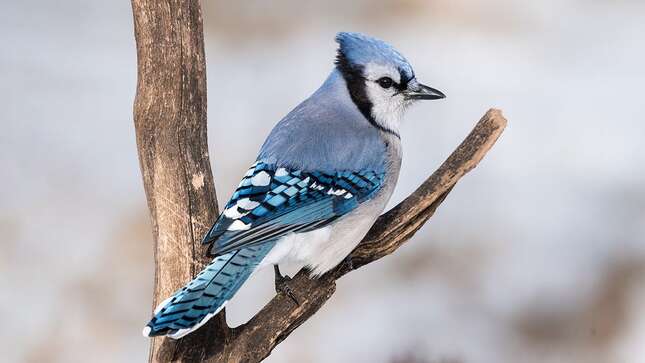
Credit: www.theonion.com
Blue Jay Mating Behaviors
Blue Jays are fascinating birds known for their vibrant colors and intelligence. Their mating behaviors are equally intriguing and provide insight into their social structure. In this section, we will explore Blue Jay mating behaviors, focusing on courtship rituals and pair bonding.
Courtship Rituals
During the mating season, male Blue Jays engage in a variety of courtship rituals to attract females. One common behavior is the courtship display, where the male fluffs his feathers and spreads his tail.
- Males often bring food to females as a gift.
- They also perform aerial displays, showcasing their flying skills.
- Calls and songs play a crucial role in courtship.
These rituals help establish the bond between potential mates. The male’s efforts demonstrate his suitability as a partner.
Pair Bonding
Once a male and female Blue Jay form a pair, they engage in activities that strengthen their bond. Pair bonding often includes mutual preening, where they clean each other’s feathers.
| Bonding Activity | Description |
|---|---|
| Mutual Preening | Cleaning each other’s feathers |
| Nesting Together | Building and maintaining a nest |
| Food Sharing | Feeding each other |
These activities help maintain the pair’s relationship throughout the breeding season. Blue Jays often stay together year-round, creating a strong family unit.
Monogamy In Bird Species
Monogamy in bird species is fascinating. Many birds form lifelong pairs. This practice ensures their young have the best chance of survival. Birds often form bonds during mating seasons. These bonds help them raise their chicks together. Let’s explore which birds are monogamous and if blue jays are one of them.
Common Monogamous Birds
Several birds are known for monogamous behavior. These birds often form long-term pairs:
- Swans: Known for their lifelong partnerships.
- Eagles: Often mate for life, raising strong chicks.
- Albatrosses: Famous for their long-term commitments.
- Penguins: Many species form tight bonds.
- Geese: Known for their family-oriented behavior.
Comparing Blue Jays
Blue jays are interesting birds with unique traits. Their mating behavior has been studied closely. Unlike some birds, blue jays show mixed behavior:
| Characteristic | Blue Jays |
|---|---|
| Mating Season | Spring |
| Nesting | Both parents build the nest |
| Parenting | Both parents feed the chicks |
Blue jays often stay with one mate for several seasons. They are not always monogamous for life. They may change partners if a mate is lost. They work together to raise their young. This cooperation helps their chicks grow strong.
Understanding bird monogamy helps us appreciate their complex lives. Blue jays show that even without lifelong bonds, strong family ties matter. They adapt and thrive in their environments, showing nature’s resilience.
Nesting Habits
Blue Jay birds are known for their fascinating nesting habits. These behaviors shed light on their family dynamics and mating patterns. Understanding their nesting habits helps us learn more about these beautiful birds.
Nest Building
Blue Jays are skilled nest builders. They typically start building nests in early spring. They choose tall trees to place their nests. Both the male and female participate in nest building.
The nest is built using twigs, grass, and small roots. They sometimes use paper and fabric too. The nest is cup-shaped and sturdy. This structure protects their eggs and young ones.
Parental Roles
Blue Jays share parental responsibilities. The female lays and incubates the eggs. She stays in the nest while the male provides food. He guards the nest from predators.
Both parents feed the chicks after they hatch. They bring insects and seeds to the nest. They teach the young birds how to find food.
Blue Jay parents are very protective. They chase away threats to their nest. Their teamwork ensures the survival of their chicks.
Breeding Season Patterns
The breeding season of Blue Jay birds is fascinating. These birds show unique patterns during this period. Understanding their habits can help us learn more about their mating behavior.
Timing And Duration
The breeding season for Blue Jays usually starts in spring. It often begins in March or April. This season can last until July. During this time, they become very active. They build nests and lay eggs. Each pair of Blue Jays might raise more than one brood.
Geographical Variations
The timing of the breeding season can vary. It depends on their location. In northern areas, the season starts later. It might begin in late April or early May. In southern regions, it can start earlier, sometimes in late February.
Here is a table showing the breeding season variations:
| Region | Breeding Season Start | Breeding Season End |
|---|---|---|
| Northern Areas | Late April | July |
| Southern Areas | Late February | June |
Blue Jays adapt to their environment. This helps them survive and thrive.
Mate Selection Process
The mate selection process of blue jay birds is fascinating. These intelligent birds have unique methods for choosing a partner. Their behaviors and rituals are complex and captivating.
Criteria For Choosing A Mate
Blue jays consider several criteria before selecting a mate. These criteria include:
- Physical Appearance: Bright feathers and healthy plumage attract potential mates.
- Strength and Agility: Strong and agile birds are preferred for their survival skills.
- Health: Signs of good health, such as clear eyes and active behavior.
- Social Status: Higher social rank can influence mate selection.
Role Of Vocalizations
Vocalizations play a crucial role in the mating process. Blue jays use various calls to communicate:
- Attracting a Mate: Males use specific calls to attract females.
- Defending Territory: Vocalizations help defend territory from rivals.
- Bonding: Pairs use soft calls to strengthen their bond.
Each call has a unique purpose and helps in the selection process. The ability to produce strong and diverse calls is important.
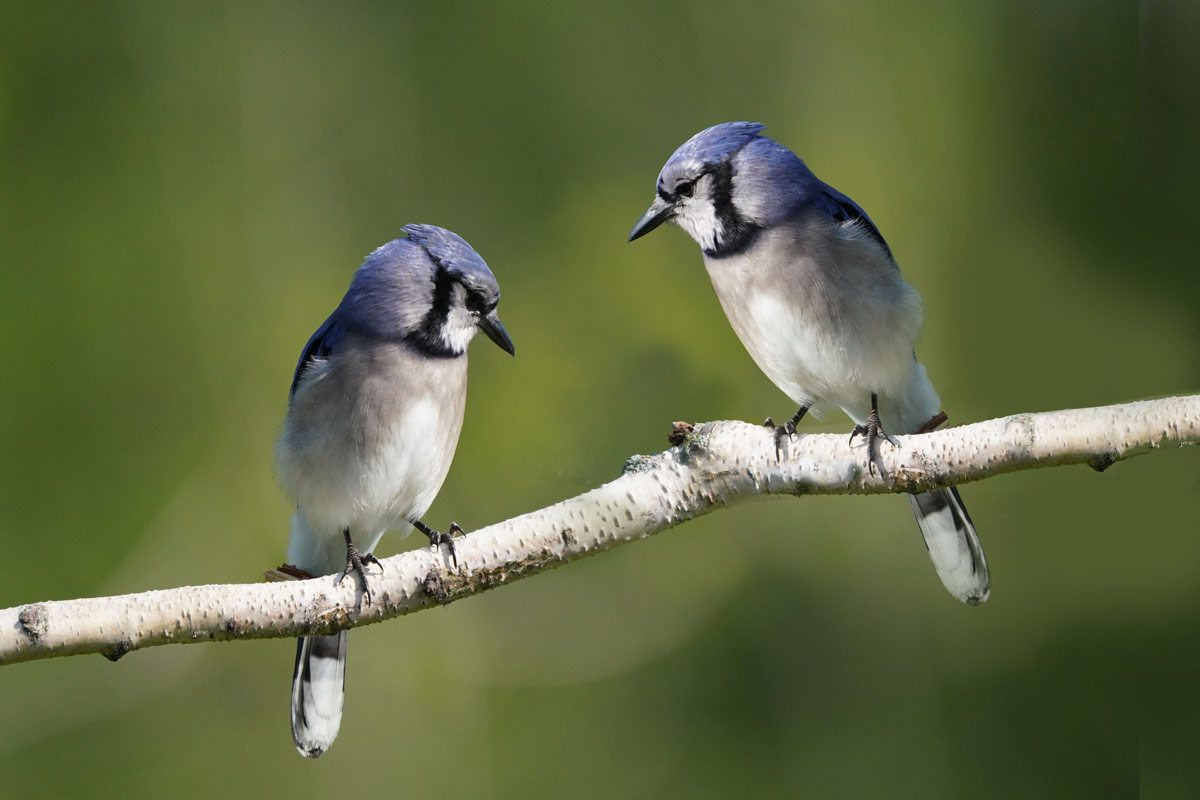
Credit: www.lyricbirdfood.com
Lifelong Partnerships
Blue Jays are known for their vibrant colors and lively behavior. But do these birds form lifelong partnerships? The answer is fascinating and reveals much about their social structure.
Evidence Of Long-term Bonds
Research shows that Blue Jays often form strong, long-term bonds. Observations indicate that many Blue Jay pairs stay together for multiple seasons. These birds engage in mutual feeding and cooperative nesting.
Experts have noted behaviors such as:
- Mutual preening
- Shared parenting duties
- Vocal communication
These actions suggest a deep bond between mating pairs, strengthening over time. Studies also show that pairs return to the same nesting sites each year, further emphasizing their commitment.
Factors Influencing Longevity
Several factors influence the longevity of Blue Jay partnerships. Environmental stability plays a crucial role. In stable environments, Blue Jays are more likely to maintain long-term bonds.
Other factors include:
| Factor | Impact |
|---|---|
| Food Availability | Abundant food sources promote stable partnerships. |
| Predator Presence | Low predator threats lead to longer-lasting bonds. |
| Climate Conditions | Mild climates support longer relationships. |
Blue Jays adapt to changing conditions, but stability enhances their bond. Understanding these factors provides insight into their mating habits and social behaviors.
Challenges To Monogamy
Blue jays are known for their striking blue plumage and intelligence. But do they mate for life? While these birds form strong pair bonds, their monogamy faces various challenges.
Predation And Threats
Blue jays face many natural predators. Hawks, owls, and snakes are common threats. Predators can break up pairs by killing one partner. This forces the surviving bird to find a new mate. Human activities also pose threats. Habitat destruction and pollution disrupt their lives.
Environmental Changes
Environmental changes impact blue jay mating behaviors. Climate change affects food availability and nesting sites. Harsh winters and hot summers make survival hard. These conditions can weaken bonds between mates. Urbanization limits their natural habitats. As cities grow, blue jays struggle to find safe nesting areas.
Here are some major challenges blue jays face:
- Predation by larger birds and animals
- Loss of habitat due to deforestation
- Climate change impacting food and nesting
- Pollution affecting health and survival
Understanding these challenges helps us protect blue jays. It ensures they thrive and continue their unique mating behaviors.

Credit: www.pinterest.com
Research And Studies
Understanding whether Blue Jay birds mate for life requires delving into research and studies. This section explores the latest findings and future research directions regarding Blue Jay mating behavior.
Key Findings
Researchers have conducted several studies on Blue Jay mating habits. The findings are intriguing:
- Pair Bonds: Many Blue Jays form strong pair bonds during the breeding season.
- Seasonal Fidelity: Some studies suggest Blue Jays often return to the same mate each year.
- Parental Cooperation: Both male and female Blue Jays participate in raising the young.
These key findings indicate a tendency toward monogamous behavior. Yet, they do not conclusively prove lifetime mating.
Future Research Directions
More research is needed to fully understand Blue Jay mating patterns. Future studies could focus on:
- Long-Term Tracking: Using GPS to monitor Blue Jay pairs over multiple years.
- Genetic Testing: Analyzing the genetic makeup of offspring to confirm parentage.
- Behavioral Observation: Detailed observation of Blue Jay behavior during different seasons.
These research directions aim to provide a clearer picture of Blue Jay mating behaviors. They will help determine if these birds indeed mate for life.
Frequently Asked Questions
Are Blue Jays Monogamous?
Yes, Blue Jays are generally monogamous. They usually form long-term pair bonds and often stay together year-round.
Do Blue Jays Stay Together As A Family?
Blue Jays do not stay together as a family. After fledging, young birds leave to find their own territory.
Do Blue Jays Mourn?
Blue Jays exhibit signs of mourning. They gather around deceased birds, appearing agitated and vocalizing loudly. This behavior suggests emotional responses.
Do Blue Jays Come Back To The Same Place Every Year?
Yes, Blue Jays often return to the same location each year. They prefer familiar nesting sites and territories.
Conclusion
Understanding blue jay mating habits enriches our knowledge of these fascinating birds. Blue jays don’t always mate for life. Some form long-term bonds, while others seek new partners. Observing their behavior provides insights into their social structures. By studying blue jays, we gain a deeper appreciation for nature’s complexity and beauty.