

Pigeons often hide when they sense they are dying, seeking secluded spots. They may end up in places like rooftops or underbrush.
Pigeons, commonly found in urban areas, display a unique behavior when nearing death. They often seek out hidden, quiet places to die. This instinctual behavior helps them avoid predators and maintain the health of their flock. While many pigeons may die in obscure locations, their bodies decompose quickly, reducing the chances of being found.
This natural process contributes to the cleanliness of urban environments. Understanding where pigeons go to die provides insight into their survival instincts and the ecological balance within cities. This behavior also highlights the often unseen aspects of urban wildlife.
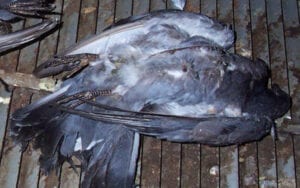
Credit: www.pigeonpatrol.ca
Pigeon Lifespan
Pigeons, those common city birds, live interesting lives. Their lifespan can vary based on many factors. Understanding their lifespan helps answer the question: Where do pigeons go to die?
Average Age
The average lifespan of a pigeon is about 3 to 5 years. Some pigeons live longer in the wild. In captivity, they can live up to 15 years. Captive pigeons live longer due to better care and fewer predators. Wild pigeons face many challenges that shorten their lives.
Factors Affecting Lifespan
Several factors affect a pigeon’s lifespan. These factors include:
- Predators: Hawks, cats, and humans can harm pigeons.
- Food Availability: Pigeons need a steady food supply to live longer.
- Weather: Harsh weather conditions can reduce their lifespan.
- Diseases: Pigeons can catch diseases that shorten their lives.
- Human Interaction: City pigeons face dangers from cars and buildings.
Pigeons face many challenges in their environment. These challenges impact their lifespan. Understanding these factors helps us care for them better.
Natural Predators
Pigeons face many threats from natural predators. These predators play a crucial role in controlling pigeon populations. Let’s explore the main natural enemies of pigeons.
Birds Of Prey
Birds of prey are powerful hunters and a major threat to pigeons. These birds have sharp talons and keen eyesight. They can spot a pigeon from far away.
| Bird of Prey | Hunting Method |
|---|---|
| Hawks | They swoop down quickly to catch pigeons. |
| Falcons | They dive at high speeds to |
Health Issues
Pigeons, like all living creatures, can suffer from various health issues. These problems significantly impact their life span. Understanding their health challenges can help us better care for them.
Common Diseases
Pigeons are prone to several common diseases. Some of these can even spread to humans. Here are a few:
- Psittacosis: A bacterial infection, also known as parrot fever.
- Salmonellosis: Another bacterial infection that affects the intestines.
- Canker: Caused by a parasite, leading to lesions in the mouth.
Each of these diseases can cause severe health problems. They can also reduce the pigeon’s lifespan drastically.
Impact Of Urban Environment
The urban environment poses unique challenges for pigeons. Cities are full of dangers and stressors that can harm their health.
| Urban Threat | Impact |
|---|---|
| Pollution | Causes respiratory issues |
| Limited Food | Leads to malnutrition |
| Traffic | Results in frequent injuries |
These urban threats can worsen the pigeon’s existing health issues. They also contribute to their early deaths.

Credit: www.imdb.com
Behavioral Patterns
Pigeons exhibit unique behaviors, especially in their final moments. Understanding their behavioral patterns can shed light on where they go to die. Here, we will explore two primary behaviors: flocking instincts and solitary behavior.
Flocking Instincts
Pigeons are social birds. They have a strong flocking instinct. This means they prefer to stay in groups. This instinct helps them protect each other from predators. When pigeons are sick or old, they might still try to stay with the flock. This behavior provides them warmth and safety.
Yet, not all pigeons die in the flock. Some might wander off. But their instinct to flock remains strong throughout their life.
Solitary Behavior
Despite their social nature, some pigeons show solitary behavior before dying. This behavior is common in many animals. Pigeons might hide in small, dark places. These places can be under bridges, in attics, or in dense foliage.
This behavior helps them avoid predators. It also helps them conserve energy. By hiding, they can rest and be at peace. This solitary behavior is a natural part of their life cycle.
| Behavior | Description |
|---|---|
| Flocking Instincts | Staying with the group for protection and warmth. |
| Solitary Behavior | Hiding alone to rest and avoid predators. |
- Flocking Instincts: Prefer staying in groups.
- Solitary Behavior: Hiding in small, dark places.
Death In Urban Areas
Death in Urban Areas is a topic often overlooked. In cities, pigeons live among us. But where do they go when they die? Let’s explore this phenomenon.
City Infrastructure
Cities have complex infrastructures. These structures provide many hiding spots for pigeons. Pigeons often die in these hidden places. Buildings, bridges, and rooftops are common spots.
| Location | Description |
|---|---|
| Buildings | Pigeons nest in attics and die there. |
| Bridges | Under bridges, pigeons find safe spots to die. |
| Rooftops | High and quiet, rooftops are final resting places. |
Scavengers And Clean-up
Scavengers play a vital role in cleaning up dead pigeons. Animals like rats, crows, and cats eat dead pigeons. This helps to keep the city clean. These scavengers are nature’s clean-up crew.
City workers also help. They remove dead pigeons from public areas. This keeps the city looking tidy. Street cleaners and sanitation workers are essential.
- Rats
- Crows
- Cats
- Street Cleaners
- Sanitation Workers
Both scavengers and city workers ensure that dead pigeons do not stay long. This keeps the urban environment healthy for everyone.
Death In Rural Areas
Pigeons often live unnoticed among us. Yet, their deaths remain a mystery, especially in rural areas. Understanding their final moments can shed light on their secretive lives.
Natural Habitats
In rural areas, pigeons often inhabit barns, silos, and old buildings. These structures provide shelter and safety. Pigeons prefer high, hidden spots to avoid predators.
Many pigeons die in these hidden places. Their bodies remain undisturbed for a long time. Sometimes, they are found only by accident.
Environmental Factors
Various environmental factors affect pigeon deaths in rural settings. Extreme weather can be harsh on these birds. Cold winters or hot summers can lead to death.
Predators also play a role. Hawks, owls, and foxes are common threats. A pigeon weakened by age or illness is easy prey.
Additionally, human activities impact pigeon mortality. Use of pesticides and poisons in farming can be lethal. Pigeons may ingest these toxic substances unknowingly.
| Factors | Impact on Pigeons |
|---|---|
| Weather | Extreme temperatures cause death |
| Predators | Increased vulnerability to attacks |
| Pesticides | Ingestion of toxic chemicals |
Understanding these factors helps in explaining why pigeons disappear. Their deaths are not always visible. Yet, they follow predictable patterns influenced by their environment.
Human Interaction
Pigeons live in cities and often interact with humans. These interactions can impact their lives in many ways. We will explore two main areas: feeding practices and the impact of pollution.
Feeding Practices
People love to feed pigeons. They often give them bread and other scraps. This food is not always healthy for pigeons.
| Food Type | Healthy? |
|---|---|
| Bread | No |
| Seeds | Yes |
| Fruits | Yes |
Feeding pigeons unhealthy food can make them sick. Sick pigeons find it hard to survive. They may hide in quiet places to die.
Impact Of Pollution
Pollution in cities affects pigeons too. Dirty air and water harm their health. Pigeons often drink from puddles or eat from trash. This exposes them to harmful substances.
Pollution can cause diseases in pigeons. These diseases weaken them. Weakened pigeons may seek shelter away from busy areas. They often choose rooftops, abandoned buildings, or parks. These places offer peace in their final moments.
- Air pollution causes respiratory problems in pigeons.
- Water pollution leads to digestive issues.
- Trash can contain toxic substances.
Human actions impact pigeon health significantly. Feeding them proper food and reducing pollution can help. This ensures a healthier environment for our feathered friends.
Myths And Misconceptions
Pigeons are everywhere in cities. But many wonder where they go to die. There are numerous myths and misconceptions about this. Let’s explore and debunk some of these beliefs.
Common Beliefs
Many people think pigeons go to secret places to die. Some believe they find hidden spots, like attics or abandoned buildings. Others think cats or other predators eat them.
- Secret places: Attics, basements, and hidden corners.
- Predator theory: Pigeons get eaten by cats or hawks.
- Natural hiding: Pigeons hide in dense trees or bushes.
Scientific Explanations
Scientists have studied pigeon behavior. They offer more practical explanations. Pigeons do not seek special places to die. Instead, they usually die due to illness or old age in everyday locations.
When pigeons feel weak, they may hide to avoid predators. They might find a quiet corner in a building or under a bridge. This makes them less visible to us.
| Reason | Explanation |
|---|---|
| Illness or Old Age | Pigeons often die in common areas. |
| Hiding from Predators | They seek quiet, hidden spots. |
| Natural Causes | Death occurs in usual surroundings. |
Conservation Efforts
Pigeons are often overlooked in urban environments. Yet, their role in the ecosystem is vital. Conservation efforts aim to protect these birds and maintain ecological balance.
Protecting Pigeon Populations
Efforts to protect pigeon populations focus on their habitat and food sources. Conservationists work to ensure pigeons have safe nesting areas. They also provide clean and accessible food and water sources.
Urban parks and green spaces are ideal for pigeon conservation. Volunteers often clean these areas to remove harmful waste. This helps pigeons avoid ingesting dangerous materials.
Educational programs raise awareness about pigeon conservation. Schools and community groups learn how to coexist with these birds. They also learn about the importance of not disturbing pigeon nests.
Balancing Urban Wildlife
Balancing urban wildlife requires understanding the needs of different species. Pigeons are part of a larger urban ecosystem. They share their habitat with other birds and animals.
City planners design spaces to accommodate various wildlife. This includes creating nesting areas and food sources for pigeons. They also ensure that these spaces are safe from predators and human interference.
Regular monitoring of pigeon populations helps maintain balance. Scientists track pigeon numbers and health. This data informs conservation strategies and ensures pigeons thrive in urban areas.
| Conservation Strategy | Details |
|---|---|
| Creating Safe Habitats | Designating green spaces and clean nesting sites. |
| Providing Food and Water | Ensuring access to clean and sufficient resources. |
| Educational Programs | Teaching communities about pigeon conservation. |
| Regular Monitoring | Tracking pigeon population and health data. |

Credit: www.imdb.com
Frequently Asked Questions
Why Don’t I See Dead Pigeons?
Dead pigeons are often scavenged quickly by animals, making them less visible. Additionally, cities have cleanup crews that promptly remove deceased birds.
Why Do Pigeons Die Suddenly?
Pigeons may die suddenly due to diseases, predators, toxins, or environmental hazards. Common causes include viral infections and poisoning.
How Do Pigeons Typically Die?
Pigeons typically die from predation, disease, accidents, or old age. Common predators include hawks, cats, and humans.
What Is The Leading Cause Of Death Of Pigeons?
The leading cause of death in pigeons is disease, particularly avian flu and pigeon paramyxovirus. Predation and accidents also contribute.
Conclusion
Understanding where pigeons go to die unveils nature’s hidden processes. Observing their behavior offers valuable insights. These birds often seek secluded places. Their natural instincts guide them to peaceful locations. Knowing this helps us respect their life cycle. Appreciate the quiet mysteries of pigeon life and death.