

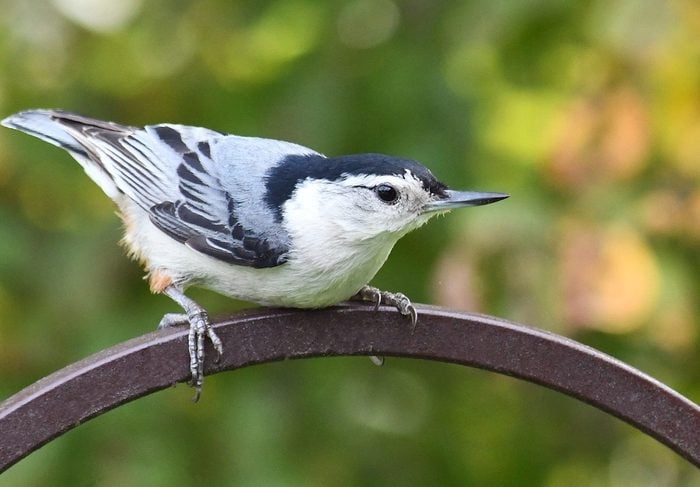
Many birds are black and white, such as magpies, penguins, and puffins. These birds are easily recognizable by their contrasting colors.
Birds with black and white plumage stand out in the avian world. Magpies, known for their intelligence, feature glossy black and white feathers. Penguins, iconic for their tuxedo-like appearance, thrive in cold environments. Puffins, with their striking beaks and monochrome bodies, captivate bird watchers.
These birds are not only visually striking but also play significant roles in their ecosystems. Their unique coloration helps with camouflage, mating, and signaling. Bird enthusiasts often find them fascinating due to their distinct looks and behaviors. Spotting these birds can be a delightful experience for anyone interested in wildlife.
Credit: www.birdsandblooms.com
Magpie
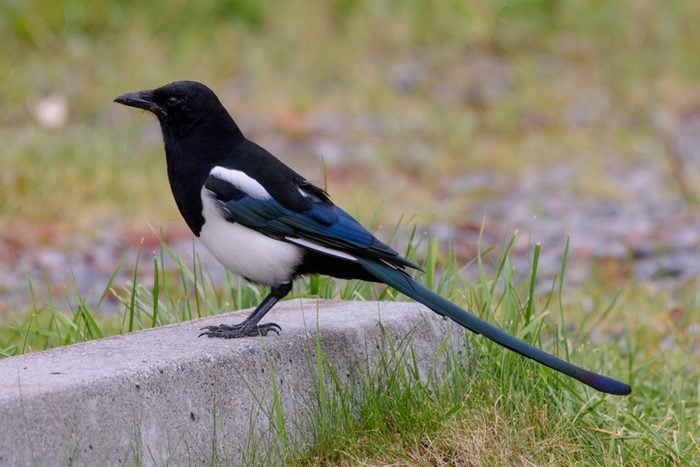
The Magpie is a fascinating bird known for its striking black and white plumage. These birds are part of the crow family and are often seen in various parts of the world. Let’s explore some of the unique characteristics and habits of magpies.
Distinctive Features
Magpies have a combination of black and white feathers, giving them a unique appearance. Their wings and tail are black with a metallic sheen, while their belly and shoulders are white. They have a long tail that contributes to their distinctive look. Magpies are also known for their loud, chattering calls.
Habitat And Behavior
Magpies are highly adaptable birds. They thrive in a variety of environments such as woodlands, grasslands, and even urban areas. These birds are omnivorous, eating insects, fruits, and small animals.
| Habitat | Behavior |
|---|---|
| Woodlands | Nest in trees |
| Grasslands | Forage on the ground |
| Urban Areas | Scavenge for food |
Magpies are known for their intelligence. They can recognize themselves in mirrors and use tools to obtain food. These birds are also very social and often seen in pairs or small groups.
Pied Avocet
The Pied Avocet is a striking black and white bird. It is often seen wading in shallow waters. This bird is known for its unique appearance and distinctive feeding habits.
Unique Appearance
The Pied Avocet has a bold black and white plumage. Its body is mostly white with black patches on the wings. One of its most unique features is its upturned bill. This bill is long and slender, perfect for its feeding style. The legs of the Pied Avocet are long and blue-grey, giving it a graceful stance.
During the breeding season, these birds display even more striking features. Their plumage becomes even more defined, and their behavior changes. They become more territorial and can often be seen defending their nesting sites.
Feeding Habits
The Pied Avocet has fascinating feeding habits. It uses its upturned bill to sweep through the water. This sweeping motion helps it catch small invertebrates and insects. The bird often feeds in shallow waters, making it easier to spot its prey.
Below is a table that highlights the primary diet of the Pied Avocet:
| Type of Food | Details |
|---|---|
| Invertebrates | Small crustaceans, worms, and aquatic insects |
| Insects | Midges, flies, and larvae |
| Small Fish | Occasional small fish from shallow waters |
Feeding often occurs in groups. This social behavior helps them find food more efficiently. It also provides protection from predators.
To summarize, the Pied Avocet’s unique appearance and feeding habits make it a fascinating bird to observe. Its black and white plumage, along with its specialized bill, are key features that help it thrive in its habitat.
Black And White Warbler
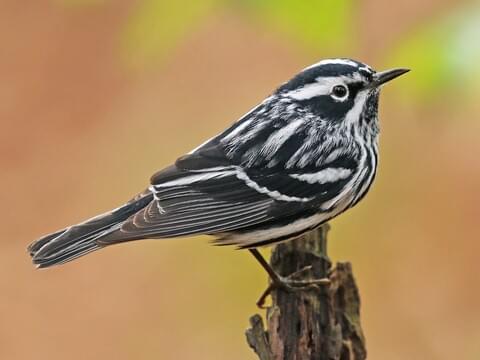
The Black and White Warbler is a striking bird with a bold pattern. Its black and white stripes make it easy to spot among trees. This small bird belongs to the New World warblers.
Migratory Patterns
The Black and White Warbler is known for its long migratory journeys. It travels from North America to Central and South America.
During spring and summer, it stays in the northern regions. In the fall, it heads south to warmer climates.
| Season | Region |
|---|---|
| Spring | North America |
| Summer | North America |
| Fall | Central and South America |
| Winter | Central and South America |
Breeding Grounds
The Black and White Warbler breeds in forests across North America. It prefers deciduous and mixed woodlands.
The female builds a nest on the ground. She uses leaves, grass, and moss to create a cozy home. The nest is usually hidden among fallen leaves and twigs.
The female lays 4 to 5 eggs. Both parents take turns feeding the chicks.
- Preferred habitat: Deciduous forests
- Nesting: Ground nests
- Eggs: 4 to 5
- Parental care: Both parents
Common Loon
The Common Loon is a striking bird with a black-and-white plumage. This bird is known for its haunting calls and stunning appearance. Let’s explore more about this fascinating bird.
Vocalizations
The Common Loon is famous for its unique vocalizations. These calls are used to communicate with other loons. There are four main types of loon calls:
- Tremolo: A wavering call used when loons feel threatened.
- Yodel: A long, complex call used by males to defend territory.
- Wail: A haunting call used to locate other loons.
- Hoot: A softer call used for close communication.
Each call serves a specific purpose and helps loons survive in the wild.
Diet And Hunting
The Common Loon is a skilled hunter. Its diet mainly consists of fish. Loons have sharp, dagger-like beaks. This helps them catch slippery prey underwater.
| Food Type | Description |
|---|---|
| Fish | The primary food source, including perch and trout. |
| Crustaceans | Includes crayfish and shrimp, adding variety to their diet. |
| Amphibians | Occasionally eats frogs and tadpoles. |
| Insects | Includes aquatic insects like beetles and larvae. |
Loons dive underwater to catch their prey. They can hold their breath for up to five minutes. This makes them excellent hunters.
Snowy Egret
The Snowy Egret is a stunning black and white bird. It is known for its elegant appearance and graceful movements. This bird can often be seen in wetlands and marshes.
Elegant Plumes
The Snowy Egret has beautiful, delicate plumes. These feathers are long and white. During the breeding season, these plumes are especially noticeable. The bird’s feet are yellow, adding a touch of color.
Wetland Habitat
The Snowy Egret lives in wetland habitats. These include marshes, swamps, and coastal regions. The bird wades through shallow water to catch fish and insects. Wetlands provide both food and shelter for the Snowy Egret.
Pied Kingfisher
The Pied Kingfisher is a striking bird with a distinctive black and white plumage. Known for its incredible fishing abilities, it is often seen near water bodies across Africa and Asia. Its unique appearance and behaviors make it a fascinating subject for bird enthusiasts.
Fishing Techniques
The Pied Kingfisher has a specialized technique for catching fish. It hovers above the water, using rapid wing beats to stay in place. Once it spots a fish, it dives swiftly to catch it with its sharp beak.
This bird can catch fish both on the surface and underwater. Its eyes are adapted to see through the water, making it an excellent hunter.
Nesting Sites
Pied Kingfishers prefer to nest in burrows. They dig these burrows into sandy or muddy banks near water bodies.
The burrows can be up to six feet long, providing a safe place for their eggs. Both male and female birds take part in digging and maintaining the nest.
These birds are very protective of their nesting sites, often seen guarding them from predators.
Conservation Efforts
Conserving black and white birds is crucial. These birds play vital roles in ecosystems. Conservation efforts focus on protecting habitats and reducing threats.
Threats To Black And White Birds
Black and white birds face many threats. Habitat loss is a major problem. Forests, wetlands, and grasslands are being destroyed. This leaves birds without homes.
Pollution is another threat. Chemicals poison birds and their food. Plastic waste harms birds too. They can get tangled or mistake it for food.
Climate change affects bird migration patterns. Changing weather makes it hard for birds to find food. This can lead to starvation.
| Threat | Description |
|---|---|
| Habitat Loss | Destruction of forests, wetlands, and grasslands. |
| Pollution | Chemicals and plastic waste harm birds. |
| Climate Change | Alters migration patterns and food availability. |
How To Help
Everyone can help conserve black and white birds. Here are some ways:
- Plant native trees. These provide shelter and food.
- Use fewer chemicals. This reduces pollution.
- Join a local birdwatching group. They often do conservation projects.
- Reduce plastic use. This prevents waste from harming birds.
- Support conservation organizations. Donate or volunteer your time.
By taking these steps, you can make a difference. Protecting these birds ensures a healthier planet for all.
Credit: www.birdsandblooms.com
Credit: www.allaboutbirds.org
Frequently Asked Questions
What Kind Of Bird Is Black And White?
A black and white bird can be a magpie, penguin, or woodpecker. These birds are common and easily recognizable.
What Is A Black And White Crow Like Bird?
A black and white crow-like bird is often a magpie. Magpies are known for their striking black and white plumage. These birds are intelligent, social, and are commonly found in various parts of the world. Magpies can mimic sounds and are often seen in urban and rural areas.
What Is A Black And White Bird That Looks Like A Zebra?
The black and white bird resembling a zebra is the Pied Avocet. It has striking black and white plumage. This wading bird is often found in wetlands and coastal areas.
What Is A Black And White Bird That Looks Like A Nuthatch?
A Black-and-white Warbler looks similar to a nuthatch. It has distinctive black and white stripes and can be found in forests.
Conclusion
Exploring black and white birds reveals nature’s stunning diversity. From penguins to magpies, each species is unique. These birds captivate with their striking contrasts. Observing them can deepen your appreciation for wildlife. Next time you spot a black and white bird, take a moment to admire its beauty and uniqueness.