
Yes, a hawk can eat a snake. Hawks are skilled predators that often hunt snakes as part of their diet.
Hawks are fascinating birds of prey known for their keen eyesight and powerful talons. They primarily hunt small mammals, birds, and reptiles. Snakes are a common target for hawks, especially in open fields or forested areas. These birds use their sharp talons to capture and kill snakes efficiently.
Hawks play a crucial role in maintaining the balance of ecosystems by controlling snake populations. Understanding their hunting habits offers insights into the complex food web dynamics. Observing hawks in action is a testament to nature’s intricate and balanced design, showcasing the predator-prey relationships that sustain biodiversity.

Credit: www.nathab.com
Hawk’s Hunting Instincts
Hawks are incredible hunters with a natural instinct to catch prey. They can eat various animals, including snakes. Their hunting skills are sharp and precise.
Keen Eyesight
Hawks have very keen eyesight. They can spot prey from high up in the sky. Their eyes are specially adapted to see long distances. This helps them find snakes hiding in grass or rocks. Hawks can see colors and details very clearly. This makes it easier to spot the movement of a snake.
Sharp Talons
Hawks have very sharp talons. These are their main weapons for hunting. The talons can grab and hold onto slippery snakes. They are strong and can quickly kill the snake. The hawk’s talons are also useful for carrying the snake back to a safe place to eat.
Dietary Habits
Hawks are fascinating birds of prey with diverse diets. They adapt to their surroundings and what is available. But can a hawk eat a snake? Let’s explore their dietary habits.
Typical Prey
Hawks hunt a variety of animals. Their typical prey includes:
- Small mammals like mice and rabbits
- Birds such as sparrows and pigeons
- Reptiles including lizards and snakes
- Insects like grasshoppers and beetles
Hawks have sharp talons and beaks. These help them catch and eat their prey efficiently.
Nutritional Needs
Hawks need a balanced diet to stay healthy. Their diet must include:
- Protein for muscle strength
- Fats for energy
- Vitamins and minerals for overall health
Snakes provide essential nutrients. They are a good source of protein and fats. Eating snakes helps hawks meet their nutritional needs.
Hawks Vs. Snakes
Hawks and snakes often meet in the wild. Their interactions are fascinating. Both have unique abilities. This section explores their tactics and defenses.
Predatory Strategies
Hawks have sharp vision. They can spot a snake from far away. Their talons are strong and sharp. They swoop down swiftly to catch their prey. Hawks aim for the snake’s head to avoid bites. They use their beaks to deliver a deadly strike.
Snakes use camouflage to hide from hawks. They blend into their surroundings. Some snakes hiss or rattle to scare hawks. They can also strike quickly if a hawk gets too close.
Defensive Mechanisms
Hawks rely on their agility to avoid snake bites. They fly high and dive fast. They also use their keen eyesight to track snake movements.
Snakes have venom to defend themselves. They can bite a hawk if threatened. Some snakes also play dead to fool hawks. Their scales provide some protection against talon attacks.
Both hawks and snakes have evolved impressive skills. Their encounters are a true test of nature’s ingenuity.

Credit: www.texaspanhandlebirdnerd.com
Snake Species Targeted
Hawks are adept predators with a varied diet. Snakes form a significant part of their prey. But not all snakes are fair game for hawks. The type of snake a hawk targets often depends on the snake’s species, size, and location.
Common Types
Hawks usually target smaller, more manageable snakes. Some common types include:
- Garter Snakes: These are small and widespread.
- Rat Snakes: Medium-sized and non-venomous.
- Water Snakes: Found near ponds and streams.
These snakes are often easier for hawks to catch and consume.
Venomous Vs. Non-venomous
Hawks show a preference for non-venomous snakes. This is due to the lower risk involved in capturing them.
| Snake Type | Characteristics |
|---|---|
| Venomous Snakes | More dangerous, harder to catch |
| Non-Venomous Snakes | Safer, easier to subdue |
Venomous snakes like rattlesnakes pose a risk. Hawks must use precise techniques to avoid bites. Non-venomous snakes are less risky and often preferred.
Hunting Techniques
Hawks are skilled hunters with diverse techniques. They often hunt snakes. Their methods vary based on the type of prey. Below are some fascinating techniques hawks use to catch snakes.
Aerial Attacks
Hawks use their keen eyesight to spot snakes from high above. They then dive swiftly, with sharp talons extended. This swift dive is called an aerial attack.
- Spot prey from high altitudes.
- Perform rapid, controlled dives.
- Use strong talons to grab snakes.
These attacks are quick and precise. The hawk’s sharp talons deliver a deadly blow. The snake often has no chance to escape.
Ground Pursuits
Sometimes, hawks hunt snakes on the ground. They use stealth and patience to approach their prey. Ground pursuits require careful planning.
- Use natural cover to hide.
- Move silently towards the snake.
- Strike with speed and force.<
Survival Challenges
Hawks can indeed eat snakes, showcasing their adaptability and predatory skills. Their sharp talons and beaks make them formidable hunters.
Venomous Threats
Hawks face venomous threats when hunting snakes, adapting to avoid danger.
Escape Tactics
They use agile movements, swift strikes, and keen vision to outsmart snakes.
In the wild, survival is a constant challenge for hawks and snakes.
Ecological Impact
Hawks play a vital role in the ecosystem by preying on snakes. This interaction has significant ecological impacts. It influences population control and maintains ecosystem balance.
Population Control
Hawks help control the snake population. They catch and eat many snakes. This prevents snake overpopulation. Overpopulation of snakes can lead to a decline in small mammals and birds. Hawks keep the snake numbers in check. This helps maintain a healthy ecosystem.
Ecosystem Balance
Hawks eating snakes contributes to ecosystem balance. By controlling snake numbers, hawks ensure a diverse animal community. A balanced ecosystem supports various plants and animals. This creates a stable and healthy environment.
Here is a simple table showing the impact:
| Effect | Description |
|---|---|
| Population Control | Reduces snake overpopulation |
| Ecosystem Balance | Maintains diversity in species |
In summary, hawks eating snakes are crucial for ecological health. They control snake populations and balance the ecosystem. These roles highlight the importance of hawks in nature.
Case Studies
Hawks are known for their remarkable hunting skills. One question often asked is, Can a hawk eat a snake? This section explores real-life cases to provide insights.
Documented Encounters
Several encounters between hawks and snakes have been documented. These cases show hawks’ impressive hunting capabilities.
| Hawk Species | Snake Species | Location | Outcome |
|---|---|---|---|
| Red-tailed Hawk | Garter Snake | North America | Hawk Consumed Snake |
| Cooper’s Hawk | Rat Snake | South America | Hawk Consumed Snake |
| Harris’s Hawk | Corn Snake | Central America | Hawk Consumed Snake |
Behavioral Observations
Observations reveal certain behaviors hawks exhibit during these encounters. These behaviors show their adaptability and skill.
- Spotting Prey: Hawks have sharp vision. They can spot snakes from far away.
- Swift Dive: They dive swiftly to catch the snake by surprise.
- Talons Grip: Their strong talons grip the snake tightly.
- Quick Kill: They often kill the snake quickly to avoid bites.
Such behaviors highlight the hawk’s predatory efficiency. They are skilled hunters who can tackle challenging prey like snakes.
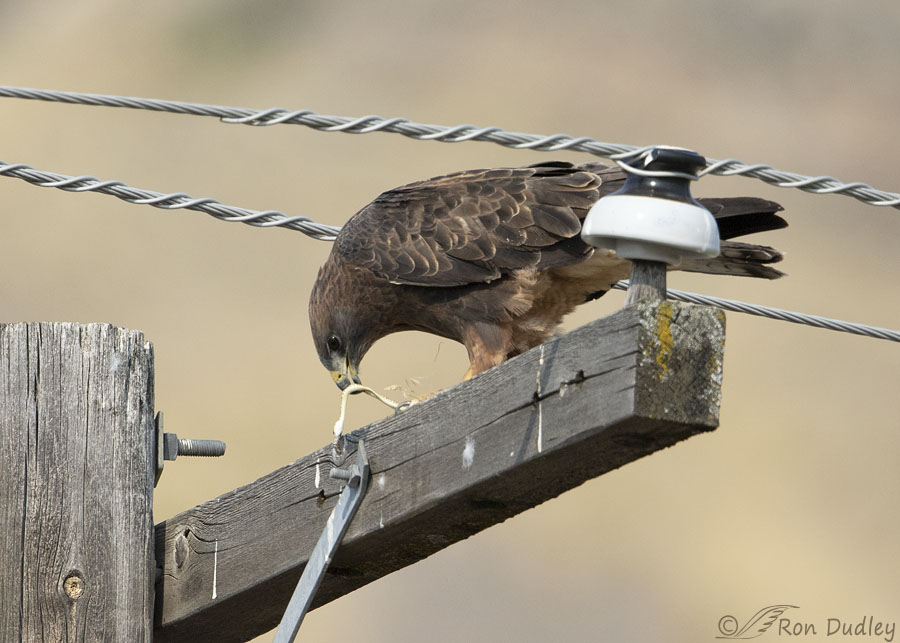
Credit: www.featheredphotography.com
Frequently Asked Questions
How Do Hawks Eat Snakes Without Getting Bit?
Hawks use quick strikes to catch snakes and avoid getting bitten by being agile and strategic.
Can A Hawk Eat A Copperhead?
Yes, a hawk can eat a copperhead as hawks are known to prey on snakes.
Are Snakes Scared Of Hawks?
Yes, snakes are often scared of hawks. Hawks are natural predators of snakes. Snakes avoid areas where hawks are present.
Are Hawks Immune To Rattlesnake Venom?
Hawks are not immune to rattlesnake venom. They avoid bites through swift attacks and precise hunting techniques.
Conclusion
Hawks are powerful predators capable of eating snakes. Their sharp talons and beaks make capturing snakes easy. Observing nature’s food chain reveals such fascinating interactions. Understanding these behaviors enhances our appreciation for wildlife. Next time you see a hawk, remember its diverse diet, including snakes.