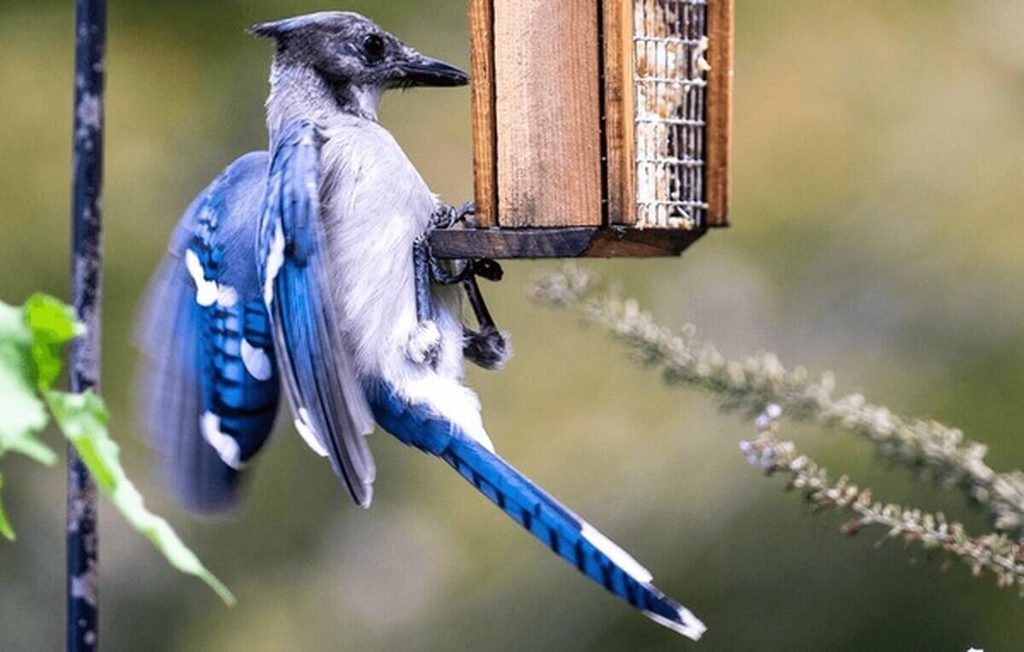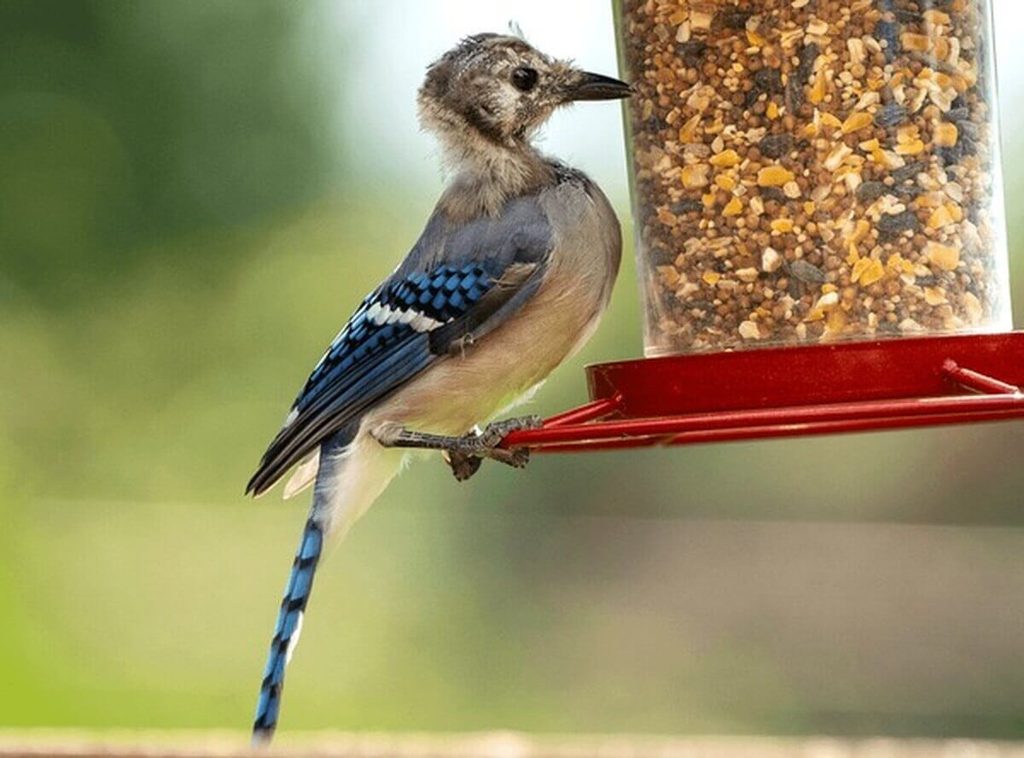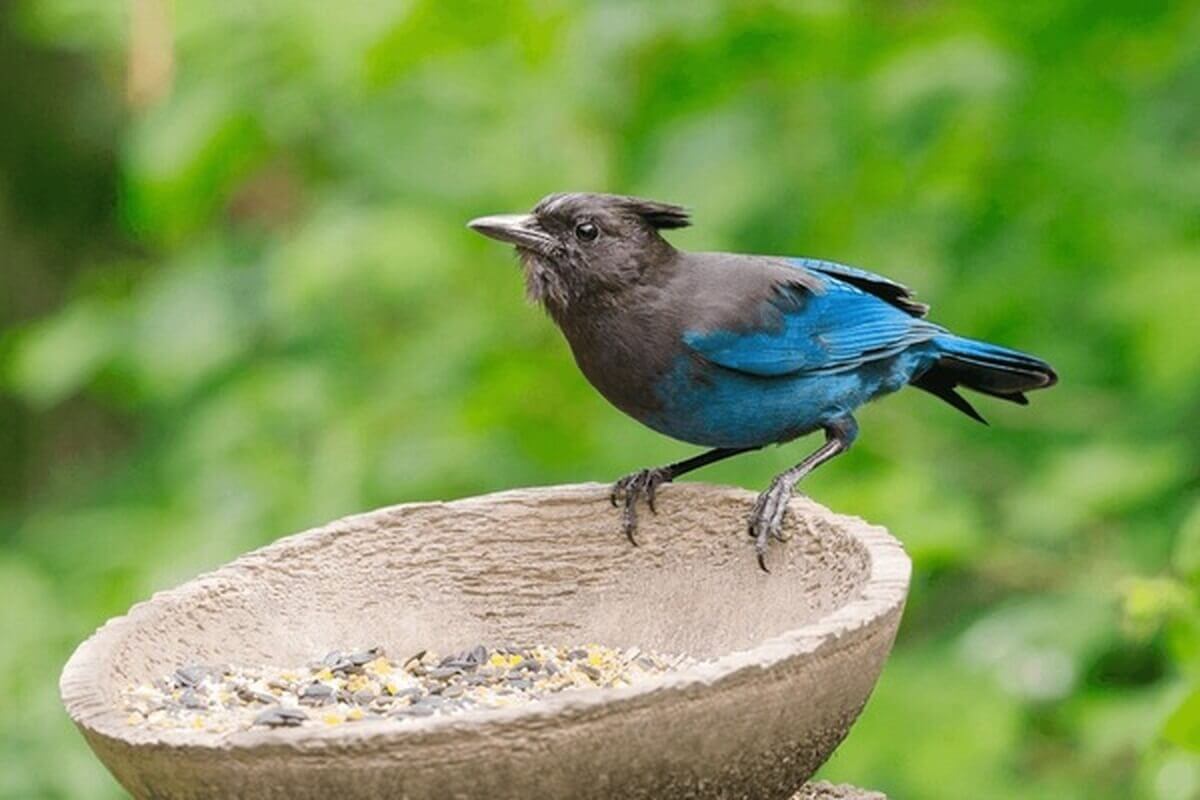
Blue Jay birds do not mate for life. They typically form pair bonds during the breeding season only.
Blue Jays are strikingly beautiful birds known for their vibrant blue feathers and loud calls. These intelligent creatures are common in North America and can be found in forests, parks, and backyards. Blue Jays are omnivores, eating a varied diet that includes insects, nuts, and seeds.
They are also known for their mimicking abilities, often imitating the calls of other bird species. Despite their social nature, Blue Jays do not form lifelong mating pairs. Instead, they bond with a partner during the breeding season and may choose a different mate in subsequent years. Understanding their behavior helps bird enthusiasts appreciate these fascinating avians even more.

Credit: www.lyricbirdfood.com
Blue Jay Mating Habits
Blue Jays are fascinating birds with unique and intriguing mating habits. These vibrant birds exhibit complex behaviors that ensure the survival of their species. Understanding their mating rituals and pair bond formation gives us insight into their world.
Courtship Rituals
Blue Jays have elaborate courtship rituals. The male performs a variety of displays to attract a mate. He spreads his wings and tail, showing off his bright blue feathers. Singing and calling are also part of the courtship. The male brings food to the female as a sign of his ability to provide.
The courtship process can last for several weeks. During this period, the pair forms a strong bond. This bond is crucial for successful mating and raising offspring.
Pair Bond Formation
Pair bond formation in Blue Jays is a vital process. Once a pair is formed, they stay together for several breeding seasons. The male and female work together to build a nest. They choose a safe and secure location, often in the crook of a tree.
The nest is made from twigs, grass, and mud. Both parents take turns incubating the eggs. Once the chicks hatch, both parents feed and protect them. This teamwork ensures the survival of their young.
| Behavior | Description |
|---|---|
| Wing Spreading | Male spreads wings to display bright feathers. |
| Singing | Male sings to attract female. |
| Food Offering | Male brings food to female. |
| Nest Building | Both build nest from twigs and grass. |
| Incubation | Both parents take turns incubating eggs. |
Blue Jays demonstrate strong pair bonds and cooperative behavior. These traits contribute to their success as a species.

Credit: www.pinterest.com
Nesting And Raising Young
Blue Jay birds are fascinating creatures, particularly during their nesting and raising young phases. These stages reveal a lot about their behavioral patterns and dedication to their offspring.
Nest Building
Blue Jays are meticulous nest builders. They often choose secure locations in trees or shrubs. The nests are usually built high up to protect from predators.
They start by collecting twigs, grass, and other materials. Both male and female contribute to this task. The male often gathers materials while the female arranges them.
Here is a basic breakdown of their nest building:
| Materials | Role |
|---|---|
| Twigs | Structure |
| Grass | Lining |
| Roots | Support |
Parental Roles
Both parents play active roles in raising their young. The female incubates the eggs, usually for about 17 days. The male provides food and guards the nest during this time.
Once the chicks hatch, both parents feed them. They bring insects and small invertebrates to the nest. This feeding continues until the chicks are strong enough to leave the nest.
Here’s a quick overview of their parental duties:
- Female: Incubation, feeding, nest maintenance.
- Male: Guarding, gathering food, assisting with feeding.
Blue Jays are excellent parents. They ensure their young are well-fed and protected. Their dedication to their offspring is truly remarkable.
Lifespan And Longevity
Blue Jays are fascinating birds known for their vibrant blue feathers and striking calls. Understanding their lifespan and longevity can shed light on their mating habits. This section delves into the average lifespan of Blue Jays and the factors influencing their longevity.
Average Lifespan
On average, Blue Jays live for about 7 years in the wild. Some may survive up to 10 years or more under ideal conditions. Their lifespan can vary based on environmental factors and predation risks.
Factors Influencing Longevity
Several factors influence the lifespan of Blue Jays. These include:
- Food Availability: Adequate food supplies ensure better health and longer life.
- Predation: Predators like hawks and cats pose significant threats.
- Habitat Quality: High-quality habitats provide shelter and safety.
- Weather Conditions: Severe weather can impact survival rates.
- Human Interference: Urbanization and pollution can reduce lifespan.
| Factor | Impact on Lifespan |
|---|---|
| Food Availability | High |
| Predation | High |
| Habitat Quality | Medium |
| Weather Conditions | Medium |
| Human Interference | Low |
Understanding these factors can help in conserving Blue Jay populations and ensuring their longevity.
Monogamy In Blue Jays
Blue Jays are captivating creatures known for their vibrant blue feathers. But do Blue Jay birds mate for life? This question sparks curiosity among bird enthusiasts. Monogamy in Blue Jays is a fascinating topic that reveals much about their behavior and survival strategies.
Evidence Of Monogamous Behavior
Blue Jays often form monogamous pairs. Studies show they stay with one mate. These pairs engage in cooperative nesting and feeding. They build nests together and share food. Observations reveal a strong bond between partners. They defend their territory as a team.
A study published in the journal “Behavioral Ecology” highlighted this. Researchers tracked Blue Jay pairs over several breeding seasons. The findings confirmed long-term pair bonds. Such evidence supports the idea of Blue Jay monogamy.
Benefits Of Monogamy
Monogamy offers several benefits for Blue Jays. It ensures a stable environment for raising young. When parents share duties, chicks thrive better. The male provides food while the female incubates eggs. This teamwork boosts survival rates.
Monogamous pairs also defend their nests more effectively. A united front deters predators. The shared responsibility lightens the load for both partners. This cooperation leads to healthier offspring. It also strengthens the bond between the pair, ensuring future breeding success.
In summary, monogamy in Blue Jays is not just about loyalty. It plays a crucial role in their survival and reproductive success.
Cases Of Infidelity
The question of whether blue jay birds mate for life is intriguing. While they often form strong pair bonds, cases of infidelity do occur. Understanding these behaviors can shed light on their complex mating systems.
Occurrences Of Extra-pair Copulations
Studies show that blue jay birds engage in extra-pair copulations. This means they mate outside their primary partnership. These events are not rare and can involve both males and females.
- Male blue jays may seek extra-pair mates to spread their genes.
- Female blue jays may engage in extra-pair copulations for genetic diversity.
Observations suggest that these behaviors increase during the breeding season. Birds are more active and social, increasing opportunities for extra-pair encounters.
Impact On Pair Bonds
Infidelity can affect the pair bonds between blue jays. Trust is a crucial component of their relationship. When infidelity occurs, it can lead to decreased cooperation.
| Impact | Description |
|---|---|
| Decreased Trust | The betrayed partner may become less reliable. |
| Reduced Cooperation | Partners may not work together efficiently. |
Despite these challenges, many blue jay pairs remain together. They continue to raise their offspring and maintain their territory. This resilience shows the complexity of their relationships.

Credit: www.theonion.com
Comparisons With Other Birds
Many bird lovers wonder if Blue Jay birds mate for life. To understand this, comparing them with other birds can be helpful. Let’s explore how Blue Jays compare with monogamous and polygamous bird species.
Monogamous Bird Species
Some bird species are monogamous, meaning they have one mate for life. These birds form strong bonds and often share parenting duties.
- Swans: Known for their lifelong partnerships. They stay together through thick and thin.
- Albatrosses: Famous for their long-term monogamous relationships. They meet their partner every year to breed.
- Eagles: Usually mate for life. Both parents care for the young.
Polygamous Bird Species
Other bird species are polygamous. This means they have multiple mates in a breeding season.
- Red-winged Blackbirds: Males mate with several females. Each female raises her young alone.
- Peacocks: Known for their beautiful tails. They mate with many peahens each season.
- House Sparrows: Often have multiple partners. They build nests and raise chicks with different mates.
Understanding these different mating behaviors helps in appreciating the unique nature of Blue Jay birds.
Conservation Status
The conservation status of Blue Jays is essential for nature enthusiasts. Understanding their current population trends and the threats they face helps in conserving these vibrant birds. Blue Jays are known for their striking blue feathers and unique calls.
Current Population Trends
Blue Jays are native to North America. Their population is widely distributed across the United States and Canada. These birds are commonly found in forests, parks, and suburban areas. Recent studies show their numbers are stable, with slight fluctuations in different regions.
According to the North American Breeding Bird Survey, the Blue Jay population has shown a steady increase over the past few decades. This positive trend highlights successful conservation efforts and habitat preservation. The table below summarizes the estimated population numbers:
| Year | Estimated Population |
|---|---|
| 2000 | 12 million |
| 2010 | 14 million |
| 2020 | 15 million |
Threats To Blue Jays
Despite their stable population, Blue Jays face several threats. One major threat is habitat loss due to urbanization. Deforestation reduces their nesting sites and food sources. Another significant threat is climate change. It affects their migration patterns and breeding success.
Blue Jays are also vulnerable to predation by larger birds and mammals. Domestic cats pose a considerable risk to their young ones. Additionally, exposure to pesticides and pollutants can impact their health. Conservation efforts focus on mitigating these threats to ensure their continued survival.
Key threats include:
- Habitat loss due to urban development
- Climate change affecting migration and breeding
- Predation by larger animals and domestic cats
- Pesticides and pollutants impacting their health
Human Interaction
Blue Jays are fascinating birds known for their bright blue feathers and loud calls. They are often seen in backyards, parks, and forests. Human interaction plays a significant role in their behavior and habitats.
Impact Of Urbanization
Urbanization has both positive and negative effects on Blue Jays. Cities offer plenty of food sources and nesting spots. Yet, urban areas can also pose risks. Heavy traffic and pollution can harm these birds.
| Positive Effects | Negative Effects |
|---|---|
| Abundant food sources | Pollution |
| Nesting opportunities | Heavy traffic |
| Less predation | Habitat loss |
Feeding And Attracting Blue Jays
Blue Jays love peanuts, sunflower seeds, and suet. To attract them, set up a bird feeder in your yard. Make sure it’s sturdy and safe from predators.
- Use peanuts and sunflower seeds.
- Offer suet in winter.
- Place feeders in safe, quiet areas.
Blue Jays also enjoy birdbaths. Fresh water is crucial for them. Keep the water clean and change it regularly.
- Set up a birdbath.
- Ensure it has fresh water.
- Clean it regularly.
Frequently Asked Questions
Are Blue Jays Monogamous?
Yes, Blue Jays are monogamous. They typically form long-term pair bonds and mate for life.
Do Blue Jays Stay Together As A Family?
Blue Jays often stay together as a family during the breeding season. Parents care for their young until they can fend for themselves.
Do Blue Jays Mourn?
Yes, Blue Jays do mourn. They show signs of grief and distress when they lose a mate or young.
Do Blue Jays Come Back To The Same Place Every Year?
Yes, Blue Jays often return to the same location each year. They are known for their site fidelity.
Conclusion
Blue Jays do not always mate for life, but they often form strong bonds. These birds showcase loyalty and partnership. Understanding their behavior enriches our appreciation of nature. Observing Blue Jays can teach us about commitment and adaptability in the wild.
Keep exploring to uncover more about these fascinating creatures.