
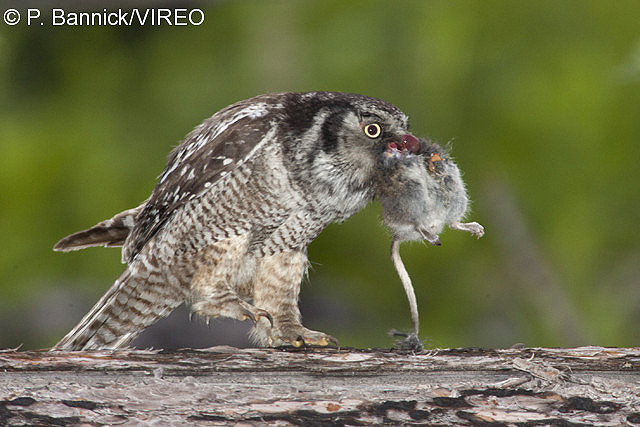
Yes, hawks eat mice. They are skilled predators that hunt small mammals, including mice, for food.
Hawks are fascinating birds of prey known for their sharp vision and hunting prowess. These raptors are crucial for maintaining ecological balance by controlling rodent populations. Mice form a significant part of their diet, providing essential nutrients for their survival.
Hawks use their keen eyesight to spot prey from great distances and their powerful talons to capture and kill them swiftly. This predatory behavior helps in keeping the ecosystem healthy by preventing the overpopulation of rodents. Understanding the feeding habits of hawks not only highlights their role in nature but also underscores the importance of preserving their habitats.
Hawk Diet Overview
Hawks are incredible hunters. They have sharp vision and strong talons. These birds of prey eat various animals, including mice. Understanding their diet helps us appreciate their role in nature.
Birds Of Prey Characteristics
Hawks have unique traits that make them skilled hunters. Their eyes are very sharp. This helps them see small animals from far away. Hawks also have powerful talons. These claws can grab and hold onto prey tightly. Their beaks are curved and strong. This allows them to tear meat easily.
Common Prey Types
Hawks eat a variety of animals. Here are some common prey types:
- Mice: A primary food source for many hawks.
- Small Birds: Hawks often hunt smaller birds.
- Insects: Some hawks eat large insects like grasshoppers.
- Reptiles: Lizards and small snakes are also on their menu.
Below is a table showing the common prey types:
| Prey Type | Examples |
|---|---|
| Mammals | Mice, Rabbits |
| Birds | Sparrows, Pigeons |
| Insects | Grasshoppers, Beetles |
| Reptiles | Lizards, Small Snakes |
Hawks are versatile hunters. Their varied diet helps them survive in different environments. By eating mice, they control the rodent population. This is important for balancing ecosystems.
Credit: vireo.ansp.org
Hawks And Mice
Hawks are skilled hunters. They often prey on small animals. Mice are a common target. This relationship is crucial in nature. Hawks control the mouse population.
Hunting Techniques
Hawks have sharp vision. They can see mice from far away. They fly high and spot their prey. They dive quickly to catch mice.
Hawks use their talons to grab mice. Their strong beaks help tear the prey. Different hawks have different hunting styles. Some hunt in the day, others at night.
Nutritional Value
Mice are rich in nutrients. They provide proteins and fats. These are essential for hawks. Mice help hawks stay healthy and strong.
Eating mice supports the hawk’s energy needs. It helps them fly and hunt more. Mice are also easy to catch. This makes them a perfect meal for hawks.
Habitat Influence
Hawks are fascinating birds of prey known for their hunting prowess. Their diet often includes small mammals like mice. But their habitat greatly influences their eating habits. Understanding these variations helps us learn more about these incredible predators.
Urban Vs. Rural Settings
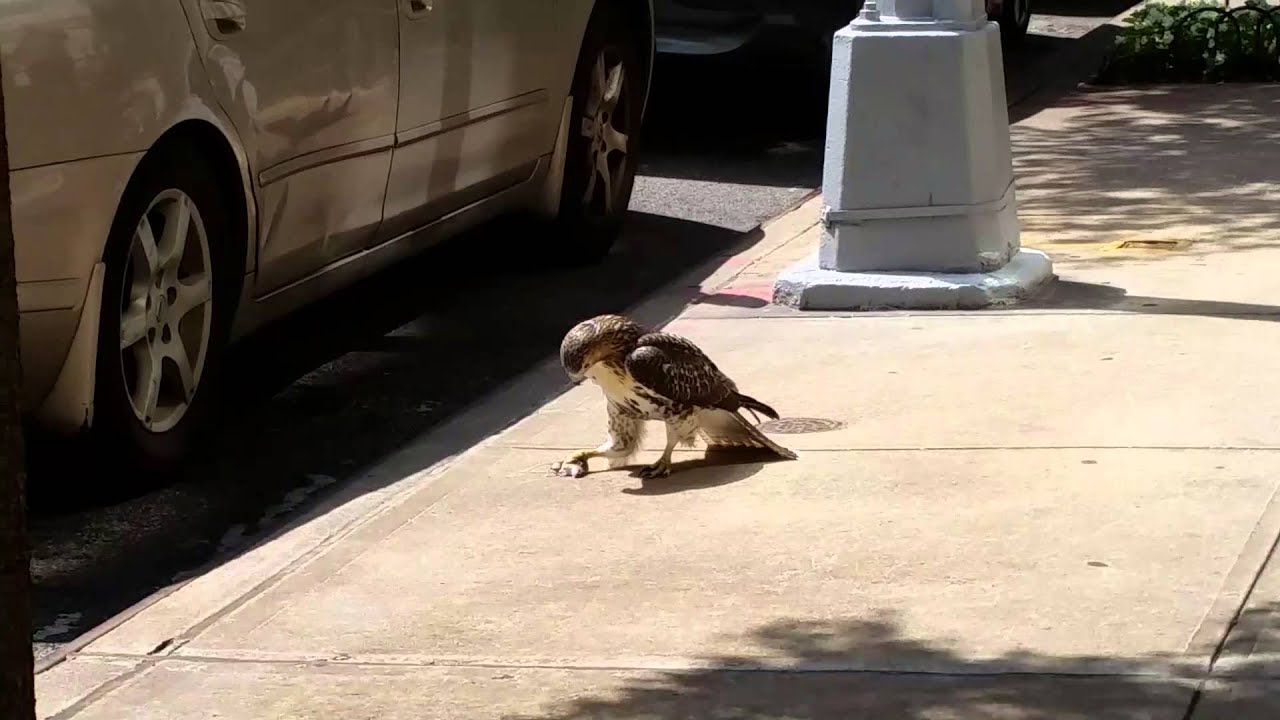
In urban areas, hawks adapt to the environment around them. They often find fewer mice due to limited green spaces. Instead, they may hunt pigeons, sparrows, or even small rodents found in parks and gardens.
In contrast, hawks in rural settings have abundant hunting opportunities. They have access to vast fields and forests teeming with mice and other small mammals. This abundance of prey allows them to thrive.
| Setting | Common Prey |
|---|---|
| Urban | Pigeons, sparrows, small rodents |
| Rural | Mice, rabbits, small mammals |
Seasonal Variations
Seasonal changes also affect hawks’ diets. In spring and summer, mice populations increase. Hawks find plenty of food during these seasons. They may also hunt young birds and other small animals.
During fall and winter, the availability of mice decreases. Hawks may turn to other food sources like small birds or even scavenging. These seasonal shifts ensure hawks adapt and survive throughout the year.
- Spring/Summer: Abundant mice, young birds
- Fall/Winter: Fewer mice, more varied diet
Credit: www.youtube.com
Hunting Behavior
Hawks are skilled hunters. They have sharp vision and strong talons. Their hunting behavior is fascinating to observe. Hawks often hunt small mammals like mice. Understanding how they do it can be interesting.
Daytime Activity
Hawks are diurnal predators. This means they hunt during the day. Their keen eyesight helps them spot prey from high up. Mice are often active during the day too. This makes them easy targets for hawks.
Stealth And Speed
Hawks use both stealth and speed to catch mice. They perch quietly, watching for movement. Once they spot a mouse, they swoop down quickly. This swift attack gives mice little time to escape.
Hawks have powerful wings. These help them dive at great speeds. They can reach speeds of up to 150 miles per hour. This makes their hunting method very effective.
Impact On Ecosystem
The impact of hawks on the ecosystem is significant. These majestic birds play a key role in maintaining balance. Their hunting habits directly influence various ecological aspects.
Rodent Population Control
Hawks are natural predators of rodents. They help keep the rodent population in check. This control is crucial for preventing rodent overpopulation.
Rodents can cause extensive damage to crops. They also spread diseases. By hunting mice, hawks indirectly protect human health and agriculture.
Balancing The Food Chain
Hawks occupy a high position in the food chain. Their presence helps maintain balance among other species. When hawks hunt mice, they reduce competition for resources among smaller predators.
This balance ensures a stable ecosystem. It prevents any one species from dominating. Each species has a role that keeps the environment healthy.
| Role | Impact |
|---|---|
| Predator | Controls rodent population |
| Balancers | Maintain food chain equilibrium |
The presence of hawks is vital for a balanced ecosystem. Their hunting habits support ecological health. Understanding their role can help in conservation efforts.

Credit: www.alamy.com
Hawk Species Differences
Hawks are fascinating birds of prey with diverse hunting habits. Different species of hawks have unique characteristics that affect their diet, including their preference for mice. Understanding these differences helps to appreciate the role of hawks in nature.
Size And Strength Variations
Hawk species vary significantly in size and strength. These differences impact their hunting capabilities.
| Species | Size (inches) | Weight (pounds) |
|---|---|---|
| Red-tailed Hawk | 18-26 | 1.5-3.5 |
| Cooper’s Hawk | 14-20 | 1-1.5 |
| Sparrowhawk | 11-15 | 0.5-1 |
The Red-tailed Hawk is larger and stronger than the Cooper’s Hawk and Sparrowhawk. This allows it to hunt bigger prey, including rabbits and snakes. But it still enjoys mice.
Regional Preferences
Hawk species also have different regional preferences. These preferences affect their diet.
- Red-tailed Hawk: Found across North America. Prefers open fields and forests. Hunts mice, voles, and small mammals.
- Cooper’s Hawk: Common in North American woodlands. Prefers dense forests. Hunts birds but also catches mice.
- Sparrowhawk: Found in Europe and Asia. Prefers urban areas and countryside. Hunts small birds and mice.
Regional preferences influence the availability of prey. This affects hawk diets. Red-tailed Hawks in open fields find more mice. Cooper’s Hawks in dense forests catch more birds.
Human Interactions
Human interactions with hawks often spark curiosity and concern. These majestic birds play an important role in our ecosystem. They help control the population of small rodents, including mice. This article explores how humans and hawks interact in various settings.
conservation Efforts
Hawks are protected under several conservation laws. These laws help maintain their population. The Migratory Bird Treaty Act is one such law. It prohibits harming hawks and their nests. Many organizations also work to conserve hawk habitats. They focus on preserving forests and open lands. This is crucial for the survival of these birds. Educating the public about hawks is another key effort. Awareness programs teach people how to coexist with these raptors.
encounters In The Wild
Seeing a hawk in the wild can be thrilling. These birds are often seen soaring high in the sky. They have sharp eyesight and can spot prey from great distances. Hawks are known for their hunting skills. They often hunt small animals like mice. People who hike or bird-watch may encounter hawks. Always observe from a distance to avoid disturbing them. Use binoculars for a closer look.
Hawk sightings are more common in rural areas. They thrive in places with open fields and forests. Urban areas also have hawks, but they are less common. In cities, hawks often hunt pigeons and other small birds. Always remember to respect their space and habitat.
Myths And Misconceptions
People have many ideas about hawks and their diet. Some of these ideas are myths. This section will clear up these myths. It will also provide scientific facts about hawks.
Common Myths
There are many common myths about hawks. Here are a few:
- Hawks only eat large animals: People think hawks eat large prey only. This is not true.
- Hawks hunt all day long: Some believe hawks hunt all day. This is also false.
- Hawks avoid mice: Many say hawks do not eat mice. This is a myth.
Scientific Facts
Science tells us the truth about hawks and their diet:
| Fact | Details |
|---|---|
| Hawks eat small animals | Hawks often eat small prey like mice. |
| Hawks hunt at dawn and dusk | Hawks are most active during these times. |
| Mice are a common food | Mice make up a large part of a hawk’s diet. |
These facts show that hawks eat mice. They also hunt at certain times. Knowing these facts helps us understand hawks better.
Frequently Asked Questions
Do Hawks Eat Mice And Rats?
Yes, hawks eat mice and rats. These rodents are a significant part of a hawk’s diet. Hawks use their sharp talons and keen eyesight to hunt and capture these small mammals.
What Is A Hawk’s Favorite Food?
A hawk’s favorite food includes small mammals like mice and rabbits, birds, reptiles, and insects. They prefer fresh prey.
Are Hawks Predators Of Mice?
Yes, hawks are predators of mice. They hunt and eat mice as a significant part of their diet. Hawks have keen eyesight, allowing them to spot mice from a distance. This makes them effective hunters in various environments.
How Far Can Hawks See A Mouse?
Hawks can see a mouse from up to 100 feet away. Their sharp vision helps them hunt effectively.
Conclusion
Hawks do indeed eat mice. These birds of prey rely on mice as a primary food source. Understanding this helps us appreciate the natural balance. Observing hawks hunting mice can be fascinating. So next time you see a hawk, remember its role in controlling the mouse population.
Nature’s food chain is truly remarkable.