
Yes, hummingbirds do eat mosquitoes. They primarily feed on nectar but occasionally consume small insects like mosquitoes.
Hummingbirds are fascinating creatures known for their rapid wing beats and vibrant colors. While their diet mainly consists of nectar from flowers, they also need protein to thrive. To meet this requirement, they eat small insects and spiders, including mosquitoes.
This insect consumption provides essential nutrients that nectar alone cannot offer. By eating mosquitoes, hummingbirds help control insect populations, making them beneficial to our ecosystems. These tiny birds play a crucial role in pollination and insect control, showcasing nature’s delicate balance. Understanding their dietary habits helps us appreciate their importance in our environment.

Credit: www.facebook.com
Introduction To Hummingbirds
Hummingbirds are tiny, colorful birds known for their rapid wing flaps. They are a marvel of nature, captivating bird enthusiasts worldwide. These little creatures are not just beautiful but fascinating in many ways.
Tiny Marvels Of Nature
Hummingbirds are among the smallest birds on Earth. They weigh less than a nickel. Despite their size, they display incredible agility and speed. Their wings beat up to 80 times per second. This creates a humming sound, giving them their name.
Hummingbirds can fly forward, backward, and even hover in place. Their unique flight skills set them apart from other birds.
Unique Feeding Habits
Hummingbirds have specific feeding habits. They primarily feed on nectar from flowers. Their long, slender beaks and tongues help them reach deep into flowers. This feeding process also makes them vital pollinators.
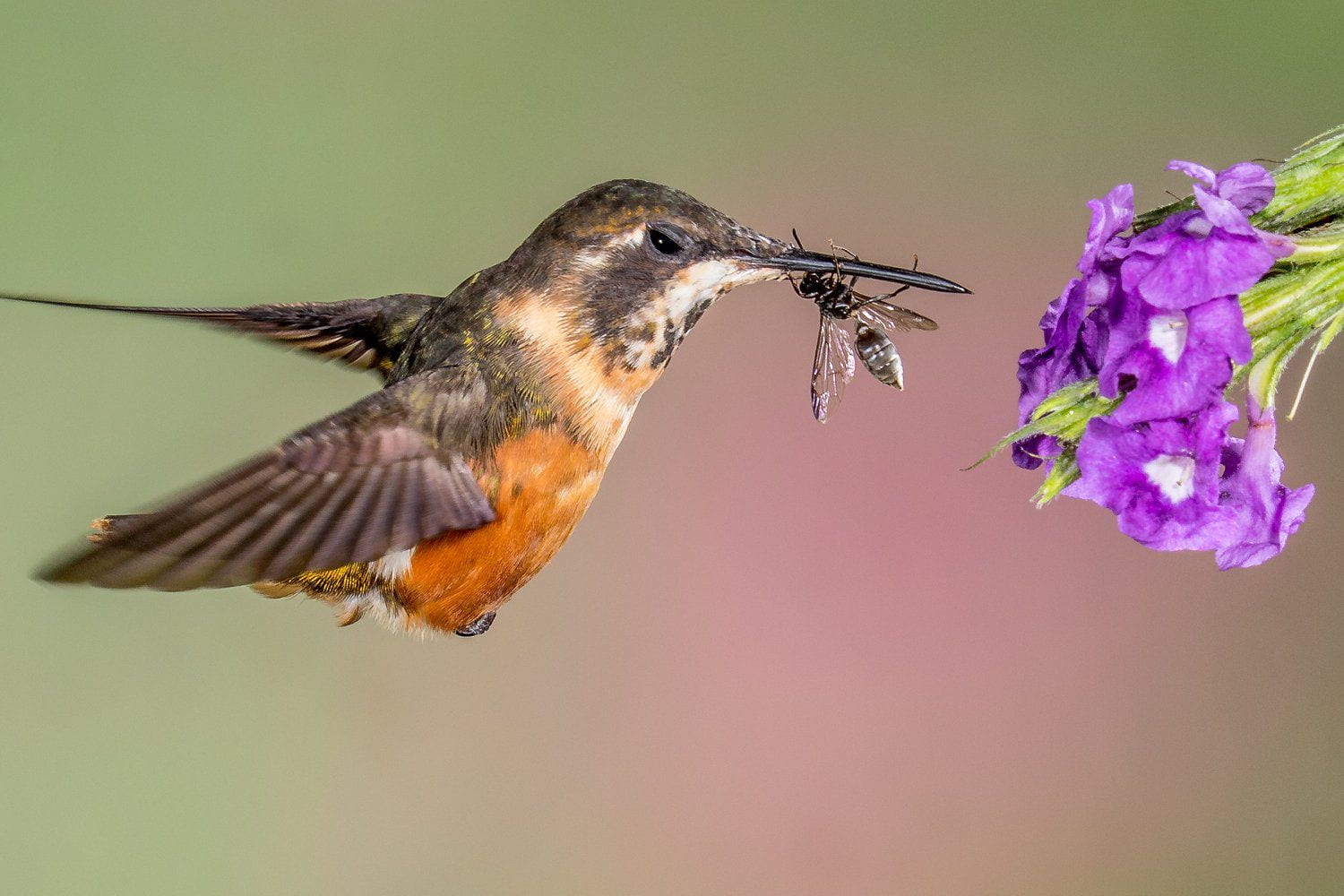
Besides nectar, they also eat insects and spiders. This diet provides essential protein. They catch insects mid-air or pick them off plants.
Here is a quick overview of what hummingbirds eat:
| Food Source | Details |
|---|---|
| Nectar | Sourced from flowers, provides energy |
| Insects | Includes mosquitoes, gnats, and fruit flies |
| Spiders | Another source of protein |
Hummingbirds’ feeding habits help control insect populations. They eat mosquitoes, which benefits humans. These tiny birds are both beautiful and beneficial to the ecosystem.
Credit: blogs.k-state.edu
Diet Of Hummingbirds
Hummingbirds are fascinating creatures with unique dietary needs. Their diet is diverse, combining both plant and animal sources. Understanding what they eat helps us appreciate their role in nature.
Nectar As Primary Food Source
Nectar is the main food source for hummingbirds. They drink nectar from flowers using their long, specialized beaks. This sugary liquid provides them with the energy they need for their rapid movements.
Hummingbirds have a high metabolism. They can visit hundreds of flowers daily. The flowers they prefer are often bright-colored and tubular-shaped. This shape makes it easier for them to access the nectar.
Insects In Their Diet
Besides nectar, hummingbirds also eat insects. They need protein to stay healthy, and insects are a great source. Small insects and spiders form a crucial part of their diet. These insects provide essential nutrients that nectar lacks.
Hummingbirds catch insects in mid-air or pick them off plants. They are agile hunters. Their diet includes mosquitoes, flies, beetles, and ants.
| Food Source | Nutritional Benefit |
|---|---|
| Nectar | Energy |
| Insects | Protein |
Hummingbirds are small but mighty. Their varied diet supports their active lifestyle. Understanding their needs helps us protect them and their habitat.
Mosquitoes And Hummingbirds
Hummingbirds are fascinating creatures known for their vibrant colors and rapid wing beats. Many people wonder if these tiny birds help in controlling mosquito populations. Understanding their diet can shed light on this question.
Do They Eat Mosquitoes?
Hummingbirds primarily feed on nectar from flowers. This sugary liquid provides them with energy. They also consume small insects and spiders for protein. Mosquitoes fall under the category of small insects.
While hummingbirds can eat mosquitoes, it’s not their main food source. These birds prefer insects like gnats, fruit flies, and aphids. Mosquitoes are eaten only occasionally.
Nutritional Benefits
Insects provide essential protein and nutrients for hummingbirds. This protein is crucial for muscle development and overall health. Here’s a simple table showing the nutritional value of common insects:
| Insect | Protein | Other Nutrients |
|---|---|---|
| Gnats | High | Vitamins, Minerals |
| Fruit Flies | Moderate | Fatty Acids |
| Aphids | Low | Antioxidants |
While mosquitoes are a part of their diet, they don’t offer significant nutritional benefits. Other insects provide more value to hummingbirds’ health.
To summarize, hummingbirds do eat mosquitoes. But they prefer other insects for better nutrition.
Credit: ucanr.edu
Hummingbird Feeding Behavior
Hummingbirds are fascinating creatures known for their rapid wing beats. They require a high-energy diet to sustain their active lifestyle. While nectar is their primary food source, they also consume small insects. This includes mosquitoes.
Hunting Techniques
Hummingbirds are skilled hunters. They catch insects in mid-air. Their speed and agility allow them to snatch insects quickly.
- Hovering: They hover near flowers and leaves.
- Aerial Pursuit: They chase flying insects like mosquitoes.
- Gleaning: They pick insects off plants.
Role Of Beak And Tongue
The beak and tongue of a hummingbird are specialized. Their long, slender beak helps them reach into flowers and catch insects.
Their tongue is a marvel of nature. It can extend far beyond the beak. The tip of the tongue is forked. This helps in trapping tiny insects. The tongue moves rapidly, making feeding efficient.
| Feature | Description |
|---|---|
| Beak | Long and slender, perfect for reaching insects. |
| Tongue | Forked tip, extends beyond beak, traps insects. |
Impact On Ecosystem
Hummingbirds are tiny, fascinating creatures. Their role in the ecosystem is significant. They contribute in various ways, affecting both plants and insects. Understanding their impact can help us appreciate these birds even more.
Pollination
Hummingbirds are crucial pollinators. They feed on nectar from flowers. While doing so, they transfer pollen from one flower to another. This process helps plants reproduce.
Here are some key points about their role in pollination:
- They visit hundreds of flowers daily.
- They prefer brightly colored flowers.
- They have long beaks, which help them reach deep into flowers.
- They help in the genetic diversity of plants.
Pest Control
Hummingbirds also help in pest control. They eat small insects, including mosquitoes. This reduces the number of pests in the environment.
Some important aspects of their pest control role include:
- They eat mosquitoes, which can carry diseases.
- They also consume other small insects and spiders.
- This helps balance the insect population.
- Reducing pests can benefit gardens and farms.
Below is a table summarizing their impact:
| Role | Impact |
|---|---|
| Pollination | Helps plants reproduce and maintain genetic diversity. |
| Pest Control | Reduces mosquito and small insect populations. |
Hummingbirds are small but mighty. Their activities significantly shape the ecosystem. Their dual role in pollination and pest control shows their value.
Common Myths
Many myths exist about the diet of hummingbirds. People often believe that these tiny birds eat insects like mosquitoes. This belief leads to misunderstandings about their natural feeding habits.
Misconceptions About Diet
One common misconception is that hummingbirds eat mosquitoes regularly. People think that these birds help control mosquito populations. This idea is not entirely true.
Another myth is that hummingbirds prefer insects over nectar. While insects are part of their diet, they do not favor them. They mainly consume nectar from flowers.
Clarifying Facts
Hummingbirds do eat some insects. They need protein for their diet. Mosquitoes are not their primary food source.
They mainly eat small insects like gnats and fruit flies. These tiny insects are easier for them to catch and digest. Hummingbirds also consume spiders for protein.
Nectar is their primary food source. They get energy from the sugar in nectar. They visit many flowers each day to gather enough nectar.
In summary, while hummingbirds do eat mosquitoes, they are not their main diet. Their primary food source is nectar, supplemented by small insects and spiders.
| Food Source | Importance |
|---|---|
| Nectar | Primary |
| Small Insects | Secondary |
| Spiders | Supplementary |
| Mosquitoes | Occasional |
Encouraging Hummingbirds In Your Garden
Hummingbirds are fascinating creatures. They add charm and beauty to any garden. They also help control insect populations, including mosquitoes. Encouraging these tiny birds in your garden is easy with a few simple steps.
Planting Suitable Flowers
Hummingbirds love nectar-rich flowers. These flowers attract them to your garden. Planting such flowers ensures you have these delightful birds around.
- Trumpet Vine: Its bright flowers are a favorite.
- Bee Balm: This plant blooms all summer.
- Salvia: It’s available in many colors.
- Honeysuckle: Hummingbirds enjoy its sweet nectar.
Choose flowers in red, pink, and orange shades. These colors attract hummingbirds the most. Ensure the flowers bloom at different times. This way, hummingbirds have food all year round.
Providing Safe Habitats
Safe habitats keep hummingbirds coming back. They need places to rest and nest. Providing such spaces ensures their comfort and safety.
- Trees and Shrubs: These provide shelter and nesting spots.
- Water Sources: A shallow birdbath or misting system works well.
- Avoid Pesticides: These can harm hummingbirds. Stick to natural pest control methods.
Offer a mix of open spaces and dense foliage. This helps them feel secure. Place feeders in shaded areas to keep the nectar fresh. Clean the feeders regularly to prevent mold growth. This keeps the hummingbirds healthy and happy.
| Flower | Bloom Time | Color |
|---|---|---|
| Trumpet Vine | Summer | Red |
| Bee Balm | Summer | Pink |
| Salvia | Spring-Fall | Various |
| Honeysuckle | Spring-Summer | Yellow |
Frequently Asked Questions
Are Hummingbirds Good For Mosquitoes?
Hummingbirds help control mosquito populations. They eat insects, including mosquitoes, for protein. This makes them beneficial for gardens.
What Eats The Most Mosquitoes?
Bats eat the most mosquitoes. They can consume thousands each night, significantly reducing mosquito populations.
What Bird Eats A Lot Of Mosquitoes?
Purple martins eat a lot of mosquitoes. These birds are effective natural pest controllers. They consume thousands of insects daily.
What Is A Hummingbirds Worst Enemy?
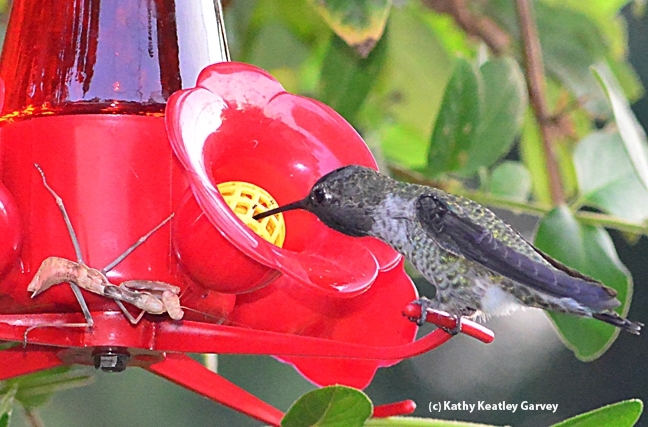
A hummingbird’s worst enemy is the praying mantis. These insects ambush and prey on hummingbirds, posing a significant threat. Additionally, cats and snakes can also be dangerous to these tiny birds. Protecting their habitat helps keep them safe from predators.
Conclusion
Hummingbirds do eat mosquitoes, but they prefer nectar and small insects. Their diet helps control insect populations. Attracting hummingbirds to your garden can be a natural way to reduce mosquitoes. Providing nectar-rich flowers and feeders will encourage these tiny birds.
Enjoy the benefits of a mosquito-free environment with the help of hummingbirds.