

Birds are not pregnant; they lay eggs. The incubation period for bird eggs typically ranges from 10 to 30 days.
Bird reproduction differs significantly from mammals. Instead of pregnancy, birds lay eggs that incubate outside their bodies. The length of the incubation period varies widely among species. Smaller birds like sparrows and finches usually have shorter incubation periods, around 10 to 14 days.
Larger birds, such as eagles and albatrosses, may have incubation periods extending up to 30 days or more. Factors such as climate, nesting site, and species-specific behaviors can also influence the length of incubation. Understanding these reproductive strategies helps in bird conservation and provides insights into their evolutionary adaptations.
Bird Reproduction Basics
Bird reproduction is a fascinating and diverse process. Understanding the basics helps us appreciate these creatures more. Birds reproduce by laying eggs, which then hatch into chicks. This process includes several stages: egg laying, incubation, and hatching. Each bird species has unique reproductive behaviors and timelines.
Egg Laying Process
The egg-laying process starts with the female bird. She produces eggs inside her body. The eggs are fertilized by the male bird. Once fertilized, the eggs develop a hard shell. The female then lays the eggs in a nest. Nest building is crucial for protecting the eggs. Different birds build different types of nests.
The number of eggs laid varies by species. Some birds lay just one egg. Others can lay up to a dozen. The laying period can last several days. The mother bird ensures the eggs are safe and warm.
Incubation Period
After laying eggs, the incubation period begins. This is the time the eggs need to develop into chicks. The incubation period length varies among species. On average, it ranges from 10 to 30 days. During this time, the mother or father bird keeps the eggs warm. This is done by sitting on the eggs. The warmth helps the embryos develop.
The parent birds may take turns incubating. They ensure the eggs are not left unattended. This protects the eggs from predators and weather.
Here’s a quick reference table for incubation periods:
| Bird Species | Incubation Period (Days) |
|---|---|
| Chicken | 21 |
| Duck | 28 |
| Parrot | 18-30 |
| Penguin | 65-75 |
Understanding these basics of bird reproduction highlights nature’s wonders. Each bird species has unique strategies for survival and growth.
Credit: sciencing.com
Mating And Fertilization
Birds have unique ways to reproduce. Understanding their mating and fertilization helps us learn more about these fascinating creatures.
Courtship Rituals
Courtship rituals in birds are exciting to watch. These rituals help birds attract mates. Some birds dance, while others sing songs. Bright feathers and fancy displays are common. These actions show strength and health.
Birds often use their environment in courtship. For example, some build nests to impress. Others collect shiny objects. Courtship can last days or even weeks.
Fertilization Process
Fertilization in birds happens internally. The male bird transfers sperm to the female. This process is called cloacal kissing. Both birds touch their cloacas briefly. Sperm moves from the male to the female.
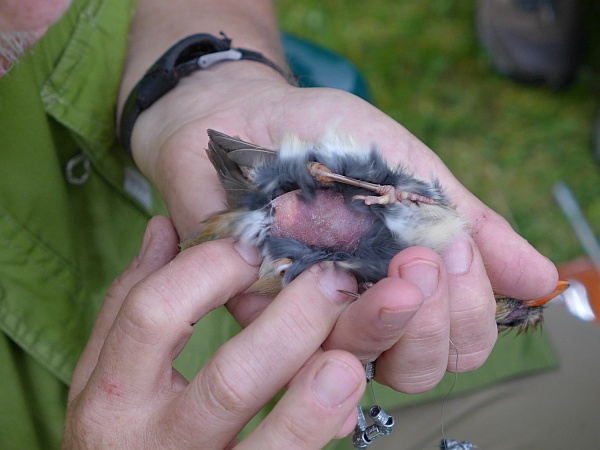
After fertilization, the female’s body starts egg production. She lays eggs in a safe nest. The eggs then incubate until they hatch.
| Bird Species | Courtship Duration | Incubation Period |
|---|---|---|
| Peacock | Several weeks | 28 days |
| Robin | Few days | 14 days |
| Eagle | Weeks to months | 35 days |
Egg Development Stages
Birds have a fascinating way of developing their young. The process inside the egg is complex and amazing. Understanding the egg development stages helps us appreciate nature’s wonders. Let’s explore the key stages of egg development in birds.
Embryo Formation
The embryo starts forming right after the egg is fertilized. It is a tiny group of cells. These cells divide rapidly. They form the basic structure of the bird. A protective shell surrounds the embryo. This shell keeps it safe.
During this stage, the embryo begins to develop organs. The heart, brain, and other vital parts start to form. This stage is crucial for the bird’s survival. Any damage can be harmful.
Within a few days, the embryo starts to look like a tiny bird. You can see the eyes, wings, and legs forming. The embryo is very delicate at this stage.
Nutrient Absorption
The growing embryo needs nutrients to develop. The yolk inside the egg provides these nutrients. The yolk is rich in proteins and fats. These are essential for the embryo’s growth.
There is a special sac called the yolk sac. It connects to the embryo. The yolk sac absorbs nutrients from the yolk. It then delivers these nutrients to the embryo.
Another important part is the albumen or egg white. It provides water and protection. The albumen also contains proteins. These proteins support the embryo’s growth.
The eggshell is porous. It allows oxygen to enter and carbon dioxide to leave. This process is called gas exchange. It is vital for the embryo’s survival.
By the end of the nutrient absorption stage, the embryo is fully formed. It is now ready to hatch. The process from fertilization to hatching can take several days. This depends on the bird species.
Understanding these stages helps us appreciate the complexities of bird life. Nature’s processes are truly remarkable!
Credit: www.quora.com
Incubation Techniques
Birds have unique incubation techniques to ensure their eggs hatch successfully. These methods are crucial for the survival of their species. Understanding these techniques helps us learn more about bird behavior and reproduction.
Parental Roles
Both male and female birds often share incubation duties. This teamwork ensures the eggs are always kept warm. In some species, the mother does most of the incubating. In others, the father takes on this role. For example, male emperor penguins incubate eggs while females hunt for food.
Here’s a table showing the parental roles in different bird species:
| Bird Species | Incubation Role |
|---|---|
| Emperor Penguin | Male |
| American Robin | Both |
| House Sparrow | Female |
Temperature Control
Temperature control is vital for egg development. Birds use their bodies to keep eggs at a constant temperature. Typically, eggs need to be between 99 and 102 degrees Fahrenheit. Birds achieve this by sitting on the eggs and adjusting their position.
Some birds even turn their eggs regularly. This helps distribute heat evenly. Here are some methods birds use for temperature control:
- Shifting their body position
- Using their feathers to trap heat
- Turning the eggs frequently
Birds have developed these incubation techniques over millions of years. These methods ensure the next generation of birds can thrive.
Species-specific Incubation
Birds have different incubation times based on their species. Each type of bird has unique needs and timelines for hatching eggs. Let’s explore the incubation periods of various bird species.
Songbirds
Songbirds, like sparrows and robins, have short incubation periods. The eggs usually hatch in about 10 to 14 days. These birds are small and active. They build nests in trees or bushes.
- Sparrows: Incubation lasts around 11 to 14 days.
- Robins: Eggs hatch in approximately 12 to 14 days.
Raptors
Raptors, such as eagles and hawks, have longer incubation periods. These birds of prey require more time for their young to develop. They often nest on cliffs or high trees.
- Golden Eagles: Incubation lasts around 35 to 45 days.
- Red-tailed Hawks: Eggs hatch in approximately 28 to 35 days.
| Bird Type | Incubation Period |
|---|---|
| Sparrows | 11 to 14 days |
| Robins | 12 to 14 days |
| Golden Eagles | 35 to 45 days |
| Red-tailed Hawks | 28 to 35 days |

Credit: www.youtube.com
Environmental Impact
The environment plays a crucial role in bird pregnancy. Various factors influence the duration and success of bird breeding cycles. Understanding these factors can help in bird conservation efforts.
Climate Factors
Climate is a major factor affecting bird pregnancy. Birds need specific conditions for successful breeding.
- Temperature: Birds require optimal temperatures for egg incubation. Extreme temperatures can harm embryos.
- Humidity: Proper humidity levels are essential. Low humidity can cause eggs to dry out.
- Rainfall: Rain provides water and food resources. Too much rain can destroy nests.
Predation Risks
Predators pose significant risks to bird eggs and chicks. Birds need safe nesting sites to protect their offspring.
- Natural Predators: Animals like snakes and raccoons are common threats. Birds build nests in hidden places to avoid them.
- Human Activities: Urbanization and deforestation expose birds to predators. Conservation efforts are needed to protect habitats.
Understanding these environmental factors helps in protecting bird populations. Climate and predation risks are critical elements in bird conservation.
Hatching Process
The hatching process is a fascinating stage in a bird’s life. It marks the transition from egg to chick. This process involves several steps, each crucial for the chick’s survival. Understanding these steps helps us appreciate the wonders of nature.
Breaking The Shell
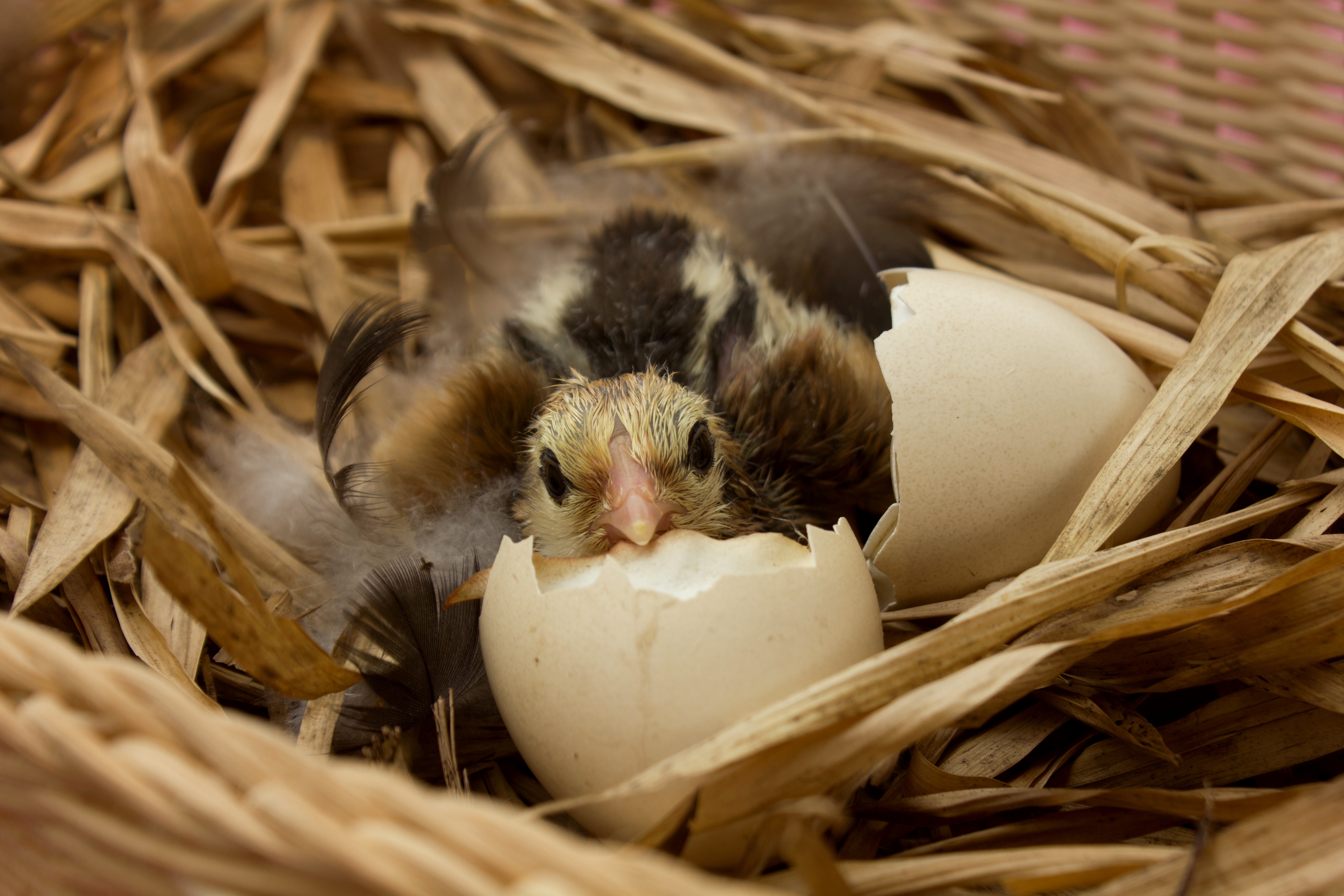
The first step in the hatching process is breaking the shell. The chick uses a special tool called an egg tooth. This small, sharp bump is on the chick’s beak. The chick taps the shell repeatedly. This action creates a small crack, called a pip. The chick continues to peck and push until the shell breaks open.
This process can take hours. The chick needs to rest often. Breaking the shell is hard work. The chick’s muscles are weak from being in the egg. Each rest period allows the chick to gather strength.
First Moments
After breaking the shell, the chick experiences its first moments outside. The chick is wet and tired. Its feathers, called down, need time to dry. The chick’s parents often help by keeping it warm.
During these moments, the chick begins to breathe air fully. Its lungs start working properly. The chick may make soft peeping sounds. These sounds alert the parents that the chick is alive and well.
The first moments are crucial for bonding. The chick recognizes its parents’ sounds. This bond helps the chick feel safe and secure.
| Stage | Activity |
|---|---|
| Breaking the Shell | Chick uses egg tooth to break the shell. |
| First Moments | Chick dries off and bonds with parents. |
The hatching process is a marvel of nature. Each step is vital for the chick’s survival. From breaking the shell to those first moments, every part is important. Understanding these steps helps us appreciate the incredible journey of birds.
Parental Care Post-hatching
After birds hatch, parents have many responsibilities. They must feed, protect, and teach their chicks. This period is crucial for the survival and growth of the young birds.
Feeding Chicks
Bird parents work hard to find food for their chicks. They bring insects, seeds, or small animals to the nest. Different species have unique diets. Some birds regurgitate food for their young. Others bring whole prey. The chicks eat frequently. This helps them grow quickly.
Protective Behaviors
Parent birds are very protective. They guard the nest against predators. If a threat comes, they may attack or distract it. Some birds use calls to warn their chicks of danger. Others use decoy behaviors to lead predators away. The parents stay alert all the time.
| Bird Species | Feeding Method | Protection Strategy |
|---|---|---|
| Robins | Insects and worms | Alert calls and distraction |
| Eagles | Regurgitation | Attack intruders |
| Penguins | Fish | Group defense |
Both feeding and protecting are vital. Without these actions, chicks cannot survive. Birds exhibit amazing dedication during this period. Their efforts ensure the next generation thrives.
Frequently Asked Questions
How Long Are Birds Pregnant With Eggs?
Birds are not pregnant. They lay eggs, and incubation periods vary. Most birds incubate eggs for 10-30 days.
How Long Does It Take A Bird To Make An Egg?
A bird typically takes about 24 to 48 hours to make an egg. This varies by species.
How Long Do Birds Sit On Their Eggs To Hatch?
Birds typically sit on their eggs for about 10 to 30 days. The exact duration depends on the species.
Do Birds Look Pregnant Before They Lay Eggs?
Birds do not look pregnant before laying eggs. They carry eggs internally, making changes difficult to notice.
Conclusion
Understanding bird pregnancy helps us appreciate their unique reproductive cycles. Each species has different incubation periods. Observing these fascinating creatures enriches our knowledge of nature. Respecting their life stages ensures better conservation. Stay curious and continue learning about the wonders of avian life.
This knowledge enhances our connection with the natural world.