

Yes, birds eat rocks. They ingest small stones to aid in digestion.
Birds do not have teeth to grind their food. Instead, they swallow small stones known as gastroliths. These rocks help break down food in the bird’s gizzard, a specialized stomach. The gizzard’s muscular walls contract, and the gastroliths grind the food into smaller, digestible pieces.
This process is essential for birds to extract nutrients efficiently. Different bird species may ingest varying sizes and quantities of rocks based on their diet. For example, seed-eating birds might need more gastroliths compared to those eating softer foods. This behavior is a fascinating adaptation that ensures birds can thrive on diverse diets.
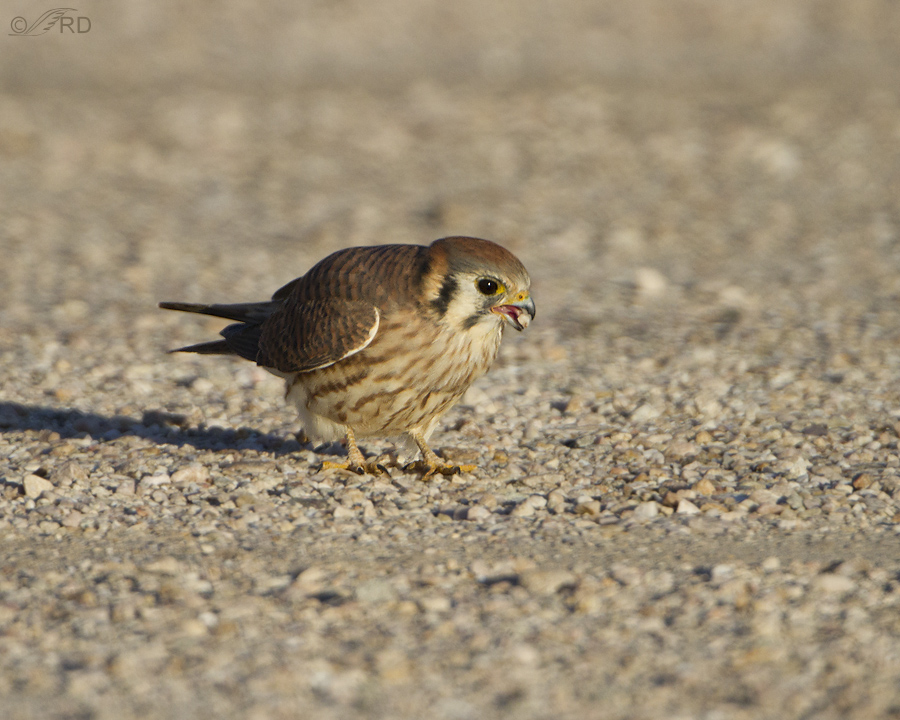
Credit: www.featheredphotography.com
Introduction To Bird Digestion
Birds have unique ways to digest food. Their digestive systems are different from ours. This makes their eating habits very interesting. Many people wonder if birds eat rocks. Let’s explore this by understanding bird digestion.
Unique Digestive Systems
Birds do not have teeth. They cannot chew their food. Instead, they have a special organ called the gizzard. The gizzard helps to grind up food. Birds swallow food whole. It goes to the crop first. The crop stores food before it goes to the stomach. From the stomach, food moves to the gizzard. The gizzard is very muscular. It breaks down food into smaller pieces.
Role Of Grit
Birds often eat small rocks or sand. These tiny stones are called grit. Grit helps the gizzard grind up food. It acts like teeth for birds. Without grit, birds cannot digest their food well. They need it to stay healthy.
| Bird Part | Function |
|---|---|
| Beak | Grabs and swallows food |
| Crop | Stores food temporarily |
| Stomach | Begins digestion |
| Gizzard | Grinds food with grit |
- Birds use grit to digest food.
- The gizzard is a key part of digestion.
- Grit acts like teeth for birds.

Credit: www.youtube.com
Why Birds Eat Rocks
Have you ever wondered why birds eat rocks? It may seem odd, but these small stones play a vital role in their survival. This unique behavior helps birds in several ways, mainly in digestion and nutrient absorption.
Aid In Digestion
Birds do not have teeth to chew their food. Instead, they swallow it whole. The food then goes to the gizzard, a muscular part of the stomach. This is where the rocks come into play. Birds ingest small stones, also known as grit, which stay in the gizzard. The rocks grind down the food, making it easier to digest.
| Bird Type | Common Grit Size |
|---|---|
| Chicken | 2-5 mm |
| Pigeon | 1-3 mm |
| Turkey | 3-6 mm |
This grinding process breaks down food particles. It allows enzymes to work more effectively, leading to better digestion.
Nutrient Absorption
Proper digestion ensures that birds absorb nutrients efficiently. When the food is broken down into smaller pieces, it increases the surface area. This allows digestive enzymes to work better, ensuring that nutrients are absorbed quickly.
- Better digestion leads to better nutrient absorption.
- Nutrient absorption keeps the bird healthy and energetic.
- Essential nutrients include proteins, vitamins, and minerals.
A healthy bird can fly longer and faster. It can also reproduce more effectively.
In summary, eating rocks is essential for birds. It aids in digestion and improves nutrient absorption, ensuring they stay healthy and active.
Types Of Rocks Consumed
Birds eating rocks might sound odd, but it’s essential for their digestion. Different birds consume various types of rocks. Let’s explore the types of rocks consumed by our feathered friends.
Grit And Gravel
Most birds need grit and gravel for digestion. These tiny stones help grind food in their gizzards.
- Grit: Small, sharp particles.
- Gravel: Larger, rounded stones.
Birds like chickens and pigeons peck at the ground to find grit. They swallow these stones to aid in breaking down hard seeds.
Mineral-rich Stones
Some birds eat mineral-rich stones to get essential nutrients. These stones provide minerals like calcium and magnesium.
Parrots and other exotic birds often consume these stones. In the wild, they find these minerals in specific locations.
| Bird Type | Stone Type |
|---|---|
| Parrots | Calcium-rich stones |
| Pigeons | Small gravel |
Mineral-rich stones are vital for eggshell formation and bone health. Birds know instinctively which stones to eat for these nutrients.
Bird Species And Their Preferences
Not all birds eat the same food. Some birds eat seeds, while others prefer meat. Understanding these preferences is key to knowing why birds eat rocks.
Seed-eating Birds
Seed-eating birds like sparrows and finches have different needs. They eat rocks to help grind seeds in their gizzards. This helps them digest their food better.
- Sparrows
- Finches
- Canaries
These birds need grit to break down hard seed shells. Without rocks, they can’t digest seeds efficiently.
Carnivorous Birds
Carnivorous birds such as hawks and eagles rarely eat rocks. They don’t need grit to digest their food. They eat meat, which is easier to digest.
- Hawks
- Eagles
- Owls
These birds have strong stomach acids. They can digest bones and feathers without needing grit.
Impact On Bird Health
Many birds eat small rocks and pebbles. This behavior impacts their health in various ways. Let’s explore how these tiny stones affect birds’ digestive systems and the potential risks involved.
Digestive Efficiency
Birds don’t have teeth. To grind food, they rely on their gizzards. The gizzard is a muscular part of their stomach. Birds ingest small rocks to help grind and digest food. These stones are called gastroliths.
Gastroliths break down food into smaller pieces. This process increases digestive efficiency. Birds can absorb nutrients better this way. It allows them to get the most out of their meals.
Here is a simple table showing how gastroliths help:
| Benefit | Explanation |
|---|---|
| Improved Digestion | Gastroliths help grind food particles. |
| Better Nutrient Absorption | Smaller food pieces are easier to digest. |
Potential Risks
Eating rocks can also pose risks. Birds must choose the right size and type of stones. Large or sharp rocks can injure their gizzards. This can lead to internal injuries.
List of potential risks:
- Internal Injuries – Large or sharp rocks can damage the gizzard.
- Blockages – Too many rocks can cause blockages.
- Infection – Injuries can lead to infections.
To minimize risks, birds instinctively select appropriate stones. They often pick smooth, small pebbles. This natural behavior helps them stay healthy.

Credit: www.reddit.com
Scientific Studies And Findings
Birds eating rocks may sound strange, but it’s true. Scientists have studied this behavior for many years. This section explores what they have found.
Historical Research
Early scientists noticed birds eating rocks. They asked why birds do this.
In the 1800s, researchers found that birds eat small stones. These stones help birds digest food. Birds don’t have teeth. Stones in their stomachs break down food.
Researchers in the past used simple tools. They observed birds closely. They wrote down their findings in notebooks. These notes help modern scientists understand bird behavior.
Recent Discoveries
Modern scientists use advanced tools. They conduct experiments to study birds eating rocks.
Recent studies use X-rays and cameras. These tools show how stones help birds. Stones grind food in the bird’s stomach. This process is called gastrolith digestion.
Researchers also study different bird species. They found that many birds eat rocks, not just a few types. This behavior is common among birds.
Scientists also study the size of stones. Smaller stones work better for small birds. Larger birds use bigger stones. This helps them digest different types of food.
Studies show that rocks help birds stay healthy. They get more nutrients from their food. This helps them grow and fly better.
Recent research helps us understand birds better. It shows why they eat rocks. It also helps us protect bird habitats.
Comparisons With Other Animals
Many animals eat rocks or similar materials. Birds are famous for eating rocks. But other animals also do this. Let’s explore some comparisons.
Reptiles And Amphibians
Reptiles like alligators and crocodiles also eat rocks. They do this to help digest food. Amphibians, such as frogs, do not eat rocks. Frogs have other ways to help digestion.
Mammals
Mammals usually do not eat rocks. But some do strange things. For example, elephants chew on rocks or soil. They do this to get minerals. Other mammals like cows and goats may chew on rocks for the same reason.
Here is a simple table comparing these animals:
| Animal Type | Examples | Reason for Eating Rocks |
|---|---|---|
| Birds | Chickens, Ostriches | Digestion |
| Reptiles | Alligators, Crocodiles | Digestion |
| Mammals | Elephants, Cows | Minerals |
Conclusion And Key Takeaways
Understanding why birds eat rocks offers fascinating insights into their survival. It helps us appreciate their unique adaptations.
Summary Of Benefits
Birds eating rocks might sound strange. Yet, it serves a vital purpose. Here are the key benefits:
- Aids Digestion: Grit helps grind food in the gizzard.
- Nutrient Absorption: Better digestion leads to better nutrient absorption.
- Improves Health: Proper digestion keeps birds healthy.
Final Thoughts
Birds eating rocks is a natural behavior. It is essential for their diet. Understanding this helps us care for birds better.
Frequently Asked Questions
What Is It Called When Birds Eat Rocks?
Birds eating rocks is called “gastroliths. ” They swallow stones to help grind food in their gizzards. This aids digestion.
Why Do Birds Eat Stone?
Birds eat stones to help with digestion. These stones, called gastroliths, grind food in their gizzards, aiding nutrient absorption.
What Birds Use Rocks?
Several bird species use rocks. For instance, Egyptian Vultures use rocks to crack open eggs. House Sparrows and American Robins use small stones for nest building.
Do Birds Pick Up Pebbles?
Yes, some birds pick up pebbles. They do this to aid in digestion by grinding food in their gizzards.
Conclusion
Birds eat rocks to help digest food in their gizzards. This surprising behavior plays a crucial role in their survival. Understanding bird diet habits enhances our appreciation of these fascinating creatures. Next time you see a bird, remember the incredible adaptations they have developed over time.
Birds truly are remarkable animals.