
Yes, crows eat mice. They are opportunistic feeders and consume various small animals.
Crows are highly adaptable birds found in many environments. These intelligent creatures have a diverse diet that includes insects, fruits, seeds, and small animals like mice. Their opportunistic feeding habits make them skilled scavengers, allowing them to thrive in urban and rural areas alike.
Crows’ ability to hunt and eat mice contributes to their role in controlling rodent populations. This dietary flexibility is one reason they are so widespread and successful. Their intelligence and adaptability make them fascinating subjects for study, especially regarding their feeding behaviors and ecological impact. Understanding their diet helps us appreciate their role in various ecosystems.
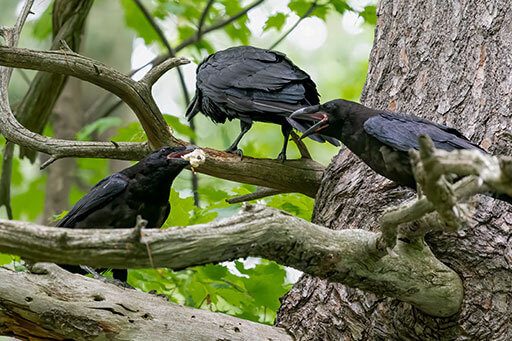
Credit: abcbirds.org
Crows And Their Diet
Crows are incredibly intelligent birds known for their adaptability. Their diet varies widely based on their environment. Understanding what crows eat helps us learn more about these fascinating creatures.
General Eating Habits
Crows are omnivores, meaning they eat both plants and animals. They are opportunistic feeders and consume a diverse range of foods. Crows often scavenge for food, making them excellent at cleaning up waste. They also hunt small animals and insects.
These birds are known for their problem-solving skills. They can open containers, use tools, and even plan for future meals. Their diet changes with the seasons, allowing them to thrive in various habitats.
Common Prey
Crows eat many types of prey. Here are some common examples:
- Mice: Crows hunt and eat mice, providing a natural pest control.
- Insects: They consume beetles, grasshoppers, and caterpillars.
- Bird Eggs: Crows raid nests for eggs and young birds.
- Small Reptiles: Lizards and small snakes are also part of their diet.
The table below shows the variety in their diet:
| Type of Food | Examples |
|---|---|
| Plant-Based | Fruits, seeds, grains |
| Animal-Based | Mice, insects, eggs, small reptiles |
Crows’ ability to eat various foods makes them adaptable. They can live in both urban and rural areas. This dietary flexibility is one reason they are so successful as a species.
Credit: www.quora.com
The Hunt For Mice
The hunt for mice is a fascinating aspect of crow behavior. Crows, being intelligent birds, have developed unique techniques to catch their prey. This section delves into how crows hunt mice, focusing on their strategies and the best times for hunting.
Hunting Techniques
Crows use several hunting techniques to catch mice. They often work in groups, increasing their chances of success. Here are some common methods:
- Aerial Surveillance: Crows fly high to spot movements of mice.
- Stalking: They silently approach their prey on foot.
- Pouncing: Crows quickly pounce on mice with precision.
These techniques showcase their intelligence and adaptability. Crows are also known to use tools, like sticks, to flush out mice from hiding spots.
Time Of Day
The time of day plays a crucial role in a crow’s hunting success. Crows are most active during the early morning and late afternoon. These times provide the best light for spotting prey. The activity of mice also influences hunting times:
| Time of Day | Crow Activity | Mouse Activity |
|---|---|---|
| Early Morning | High | Moderate |
| Midday | Low | Low |
| Late Afternoon | High | Moderate |
| Night | None | High |
Crows adjust their hunting schedules based on these patterns. Their ability to adapt makes them effective predators.
Nutritional Benefits
Crows are known to eat mice. This diet provides them with many nutritional benefits. Mice are rich in protein and offer a significant energy boost.
Protein Source
Mice are a great source of protein for crows. Protein is essential for their growth and feather health. It helps in muscle development and repair. A high-protein diet ensures crows stay strong and active.
Energy Boost
Mice provide an excellent energy boost to crows. They contain fats and carbohydrates. These nutrients give crows the energy they need to fly and hunt. Eating mice helps crows maintain their high energy levels.
Crows’ Adaptability
Crows are incredibly adaptable birds. They live in many different environments. Their diet is varied, including small animals like mice. This adaptability helps them survive in both urban and rural areas.
Urban Vs. Rural
In urban areas, crows often find food in trash cans. They eat leftovers, small rodents, and insects. Urban crows are clever. They learn to avoid dangers like cars and humans. These birds use buildings and trees for nesting.
In rural areas, crows hunt for food in fields and forests. They eat mice, insects, and seeds. Rural crows often work in groups to find food. They are skilled hunters and can catch small animals easily.
Seasonal Changes
The diet of crows changes with the seasons. In spring and summer, they eat more insects and small animals. This includes mice. During these months, food is plentiful.
In autumn, crows eat more seeds and fruits. They prepare for the winter when food is scarce. Winter forces crows to scavenge more. They rely on stored food and whatever they can find.
| Season | Main Food Source |
|---|---|
| Spring | Insects, small animals |
| Summer | Insects, small animals |
| Autumn | Seeds, fruits |
| Winter | Scavenged food |
Crows adjust their eating habits to survive. Their adaptability is key to their survival in diverse environments.
Myths And Misconceptions
There are many myths about crows and their eating habits. Some people think they only eat garbage. Others believe they prefer shiny objects. But what about mice? Many misconceptions exist on whether crows eat mice or not. Let’s dive into common beliefs and what science says.
Common Beliefs
Many people believe crows eat only dead animals. This is not true. Crows are omnivores. They eat both plants and animals. Some think crows do not eat mice because they are too big. But crows are skilled hunters. They can catch and eat mice.
Another belief is that crows are scavengers only. While they do scavenge, they also hunt. They can find and catch live prey. Some say crows prefer shiny objects over food. This is a myth. Crows prioritize food over shiny objects.
Scientific Evidence
Studies show that crows eat a variety of foods. This includes mice. Research has found that crows have sharp beaks. These beaks are good for catching small animals. Scientists have observed crows hunting and eating mice. They use their intelligence to catch prey.
A study published in the Journal of Avian Biology noted crows’ diverse diet. The study found that crows eat insects, fruits, and small animals. Mice are part of their natural diet. Another study in the Ecology Journal confirmed these findings. It showed that crows adapt their diet based on availability. If mice are available, crows will eat them.
| Common Belief | Scientific Evidence |
|---|---|
| Crows only scavenge | Crows hunt live prey |
| Crows do not eat mice | Crows eat mice |
| Crows prefer shiny objects | Crows prioritize food |
Crows are intelligent birds. They adapt their diet to what’s available. They are not picky eaters. This makes them successful in many environments. The myth that crows do not eat mice is false. They are capable hunters and will eat mice if they can catch them.
Impact On Ecosystem
When discussing the impact of crows on the ecosystem, their diet is crucial. Crows eat a variety of foods, including mice. This dietary choice affects the balance in nature. Let’s explore how crows eating mice impacts the ecosystem.
Role In Food Chain
Crows play a significant role in the food chain. They are both predators and scavengers. By eating mice, crows help control mouse populations. This keeps the ecosystem balanced.
Here is how crows fit into the food chain:
- Primary Producers: Plants and trees provide food for mice.
- Primary Consumers: Mice eat plants and seeds.
- Secondary Consumers: Crows eat mice and other small animals.
Predator-prey Balance
The predator-prey balance is vital for a healthy ecosystem. Crows help maintain this balance by eating mice. Without predators like crows, mouse populations could explode. This would lead to crop damage and disease spread.
Consider this table showing the predator-prey relationship:
| Predator | Prey | Impact |
|---|---|---|
| Crow | Mouse | Controls mouse population |
| Owl | Mouse | Reduces mouse numbers |
Crows eating mice prevent overpopulation. This keeps the ecosystem in check.
To summarize:
- Crows are essential in the food chain.
- They help control mouse populations.
- This maintains predator-prey balance.
Observation Studies
Observation studies are essential to understand if crows eat mice. Researchers watch crows closely to see what they eat. These studies give valuable insights into crow behavior.
Research Methods
Researchers use various methods to study crows. They watch crows in their natural habitats. They also use cameras to record crow activities. Sometimes, they place food like mice in specific areas and observe crow reactions.
| Method | Description |
|---|---|
| Direct Observation | Watching crows in the wild. |
| Camera Traps | Recording crow behavior with cameras. |
| Food Placement | Putting mice in areas to see if crows eat them. |
Key Findings
Observation studies show that crows do eat mice. They prefer small, easy-to-catch mice. Crows are opportunistic feeders, meaning they eat what is available. Sometimes, they hunt mice themselves. Other times, they scavenge dead mice.
- Crows prefer smaller mice.
- They hunt and scavenge.
- They are opportunistic feeders.
These findings help us understand crow diets better. Crows play an essential role in nature. They help control the mouse population. This makes them important in the food chain.
Credit: www.birdtipper.com
Human Interaction
Understanding human interaction with crows reveals a fascinating aspect of these intelligent birds. Crows are known for their adaptability and intelligence. They often engage with humans in various ways, especially when food is involved.
Feeding Crows
Feeding crows can be an exciting activity. People often leave scraps or specific foods for these birds. Crows enjoy a varied diet, including fruits, nuts, and insects.
Mice are a part of the crow’s natural diet. If you leave out small rodents, crows will likely eat them. This predatory behavior helps in controlling rodent populations.
When feeding crows, ensure the food is safe. Avoid processed foods or items harmful to birds. Fresh, natural foods are the best choice for feeding crows.
Ethical Considerations
Feeding wildlife comes with ethical considerations. It impacts the behavior of animals like crows. Overfeeding can make crows dependent on human-provided food.
Also, feeding crows might attract other wildlife, leading to unintended consequences. It’s crucial to balance the desire to feed crows with their natural hunting instincts.
Creating a feeding schedule helps maintain this balance. Feed them occasionally, not daily. This ensures crows continue to hunt naturally and do not rely solely on humans.
Keeping the environment clean is vital. Leftover food can attract pests or become hazardous. Dispose of any uneaten food promptly and responsibly.
Respect local wildlife regulations. In some areas, feeding wildlife is restricted or prohibited. Always check local guidelines before feeding crows or other animals.
| Food Type | Suitable for Crows |
|---|---|
| Fruits | Yes |
| Nuts | Yes |
| Processed Foods | No |
| Small Rodents | Yes |
Understanding these points ensures a positive interaction with crows. This encourages their natural behaviors and benefits the ecosystem.
Frequently Asked Questions
Will A Crow Eat A Mouse?
Yes, crows do eat mice. They are omnivorous birds and consume small mammals, insects, and other animals.
What Kind Of Bird Eats Mice?
Owls, hawks, and falcons are birds that eat mice. They hunt using sharp talons and keen eyesight.
Are Crows Good Pest Control?
Yes, crows help control pests by eating insects, small rodents, and other pests. They naturally reduce pest populations.
Do Ravens Hunt Mice?
Yes, ravens do hunt mice. They are opportunistic feeders and prey on small mammals, including mice. Ravens use their intelligence and agility to catch their prey.
Conclusion
Crows are versatile predators and do eat mice. Understanding their diet helps us appreciate their role in nature. Observing these intelligent birds offers insight into their survival strategies. Next time you see a crow, remember its diverse eating habits. Crows are fascinating creatures with unique behaviors worth exploring.