

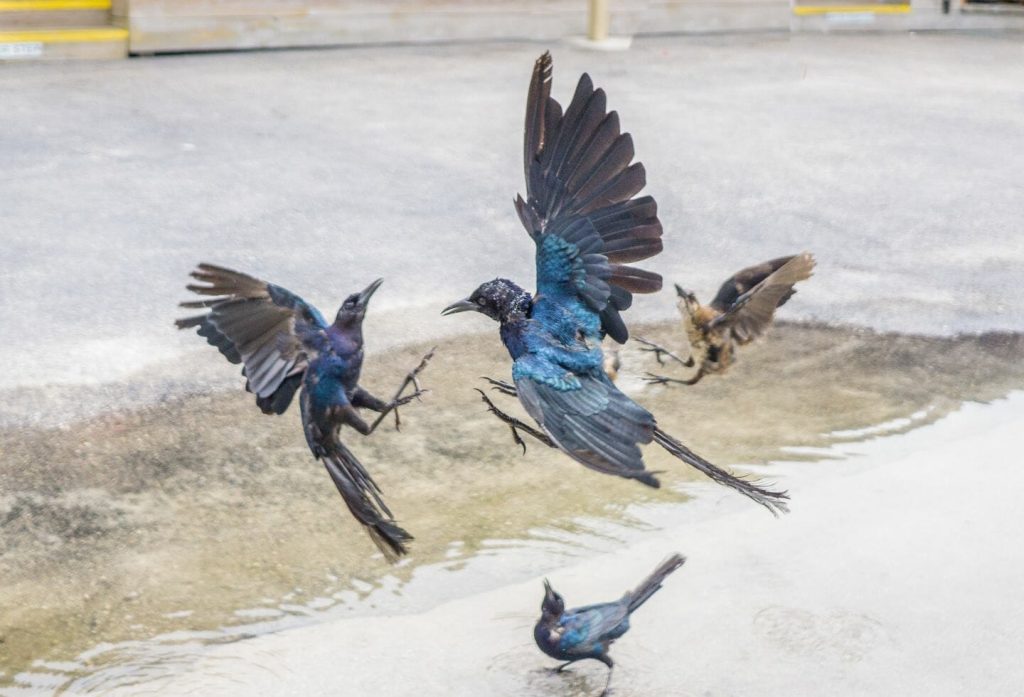
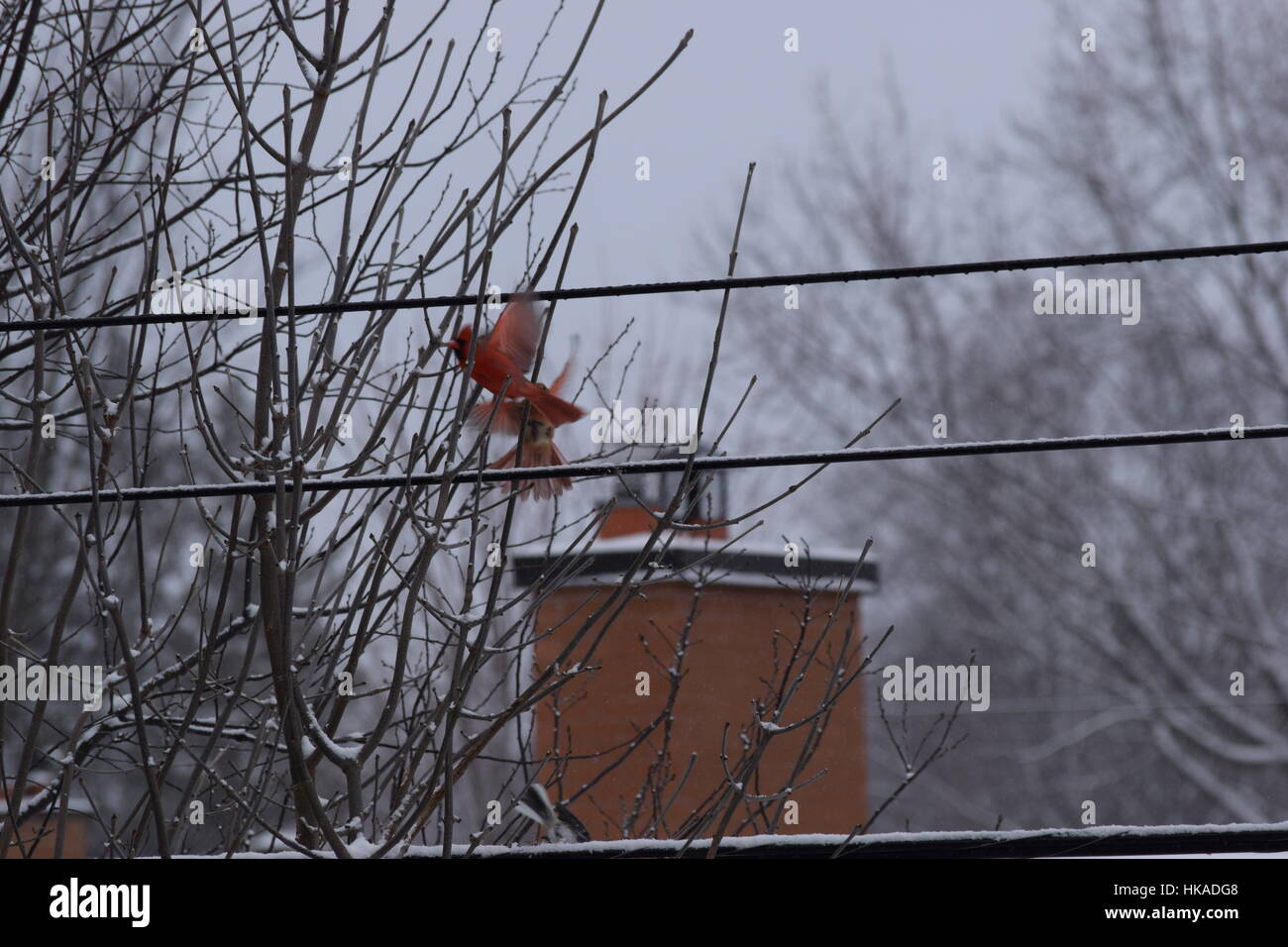
Birds chase each other primarily for mating purposes and to establish territory. They also engage in playful behavior and social interactions.
Birds exhibit chasing behavior for several reasons. During the mating season, males often chase females to display their strength and attract a mate. Territorial disputes also lead to chasing, with birds defending their space from intruders. Playful chasing helps young birds develop essential skills, such as flying and hunting.
This behavior strengthens social bonds within flocks. Understanding why birds chase each other provides insights into their complex social structures and survival strategies. Observing these interactions can be both fascinating and educational for bird enthusiasts and researchers alike.
Bird Behavior Basics
Birds often display fascinating behaviors that leave us curious. One common action is birds chasing each other. Understanding why birds do this can reveal a lot about their world.
Instinctual Actions
Birds have many instinctual actions. Chasing is one of them. They chase to protect their territory. This helps keep their area safe from intruders.
Chasing also happens during mating season. Male birds chase rivals away. This increases their chance of finding a mate. Birds may also chase for food. They want to secure their meals.
Communication Methods
Birds use chasing as a form of communication. It sends a clear message. Chasing can mean “stay away” or “this is mine.” They also use sounds and visuals when chasing.
- Birds might chirp loudly.
- They may puff up their feathers.
- Some even perform aerial displays.
These actions all help convey their intentions. By chasing, birds keep their social structure intact. It helps maintain order in their groups.
Territorial Disputes
Birds often chase each other due to territorial disputes. These disputes are common among birds. They help protect their homes and resources. Birds see other birds as threats. This leads to chasing and aggressive behavior.
Defending Boundaries
Birds defend their territories fiercely. Each bird has a specific area it calls home. Birds mark their territories with songs or calls. Other birds must respect these boundaries. If they don’t, the owner bird will chase them away.
| Reason | Action |
|---|---|
| Intruder | Chased away |
| Boundary crossed | Defensive behavior |
Resource Competition
Birds also chase each other due to resource competition. Resources like food and nesting sites are limited. Birds compete to secure these resources. A bird will chase away others to protect its food.
- Food sources are limited.
- Nesting sites are valuable.
- Water sources are crucial.
Birds need to ensure they have enough resources. This leads to chasing and fighting. Birds protect their resources to survive.
Mating Rituals
Birds often chase each other for various reasons. One of the primary reasons is mating rituals. These rituals are crucial for birds to find and attract a suitable mate. Let’s explore some key aspects of these fascinating behaviors.
Courtship Displays
Birds use courtship displays to show off their fitness and attractiveness. These displays can include singing, dancing, and showing off vibrant feathers. Male birds often perform these displays to attract females.
- Singing: Many male birds sing complex songs to attract females.
- Dancing: Some birds perform intricate dances to impress potential mates.
- Feather Displays: Bright, colorful feathers are shown off to attract attention.
These displays are not just for show. They indicate the male’s health and genetic quality. Female birds often choose mates based on these impressive displays.
Mate Selection
Once the courtship displays are over, the next step is mate selection. Female birds play a significant role in this process. They evaluate the males based on their displays and other factors.
| Factors | Details |
|---|---|
| Health | Healthy males are more attractive to females. |
| Vigor | Males with more energy are preferred. |
| Territory | Males with better territories attract more females. |
Female birds often visit multiple males before making a choice. They weigh all factors to ensure the best mate for their offspring. This careful selection helps ensure the survival and strength of their species.
Predator Avoidance
Birds often chase each other to avoid predators. This behavior helps them stay safe. By working together, they can confuse and scare off threats. Birds use different tactics to achieve predator avoidance.
Safety In Numbers
Birds often form large groups. Safety in numbers helps them protect each other. In a flock, each bird has less chance of being caught. Predators find it hard to focus on one target.
This tactic is called the dilution effect. The more birds in a group, the safer each one feels. Birds like starlings and sparrows use this method often.
Distracting Threats
Birds also use distraction displays to protect themselves. They chase each other to confuse predators. This makes it hard for the predator to catch one bird.
For example, a group of birds might fly in different directions. This way, the predator doesn’t know which bird to follow. This tactic is especially common in small birds like finches.
Another method is mobbing. Birds team up to chase away predators. They make loud noises and dive at the threat. This can scare off larger animals like hawks or cats.
| Bird Behavior | Purpose |
|---|---|
| Flocking | Safety in numbers |
| Distraction Displays | Confuse predators |
| Mobbing | Chase away threats |
Play And Social Interaction
Birds chasing each other is a common sight in nature. This behavior is not always about aggression. Often, it is about play and social interaction. Birds, like many animals, engage in playful activities for various reasons. These activities help them develop skills and build bonds with one another.
Bonding Activities
Playful chasing helps birds form strong social bonds. They use these activities to establish and maintain relationships within their flock. This bonding is essential for their survival. Birds that bond well with others tend to have better protection and access to resources.
- Flock Dynamics: Chasing helps establish pecking order and social hierarchy.
- Pair Bonding: Mating pairs often chase each other to strengthen their bond.
- Group Cohesion: Playful activities keep the flock united and coordinated.
Learning Through Play
Birds also chase each other to learn new skills. Play is a critical part of their development. Young birds, in particular, use play to practice important survival skills.
- Hunting Skills: Chasing helps improve their ability to catch prey.
- Flight Techniques: Playful flights enhance their maneuvering and flying skills.
- Problem-Solving: Engaging in play activities fosters creativity and problem-solving abilities.
In the table below, you can see some common playful activities and their benefits:
| Playful Activity | Benefit |
|---|---|
| Chasing | Improves flight speed and agility |
| Mock Fighting | Enhances defense skills |
| Hide and Seek | Boosts problem-solving abilities |
These playful behaviors are vital for their growth. Birds that engage in play are better equipped for challenges. They become more adaptable and resilient in their environment.

Credit: www.berrypatchfarms.net
Migration Patterns
Birds often chase each other during migration. This behavior is interesting and complex. Migration patterns involve long journeys. Birds need to move between breeding and wintering grounds. Let’s explore why they chase each other.
Navigating Routes
Birds follow specific routes during migration. These routes are called flyways. Birds chase to stay on the right path. Experienced birds lead the way. Young birds learn by following them. This helps them find food and safe places to rest.
Seasonal Movements
Birds migrate with the seasons. In spring, they head north. In fall, they move south. Chasing happens because they travel in groups. It helps maintain the flock’s formation. Birds also chase to defend their territory. They need space to find food and shelter.
Species-specific Behaviors
Birds often chase each other for various reasons. These behaviors can vary greatly between species. Understanding these species-specific behaviors helps us learn more about their lives.
Unique Traits
Different bird species have unique traits that influence their chasing behaviors. For example, some birds chase to protect their territory. Birds like the American Robin are very territorial. They will chase away intruders to keep their space safe.
Other birds chase during mating seasons. Male birds, like the Peacock, chase females to display their feathers. This helps them attract a mate.
| Species | Behavior |
|---|---|
| American Robin | Territory Protection |
| Peacock | Mating Display |
Adaptations
Birds also have unique adaptations for chasing. These adaptations help them survive and thrive in their environments.
For instance, the Peregrine Falcon has incredible speed. It chases its prey at high speeds, making it one of the fastest birds in the world.
Another example is the Hummingbird. It can hover in place due to its rapid wing beats. This helps it chase other birds away from its food sources.
- Peregrine Falcon: High-speed chases
- Hummingbird: Rapid wing beats for hovering
In Summary
Birds chase each other for many reasons. These reasons are often tied to their unique traits and adaptations. By understanding these behaviors, we can appreciate the diversity of bird life.
Credit: earthlife.net
Human Influence
Human influence plays a significant role in the behavior of birds. This influence can be both direct and indirect, shaping how birds interact with each other.
Urban Environments
Urban environments have a profound impact on bird behavior. Cities provide new challenges and opportunities for birds.
Birds often chase each other in cities due to limited space. Competition for food and nesting sites is high.
- Skyscrapers and buildings reduce natural habitats.
- Noise pollution affects bird communication.
- Artificial lights disrupt natural cycles.
These factors force birds to compete more aggressively. As a result, chasing becomes a common behavior.
Conservation Efforts
Conservation efforts aim to restore natural habitats. These efforts can reduce the need for birds to chase each other.
| Conservation Method | Impact on Birds |
|---|---|
| Creating green spaces | Provides more habitats |
| Planting native plants | Ensures food availability |
| Reducing pollution | Improves health and communication |
These efforts help birds to live more peacefully. Less competition leads to fewer chases.
Credit: www.alamy.com
Frequently Asked Questions
What Does It Mean When Two Birds Are Chasing Each Other?
Two birds chasing each other usually indicates mating behavior, territorial disputes, or playful interaction. It’s common in many bird species.
How Do You Tell If Birds Are Fighting Or Mating?
Birds fighting often show aggression, loud noises, and pecking. Mating behavior involves mutual grooming, feeding, and quieter sounds.
Why Is A Bird Chasing Another Bird?
Birds chase each other for various reasons. They may be defending territory, seeking a mate, or playing.
Why Do Mocking Birds Chase Each Other?
Mockingbirds chase each other to defend their territory and attract mates. This behavior ensures their survival and reproduction.
Conclusion
Birds chase each other for various reasons, including territory, mating, and play. Understanding these behaviors enhances our appreciation of avian life. Observing bird interactions can be a fascinating and educational experience. So next time you see birds chasing, remember there’s more than meets the eye.
Keep exploring the wonders of nature.