

No, birds should not eat moldy bread. Mold can be toxic and harmful to their health.
Feeding birds is a common pastime, but it’s crucial to know what foods are safe. Moldy bread contains mycotoxins, which can cause severe health problems in birds. These toxins can lead to respiratory issues, digestive problems, and even death. Fresh, whole grains or birdseed are better choices for feeding wild birds.
Avoid giving them any food that shows signs of mold or spoilage. Ensuring the safety of the food helps maintain the health and wellbeing of the birds. Small efforts like these can make a significant difference in their lives. Always prioritize fresh and safe food options for our feathered friends.
Introduction To Moldy Bread And Birds
Birds are delightful creatures that bring joy to many. Feeding them can be a fun activity. But it’s important to know what is safe for birds to eat. One common question is, can birds eat moldy bread?
Common Bird Feeding Practices
Many people enjoy feeding birds in their backyards. They often use foods like seeds, nuts, and bread. Bread is a popular choice because it is cheap and easy to find. But not all bread is good for birds.
People sometimes give birds old or leftover bread. This can be harmful if the bread has mold on it. Moldy bread can make birds very sick.
Why Moldy Bread Is A Concern
Moldy bread contains harmful toxins. These toxins can cause serious health problems in birds. Birds have small bodies, so even a little mold can be dangerous.
Eating moldy bread can lead to respiratory issues and digestive problems. It can also weaken their immune system. This makes them more prone to diseases.
Always check the bread before giving it to birds. If you see mold, throw it away. It’s better to be safe than sorry.
| Safe Foods for Birds | UnSafe Foods for Birds |
|---|---|
| Seeds | Moldy Bread |
| Nuts | Chocolate |
| Fresh Fruits | Salty Foods |
| Vegetables | Avocado |
- Always provide fresh food to birds.
- Avoid giving them moldy or spoiled items.
- Check for mold before feeding bread to birds.

Credit: avianreport.com
Types Of Mold Found On Bread
Birds love bread, but not all bread is safe. Moldy bread can be harmful. Let’s explore the types of mold found on bread.
Common Mold Species
Several mold species grow on bread. Here are the most common:
- Aspergillus: Often green or black. Can produce toxins.
- Penicillium: Blue or green. Known for its fuzzy appearance.
- Rhizopus: Black bread mold. Spreads quickly on bread.
- Cladosporium: Black or green. Found on many food items.
Health Risks Of Mold
Mold can harm birds. Here are some health risks:
- Respiratory Issues: Mold spores can cause breathing problems.
- Toxicity: Some molds produce mycotoxins. These are harmful chemicals.
- Digestive Problems: Mold can upset a bird’s stomach.
Knowing these risks helps keep birds safe. Always check bread for mold before feeding.
Birds’ Digestive Systems
Understanding birds‘ digestive systems helps us know what they can eat. Birds have unique digestive mechanisms. They differ from mammals and humans. Their systems are specialized to process a variety of foods.
How Birds Process Food
Birds lack teeth. They have beaks to break down food. The food travels to the crop, a storage pouch. Here, it softens before moving to the stomach.
The stomach has two parts: the proventriculus and the gizzard. The proventriculus is the glandular stomach. It releases digestive enzymes. The gizzard is muscular. It grinds food using small stones or grit.
Finally, the food moves to the intestines. Nutrients are absorbed here. The digestive process is quick. Birds need constant energy from food.
Sensitivity To Toxins
Birds are sensitive to toxins. Their metabolic rate is high. Toxic substances can affect them faster than mammals. Mold contains mycotoxins. These are harmful substances produced by fungi.
Mycotoxins can cause various health issues. They may lead to digestive problems, respiratory issues, and even death. Birds cannot easily detoxify these substances. Even small amounts can be dangerous.
Feeding birds moldy bread is risky. It can make them very sick. Always provide fresh, safe food for birds. Protect their health and well-being.
Risks Of Feeding Moldy Bread To Birds
Feeding moldy bread to birds can cause serious health problems. Birds have delicate digestive systems. Moldy bread contains harmful toxins that can hurt birds.
Short-term Effects
Ingesting moldy bread can lead to immediate issues. Birds may experience vomiting and diarrhea. These symptoms can quickly dehydrate birds, making them weak. Mold toxins can also cause respiratory issues. Birds might have trouble breathing or show signs of distress.
Long-term Health Issues
Feeding birds moldy bread regularly can have long-lasting effects. Birds may suffer from chronic respiratory diseases. Continuous exposure to mold can damage their liver and kidneys. Birds might also develop neurological problems. Long-term effects can be fatal if not addressed.
| Health Issue | Short-term Effects | Long-term Effects |
|---|---|---|
| Digestive Problems | Vomiting, Diarrhea | Malnutrition, Weight Loss |
| Respiratory Issues | Breathing Trouble | Chronic Respiratory Disease |
| Neurological Issues | Distress | Permanent Damage |
Signs Of Mold Poisoning In Birds
Birds are sensitive creatures. Moldy bread can harm them. Recognizing signs of mold poisoning is crucial. This helps in providing timely help.
Behavioral Changes
Birds show noticeable changes in behavior if poisoned by mold. Watch for these signs:
- Lethargy: The bird moves less and rests more.
- Loss of Appetite: The bird eats very little or stops eating.
- Unusual Aggression: The bird becomes unexpectedly aggressive.
- Disorientation: The bird seems confused and unsteady.
Physical Symptoms
Physical symptoms are clear indicators of mold poisoning. Look for these signs:
| Symptom | Description |
|---|---|
| Respiratory Issues | Heavy breathing, wheezing, or sneezing. |
| Diarrhea | Frequent loose or watery droppings. |
| Vomiting | Regurgitating food or liquids. |
| Swollen Eyes | Eyes appear puffy and red. |
Immediate action is essential if you notice these symptoms. Seek veterinary help to ensure the bird’s safety and health.
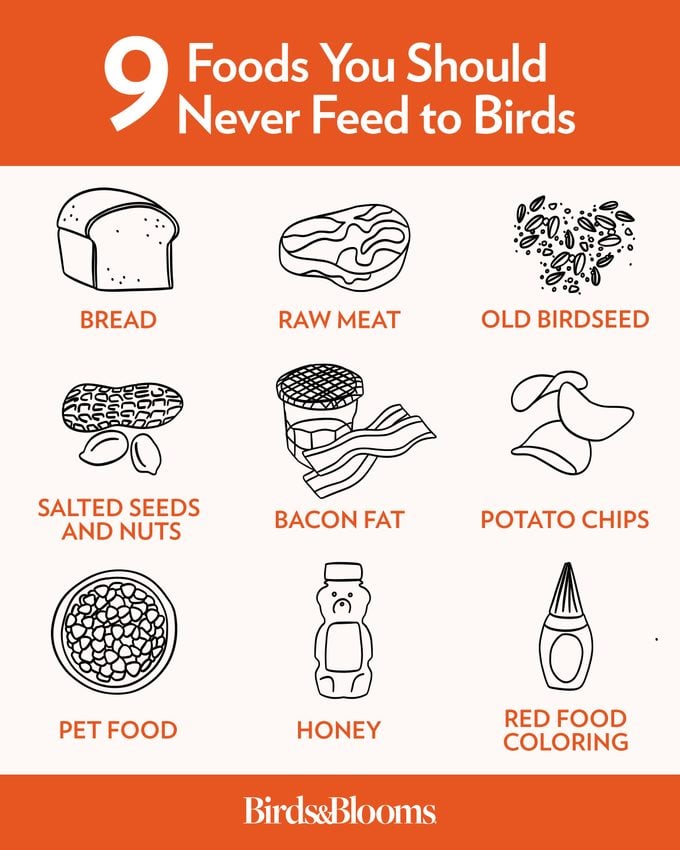
Credit: www.birdsandblooms.com
Alternatives To Moldy Bread
Birds should not eat moldy bread. Moldy bread can make them sick. Instead of moldy bread, there are many healthy alternatives to feed birds. These alternatives are safe and nutritious. Below are some great options for feeding birds.
Healthy Bird Food Options
Birds need healthy food to stay strong. Here are some good choices:
- Seeds: Sunflower, millet, and safflower seeds are excellent.
- Nuts: Peanuts (unsalted) and almonds are great.
- Fruit: Apples, berries, and grapes are nutritious.
- Vegetables: Peas, corn, and carrots are healthy.
Safe Kitchen Scraps
Some kitchen scraps are safe for birds. These scraps can be a good treat.
| Kitchen Scrap | Benefits |
|---|---|
| Cooked rice | Easy to digest and filling |
| Oatmeal | Good source of energy |
| Boiled potatoes | Nutritious and tasty |
| Cooked pasta | Soft and easy to eat |
These foods should be plain and unsalted. Avoid seasoning and sauces.
Feeding birds healthy food keeps them happy and energetic. Choose safe options for their diet.
Preventing Mold In Bird Feed
Ensuring your bird feed stays fresh is crucial. Moldy bread can harm birds. Learn how to keep bird feed mold-free. Follow these tips for safe, fresh bird feed.
Proper Storage Techniques
- Airtight Containers: Store bird feed in airtight containers. This keeps moisture out.
- Cool, Dry Places: Place containers in cool, dry areas. Avoid direct sunlight.
- Regular Cleaning: Clean storage containers regularly. This prevents mold buildup.
- Check Expiration Dates: Always use fresh feed. Discard expired feed.
Best Practices For Freshness
- Buy in Small Quantities: Purchase only what you need. This ensures freshness.
- Inspect Feed Daily: Check bird feed daily for mold. Remove moldy feed immediately.
- Proper Feeding Stations: Use clean, dry feeders. Moisture encourages mold growth.
- Keep Feeders Clean: Clean feeders weekly. This keeps the feed fresh.
| Tip | Benefit |
|---|---|
| Airtight Containers | Prevents moisture |
| Cool, Dry Places | Reduces mold risk |
| Regular Cleaning | Removes mold spores |
| Check Expiration Dates | Ensures fresh feed |

Credit: www.tiktok.com
Frequently Asked Questions
What Happens If A Bird Eats Moldy Bread?
Eating moldy bread can harm birds. Mold contains toxins that can cause respiratory issues, digestive problems, and even death. It’s crucial to feed birds fresh, safe food.
Can Squirrels And Birds Eat Moldy Bread?
Squirrels and birds should not eat moldy bread. Mold can be toxic and harmful to their health. Always offer fresh food.
Is Mold Harmful To Birds?
Yes, mold is harmful to birds. It can cause respiratory issues, infections, and weakened immune systems. Keep their environment clean.
What To Do With Moldy Bread?
Throw away moldy bread immediately. Mold can spread quickly and cause health issues. Store bread properly to prevent mold.
Conclusion
Feeding birds moldy bread can harm their health. Always provide fresh, nutritious food to our feathered friends. Avoiding moldy bread helps prevent potential illnesses. By choosing healthier options, you ensure the well-being of the birds. Keep your local wildlife safe and thriving with proper dietary choices.
Respect nature, and it will flourish.