

Yes, birds can eat coconut. It provides essential nutrients and is safe for most bird species.
Coconut is a nutritious treat for birds, offering healthy fats, vitamins, and minerals. Birds enjoy both the flesh and the oil, which can boost their energy. It’s important to offer coconut in moderation, as too much fat can be harmful.
Fresh, unsweetened coconut is best, avoiding any with added sugars or preservatives. Many pet birds, like parrots and finches, will eagerly consume coconut. Wild birds may also benefit from it, particularly during colder months when energy needs are higher. Always ensure the coconut is clean and free from mold. This tropical fruit can be a delightful and beneficial part of a bird’s diet.
Credit: www.birdtipper.com
Birds And Coconut: An Unexpected Pair
Many people wonder if birds can eat coconuts. Surprisingly, birds and coconuts make a great pair. Coconuts are not just for humans. Birds can also enjoy this tropical treat.
Common Bird Diets
Birds eat a variety of foods. Their diet usually includes:
- Seeds
- Fruits
- Insects
- Nuts
Birds need a balanced diet. This helps them stay healthy and active.
Introduction To Coconuts
Coconuts are tropical fruits. They have a hard shell, white flesh, and water inside. Coconuts are rich in nutrients. They provide energy and hydration.
Birds can eat the white flesh of coconuts. It is safe for them. The flesh contains healthy fats and minerals. Birds love the taste of coconuts.
| Component | Benefit |
|---|---|
| Healthy Fats | Provides energy |
| Minerals | Supports overall health |
| Fibers | Aids digestion |
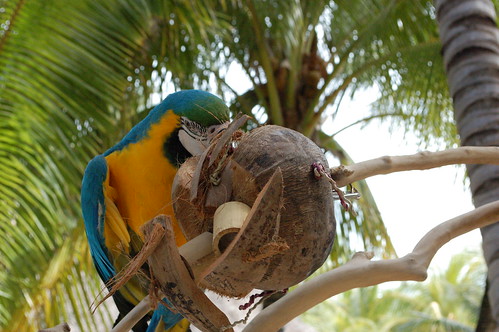
Offering coconut to birds can be fun. You can hang coconut halves in your garden. Birds will come and enjoy the treat. This can attract various bird species.
Credit: birdtricksstore.com
Nutritional Value Of Coconut
Coconuts are a delicious tropical fruit that many birds enjoy. They are not just tasty; they are also packed with nutrients. Understanding the nutritional value of coconut can help you decide if it’s a good addition to your bird’s diet.
Macronutrients In Coconut
Coconuts are rich in macronutrients that are essential for birds. Here is a breakdown:
| Macronutrient | Content per 100g |
|---|---|
| Calories | 354 kcal |
| Protein | 3.3g |
| Fat | 33.5g |
| Carbohydrates | 15.2g |
| Fiber | 9g |
Coconut is high in healthy fats. These fats are good for your bird’s energy. The protein content helps in muscle growth. The fiber helps in digestion.
Vitamins And Minerals
Coconuts are also rich in vitamins and minerals:
- Vitamin C: Helps boost the immune system.
- Vitamin E: Good for skin and feathers.
- Potassium: Helps in muscle function.
- Iron: Important for blood health.
- Magnesium: Good for the heart and bones.
These nutrients make coconut a nutritious treat for birds. They help in overall health and well-being.
Types Of Coconut Products
Coconut products can be a delightful treat for birds. They offer essential nutrients and are often enjoyed by many bird species. This section explores the different types of coconut products that you can offer to your feathered friends.
Fresh Coconut Meat
Fresh coconut meat is a favorite among birds. It is rich in healthy fats and provides a good source of energy. Ensure the coconut is fresh and free from mold.
- Rich in healthy fats
- Provides essential nutrients
- Must be mold-free
Coconut Oil
Coconut oil is another excellent option for birds. It is known for its antibacterial and antiviral properties. Mix a small amount with birdseed or spread on a perch.
Desiccated Coconut
Desiccated coconut is dried and shredded coconut meat. It is a convenient option and can be sprinkled on bird food. Ensure it is unsweetened and free from additives.
- Convenient to use
- Can be sprinkled on bird food
- Ensure it is unsweetened
Bird Species That Eat Coconut
Many birds enjoy eating coconut. It is a rich source of fat and nutrients. Birds often feast on coconut meat, milk, and oil. Let’s explore some bird species that relish this tropical treat.
Parrots And Parakeets
Parrots and parakeets are fond of coconut. These birds are intelligent and playful. They enjoy cracking open coconut shells. They love the taste of the sweet coconut meat. Coconut helps keep their feathers shiny and healthy. It also provides essential nutrients for their diet. Offering coconut to parrots and parakeets can be a great way to enrich their meals.
Wild Birds
Many wild birds eat coconut too. Species like crows, woodpeckers, and orioles often feast on coconut. They find coconuts in tropical regions. They peck at the shells to reach the meat inside. Coconut provides them with energy and vital nutrients. Here is a list of wild birds that eat coconut:
- Crows
- Woodpeckers
- Orioles
- Finches
- Robins
Birds benefit from the healthy fats and vitamins in coconut. Offering coconut to wild birds can help them thrive. You can place coconut pieces in your backyard feeder. Watch the birds come and enjoy their tropical treat!
| Bird Species | Preferred Coconut Form |
|---|---|
| Parrots | Fresh Coconut Meat |
| Parakeets | Fresh Coconut Meat |
| Crows | Fresh Coconut Meat |
| Woodpeckers | Fresh Coconut Meat |
| Orioles | Fresh Coconut Meat |
Health Benefits For Birds
Coconuts are not only delicious for humans but also beneficial for birds. This tropical fruit offers numerous health advantages for our feathered friends. Below, we explore some key benefits that make coconuts a great addition to a bird’s diet.
Energy Boost
Birds are energetic creatures, always on the move. Coconuts provide a quick energy boost due to their high-fat content. The fats in coconuts are medium-chain triglycerides (MCTs), which are easier for birds to digest and convert into energy.
| Benefits | Details |
|---|---|
| Quick Energy | High in MCTs |
| Easy Digestion | Medium-chain fats |
Adding coconut to a bird’s diet ensures they stay active and lively. This is especially important for pet birds who may not get as much exercise.
Feather Health
Healthy feathers are crucial for birds. They help in flying, temperature regulation, and even attracting mates. The nutrients in coconut support feather health and growth.
- Vitamin E: Promotes healthy skin and feathers.
- Lauric Acid: Has antibacterial properties, keeping feathers clean.
- Moisture: Coconut helps in maintaining feather moisture.
By incorporating coconut into their diet, birds can have shiny and strong feathers. This not only improves their appearance but also their overall health.
Potential Risks And Precautions
Feeding birds coconut can be enjoyable. But it’s crucial to know the risks. Birds can eat coconut, but there are some dangers. Let’s explore these risks and precautions.
High Fat Content
Coconut has a high fat content. While birds need some fat, too much is harmful. Excess fat can lead to obesity in birds. Obesity can cause other health issues, like liver disease.
Here’s a quick comparison of fat content:
| Food | Fat Content per 100g |
|---|---|
| Coconut | 33g |
| Sunflower Seeds | 49g |
| Peanuts | 49g |
Limit the amount of coconut you give birds. Offer it as a treat, not a main food source.
Choking Hazards
Birds can choke on large pieces of coconut. Always ensure coconut pieces are small. Avoid giving birds whole coconut chunks.
Here are some safe feeding tips:
- Grate the coconut finely.
- Mix grated coconut with their regular food.
- Monitor the bird while it eats.
Never leave large pieces unattended. A small oversight can be dangerous.
How To Feed Coconut To Birds
Feeding coconut to birds can be a delightful treat. This section will guide you on how to do it safely and effectively. Birds enjoy coconut, and it provides them with necessary nutrients. Let’s explore the best ways to prepare and serve coconut to your feathered friends.
Safe Preparation Methods
Ensuring the coconut is safe for birds is crucial. Follow these steps to prepare coconut properly:
- Remove the Shell: Break open the coconut and remove the hard shell.
- Clean the Meat: Rinse the coconut meat to remove any dirt.
- Shred the Coconut: Use a grater to shred the coconut into small pieces.
- Dry the Coconut: Let the shredded coconut dry to prevent mold.
By following these steps, you ensure the coconut is clean and safe for birds to eat.
Appropriate Portions
Feeding birds the right amount of coconut is important. Birds need a balanced diet, so coconut should be a treat, not a main meal.
| Bird Size | Portion Size | Frequency |
|---|---|---|
| Small Birds (e.g., Finches) | 1-2 teaspoons | Once a week |
| Medium Birds (e.g., Parakeets) | 1-2 tablespoons | Twice a week |
| Large Birds (e.g., Parrots) | 3-4 tablespoons | Three times a week |
These portions ensure your bird enjoys coconut without overindulging.

Credit: www.reddit.com
Personal Stories And Case Studies
Exploring whether birds can eat coconut leads to fascinating stories. Bird owners and scientists have shared their experiences. These accounts provide valuable insights.
Bird Owner Testimonials
Many bird owners have tried feeding their birds coconut. Their stories highlight both successes and challenges.
- Jane’s Parrot: Jane fed her parrot fresh coconut slices. Her parrot loved the treat and showed no signs of illness.
- Tom’s Cockatiel: Tom offered shredded coconut to his cockatiel. The bird was hesitant at first but soon enjoyed it.
- Emma’s Budgie: Emma gave her budgie a small piece of coconut. The budgie played with it before eating and seemed to enjoy the texture.
Scientific Observations
Scientists have studied the effects of coconut on birds. These observations are crucial for understanding their dietary needs.
| Study | Findings |
|---|---|
| University of Avian Sciences | Birds digest coconut well. No adverse effects observed. |
| Ornithological Research Institute | Coconut provides healthy fats. Beneficial for bird feathers. |
| Wildlife Nutrition Study | Moderate coconut consumption is safe. Overfeeding may cause digestive issues. |
Conclusion: Should You Feed Birds Coconut?
Feeding birds coconut can be beneficial, offering them healthy fats and nutrients. Ensure it’s unsweetened and free from additives for their safety. Always provide in moderation to avoid digestive issues.
Feeding birds coconut can be a delightful treat. But is it good for them? Let’s break it down and see the benefits and recommendations.Summary Of Benefits
Coconuts offer many benefits for birds:- Rich in Nutrients: Coconuts are packed with vitamins and minerals.
- Healthy Fats: They provide birds with essential fatty acids.
- Energy Boost: The fats give birds an energy boost, especially in winter.
- Hydration: Coconut water helps keep birds hydrated.
Final Recommendations
To safely feed birds coconut, follow these steps:- Choose Fresh Coconut: Always use fresh, unsweetened coconut.
- Moderation: Offer coconut in small amounts. Too much can be harmful.
- Watch for Reactions: Observe birds for any adverse reactions.
- Mix with Other Foods: Combine coconut with seeds and fruits for a balanced diet.
Frequently Asked Questions
Can Birds Eat Dried Coconut Flakes?
Yes, birds can eat dried coconut flakes. Ensure they are unsweetened and free from additives. Coconut provides healthy fats.
Can Squirrels Eat Coconut?
Yes, squirrels can eat coconut. They enjoy both fresh coconut meat and dried coconut. Ensure it’s unsweetened.
Can Finches Eat Coconut?
Yes, finches can eat coconut. Offer it in small, manageable pieces. Ensure it’s fresh and free of additives. Coconut provides healthy fats and nutrients.
Can Budgies Eat Desiccated Coconut?
Yes, budgies can eat desiccated coconut in small amounts. Ensure it’s unsweetened and free from additives.
Conclusion
Birds can safely eat coconut in moderation. It provides essential nutrients and healthy fats. Always ensure the coconut is fresh and free from additives. Integrating coconut into their diet can promote overall health. Remember to observe your bird for any adverse reactions.
Enjoy watching your feathered friends thrive on this tropical treat!