

Yes, vinegar is generally safe for birds when used in moderation. It can be used for cleaning their cages and perches.
Vinegar is a versatile and natural cleaning agent. Many bird owners use it to maintain a clean environment for their feathered friends. The acidic nature of vinegar helps eliminate bacteria and mold. This ensures the cage remains hygienic without using harsh chemicals.
Mix a small amount of vinegar with water for effective cleaning. Always rinse thoroughly to remove any residue. Besides cleaning, some bird enthusiasts use diluted apple cider vinegar in drinking water to aid digestion. Always consult a vet before adding anything new to a bird’s diet. Proper usage of vinegar can contribute to a healthier and cleaner habitat for birds.
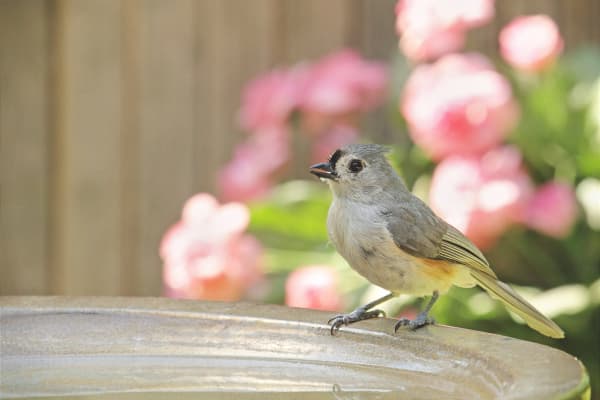
Credit: sparklark.com
Introduction To Vinegar Use
Bird owners often seek safe cleaning solutions. Vinegar is a popular choice. But, is vinegar safe for birds? Understanding vinegar’s uses and types can help make informed decisions.
Common Uses
Vinegar has many household applications. Here are some common uses:
- Cleaning: Vinegar is a natural cleaner. It can clean bird cages.
- Disinfecting: Vinegar can disinfect surfaces. It kills many germs.
- Odor Removal: Vinegar neutralizes odors. It keeps the air fresh.
- Pest Control: Vinegar repels pests. It keeps insects away.
Types Of Vinegar
There are different types of vinegar. Each type has unique properties. Here are the most common types:
| Type of Vinegar | Properties | Usage |
|---|---|---|
| White Vinegar | Clear and acidic | Best for cleaning |
| Apple Cider Vinegar | Made from fermented apples | Used in bird diets |
| Red Wine Vinegar | Made from red wine | Not recommended for birds |
| Balsamic Vinegar | Thick and sweet | Used in cooking |
Knowing these types helps choose the right vinegar. White and apple cider vinegar are safer for birds.

Credit: www.reddit.com
Birds And Vinegar
Many bird owners wonder about the safety of vinegar for their feathered friends. Vinegar, a natural and versatile substance, is often used in households. But is it safe for birds? Let’s explore the various aspects of birds and vinegar.
Natural Cleaning
Vinegar is a popular choice for natural cleaning. It can clean bird cages, toys, and perches effectively. A simple solution of vinegar and water can eliminate harmful bacteria without chemicals.
| Item | Cleaning Solution |
|---|---|
| Bird Cage | 1 part vinegar, 3 parts water |
| Bird Toys | 1 part vinegar, 2 parts water |
| Perches | 1 part vinegar, 3 parts water |
Using vinegar for cleaning ensures a chemical-free environment. This is crucial for sensitive birds.
Health Considerations
While vinegar is great for cleaning, it’s not always safe for ingestion. Birds have delicate systems, and consuming vinegar can lead to health issues.
- Acidity: Vinegar is highly acidic and can harm a bird’s digestive system.
- Respiratory Issues: Strong vinegar fumes can irritate a bird’s lungs.
- Skin Irritation: Direct contact with concentrated vinegar can irritate a bird’s skin.
To minimize risks, always dilute vinegar properly. Ensure good ventilation during cleaning.
In summary, vinegar can be useful for bird owners when used correctly. Always prioritize the safety and health of your feathered friends.
Potential Risks
Bird owners often wonder, is vinegar safe for birds? While vinegar has some benefits, it’s essential to understand the potential risks. This section will explore the dangers of vinegar for birds, focusing on toxicity levels and ingestion dangers.
Toxicity Levels
Different types of vinegar have different toxicity levels. White vinegar is the most common type used in households. Apple cider vinegar is also popular. But, both can be harmful to birds if not used correctly.
Vinegar is acidic. This means it can cause irritation. If a bird comes into contact with it, their skin or eyes can get irritated. Even small amounts can be harmful.
| Type of Vinegar | Acidity Level | Potential Harm |
|---|---|---|
| White Vinegar | 5-8% | Skin and eye irritation |
| Apple Cider Vinegar | 4-6% | Skin and eye irritation |
Ingestion Dangers
Birds are curious creatures. They might ingest vinegar by accident. Ingesting vinegar can upset a bird’s stomach. This can lead to vomiting or diarrhea. Even small sips can cause discomfort.
In severe cases, vinegar ingestion can damage a bird’s organs. The high acidity can burn their throat or digestive tract. This is why it’s crucial to keep vinegar away from their reach.
- Always dilute vinegar if you must use it.
- Keep vinegar bottles sealed and out of reach.
- Monitor your bird for any signs of discomfort.
Safe Cleaning Practices
Maintaining a clean birdcage is essential for your bird’s health. Vinegar can be a safe cleaning agent if used correctly. Understanding the right practices ensures safety and cleanliness.
Dilution Methods
Using vinegar straight from the bottle can be too strong. Dilution makes it safe for your bird.
Here is a simple dilution recipe:
- 1 part vinegar
- 3 parts water
Mix them in a spray bottle. Use this solution to clean the cage and toys. Always rinse with water after cleaning.
Alternative Cleaners
Sometimes, you may need other options besides vinegar. Lemon juice is a natural cleaner. Mix it with water in equal parts.
Another choice is baking soda. It is safe and effective. Here is a simple way to use it:
- Sprinkle baking soda on a damp cloth.
- Wipe the cage and toys.
- Rinse thoroughly with water.
Commercial bird-safe cleaners are also available. Always check the label for safety.
Keeping your bird’s environment clean is crucial. Using safe cleaning methods helps maintain their health and happiness.
Health Benefits
Vinegar offers several health benefits for birds. It can help with parasite control and feather maintenance. Using vinegar can improve your bird’s overall well-being.
Parasite Control
Vinegar is effective in controlling parasites on birds. It can kill mites, lice, and other pests. A diluted solution of vinegar and water can be sprayed on your bird. This helps to keep parasites at bay. Always ensure the solution is well-diluted to avoid irritation.
| Parasite | Effectiveness |
|---|---|
| Mites | High |
| Lice | Moderate |
| Fleas | Low |
Feather Maintenance
Vinegar helps in keeping feathers clean and shiny. It removes dirt and oil from the feathers. A diluted vinegar spray can be used for this purpose. Ensure the spray is gentle and not too strong.
- Clean feathers regularly
- Use diluted vinegar spray
- Avoid strong solutions
Proper feather maintenance is crucial for bird health. Clean feathers reduce the risk of infections. Your bird will look beautiful and feel more comfortable.
Signs Of Vinegar Exposure
Understanding the signs of vinegar exposure in birds is crucial for their health. Birds are sensitive to many substances, and vinegar can be harmful if ingested or inhaled. This section will guide you through the behavioral changes and physical symptoms that may indicate vinegar exposure.
Behavioral Changes
Birds may show various behavioral changes if exposed to vinegar. These changes can be subtle or noticeable. Here are some common signs to watch for:
- Unusual aggression or irritability
- Increased vocalization or distress calls
- Restlessness or pacing
- Loss of appetite or refusal to eat
If you notice any of these behaviors, your bird may have been exposed to vinegar.
Physical Symptoms
Physical symptoms are often more evident and can provide clear indications of vinegar exposure. Look out for these signs:
| Symptom | Description |
|---|---|
| Respiratory issues | Labored breathing or wheezing |
| Feather damage | Ruffled or missing feathers |
| Skin irritation | Red or inflamed skin |
| Digestive problems | Vomiting or diarrhea |
Ensure you monitor your bird closely if you suspect vinegar exposure. Seek veterinary help if symptoms persist.
Emergency Measures
Accidents happen. Birds can sometimes ingest substances like vinegar. Knowing emergency measures is crucial to ensuring their safety. This section will cover essential steps to take if your bird ingests vinegar. Follow these steps to act quickly and effectively.
First Aid
First aid is the first step in any emergency. If your bird has ingested vinegar, follow these steps:
- Remove the source of vinegar immediately.
- Offer your bird fresh water to dilute the vinegar.
- Observe your bird for any signs of distress or discomfort.
Signs to watch for include:
- Vomiting
- Diarrhea
- Lethargy
- Labored breathing
If your bird exhibits any of these symptoms, proceed to the next step.
Veterinary Assistance
Veterinary assistance is vital if your bird shows symptoms. Contact your vet immediately. Explain the situation and follow their advice.
Provide the vet with these details:
- Type of vinegar ingested.
- Amount of vinegar consumed.
- Time since ingestion.
Your vet may suggest bringing the bird in for an examination. They might perform specific tests to determine the impact of the vinegar. Early intervention can significantly improve your bird’s chances of recovery.
Keep your vet’s contact information handy. Quick access to professional help can make a difference in an emergency.

Credit: m.youtube.com
Preventive Tips
Ensuring the safety of birds around vinegar involves taking preventive measures. Proper storage and usage of vinegar can help keep our feathered friends safe.
Safe Storage
To keep birds safe, always store vinegar in a secure place. Use containers with tight lids to prevent spills. Keep vinegar out of birds’ reach. A high shelf or locked cabinet works best.
| Storage Tips | Details |
|---|---|
| Secure Containers | Use containers with tight lids |
| High Shelf | Store vinegar on a high shelf |
| Locked Cabinet | Keep vinegar in a locked cabinet |
Proper Usage
Use vinegar safely to avoid harming birds. Always dilute vinegar before use. A mix of one part vinegar to three parts water is safe. Avoid spraying vinegar near birds’ food or water. Clean areas thoroughly after using vinegar.
- Always dilute vinegar: One part vinegar, three parts water
- Avoid spraying near food: Keep vinegar away from birds‘ food and water
- Clean thoroughly: Wipe areas well after using vinegar
Follow these preventive tips to ensure the safety of birds around vinegar. By storing and using vinegar properly, you can keep birds safe and healthy.
Frequently Asked Questions
Is Vinegar Harmful To Wild Birds?
Vinegar is generally safe for wild birds in small amounts. Avoid using large quantities, as it can be harmful.
Can Birds Drink Water With Vinegar In It?
Yes, birds can drink water with a small amount of vinegar. Ensure it is diluted properly to avoid harm.
Are Birds Sensitive To The Smell Of Vinegar?
Yes, birds are sensitive to the smell of vinegar. It can act as a repellent to keep them away.
Can You Put Vinegar In A Bird Bath?
Yes, you can use vinegar in a bird bath. Mix one part vinegar with nine parts water to clean it.
Conclusion
Vinegar can be safe for birds when used properly. Always use diluted vinegar to clean bird cages. Avoid direct ingestion by birds. Consult your vet for specific advice. Proper usage ensures a clean environment without harming your feathered friends. Safe practices help keep your birds healthy and happy.