
Cats chirp at birds due to a mix of excitement and frustration. It mimics bird calls, possibly aiding hunting instincts.
Cats are fascinating creatures with diverse behaviors. One intriguing behavior is their chirping at birds. This sound is a mix between a meow and a purr. It often occurs when cats spot birds through windows or while outside. This behavior can be seen in both domestic and wild cats.
Experts believe chirping is linked to their hunting instincts. The sound may mimic bird calls, aiding in stealth. Cats may also chirp from excitement or frustration, as they can’t reach their prey. Understanding this behavior helps us appreciate the complex nature of our feline friends.
Feline Chirping Phenomenon
Have you ever heard your cat make a strange sound while watching birds? This unique behavior is known as the feline chirping phenomenon. Cats often chirp at birds, and this sound is different from their usual meow. Let’s explore why cats make this interesting noise.
Unique Vocalization
Cats chirp when they see birds. This sound is a mix of a meow and a purr. The chirping noise can be short or long. It is a special type of vocalization. Cats use this sound in specific situations.
Common Scenarios
Cats often chirp when they are excited. Birdwatching is a common trigger. Here are a few scenarios where chirping happens:
- Watching birds from a window
- Spotting a bird in the yard
- Seeing a bird feeder outside
These scenarios make cats excited. They chirp to express their feelings. This behavior is natural and part of being a cat.
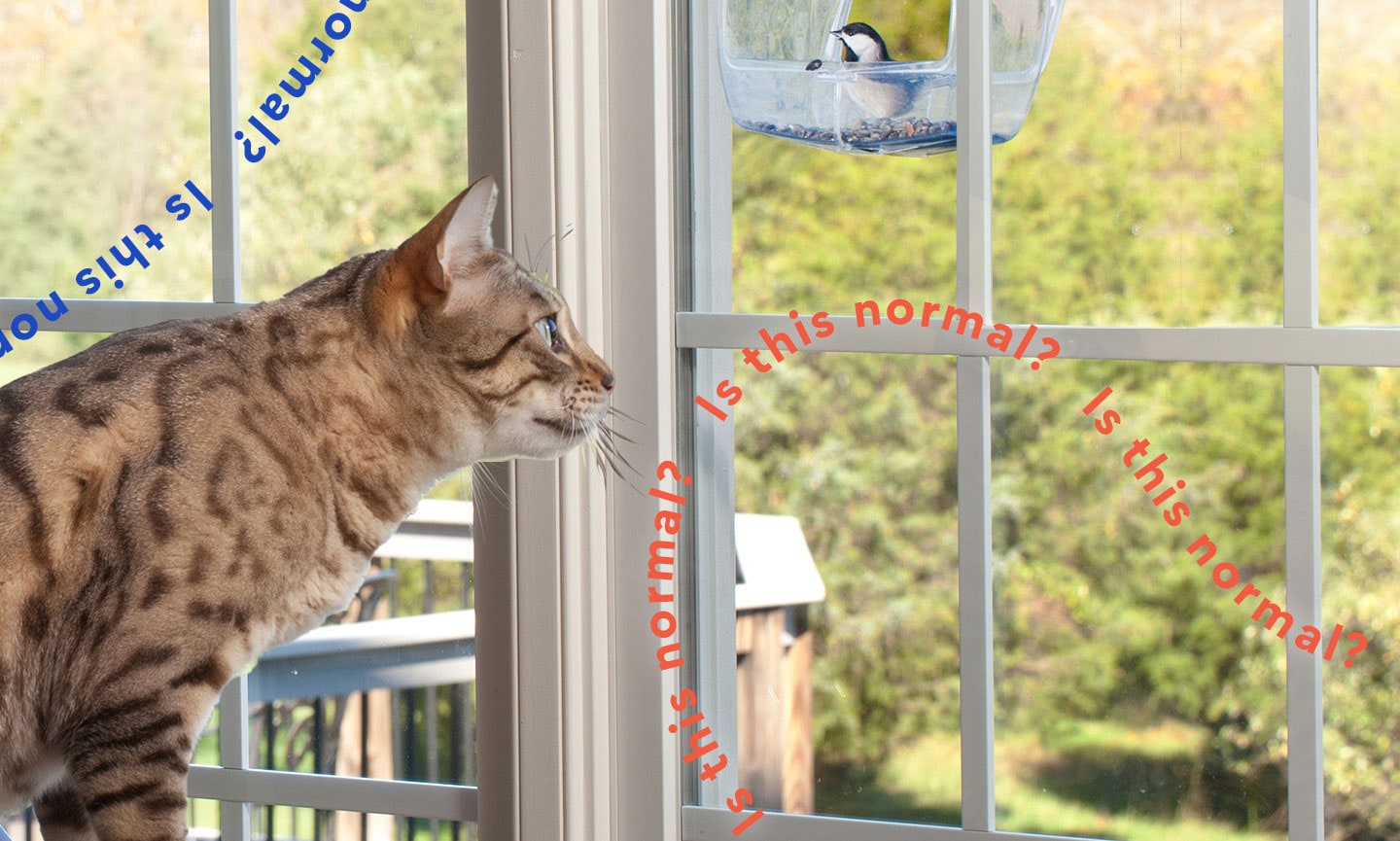
Credit: be.chewy.com
Instinctual Behavior
Cats are fascinating creatures with many unique behaviors. One such behavior is chirping at birds. This intriguing action can be traced back to their instinctual behavior. Understanding why cats chirp at birds gives insight into their natural instincts.
Hunting Instincts
Cats are natural hunters. Chirping often mimics the sounds of their prey. This behavior is rooted in their hunting instincts. They imitate bird sounds to attract or confuse them. It’s a clever strategy to get closer to the prey.
Cats use various sounds while hunting. Chirping is one of these sounds. It shows their excitement and eagerness to catch the bird. Kittens learn this behavior from their mothers. It is part of their survival skills.
Survival Mechanisms
Chirping is also a survival mechanism. Cats need to hunt for food in the wild. Chirping can help them catch birds more easily. It is a natural behavior that helps them survive.
Here are some reasons why chirping helps cats:
- Attracting birds closer.
- Confusing the prey.
- Practicing hunting skills.
Chirping is not just for fun. It is a serious part of their survival. Even domestic cats show this behavior. It is ingrained in their nature.
Communication Signals
Cats are known for their unique sounds. One fascinating sound is the chirping at birds. This behavior is tied to communication signals. Cats use these signals to interact with their environment.
Social Interaction
Cats chirp to communicate with other cats. This sound helps them share information. They might be telling other cats about the birds. Chirping can also show excitement or frustration.
Kittens learn chirping from their mothers. It helps them bond and stay connected. Adult cats use it to maintain social bonds. It’s a way to stay in touch with their feline friends.
Attention Seeking
Chirping can be a way to get your attention. Cats might want you to notice the birds too. This behavior can be a call for interaction. They may want to play or hunt.
Cats know chirping catches your ear. It’s a unique sound that stands out. They use it to engage with you. This can strengthen your bond with your cat.
Mimicking Prey
Have you ever seen your cat chirping at birds? This behavior is known as mimicking prey. Cats often make bird-like sounds to trick their prey. This fascinating behavior is part of their hunting instinct.
Bird Mimicry
Cats are natural hunters. They use bird mimicry to deceive their prey. By imitating bird sounds, cats can get closer to birds. The birds feel safe and do not fly away. This gives the cat a better chance to catch them.
Predatory Advantage
Mimicking prey gives cats a predatory advantage. When cats sound like birds, they blend into their environment. This helps them stay hidden from their prey. The element of surprise is key to a successful hunt.
| Behavior | Purpose |
|---|---|
| Chirping | Imitate bird sounds |
| Stalking | Get closer to prey |
| Pouncing | Catch the bird |
- Chirping: Cats make bird-like sounds.
- Stalking: They move quietly towards their prey.
- Pouncing: They leap to catch the bird.
- Hear a bird chirping.
- Chirp back to mimic the bird.
- Move closer to the bird.
- Stay hidden and wait.
- Leap and catch the bird.
Understanding why cats chirp at birds can help you appreciate their hunting skills. This behavior shows how clever and adaptable cats are. It’s a small window into their wild nature.
Frustration Expression
Cats often chirp at birds due to frustration. This behavior is common among indoor cats. They see birds through windows but can’t reach them. Understanding this can help you provide better emotional support for your cat.
Unreachable Prey
Birds outside the window are unreachable prey. Your cat sees them as a potential meal. But the glass barrier prevents them from catching the birds. This causes frustration and makes them chirp.
Emotional Outlet
Chirping serves as an emotional outlet for cats. It is a way to release their pent-up energy. They can’t hunt the birds, so they express their feelings through sounds. This behavior helps them manage their emotions.
Brain Stimulation
Cats are fascinating creatures, often displaying curious behaviors. One such behavior is chirping at birds. This isn’t just random noise; it’s a sign of brain stimulation. When cats chirp, their brains are actively engaged, revealing their complex mental processes.
Mental Engagement
Cats chirp at birds due to high mental engagement. Watching birds outside a window is an exciting event for a cat. This sight triggers their hunting instincts, causing them to chirp. Their brains are fully focused, analyzing the movements of the birds. This mental engagement keeps their minds sharp and active.
Cognitive Activity
Chirping at birds involves significant cognitive activity. Cats must process what they see and plan their next move. This requires advanced brain functions. Their chirps are a result of their brains working hard. This cognitive activity is crucial for their mental well-being.
| Behavior | Reason |
|---|---|
| Chirping | Brain Stimulation |
| Watching Birds | Mental Engagement |
| Analyzing Movement | Cognitive Activity |
- Mental Engagement keeps the cat’s mind active.
- Cognitive Activity involves advanced brain functions.
- Cat sees a bird.
- Brain processes the sight.
- Cat chirps in response.
Role Of Environment
Understanding why cats chirp at birds involves examining their environment. The surroundings play a huge role in their behavior. Whether a cat is indoors or outdoors can influence its actions. Let’s explore how different environments affect cats.
Outdoor Vs Indoor Cats
Outdoor cats have direct access to birds. They often see birds up close. This makes them more likely to chirp. Chirping can be a sign of excitement or frustration. Outdoor cats also use chirping to mimic bird sounds, trying to lure them.
Indoor cats, on the other hand, watch birds through windows. They may feel less connected to the birds. Chirping can be a response to seeing birds but not being able to reach them. This behavior is often a mix of play and hunting instinct.
| Outdoor Cats | Indoor Cats |
|---|---|
| Directly interact with birds | See birds through windows |
| Chirp out of excitement | Chirp out of frustration |
| Mimic bird sounds | Combine play and hunting instincts |
Environmental Enrichment
Providing cats with a stimulating environment is important. Environmental enrichment helps satisfy their hunting instincts. For indoor cats, this can include bird feeders near windows. Cats can watch birds safely from inside. This reduces frustration and keeps them entertained.
Another way to enrich the environment is through toys. Feather toys that mimic birds are great. They keep cats active and engaged. Scratching posts and climbing trees also help. These items allow cats to exhibit natural behaviors.
- Bird feeders near windows
- Feather toys
- Scratching posts
- Climbing trees
Making sure your cat’s environment is enriching can reduce stress. It can also help with unwanted chirping behaviors. Happy cats are less likely to chirp out of frustration.

Credit: www.meowingtons.com
Human Interaction
Cats often chirp at birds, leaving owners curious about this behavior. Human interaction plays a significant role in understanding why cats chirp. Here, we explore how owners react and how they can train their cats.
Owner Reactions
Owners find it amusing when cats chirp at birds. The sound is unique and captivating. Many owners mimic the chirping to engage with their cats. This interaction strengthens the bond between cat and owner.
Some owners worry their cats might be frustrated. They notice the intense focus and quick tail movements. Observing these reactions helps owners understand their cat’s needs better.
Training And Response
Training cats to respond to chirping can be rewarding. Owners can use this behavior to teach commands. Positive reinforcement works best. Offering treats when the cat chirps on command strengthens this action.
Using toys that mimic birds can also help. These toys stimulate the cat’s hunting instincts. Owners can guide their cats to chirp at specific times using these toys.
| Training Method | Description |
|---|---|
| Positive Reinforcement | Reward the cat with treats when it chirps on command. |
| Interactive Toys | Use bird-like toys to stimulate chirping behavior. |
| Mimic Chirping | Owners mimic chirping to engage with their cat. |
Training sessions should be short and fun. Long sessions may frustrate the cat. Cats learn best in a playful and relaxed environment.
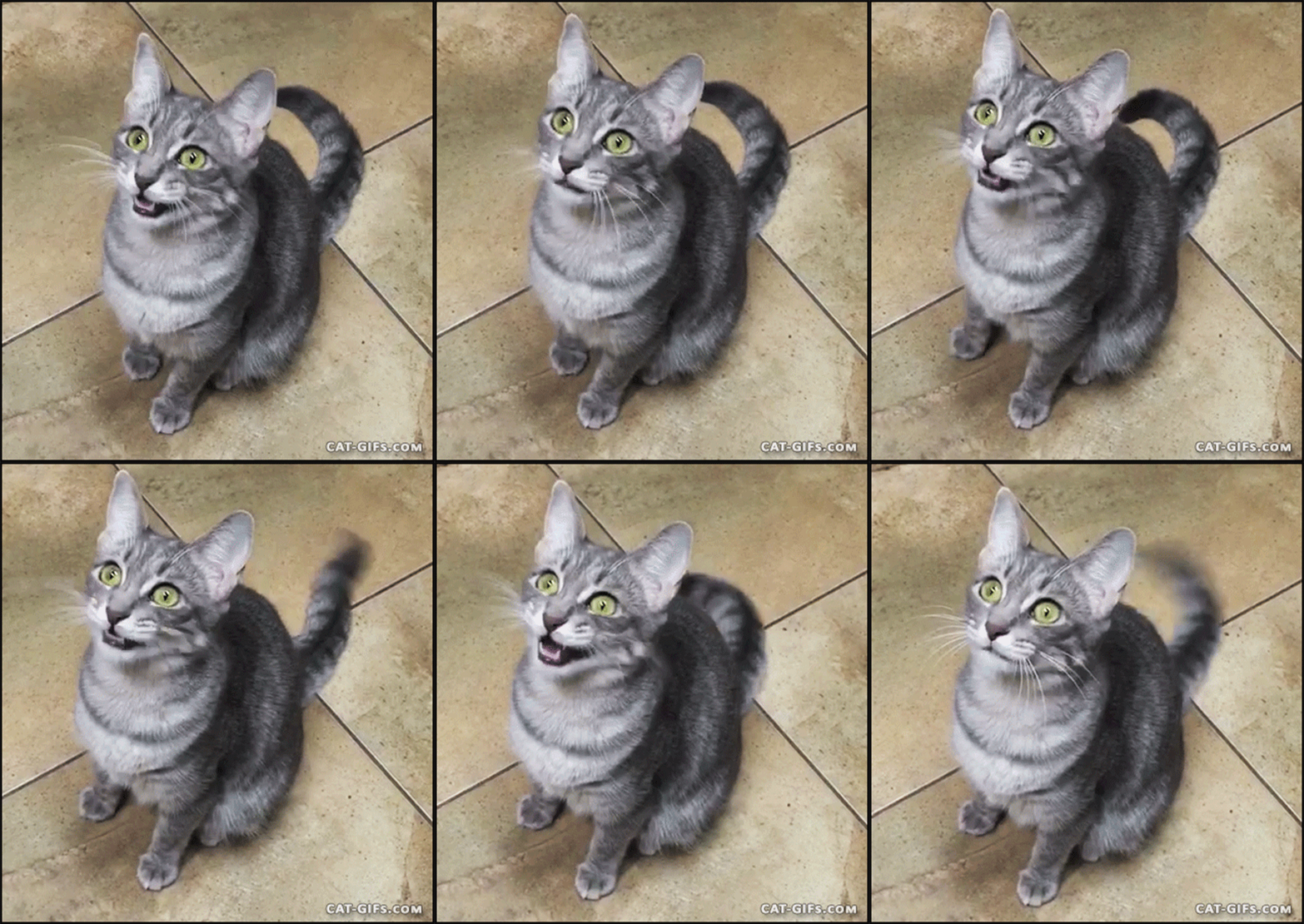
Credit: www.meowingtons.com
Frequently Asked Questions
Why Do Cats Chatter?
Cats chatter mainly due to excitement or frustration, often when watching birds or small animals. This behavior mimics hunting instincts.
Why Do Cats React To Bird Sounds?
Cats react to bird sounds due to their natural hunting instincts. The chirping triggers their prey drive. Bird sounds mimic real prey, exciting cats. This behavior stems from their wild ancestors who hunted birds for survival. Cats remain alert and ready to pounce when they hear these sounds.
Why Do Cats Like Birds So Much?
Cats like birds due to their natural hunting instincts. Birds’ movements and sounds trigger their predatory behavior.
Why Do Cats Make The Ekekek Sound?
Cats make the ekekek sound when they spot prey, like birds or squirrels. It expresses excitement and frustration.
Conclusion
Cats chirp at birds due to instinct, excitement, and communication. This behavior showcases their natural hunting skills. Understanding these chirps can deepen the bond with your feline friend. Always observe your cat’s behavior to ensure they’re happy and healthy. Enjoy the unique quirks that make cats such fascinating companions.