
Yes, barn swallows eat mosquitoes. They are known for their insectivorous diet, which includes various flying insects.
Barn swallows are small birds that belong to the Hirundinidae family. They have a distinctive forked tail and are highly skilled fliers. These birds are beneficial for controlling insect populations, making them a natural pest control agent. Their diet mainly consists of flying insects such as mosquitoes, flies, and beetles.
They catch their prey in mid-air, showcasing their agility and precision. Barn swallows are migratory birds, traveling long distances between breeding and wintering grounds. They prefer open habitats like fields, meadows, and wetlands. Their presence not only adds beauty to the environment but also helps in maintaining a balanced ecosystem.
Introduction To Barn Swallows
Barn Swallows are fascinating birds known for their aerial skills. They are commonly found in rural and suburban areas. These birds are not just beautiful; they are also beneficial.
Physical Characteristics
Barn Swallows have a sleek and streamlined body. Their wings are pointed, aiding in swift flight. They boast a deep blue back and a reddish-brown underbelly. The tail is forked, giving them a unique look.
| Feature | Description |
|---|---|
| Size | 5.9 to 7.5 inches |
| Wingspan | 11 to 13 inches |
| Color | Blue and reddish-brown |
| Tail | Forked |
Behavioral Traits
Barn Swallows are known for their acrobatic flight. They catch insects mid-air, showcasing their agility. They often build nests in barns and other structures. These birds are social and often seen in groups.
- Expert flyers
- Nest in human-made structures
- Often found in groups
Barn Swallows are migratory birds. They travel long distances during seasonal changes. This adaptability makes them widespread across continents.
- Summer: North America and Europe
- Winter: South America and Africa
Observing these birds can be a delight. Their presence helps in controlling insect populations.
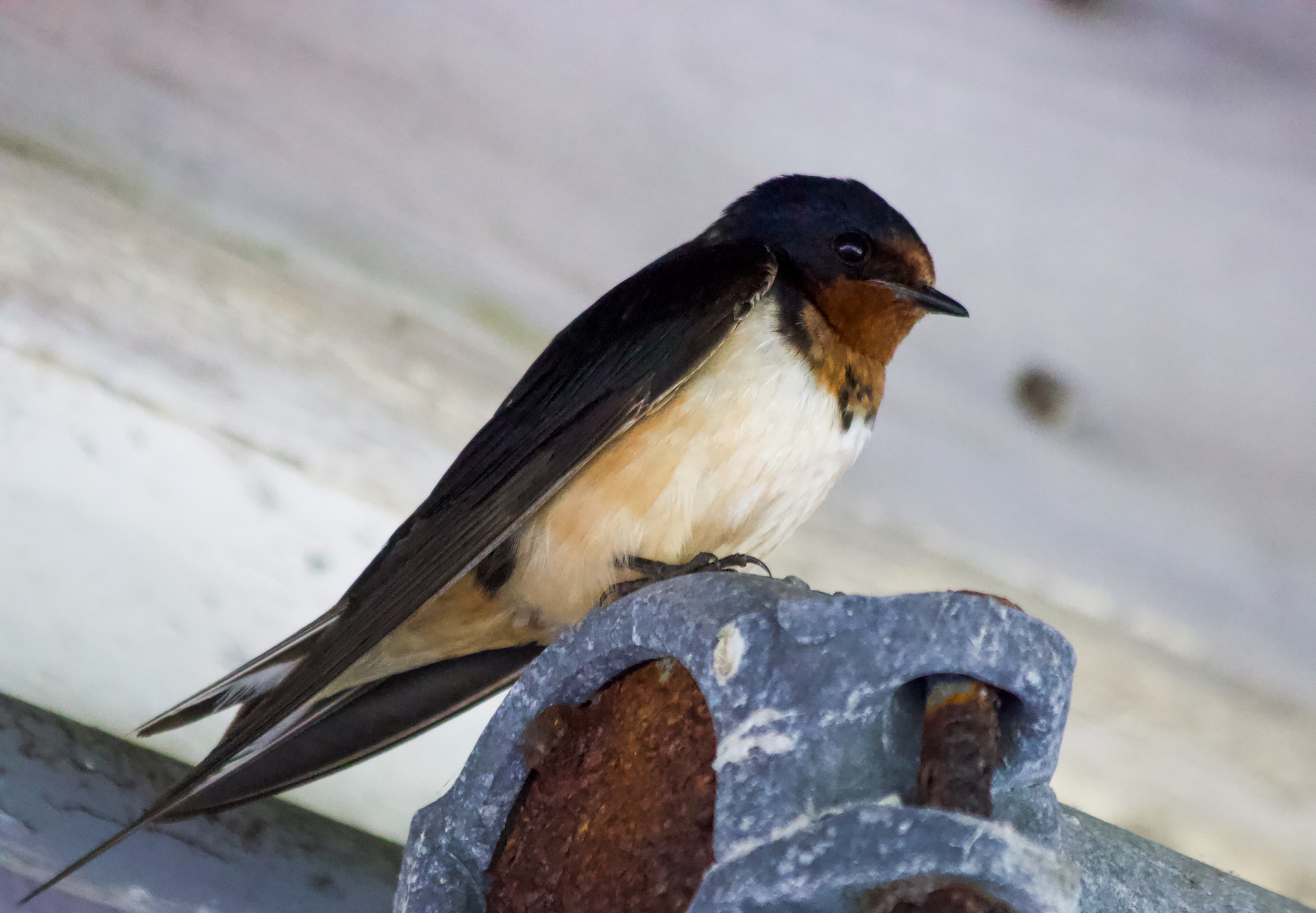
Credit: www.bugbog.com
Diet Of Barn Swallows
Barn Swallows are small, agile birds known for their aerial acrobatics. Their diet mainly consists of flying insects. These birds play a significant role in controlling insect populations. Understanding their diet can help us appreciate their ecological importance.
Common Prey
Barn Swallows eat a variety of insects. Here are some of their common prey:
- Mosquitoes
- Flies
- Beetles
- Wasps
- Moths
They also consume other small flying insects. This diverse diet helps keep many pests in check.
Feeding Habits
Barn Swallows catch insects in mid-air. They are experts at this. Their feeding habits are fascinating:
- They fly close to the ground or water.
- They scoop insects with their wide-open mouths.
- They can eat while flying.
These birds often hunt in groups. This increases their success rate.
Barn Swallows feed during the day. They prefer sunny weather. Rainy days make hunting difficult. These birds also hunt near water bodies. This is where insects are abundant.
| Time of Day | Feeding Activity |
|---|---|
| Morning | High |
| Afternoon | Moderate |
| Evening | High |
Understanding their diet and feeding habits helps us see their ecological role. Barn Swallows help control insect populations naturally. This makes them valuable to our environment.
Mosquitoes As A Food Source
Do barn swallows eat mosquitoes? Yes, they do. Barn swallows are agile birds that catch insects mid-air. Mosquitoes form a part of their diet. Understanding why mosquitoes are important for barn swallows helps us appreciate these birds better.
Nutritional Value
Mosquitoes provide essential nutrients. They are rich in protein, which is vital for barn swallows. Protein helps in muscle development and energy. Mosquitoes also contain small amounts of fat. This fat is crucial for energy reserves. The nutritional value of mosquitoes makes them a good food source for barn swallows.
Prevalence In Diet
How often do barn swallows eat mosquitoes? These insects are a common part of their diet. Barn swallows consume a variety of flying insects. Mosquitoes are abundant and easy to catch. They are especially active during dawn and dusk. This aligns with the feeding times of barn swallows. While mosquitoes are not the only food, they form a significant part of the diet.
| Nutrient | Benefit |
|---|---|
| Protein | Muscle development |
| Fat | Energy reserves |
Barn swallows rely on a high-protein diet. Mosquitoes help meet this need. The abundance of mosquitoes makes them an easy target. Barn swallows are crucial in controlling mosquito populations. By understanding their diet, we can better appreciate their role in nature.
Hunting Techniques
Barn Swallows are known for their excellent hunting skills. They play a crucial role in controlling mosquito populations. These birds use unique methods to catch their prey. Let’s explore their hunting techniques.
Aerial Hunting
Barn Swallows catch their prey while flying. This is called aerial hunting. They fly close to the ground or water surfaces. Mosquitoes are often found in these areas. Their sharp vision helps them spot tiny insects.
Barn Swallows have a wide, open mouth. This design makes it easy to scoop up insects in flight. They can catch and eat mosquitoes mid-air. This method is efficient and quick.
Role Of Speed And Agility
Speed and agility are key for Barn Swallows. They can change direction quickly. This ability helps them catch fast-moving mosquitoes. Their wings are long and pointed. This shape allows for rapid, agile flight.
Barn Swallows can reach speeds of up to 25 miles per hour. This speed makes it hard for mosquitoes to escape. Their tail is forked, which aids in sudden turns and swift maneuvers.
| Feature | Benefit |
|---|---|
| Wide Mouth | Scoops up insects easily |
| Sharp Vision | Spots tiny prey |
| Long, Pointed Wings | Enables rapid flight |
| Forked Tail | Allows quick turns |
These features make Barn Swallows excellent mosquito hunters. They help keep mosquito populations in check.
Impact On Mosquito Population
Barn swallows are small birds known for their agility. They are also effective mosquito hunters. This has a significant impact on the mosquito population. Let’s explore how these birds contribute to natural pest control and maintain ecological balance.
Natural Pest Control
Barn swallows consume a large number of insects. Mosquitoes are among their favorite prey. A single barn swallow can eat up to 60 insects per hour. This includes many mosquitoes.
- Reduces the need for chemical pesticides
- Helps keep mosquito-borne diseases in check
Natural pest control is crucial for a healthy environment. Barn swallows help achieve this by reducing mosquito numbers naturally.
Ecological Balance
Barn swallows play a vital role in maintaining ecological balance. They help control insect populations. This includes mosquitoes and other pests.
| Role | Impact |
|---|---|
| Predator | Controls mosquito populations |
| Prey | Supports other wildlife |
By preying on mosquitoes, they provide food for other animals. This creates a balanced ecosystem.
- Control mosquito numbers
- Provide food for other wildlife
- Reduce chemical pesticide use
Barn swallows are essential for a balanced ecosystem. They help keep mosquito populations in check, ensuring a healthier environment.

Credit: www.birdnote.org
Seasonal Variations In Diet
The diet of barn swallows changes with the seasons. They adapt to the availability of insects. Understanding these variations is key to knowing what they eat.
Spring And Summer
In the spring and summer, barn swallows feast on a variety of insects. Mosquitoes become a significant part of their diet during these months.
- They hunt during the day.
- Insects are more active in warmer weather.
- They catch insects in mid-air.
Below is a table showing their preferred insects in spring and summer:
| Insect | Percentage of Diet |
|---|---|
| Mosquitoes | 40% |
| Flies | 30% |
| Beetles | 20% |
| Other insects | 10% |
Fall And Winter
In fall and winter, their diet changes. Insects become less available.
- They migrate to warmer regions.
- They find new food sources.
- They eat fewer mosquitoes.
During these seasons, they may eat:
- Small fruits
- Seeds
- Leftover insects
Barn swallows are adaptable birds. They change their diet based on the season.
Comparisons With Other Insectivores
Barn Swallows are great mosquito hunters. But they aren’t the only ones. Other insectivores also eat mosquitoes. This section compares Barn Swallows with bats and dragonflies.
Swallows Vs. Bats
Both Barn Swallows and bats hunt mosquitoes. But they do it differently.
| Barn Swallows | Bats | |
|---|---|---|
| Hunting Time | Daytime | Nighttime |
| Hunting Method | Fly and catch | Echolocation |
| Diet Variety | Wide variety of insects | Primarily insects |
Barn Swallows hunt during the day and catch insects mid-air. Bats use echolocation to hunt at night. Both are effective mosquito hunters.
Swallows Vs. Dragonflies
Dragonflies are also mosquito hunters. They share hunting habits with Barn Swallows.
- Hunting Time: Both are active during the day.
- Hunting Method: Both catch insects mid-air.
Dragonflies have a swift flight and sharp eyesight. They can catch mosquitoes with precision. Barn Swallows are also fast and agile. Both are efficient in reducing mosquito populations.
Encouraging Barn Swallows
Barn Swallows are amazing birds that help control mosquito populations. By attracting them to your area, you can enjoy fewer mosquitoes. Let’s explore how to create a welcoming environment for these helpful birds.
Creating Habitat
Barn Swallows need open areas to hunt insects. Provide plenty of space for them to fly freely.
They build nests under eaves, in barns, or on ledges. Ensure these structures are available and safe for nesting. Avoid disturbing their nests during breeding season.
Offering water sources like birdbaths or small ponds can attract Barn Swallows. They need water for drinking and bathing.
| Habitat Element | Details |
|---|---|
| Open Areas | Provide wide, open spaces for hunting. |
| Nesting Sites | Safe eaves, barns, or ledges for nests. |
| Water Sources | Birdbaths or small ponds. |
Benefits To Humans
Barn Swallows eat mosquitoes, which reduces the mosquito population. This helps humans enjoy outdoor activities without mosquito bites.
These birds also eat other insects that can harm crops. This makes Barn Swallows beneficial for farmers as well.
Watching Barn Swallows can be a delightful experience. Their acrobatic flight patterns are entertaining and educational for children.
- Fewer mosquitoes mean fewer mosquito bites.
- Protects crops by eating harmful insects.
- Provides educational entertainment for families.
Credit: www.quora.com
Frequently Asked Questions
What Bird Eats A Lot Of Mosquitoes?
The purple martin is a bird that eats a lot of mosquitoes. It’s effective in controlling mosquito populations.
What Kind Of Insects Do Barn Swallows Eat?
Barn swallows eat flying insects. They primarily consume flies, mosquitoes, beetles, and moths. These birds catch their prey mid-flight.
How Do Barn Swallows Catch Mosquitoes?
Barn swallows catch mosquitoes by flying swiftly and skillfully through the air. They use their sharp eyesight to spot prey. Their wide, open beaks help them scoop insects mid-flight. This hunting method makes them effective mosquito predators.
Are Barn Swallows Good For Anything?
Yes, barn swallows are beneficial. They eat insects, reducing pest populations. Their presence indicates a healthy ecosystem.
Conclusion
Barn swallows do eat mosquitoes, making them beneficial for pest control. These birds help reduce mosquito populations naturally. Encouraging barn swallows in your area can be an eco-friendly solution. By providing nesting sites, you support their role in maintaining a balanced ecosystem.
Enjoy a mosquito-free summer with the help of barn swallows.