

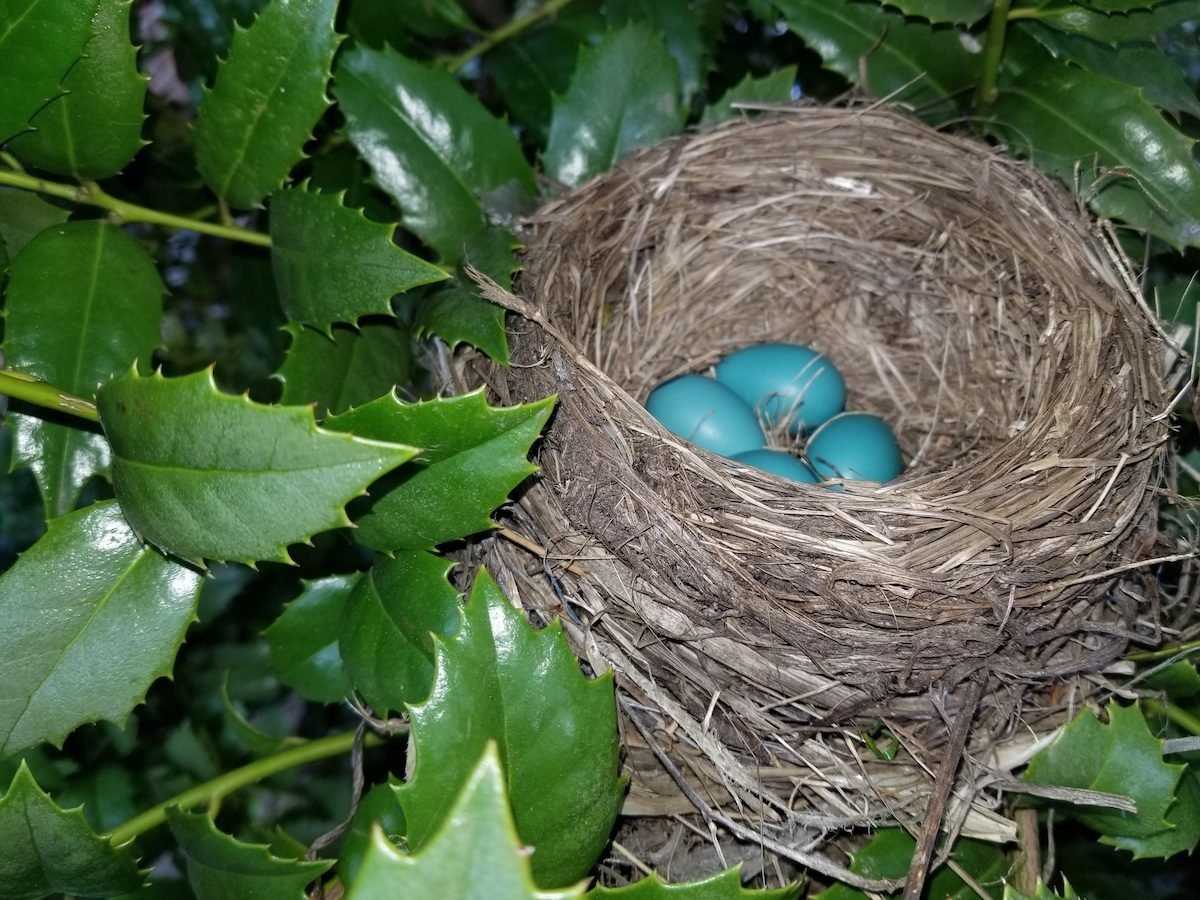
Robins do not move their eggs. They build nests and keep their eggs in one place.
Robins are fascinating birds known for their bright red chests and melodic songs. These birds carefully select nesting sites to ensure the safety of their eggs. Robins construct nests using grass, twigs, and mud, creating a secure environment for their offspring.
Once the eggs are laid, robins stay committed to their chosen location, rarely moving their eggs. This behavior helps protect the eggs from predators and environmental hazards. Understanding robin behavior offers insight into their nesting habits and survival strategies. Observing robins can be a delightful experience, revealing the intricate ways these birds care for their young.

Credit: sparklark.com
Robins’ Nesting Behavior
Robins are fascinating birds known for their distinct red breasts. Their nesting behavior is intriguing to many bird enthusiasts. Understanding how they build and protect their nests can offer insights into their unique habits.
Building The Nest
Robins use grass, twigs, and mud to build their nests. They find materials close to their chosen nesting site. The female robin does most of the building work. She shapes the nest with her chest, making it snug and round. This process ensures the nest is a safe place for the eggs.
Protecting The Eggs
Robins are very protective of their eggs. They often choose hidden spots to build their nests. Common nesting sites include trees, shrubs, and even building ledges. Once the eggs are laid, the female sits on them to keep them warm. She rarely leaves the nest during this period.
Male robins help by bringing food to the female. This teamwork ensures the eggs stay safe and warm. Robins are also known to aggressively defend their nests from predators. They will chase away other birds and animals to protect their eggs.
Egg Movement In Birds
Birds have unique ways of moving their eggs. This behavior varies across species. Robins, like many birds, have specific methods. Let’s explore these interesting practices.
Common Practices
Many birds do not move their eggs often. Instead, they focus on nesting. Here are some common practices:
- Building nests in safe, hidden spots
- Guarding eggs from predators
- Keeping eggs warm with body heat
These actions ensure the safety of the eggs. Moving eggs can be risky for most birds. They prefer stable environments.
Unique Cases
Some birds do move their eggs. This is less common but fascinating. Here are a few unique cases:
| Species | Reason for Moving Eggs |
|---|---|
| Killdeer | To avoid predators |
| Coots | To manage temperature |
| Hornbills | To relocate to a safer spot |
These birds adapt to their environments. They use their beaks and feet to move eggs. This ensures their young have the best chance of survival.
Robins rarely move their eggs. They build strong nests to protect them. This stability helps their eggs develop safely.
Robins And Egg Relocation
Robins are fascinating birds known for their vibrant red breasts. A common question is: do robins move their eggs? Let’s explore this intriguing behavior.
Observations In The Wild
In nature, robins are protective of their nests. They usually build their nests in trees or shrubs.
Observations show that robins rarely move their eggs. Moving eggs can be risky for the young birds. Predators and environmental hazards pose significant threats.
Robins may abandon nests if they feel danger. This leads to a belief that they relocate eggs. Yet, evidence of robins carrying eggs is limited.
Scientific Studies
Scientific studies provide more insights into robin behavior. Researchers have studied robin nesting habits extensively.
In controlled environments, scientists monitor robin nests. They observe that robins do not move their eggs often. The primary reason is the high risk involved.
Instead of moving, robins focus on building safe nests. They choose locations with fewer threats.
| Behavior | Observation |
|---|---|
| Egg Moving | Rarely Observed |
| Abandonment | Common if Threatened |
| Nest Building | Strategic Locations |
Credit: www.birdsandblooms.com
Possible Reasons For Egg Movement
Robins are fascinating birds with unique behaviors. One such behavior is the movement of their eggs. Understanding why robins might move their eggs can provide insights into their survival strategies. Below are some possible reasons for this behavior.
Predator Avoidance
Robins might move their eggs to avoid predators. Predators like snakes and squirrels pose a threat. Moving eggs to a new location can help keep them safe. This behavior is a form of risk management. By changing the nest’s location, robins reduce the chances of eggs being found.
Environmental Factors
Environmental factors also play a role in egg movement. Extreme weather conditions can endanger eggs. Heavy rain or strong winds can damage nests. Robins might move their eggs to protect them from these elements. Finding a more sheltered spot can increase the chances of survival.
| Factor | Reason for Movement |
|---|---|
| Predator Avoidance | Keep eggs safe from predators |
| Environmental Factors | Protect eggs from harsh weather |
Understanding these reasons can help us appreciate the complexities of robin behavior. These birds exhibit remarkable strategies to ensure the survival of their offspring.
Challenges In Studying Egg Movement
Understanding if robins move their eggs is tricky. Researchers face many challenges. Let’s dive into these challenges.
Field Research
Field research is essential for studying robins. Scientists need to observe nests closely. This requires spending long hours in nature.
Robins are sensitive to human presence. They might abandon their nests if disturbed. This makes observation difficult. Researchers must be careful to avoid disturbing the birds.
Weather conditions also pose a challenge. Rain, wind, and heat can affect data collection. Consistent observation becomes tough.
Technological Limitations
Technology plays a big role in studying egg movement. Yet, it comes with limitations.
Cameras and sensors help monitor nests. But, they can be expensive and not always reliable. Batteries might run out, or devices could fail.
Installing these devices can disturb the birds. This can affect their natural behavior. Finding a balance is crucial.
Data collection and analysis require advanced software. Not all researchers have access to these tools. This can limit the scope of studies.
| Challenge | Details |
|---|---|
| Field Research | Long hours, weather conditions, risk of disturbance |
| Technological Limitations | High costs, reliability issues, potential disturbance |
Both field research and technology have their pros and cons. Overcoming these challenges is key to understanding robin egg movement.
Impact On Robin Populations
The behavior of robins moving their eggs can greatly affect their populations. This change can influence their survival rates and reproductive success. Understanding these impacts helps us protect these beautiful birds.
Survival Rates
Robins move their eggs to protect them from predators. This action can increase the eggs’ survival rates. Predators often attack nests, so moving eggs can save them.
However, moving eggs can sometimes cause harm. If not done carefully, eggs may break. This risk must be balanced against the benefits of protection.
Reproductive Success
Successful reproduction is vital for robin populations. Moving eggs can help ensure more chicks survive. This can lead to higher reproductive success.
Robins that move their eggs may have more chicks. This boosts their population over time. A higher number of chicks means a stronger robin community.
Conservation Implications
Robins are fascinating birds with unique behaviors. One important aspect is their nesting habits, especially around their eggs. Understanding the conservation implications of these habits is crucial. Protecting robin habitats and reducing human interference can help ensure their survival.
Habitat Protection
Robins need safe places to build their nests. They prefer areas with trees and shrubs. These natural habitats provide shelter and food sources. Protecting these areas is vital for robin conservation.
- Maintain green spaces in urban areas.
- Plant native trees and shrubs.
- Preserve existing forests and woodlands.
Creating protected areas can help robins thrive. Efforts to conserve these habitats benefit many other species too.
Human Interference
Human activities can disrupt robin nesting. Noise, pollution, and habitat destruction are major threats. Minimizing these impacts is essential.
- Limit construction during nesting seasons.
- Reduce pesticide use in gardens.
- Promote wildlife-friendly practices.
Educating the public about robin conservation can reduce harmful behaviors. Simple actions can make a big difference.
In summary, protecting robin habitats and reducing human interference are key to their conservation. By taking these steps, we can help ensure robins continue to thrive.
Future Research Directions
The question of whether robins move their eggs is fascinating. Scientists are eager to explore this further. This section delves into the potential future research directions that could shine a light on this mystery.
Technological Advances
New technological advances can help us study robins more closely. Tiny GPS trackers can be attached to robins. This would allow us to track their movements. High-resolution cameras can capture detailed footage of nests. Advanced software can analyze these videos quickly. Drones could also be used to observe nests from a distance.
| Technology | Usage |
|---|---|
| GPS Trackers | Track robin movements |
| High-Resolution Cameras | Capture nest footage |
| Drones | Observe nests from afar |
These tools can provide valuable data. This data can help us understand if robins move their eggs.
Citizen Science
Citizen science involves the public in research. Bird watchers can report their observations. An online platform can collect these reports. Mobile apps can make this easy for everyone. People can upload photos and videos of robin nests. This data can be analyzed by scientists.
- Bird watchers report observations
- Online platforms collect data
- Mobile apps for easy reporting
Citizen science can provide large amounts of data. This can help answer the question about robins moving their eggs. It also engages the public in scientific research. This makes science accessible and fun for everyone.
Credit: www.quora.com
Frequently Asked Questions
Do Robins Move Their Eggs To A Different Nest?
Robins do not move their eggs to a different nest. They build a new nest for each brood.
Why Would A Robin Remove An Egg From The Nest?
A robin might remove an egg from the nest due to it being infertile, damaged, or to prevent disease.
Can Birds Move Their Eggs From The Nest?
Most birds cannot move their eggs from the nest. They rely on their nests to keep eggs safe and warm.
Can Birds Relocate Their Babies?
Most birds cannot relocate their babies. They usually build new nests if their current one is disturbed.
Conclusion
Robins rarely move their eggs due to the risks involved. They prefer to protect their nests vigilantly. Understanding their behavior helps in conserving these beautiful birds. Always observe from a distance and avoid disturbing their natural habitat. Respecting wildlife ensures robins continue to thrive and bring joy to our surroundings.