

Yes, birds are considered animals. They belong to the animal kingdom, specifically the class Aves.
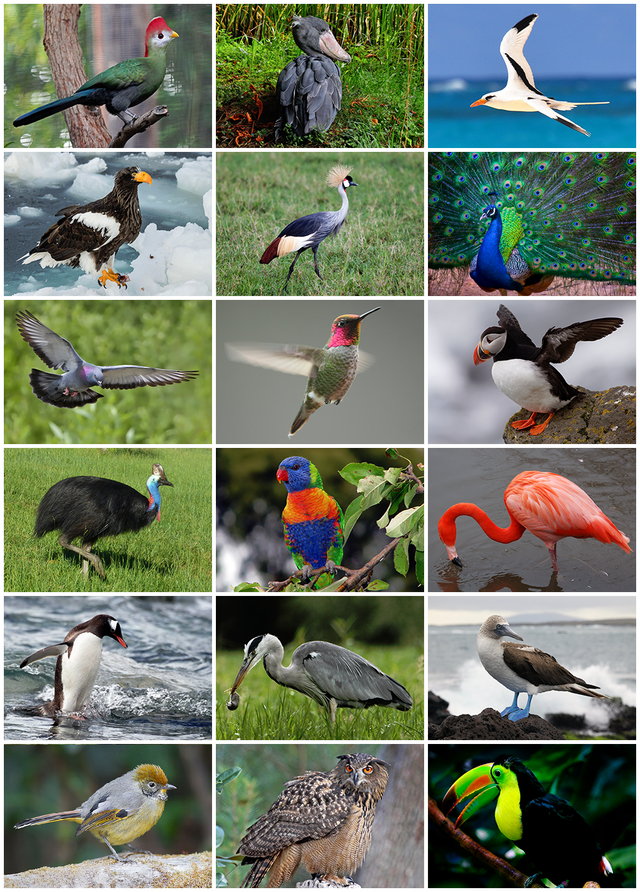
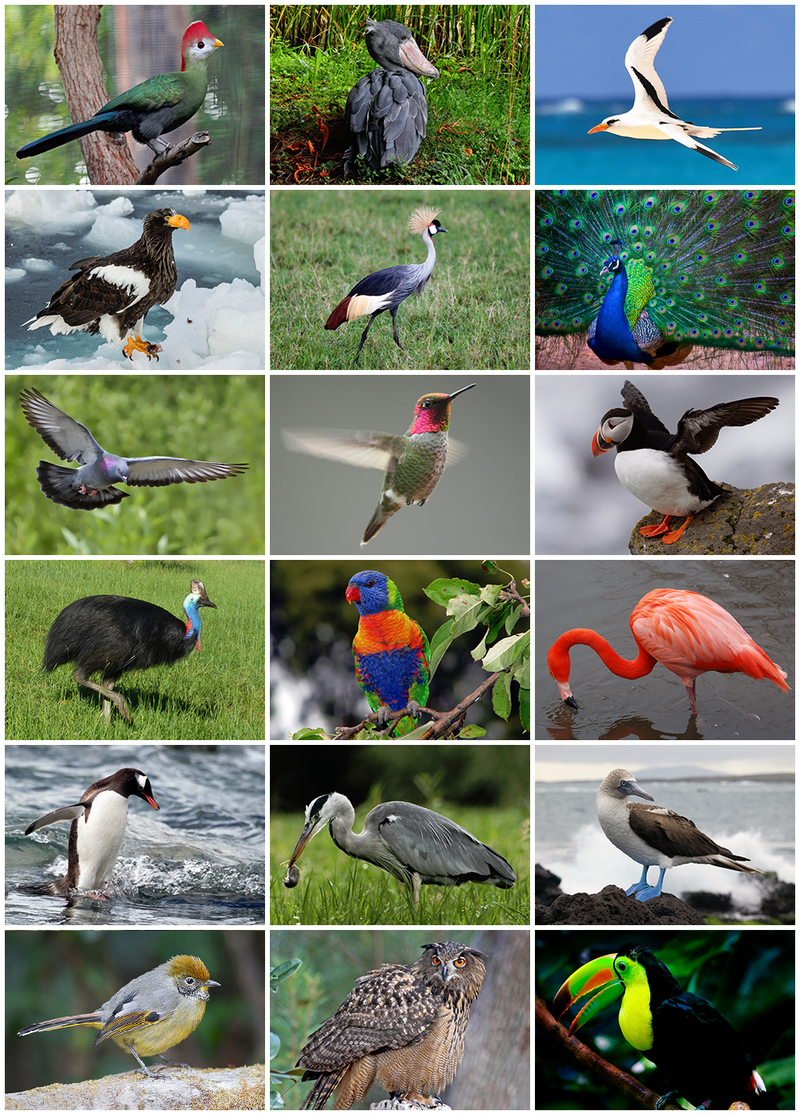
Birds are fascinating creatures that captivate many with their diverse species and unique characteristics. As members of the animal kingdom, they exhibit a wide range of behaviors, habitats, and adaptations. Birds possess feathers, beaks, and lay eggs, distinguishing them from other animal classes.
Their ability to fly, although not universal among all birds, adds to their allure and ecological importance. From tiny hummingbirds to majestic eagles, birds play crucial roles in ecosystems, such as pollination and seed dispersal. Understanding their classification as animals helps appreciate their place in the natural world and underscores the importance of their conservation.
Credit: en.wikipedia.org
What Defines An Animal?
Understanding what defines an animal is essential. Animals come in many shapes and sizes. But they all share some common traits. This section explores these defining characteristics.
Characteristics Of Animals
Animals have unique features that set them apart. Below are some key characteristics:
- Multicellular: Animals are made of multiple cells.
- Heterotrophic: Animals cannot make their own food. They must eat plants or other animals.
- Movement: Most animals can move at some point in their lives.
- Reproduction: Animals reproduce sexually or asexually.
- Sensory Organs: Animals have organs to sense their environment.
Classification Of Living Organisms
Living organisms are grouped based on shared traits. Here is a simple classification:
| Kingdom | Examples |
|---|---|
| Animals | Birds, Fish, Mammals |
| Plants | Trees, Flowers, Algae |
| Fungi | Mushrooms, Yeast |
| Protists | Amoeba, Paramecium |
| Bacteria | Escherichia coli, Streptococcus |
Birds fall under the animal kingdom. They share the basic traits of animals but have unique features like feathers and beaks.
Birds As Part Of The Animal Kingdom
Many people wonder if birds are truly animals. The simple answer is yes. Birds are a fascinating group within the animal kingdom. They exhibit diverse characteristics and behaviors.
Biological Classification Of Birds
Birds belong to the class Aves in biological classification. Here is a simple breakdown:
| Kingdom | Animalia |
|---|---|
| Phylum | Chordata |
| Class | Aves |
These classifications show that birds are indeed animals. They share many traits with other animals.
Common Misconceptions
There are some common misconceptions about birds:
- Birds are not animals.
- Birds are reptiles.
- Birds are a separate group altogether.
These beliefs are incorrect. Birds are a distinct group within the animal kingdom. They have feathers, lay eggs, and have beaks. These unique features set them apart, but do not exclude them from being animals.
Understanding birds’ place in the animal kingdom helps appreciate their role in nature. Birds are indeed animals, with unique and fascinating characteristics.
Unique Traits Of Birds
Birds are fascinating creatures with many unique traits. These traits help them stand out in the animal kingdom. Let’s explore some of the unique features that make birds special.
Feathers And Flight
Birds are the only animals with feathers. Feathers help birds fly and keep warm. They also use feathers to attract mates.
Flight is another unique trait. Birds have strong chest muscles and lightweight bones. These features help them fly high and fast. Not all birds can fly, but most can.
Beaks And Bills
Birds have beaks or bills instead of teeth. These come in many shapes and sizes. Different birds have different beaks based on their diet.
For example, eagles have sharp, curved beaks. These help them tear meat. Hummingbirds have long, thin beaks. These help them drink nectar from flowers.
| Bird Type | Beak Shape | Diet |
|---|---|---|
| Eagle | Sharp, Curved | Meat |
| Hummingbird | Long, Thin | Nectar |
| Sparrow | Short, Stubby | Seeds |
Birds use their beaks for many things. They use them to eat, build nests, and even clean themselves. The beak is an important tool for survival.
Comparing Birds With Other Animal Classes
Birds are fascinating creatures. They share similarities and differences with other animals. Let’s explore how birds compare to mammals and reptiles.
Birds Vs Mammals
Birds and mammals are both warm-blooded animals. This means they can regulate their body temperature.
Mammals give birth to live young. Birds lay eggs. Mammals have fur or hair. Birds have feathers.
Here is a table to show more differences:
| Feature | Birds | Mammals |
|---|---|---|
| Body Covering | Feathers | Fur or Hair |
| Reproduction | Eggs | Live Birth |
| Warm-Blooded | Yes | Yes |
Birds Vs Reptiles
Birds and reptiles share some traits. Both lay eggs. Birds have feathers. Reptiles have scales.
Birds are warm-blooded. Reptiles are cold-blooded. Cold-blooded animals rely on the environment for heat.
Here is a list of key points:
- Birds lay eggs; reptiles also lay eggs.
- Birds have feathers; reptiles have scales.
- Birds are warm-blooded; reptiles are cold-blooded.
Evolutionary Lineage Of Birds
The evolutionary lineage of birds is a fascinating journey through time. Birds, with their unique features, have a rich history. This history traces back to ancient creatures. Understanding this lineage helps us appreciate the diversity of life on Earth.
From Dinosaurs To Birds
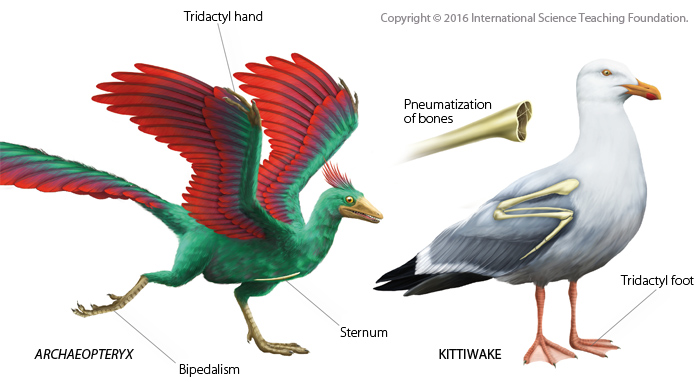
Birds are modern-day relatives of dinosaurs. This might sound surprising, but it’s true. Scientists believe birds evolved from theropod dinosaurs. These were bipedal dinosaurs like the famous Tyrannosaurus rex. Over millions of years, these dinosaurs developed feathers and flight capabilities.
There are several key changes in this transformation:
- Development of feathers for insulation and later for flight
- Evolution of lightweight bones
- Adaptation of beaks instead of teeth
These changes were gradual but significant. They transformed ground-dwelling reptiles into the birds we see today.
Fossil Evidence
Fossils provide crucial evidence for the bird-dinosaur connection. One of the most famous fossils is Archaeopteryx. This ancient creature had features of both birds and dinosaurs. It had feathers like a bird but teeth and a long tail like a dinosaur.
Other important fossils include:
- Confuciusornis: An early bird with a beak and feathers
- Microraptor: A small, feathered dinosaur with four wings
- Anchiornis: A dinosaur with wing-like arms and legs
These fossils show a clear progression from dinosaurs to birds. Each discovery adds pieces to the puzzle of bird evolution.
Fossils also show variations in early bird species. Some had claws on their wings. Others had teeth. These variations highlight the diverse evolutionary paths birds took.
| Fossil | Characteristics |
|---|---|
| Archaeopteryx | Feathers, teeth, long tail |
| Confuciusornis | Beak, feathers |
| Microraptor | Four wings, feathers |
| Anchiornis | Wing-like arms and legs |
Understanding these fossils helps us trace the bird’s evolutionary journey. Each fossil discovery brings us closer to understanding bird evolution.
Birds In Various Ecosystems
Birds are fascinating creatures found in diverse ecosystems worldwide. They thrive in forests, deserts, wetlands, and urban areas. Each ecosystem presents unique challenges and opportunities for birds. Their adaptations and roles in these environments are intriguing.
Adaptations To Habitats
Birds have developed remarkable adaptations to survive in different habitats. In forests, birds like woodpeckers have strong beaks to peck wood. Desert birds, such as roadrunners, can live with little water. Wetland birds like herons have long legs for wading through water.
In urban areas, pigeons and sparrows nest on buildings. They find food in trash and parks. These adaptations help birds make the best of their surroundings. Their physical traits and behaviors ensure their survival.
Role In The Food Chain
Birds play crucial roles in the food chain. They act as predators, prey, and scavengers. Raptors like eagles and hawks hunt smaller animals. They help control the population of rodents and insects.
Birds like sparrows and finches are prey for larger animals. Their presence supports predators higher up the chain. Some birds, such as vultures, are scavengers. They clean up dead animals, preventing disease spread.
Below is a simple table illustrating the roles of different birds in the food chain:
| Bird Type | Role | Example |
|---|---|---|
| Predator | Controls small animal populations | Eagle |
| Prey | Supports predators | Sparrow |
| Scavenger | Cleans up dead animals | Vulture |
Birds are essential for maintaining ecological balance. Their roles and adaptations showcase their importance in various ecosystems.
Human Interaction With Birds
Humans have always been fascinated by birds. These winged creatures bring joy and wonder. Our interactions with birds range from keeping them as pets to observing them in the wild. Let’s explore these interactions in detail.
Domestication And Pets
Many people keep birds as pets. Birds like parrots, canaries, and budgies are popular choices. They are known for their vibrant colors and ability to mimic sounds. Keeping birds as pets requires special care. They need proper food, clean water, and a safe environment.
Birds can form strong bonds with their owners. They enjoy playing and interacting with humans. Pet birds can live for many years. This long lifespan means a long-term commitment from their owners. Proper training and socialization are important for a happy pet bird.
Birdwatching And Conservation
Birdwatching is a popular hobby. People enjoy observing birds in their natural habitats. This activity helps people connect with nature. It also raises awareness about bird conservation.
Birdwatchers often join groups or clubs. They share sightings and tips for spotting rare birds. Birdwatching can be done in local parks, forests, and even urban areas. Special equipment like binoculars and guidebooks enhance the experience.
Conservation efforts are crucial for bird populations. Many species face threats from habitat loss and pollution. Conservation programs aim to protect these birds and their habitats. Supporting these efforts helps ensure birds thrive for future generations.
Credit: en.wikipedia.org
Debunking Myths About Birds
Birds are often misunderstood. Many myths surround these fascinating creatures. Let’s debunk some common misconceptions.
Birds And Intelligence
Birds are smarter than many think. Some birds can solve puzzles. They use tools to get food.
For example, crows are very clever. They can remember human faces. They even use traffic to crack nuts.
Parrots can mimic human speech. They understand some words and commands. This shows their intelligence.
Birds And Emotions
Birds have emotions too. They show joy, fear, and anger. Pet birds can bond with their owners.
Birds like parrots enjoy playing. They get excited about new toys. They also feel sadness when lonely.
Birds communicate with each other. They use songs and calls. This shows their emotional depth.
Credit: science-teaching.org
Frequently Asked Questions
Do Birds Count As Animals?
Yes, birds count as animals. They belong to the animal kingdom and are a distinct class called Aves. Birds have feathers, beaks, and lay eggs.
Is A Bird Defined As An Animal?
Yes, a bird is defined as an animal. Birds belong to the animal kingdom and are classified as vertebrates.
What Is Not Considered An Animal?
Plants, fungi, bacteria, and viruses are not considered animals. Minerals and inanimate objects also fall outside the animal category.
What Type Of Animal Is The Bird?
A bird is a warm-blooded vertebrate. It has feathers, wings, and a beak. Birds lay eggs and can fly.
Conclusion
Birds are indeed animals, classified under the animal kingdom. They share many traits with other animal species. Understanding their classification helps in appreciating the diversity of life. Next time you see a bird, remember it’s part of the animal world.
This knowledge enriches our connection with nature.