
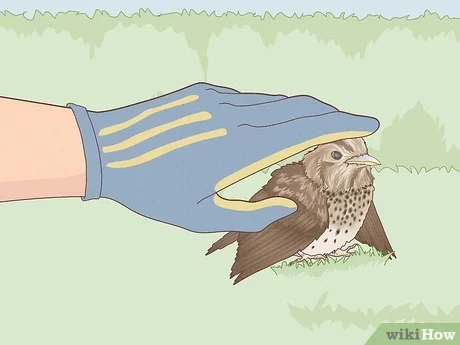
To help a bird with a broken wing, gently place it in a small, ventilated box. Contact a wildlife rehabilitator immediately.
Birds with broken wings need immediate and careful attention. Start by gently capturing the bird to prevent further injury. Use a soft cloth or towel to handle the bird, ensuring minimal stress. Place the bird in a small, well-ventilated box or container to keep it calm and safe.
Avoid feeding or giving water to the bird, as improper care can worsen the situation. Contact a local wildlife rehabilitator or veterinarian experienced with birds as soon as possible. They have the expertise to properly treat and rehabilitate the injured bird. Quick and appropriate action increases the bird’s chances of recovery.

Credit: www.helpwildlife.co.uk
Identifying A Broken Wing
Helping a bird with a broken wing starts with correctly identifying the injury. Knowing the signs and symptoms of a broken wing is crucial. This can ensure you provide the right care and assistance to the injured bird.
Signs And Symptoms
Identifying a broken wing involves observing certain key signs. Here are some common symptoms you might notice:
- The bird is unable to fly.
- The wing is drooping or at an odd angle.
- Visible wounds or swelling on the wing.
- The bird shows signs of pain or distress.
- Feathers are ruffled or missing around the wing area.
Pay close attention to these symptoms. They can help you determine the severity of the injury.
Initial Assessment
Conducting an initial assessment is vital. Here’s how you can assess the bird’s condition:
- Approach the bird quietly and gently.
- Observe the wing without touching it initially.
- Check for any obvious injuries or deformities.
- Note the bird’s behavior and movement.
- If safe, gently examine the wing for hidden injuries.
Be gentle during this process. Birds are fragile and can get stressed easily. Always prioritize the bird’s safety and well-being.
Immediate Actions To Take
Helping a bird with a broken wing requires quick and careful action. The immediate steps you take can make a big difference in the bird’s recovery. Here are essential actions to follow right away.
Securing The Bird
First, approach the bird slowly and calmly. Use a towel or cloth to gently cover the bird. This helps keep the bird calm and prevents further injury. Carefully scoop the bird into a box or container. Make sure the container has small air holes for breathing. Avoid using a cage with wide bars as the bird might hurt itself more.
Creating A Safe Space
Next, create a safe and quiet space for the bird. Line the bottom of the container with a soft cloth or paper towels. This gives the bird a comfortable place to rest. Keep the container in a warm, quiet room. Avoid loud noises and bright lights. The bird needs rest and peace to start healing.
| Step | Action |
|---|---|
| 1 | Cover the bird with a cloth |
| 2 | Scoop the bird into a box |
| 3 | Line the box with soft material |
| 4 | Place the box in a quiet room |
Always wash your hands after handling the bird. This protects both you and the bird. You should contact a wildlife rehabilitator as soon as possible. They have the expertise to care for injured birds.
- Approach calmly and use a cloth
- Ensure the bird can breathe
- Keep the bird warm and quiet
- Contact a wildlife expert
Contacting A Wildlife Professional
Helping a bird with a broken wing can be challenging. It’s best to involve a wildlife professional. They have the expertise to provide proper care and treatment. Knowing when and how to contact them is crucial.
When To Call
If you find a bird with a broken wing, call a wildlife professional immediately. Look for these signs:
- Visible bone or blood
- Wing hanging at an odd angle
- Bird unable to fly or move properly
Prompt action can save the bird’s life. Do not delay reaching out.
Information To Provide
When calling a wildlife professional, provide clear information. This helps them understand the situation better.
| Information | Details |
|---|---|
| Location | Exact spot where you found the bird |
| Condition | Describe the bird’s injuries |
| Species | Identify the bird if possible |
Provide your contact details. Professionals may need to reach you for more information.
Keep the bird in a quiet, dark place until help arrives. Minimize handling to avoid further stress or injury.
Transporting The Injured Bird
Transporting an injured bird can be a delicate task. Ensuring the bird’s safety and comfort is crucial. Here are some tips to make the process smooth and stress-free.
Using A Carrier
To transport the injured bird, use a small box or a pet carrier. Ensure the container has ventilation holes for air. Place a soft cloth or towel inside for cushioning. Make sure the bird cannot escape. Secure the lid or door tightly. Avoid using wire cages; they can cause more injury.
Minimizing Stress
To keep the bird calm, cover the carrier with a light cloth. This will reduce light and noise, creating a soothing environment. Handle the carrier gently to avoid sudden movements. Speak softly if you must talk to the bird. Loud noises can frighten the injured bird.
| Steps | Actions |
|---|---|
| 1 | Find a small box or pet carrier. |
| 2 | Place a soft cloth or towel inside. |
| 3 | Ensure proper ventilation. |
| 4 | Secure the lid or door tightly. |
| 5 | Cover the carrier with a light cloth. |
| 6 | Handle the carrier gently and speak softly. |
By following these steps, you can safely transport the injured bird to a veterinarian. Safety and comfort are the top priorities. Keep the bird’s stress level low during the journey.
Providing Temporary Care
When you find a bird with a broken wing, it needs immediate care. Providing temporary care can save its life. This section focuses on feeding, hydration, and maintaining comfort.
Feeding And Hydration
Feeding a bird properly is crucial. Birds need nutrients to heal. You can offer soft foods. Try fruits like bananas and apples. You can also use soaked birdseed. Avoid giving milk or bread. These can harm the bird.
Hydration is equally important. Use a shallow dish for water. Ensure it’s clean and fresh. You can use an eyedropper to give water. Be gentle to avoid stress.
| Food | How to Prepare |
|---|---|
| Banana | Mash into small pieces |
| Apple | Cut into tiny chunks |
| Soaked Birdseed | Soak in water for 10 minutes |
Maintaining Comfort
Keep the bird in a quiet place. Noise can cause stress. Use a small box or cage. Line it with soft cloth. This prevents further injury. Avoid using wire cages. These can hurt the bird more.
Temperature control is vital. Keep the bird warm. You can use a heating pad. Set it on low heat. Place it under half of the box. This allows the bird to move away if too hot. Keep the area dimly lit.
- Place in a quiet room
- Use a small box or cage
- Line with soft cloth
- Maintain a warm temperature
- Keep the area dimly lit

Credit: www.wikihow.com
Long-term Recovery
Helping a bird with a broken wing requires patience and dedication. Long-term recovery is crucial for the bird’s overall well-being. This phase involves ensuring the bird’s complete healing and preparing it for life back in the wild.
Rehabilitation Centers
Rehabilitation centers play a vital role in a bird’s recovery. These facilities provide specialized care and attention. They have trained staff who understand the needs of injured birds.
At a rehabilitation center, the bird gets proper medical treatment. The staff monitors its progress closely. They provide a safe and nurturing environment. The bird is kept in a quiet and stress-free area to aid healing.
| Services | Description |
|---|---|
| Medical Care | Administering medicines and treatments. |
| Physical Therapy | Exercises to regain strength and mobility. |
| Nutrition | Providing a balanced diet. |
Release Preparation
Preparing a bird for release is an important step. This ensures the bird can survive on its own in the wild.
During this phase, the bird is gradually introduced to the outdoors. Staff members assess the bird’s flying ability. They also evaluate its foraging skills and social behaviors.
- Flight Training: Encourages the bird to fly short distances.
- Foraging Practice: Teaches the bird to find food.
- Behavioral Observation: Ensures the bird interacts well with others.
Once the bird shows signs of independence, it is ready for release. The staff chooses a suitable location for the bird’s release. This location should have ample food and shelter options.
Helping a bird with a broken wing involves many steps. Each step is essential for the bird’s complete recovery and successful return to the wild.
Preventing Future Injuries
Helping a bird with a broken wing is crucial. But it is equally important to prevent future injuries. Here are some practical steps to ensure your feathered friends stay safe and healthy.
Safe Bird Environments
Creating a safe environment for birds is vital. Keep the bird’s cage or aviary clean and spacious. Make sure there are no sharp edges or loose wires. Birds need room to fly and play. Cluttered spaces can cause accidents.
Place the cage away from windows and mirrors. Birds can get hurt trying to fly through glass. Use bird-safe materials for perches and toys. Avoid using toxic plants or chemicals around birds.
| Unsafe Items | Safe Alternatives |
|---|---|
| Loose Wires | Secure, Covered Wires |
| Sharp Edges | Rounded Corners |
| Toxic Plants | Bird-Safe Plants |
Monitoring Bird Health
Regularly monitor your bird’s health. Look for signs of stress or injury. These can include limping, unusual behavior, or loss of appetite.
Keep a first aid kit handy. Basic items include bandages, antiseptic, and tweezers. Educate yourself on bird first aid techniques.
- Check their wings and feet often
- Observe eating and drinking habits
- Notice any changes in behavior
Regular vet check-ups are essential. A vet can identify issues early. Early treatment can prevent serious injuries. Ensure your bird gets a balanced diet and exercise. Healthy birds are less prone to injuries.
By taking these steps, you can create a safer environment for your birds. Regular monitoring and care will help keep them healthy and happy.
Resources And Support
Helping a bird with a broken wing can be challenging. Fortunately, many resources and support options are available to assist. From local wildlife organizations to online communities, you can find help in many places. Below are some key resources to guide you through the process.
Local Wildlife Organizations
Local wildlife organizations can be a great help. These groups often have trained professionals. They know how to treat injured birds. You can find these organizations in your area by searching online.
Here are some ways local wildlife organizations can assist:
- Provide Medical Care: They can offer immediate medical help.
- Rehabilitation: They provide long-term care until the bird heals.
- Advice: They can give you advice on what to do.
Contacting a local wildlife organization is often the first step. They have the tools and expertise to help the bird recover.
Online Communities
Online communities are another valuable resource. These platforms connect you with people who have experience. They can offer advice, tips, and emotional support.
Here are some benefits of online communities:
- Quick Advice: Get immediate answers to your questions.
- Shared Experiences: Learn from others who have faced similar situations.
- Emotional Support: Find comfort in knowing you’re not alone.
Popular online communities include forums, social media groups, and specialized websites. Joining these groups can provide you with a wealth of information.
Below is a table summarizing the key points about these resources:
| Resource | Benefits |
|---|---|
| Local Wildlife Organizations | Professional care, rehabilitation, expert advice |
| Online Communities | Quick advice, shared experiences, emotional support |

Credit: m.youtube.com
Frequently Asked Questions
Can A Bird’s Broken Wing Heal On Its Own?
A bird’s broken wing can heal on its own, but it requires a safe environment and minimal stress. For best results, consult a wildlife rehabilitator.
Should You Save A Bird With A Broken Wing?
Yes, you should save a bird with a broken wing. Contact a local wildlife rehabilitator immediately. Handle the bird gently and place it in a ventilated box. Avoid giving food or water without professional advice. Prompt action can increase the bird’s chances of recovery.
How Do You Help An Injured Bird That Can’t Fly?
Gently pick up the bird using a towel. Place it in a ventilated box. Keep it warm and quiet. Contact a wildlife rehabilitator immediately.
How Do You Fix A Bird’s Wing Fracture?
Gently immobilize the bird’s wing with a splint. Secure it with medical tape. Contact a vet immediately for professional care. Ensure the bird is kept calm and safe.
Conclusion
Helping a bird with a broken wing requires care and patience. Follow the steps outlined to ensure its recovery. Remember, professional help is often necessary. Always handle the bird gently to avoid further injury. By taking these actions, you can give the bird the best chance to heal and fly again.