

There are over 200 species of woodpeckers worldwide. These birds belong to the family Picidae.
Woodpeckers are fascinating birds known for their distinctive pecking behavior. They inhabit diverse regions across the globe, from dense forests to urban parks. Each species varies in size, color, and habitat preferences. Woodpeckers play a vital role in ecosystems by controlling insect populations and creating nesting sites for other birds.
Their unique ability to drill into wood helps them find food and create shelters. These birds are also admired for their striking plumage and rhythmic drumming sounds. Observing woodpeckers can be a delightful experience for bird enthusiasts and nature lovers alike. Understanding the different species enhances our appreciation of these incredible avian creatures.
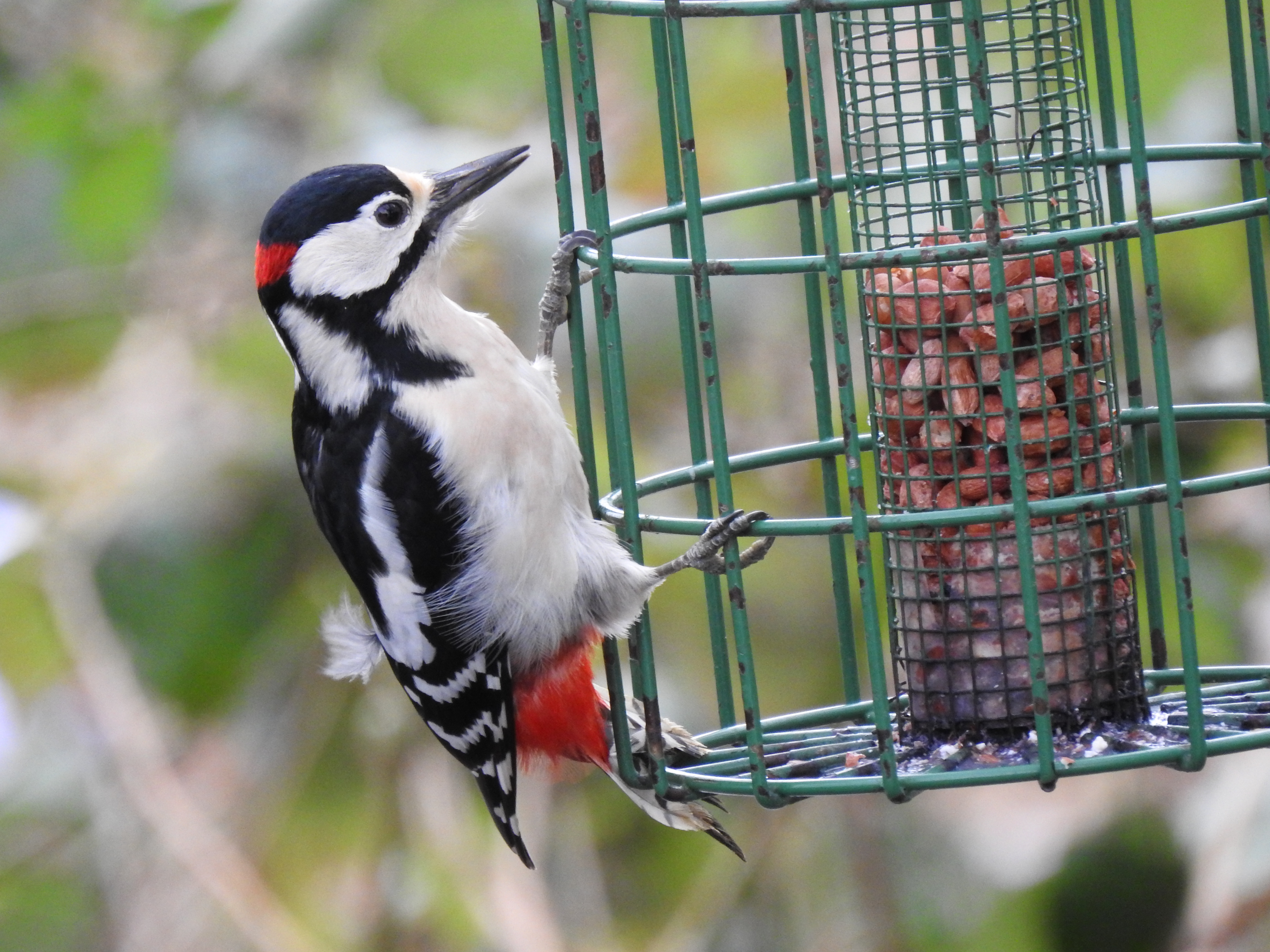
Credit: en.wikipedia.org
Characteristics Of Woodpeckers
Woodpeckers are unique birds with fascinating traits. These birds are known for their distinctive features and behaviors. Let’s explore the physical and behavioral characteristics of woodpeckers.
Physical Traits
- Beaks: Woodpeckers have strong, chisel-like beaks. This helps them peck into wood.
- Feet: They have two toes facing forward and two backward. This helps them grip tree trunks.
- Tails: Their stiff tails help support their bodies while climbing.
- Feathers: Woodpeckers have bristle-like feathers around their nostrils. This keeps out wood dust.
Behavioral Traits
- Drumming: They drum on trees to communicate and mark territory.
- Nesting: Woodpeckers create cavities in trees for nesting.
- Feeding: They eat insects, grubs, and sometimes sap from trees.
- Migration: Some species migrate while others stay in the same area year-round.
Common Woodpecker Species
Woodpeckers are fascinating birds known for their unique behaviors and striking appearances. There are many woodpecker species around the world. In this section, we will explore some of the most common types.
Downy Woodpecker
The Downy Woodpecker is the smallest woodpecker in North America. It has a white belly and a black-and-white striped head. Males have a small red patch on the back of their heads. Downy Woodpeckers can be found in forests, parks, and gardens.
| Feature | Description |
|---|---|
| Size | 6-7 inches |
| Diet | Insects, seeds, berries |
| Habitat | Forests, parks, gardens |
Hairy Woodpecker
The Hairy Woodpecker looks similar to the Downy Woodpecker but is larger. It has a white belly and a black-and-white striped head. Males also have a red patch on the back of their heads. Hairy Woodpeckers prefer mature forests and woodlands.
| Feature | Description |
|---|---|
| Size | 9-10 inches |
| Diet | Insects, nuts, fruit |
| Habitat | Mature forests, woodlands |
Rare And Exotic Woodpeckers
Woodpeckers are fascinating birds known for their pecking behavior. Among them, rare and exotic woodpeckers stand out. These elusive species are often a birdwatcher’s dream. Let’s explore some of these unique woodpeckers.
Ivory-billed Woodpecker
The Ivory-billed Woodpecker is one of the most mysterious birds. It was once found in the southeastern United States. This bird is known for its striking appearance. It has a black body with white stripes on the neck. The male has a bright red crest, making it easy to spot.
Sadly, the Ivory-billed Woodpecker is believed to be extinct. The last confirmed sighting was in the mid-20th century. Despite this, some still hope to find it in remote forests. Conservationists continue to search for this legendary bird.
| Feature | Description |
|---|---|
| Body Color | Black with white stripes |
| Crest Color | Bright red (male) |
| Habitat | Southeastern United States |
| Status | Believed extinct |
Imperial Woodpecker
The Imperial Woodpecker is the world’s largest woodpecker. It lived in the forests of Mexico. This bird has a striking appearance with a black body and a white wing patch. The male also has a red crest, similar to the Ivory-billed Woodpecker.
The Imperial Woodpecker’s size is impressive. It can reach up to 23 inches in length. Sadly, this bird is also thought to be extinct. The last confirmed sighting was in the 1950s. Deforestation and hunting contributed to its decline.
- Body Color: Black with white wing patch
- Crest Color: Red (male)
- Length: Up to 23 inches
- Habitat: Forests of Mexico
- Status: Believed extinct
Habitat And Distribution
Woodpeckers are fascinating birds known for their unique pecking behavior. They are found worldwide, in various habitats. Understanding their habitat and distribution helps in appreciating these incredible birds better.
North America
North America is home to many woodpecker species. The most common ones are the Downy Woodpecker and the Northern Flicker. These birds thrive in various habitats including forests, woodlands, and even urban areas.
| Species | Habitat |
|---|---|
| Downy Woodpecker | Deciduous forests, parks, gardens |
| Northern Flicker | Open woodlands, forest edges, yards |
Woodpeckers in North America adapt well to human presence. They often visit bird feeders and nest in backyard trees.
South America
South America hosts a diverse range of woodpecker species. The Crimson-crested Woodpecker and the Lineated Woodpecker are some notable examples. These birds prefer tropical and subtropical forests.
| Species | Habitat |
|---|---|
| Crimson-crested Woodpecker | Tropical forests, mangroves |
| Lineated Woodpecker | Subtropical forests, rainforest edges |
South American woodpeckers are often found in dense forests. They thrive in areas with abundant trees and insects.
Diet And Feeding Habits
Woodpeckers have diverse feeding habits that make them fascinating birds. Their diet varies based on the species, habitat, and availability of food. This section explores the different types of woodpecker diets and their unique feeding habits.
Insectivorous Diet
Many woodpeckers are insectivorous, meaning they primarily eat insects. They use their strong beaks to drill into wood and find hidden insects. Common insects in their diet include:
- Ants
- Beetles
- Termites
- Larvae
Woodpeckers have a long, sticky tongue which helps them catch insects. They can even extract insects from deep crevices. This feeding habit helps control pest populations in forests.
Sap-sucking Species
Some woodpeckers are known as sap-suckers. These birds feed on tree sap. They peck small holes in trees to access the sap. Common trees targeted by sap-sucking woodpeckers include:
- Maple trees
- Birch trees
- Oak trees
These woodpeckers also eat insects attracted to the sap. This dual diet ensures a steady food supply. The sap provides essential nutrients, especially during seasons when insects are scarce.
In summary, woodpeckers have varied diets. Their feeding habits include eating insects and sap. These habits help them thrive in different environments.

Credit: oakmossed.wordpress.com
Conservation Status
Woodpeckers are fascinating birds with many species around the world. Understanding their conservation status is crucial. It helps in protecting these unique birds.
Endangered Species
Some woodpecker species face severe threats. They are at risk of extinction. The Ivory-billed Woodpecker is critically endangered. It might even be extinct.
The Imperial Woodpecker also faces similar threats. Habitat loss is a major reason. Deforestation destroys their homes. They struggle to find food and shelter.
Another species in danger is the Red-cockaded Woodpecker. It relies on old pine forests. These forests are shrinking. Human activities are the main cause.
Conservation Efforts
Many organizations work to save woodpeckers. They focus on habitat protection. They create protected areas to preserve forests. This helps woodpeckers find safe homes.
Another important effort is reforestation. Planting new trees replaces lost habitats. It provides food and shelter for woodpeckers.
Some programs focus on public education. They teach people about woodpeckers. Awareness leads to better conservation actions.
Conservationists also use tracking devices. They monitor woodpecker movements. This data helps in planning effective conservation strategies.
Here is a summary of key conservation efforts:
| Conservation Effort | Description |
|---|---|
| Protected Areas | Creating safe habitats for woodpeckers |
| Reforestation | Planting trees to restore habitats |
| Public Education | Raising awareness about woodpecker conservation |
| Tracking Devices | Monitoring movements for better planning |
Tips For Birdwatchers
Birdwatching is a fun and educational activity. It helps you connect with nature. Spotting woodpeckers can be a thrilling experience. Here are some tips to help you on your birdwatching journey.
Identifying Woodpeckers
Woodpeckers are unique birds with distinct features. They have strong beaks and stiff tails. Their drumming sound helps in identification.
- Size: Woodpeckers vary in size. Look for their body length and wingspan.
- Color: Many woodpeckers have bright colors. Red, black, and white are common.
- Behavior: Observe their pecking behavior. They often peck on trees to find insects.
Best Birdwatching Locations
Finding the right location is key to spotting woodpeckers. Here are some top spots:
| Location | Features |
|---|---|
| National Parks | Wide variety of woodpecker species |
| Forests | Dense trees provide good habitat |
| Backyards | Common for certain woodpecker species |
Bring a pair of binoculars and a field guide. This will help you spot and identify woodpeckers more easily.
:max_bytes(150000):strip_icc()/GettyImages-1094628502-a831e9c1be004c05b057f488ff819127.jpg)
Credit: www.treehugger.com
Frequently Asked Questions
How Many Species Of Woodpecker Are There?
There are over 200 species of woodpeckers worldwide. They belong to the family Picidae. These birds are known for their pecking behavior.
What Is The Most Common Woodpecker?
The Downy Woodpecker is the most common woodpecker in North America. It is small and adaptable, often found in forests and urban areas.
How Many Types Of Woodpeckers Are There In North America?
North America is home to 22 species of woodpeckers. These include the Downy, Hairy, and Pileated Woodpeckers, among others.
What Is The Difference Between A Red Headed Woodpecker And A Pileated Woodpecker?
The red-headed woodpecker has a completely red head, while the Pileated woodpecker has a red crest and black body. The Pileated woodpecker is larger with a distinctive, loud call. Both species have different foraging habits and habitats.
Conclusion
Exploring the many types of woodpeckers reveals their diversity and charm. These fascinating birds play key roles in ecosystems. Learning about them deepens our appreciation for nature. Whether you’re a birdwatcher or a nature lover, woodpeckers are truly captivating. Keep an eye out and enjoy the beauty they bring to our world.