
Western Scrub Jays eat a variety of foods including insects, fruits, nuts, and seeds. They are also known to consume small animals and bird eggs.
Western Scrub Jays are opportunistic feeders with a diverse diet. These intelligent birds adapt their eating habits based on seasonal availability. In spring and summer, they primarily consume insects and small animals. During fall and winter, they shift their focus to nuts, seeds, and fruits.
Their strong beaks allow them to crack open hard shells to access nutritious seeds and nuts. They also exhibit food caching behavior, storing food for future consumption. This adaptability in their diet helps Western Scrub Jays thrive in various habitats, from woodlands to suburban areas.
Credit: celebrateurbanbirds.org
Introduction To Western Scrub Jays
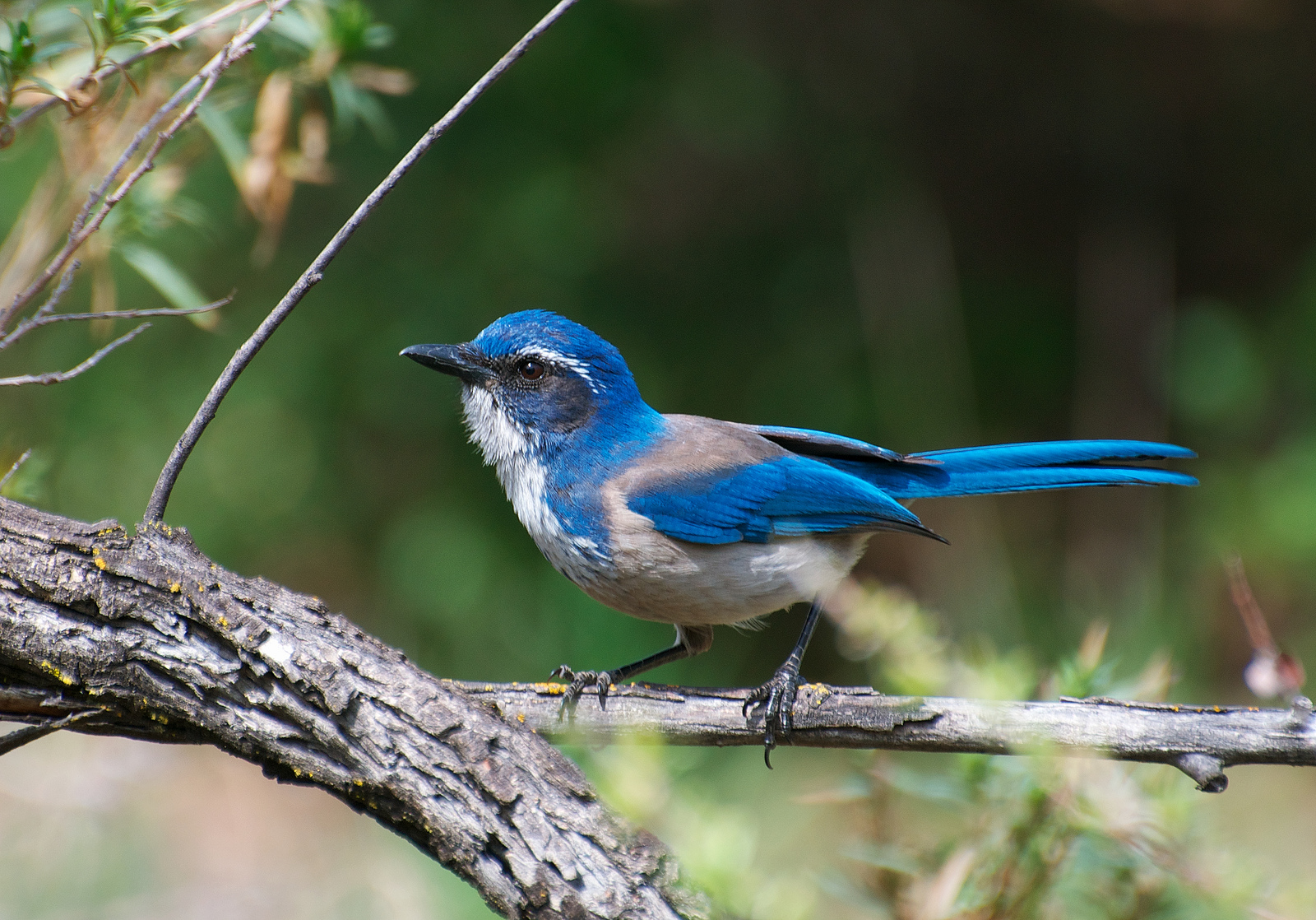
Western Scrub Jays are striking birds with vibrant blue feathers. Their curious nature makes them stand out in the wild. Understanding their diet can offer insights into their behavior and ecology.
Brief Overview
Western Scrub Jays belong to the Corvidae family. They are known for their intelligence and problem-solving skills. These birds are often seen hopping around in search of food. Their diet is diverse, making them adaptable to various environments.
Habitat And Distribution
Western Scrub Jays are native to western North America. You can find them in woodlands, scrublands, and suburban areas.
They prefer habitats with open areas and scattered trees. This allows them to forage easily and find food.
- Range: From the Pacific coast to the Rocky Mountains.
- Common States: California, Oregon, and Nevada.
| Region | Preferred Habitat |
|---|---|
| California | Oak woodlands |
| Oregon | Chaparral |
| Nevada | Sagebrush |
Western Scrub Jays are adaptable and can live near humans. They often visit backyards and gardens in search of food.
Behavior And Social Structure
Western Scrub Jays are known for their bold behavior. They often interact with other birds and animals. These birds are also known for their caching behavior. They hide food to eat later. This helps them survive during lean times.
In social structures, they are territorial and defend their space. They can be seen chasing away intruders from their area.
Credit: ornithology.com
Dietary Habits
The Western Scrub Jay is a fascinating bird with diverse dietary habits. These birds adapt their eating patterns based on seasons and availability of food. Understanding their dietary habits offers insight into their survival strategies.
Seasonal Changes
Western Scrub Jays change their diet with the seasons. During the spring and summer, they primarily eat insects and small animals. This includes beetles, grasshoppers, and caterpillars.
In the fall and winter, their diet shifts to more plant-based foods. They focus on nuts, seeds, and berries. They also consume acorns, which they store for later use.
Feeding Behavior
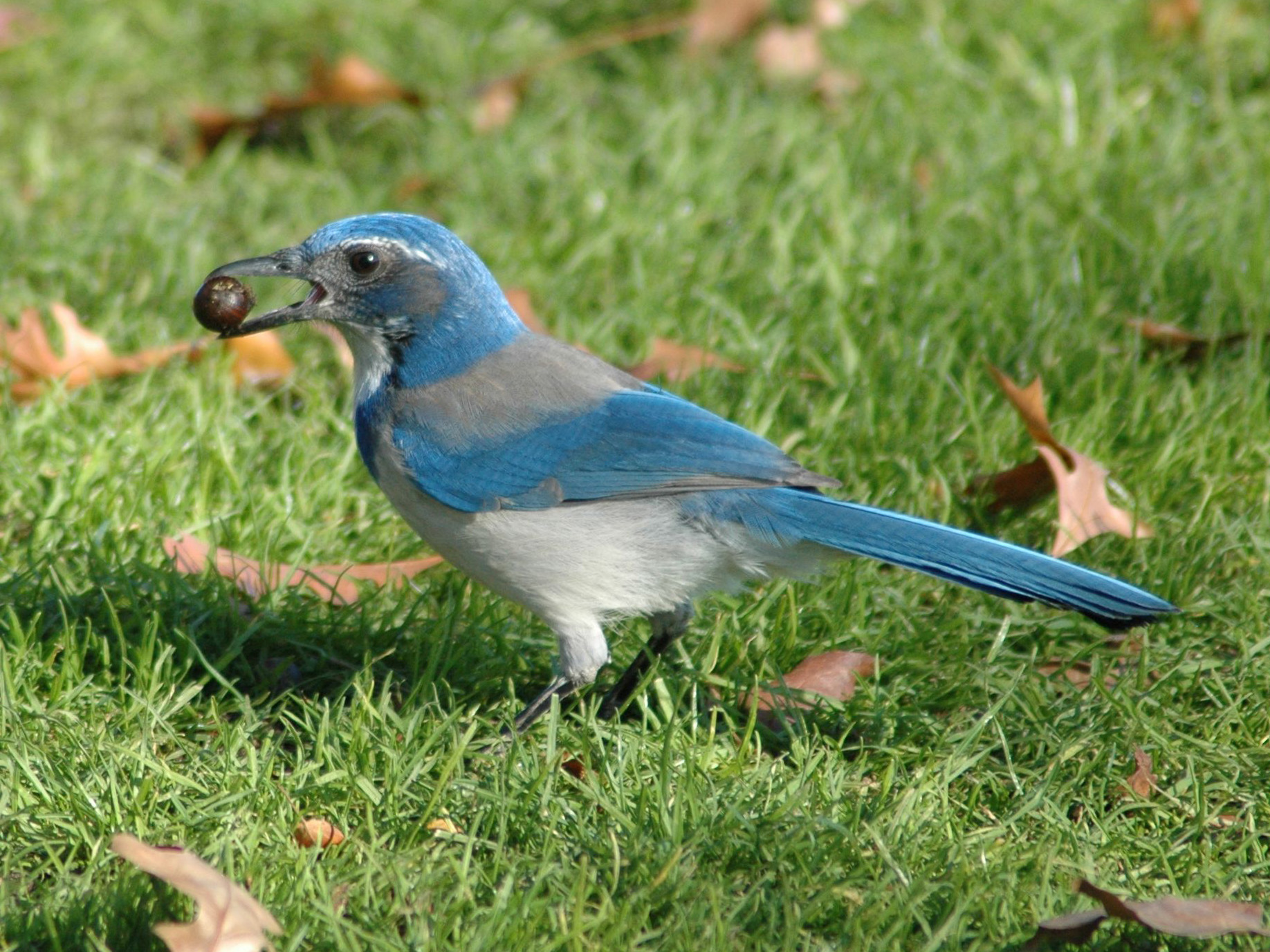
Western Scrub Jays exhibit unique feeding behaviors. They are known for caching, or hiding, food. This behavior helps them survive during food shortages. They often bury nuts and acorns in the ground.
These birds have excellent memory. They can remember the locations of their food caches. They also show intelligent foraging techniques. They use their strong beaks to dig and break open hard shells.
| Season | Primary Food Sources |
|---|---|
| Spring | Insects, Small Animals |
| Summer | Insects, Small Animals |
| Fall | Nuts, Seeds, Berries |
| Winter | Nuts, Seeds, Berries |
- Insects: beetles, grasshoppers, caterpillars
- Small Animals: lizards, frogs, small birds
- Nuts: acorns, pine nuts
- Seeds: sunflower seeds, grains
- Berries: elderberries, juniper berries
Favorite Foods
Western Scrub Jays are fascinating birds with a varied diet. Their diet helps them thrive in different environments. Let’s explore their favorite foods in detail.
Insects And Invertebrates
Western Scrub Jays love to eat insects and invertebrates. These small creatures are easy to find. They provide the necessary protein for the birds. Common insects include:
- Grasshoppers
- Beetles
- Caterpillars
Invertebrates like spiders and snails are also part of their diet. Jays hunt for these in gardens, forests, and fields. They use their sharp beaks to catch and eat them.
Fruits And Berries
Western Scrub Jays enjoy a variety of fruits and berries. These foods are rich in vitamins and energy. Some favorite fruits and berries include:
- Apples
- Cherries
- Blueberries
- Blackberries
Jays often visit fruit trees and bushes to find these tasty treats. They also store fruits and berries to eat later. This behavior helps them survive during food shortages.
Nuts And Seeds
The Western Scrub Jay has a diverse diet. Nuts and seeds make up a big part of what they eat. These foods provide essential nutrients and energy. Let’s dive into their favorite choices and how they store them.
Common Choices
Western Scrub Jays love many types of nuts and seeds. Here are some of their favorites:
- Acorns: These are a top choice for jays.
- Pine nuts: They find these in pine cones.
- Sunflower seeds: Easy to find and eat.
- Peanuts: Often taken from bird feeders.
- Corn kernels: Found in fields and gardens.
These foods are rich in fats and proteins. They help the birds stay healthy and strong.
Storage Techniques
Western Scrub Jays have clever ways to store food. They use their sharp memory to remember hiding spots. Here are some common techniques:
- Burying: They dig small holes in the ground to hide nuts.
- Tree Bark: Jays wedge seeds into tree bark for later.
- Leaf Litter: They cover food with leaves and twigs.
These birds can store hundreds of nuts in different places. They return to these spots when food is scarce.
Western Scrub Jays are smart and resourceful. Their habits help them thrive in various environments.
Human Interaction
Western Scrub Jays often come into contact with humans. They are curious birds and adapt well to urban settings. Their diet varies based on their environment, especially in areas with human activity.
Feeding In Urban Areas
In cities, Western Scrub Jays find plenty of food. They eat insects, fruits, and nuts from gardens. People often see them searching for food in parks and backyards. These birds can also eat small animals like lizards or frogs.
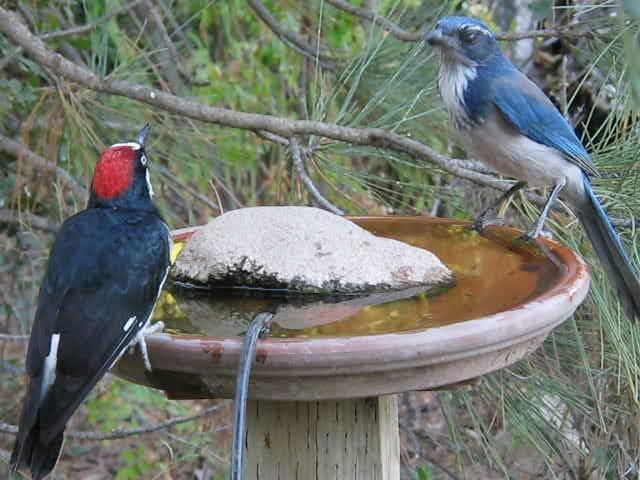
Urban areas provide many feeding opportunities. Scrub Jays visit birdbaths and feeders. They may even take food from pet bowls left outside. This behavior shows their adaptability.
Impact Of Bird Feeders
Bird feeders attract Western Scrub Jays. They love peanuts, sunflower seeds, and suet. Feeding stations in gardens and parks become regular stops for these birds.
| Food Type | Preference |
|---|---|
| Peanuts | High |
| Sunflower Seeds | Medium |
| Suet | Low |
Providing food can support local bird populations. It helps during harsh weather when natural food is scarce. But, over-reliance on feeders can impact their natural foraging skills.
To maintain balance, offer a variety of foods. Keep feeders clean to prevent disease spread. This ensures healthy interactions between Western Scrub Jays and humans.
Foraging Techniques
Western Scrub Jays are clever birds. They use various foraging techniques to find food. These birds forage both on the ground and in trees. Let’s explore these techniques.
Ground Foraging
Western Scrub Jays often forage on the ground. They search for insects, seeds, and nuts. The birds hop around, looking under leaves and debris. Sometimes, they dig with their beaks.
Jays have a keen eye for hidden food. They also store food for later. They bury seeds and nuts in the soil. This behavior is called caching. The birds remember their cache locations well.
Tree Foraging
Tree foraging is another common technique. Western Scrub Jays search for food in tree branches. They look for fruits, berries, and insects. The birds hop from branch to branch.
Jays also probe tree bark for hidden insects. They use their strong beaks to peck at the bark. Sometimes, they find spiders and other small creatures.
Jays are quick and agile in trees. They can even snatch food mid-air. Their sharp eyes help them spot food easily.
Nutritional Needs
The nutritional needs of Western Scrub Jays are diverse. They eat a variety of foods to stay healthy. Their diet includes protein, vitamins, and minerals. Let’s explore what these birds need to thrive.
Protein Sources
Western Scrub Jays need protein for energy and growth. They eat insects like beetles, grasshoppers, and caterpillars. They also hunt small animals such as frogs and lizards.
During certain seasons, they consume bird eggs for extra protein. They also eat nuts and seeds, which provide some protein.
Vitamin And Mineral Requirements
Vitamins and minerals are crucial for their health. They eat fruits and berries, which are rich in vitamins. These fruits include elderberries, blackberries, and wild grapes.
Minerals like calcium and magnesium are also essential. They get these from eating small pebbles and eggshells. These minerals help with bone health and overall well-being.
| Food Type | Example | Nutrient Provided |
|---|---|---|
| Insects | Beetles, Grasshoppers | Protein |
| Small Animals | Frogs, Lizards | Protein |
| Fruits | Elderberries, Blackberries | Vitamins |
| Minerals | Pebbles, Eggshells | Calcium, Magnesium |
Credit: www.laspilitas.com
Conservation Efforts
Conserving Western Scrub Jays is crucial for maintaining ecological balance. These birds play a vital role in seed dispersion and pest control. Conservation efforts focus on protecting their natural habitats and promoting native plants. This helps ensure a healthy environment for these birds.
Protecting Habitats
Western Scrub Jays thrive in diverse environments, including woodlands and scrublands. Protecting these habitats is essential. Conservation groups work to prevent deforestation and urban sprawl. They also restore damaged areas by planting trees and shrubs. This creates safe nesting sites and food sources for the birds.
| Habitat Type | Conservation Action |
|---|---|
| Woodlands | Prevent deforestation, plant native trees |
| Scrublands | Control invasive species, reintroduce native plants |
| Urban Areas | Create green spaces, plant native vegetation |
Encouraging Native Plants
Native plants are crucial for the survival of Western Scrub Jays. These plants provide food and shelter. Conservationists encourage planting native species in gardens and parks. This helps create sustainable environments for the birds. Native plants attract insects, which are essential food sources. They also produce seeds that the birds love to eat.
To support Western Scrub Jays, consider planting these native species:
- Oaks
- Sagebrush
- Manzanita
- Ceanothus
These plants offer multiple benefits. They support bird populations and promote biodiversity. By planting native species, you contribute to conservation efforts.
Frequently Asked Questions
What Can I Feed Scrub-jays?
Feed scrub-jays unsalted peanuts, sunflower seeds, corn, and mealworms. Offer fruits like apples, grapes, and berries. Provide fresh water.
Are Western Scrub Jays Friendly?
Western scrub jays can be friendly towards humans, especially with regular interaction and food offerings.
What Time Of Year Do Scrub-jays Nest?
Scrub-jays typically nest from March to June. They build nests in shrubs or low trees during this period.
What Is The Lifespan Of A Scrub-jay?
Scrub-jays typically live for 7-10 years in the wild. Some may reach up to 15 years with ideal conditions.
Conclusion
Western Scrub Jays have a diverse diet that includes insects, seeds, fruits, and nuts. They also enjoy small animals and bird eggs. By understanding their dietary preferences, you can better appreciate these intelligent birds. Observing their eating habits offers a glimpse into their fascinating behavior and survival strategies.