

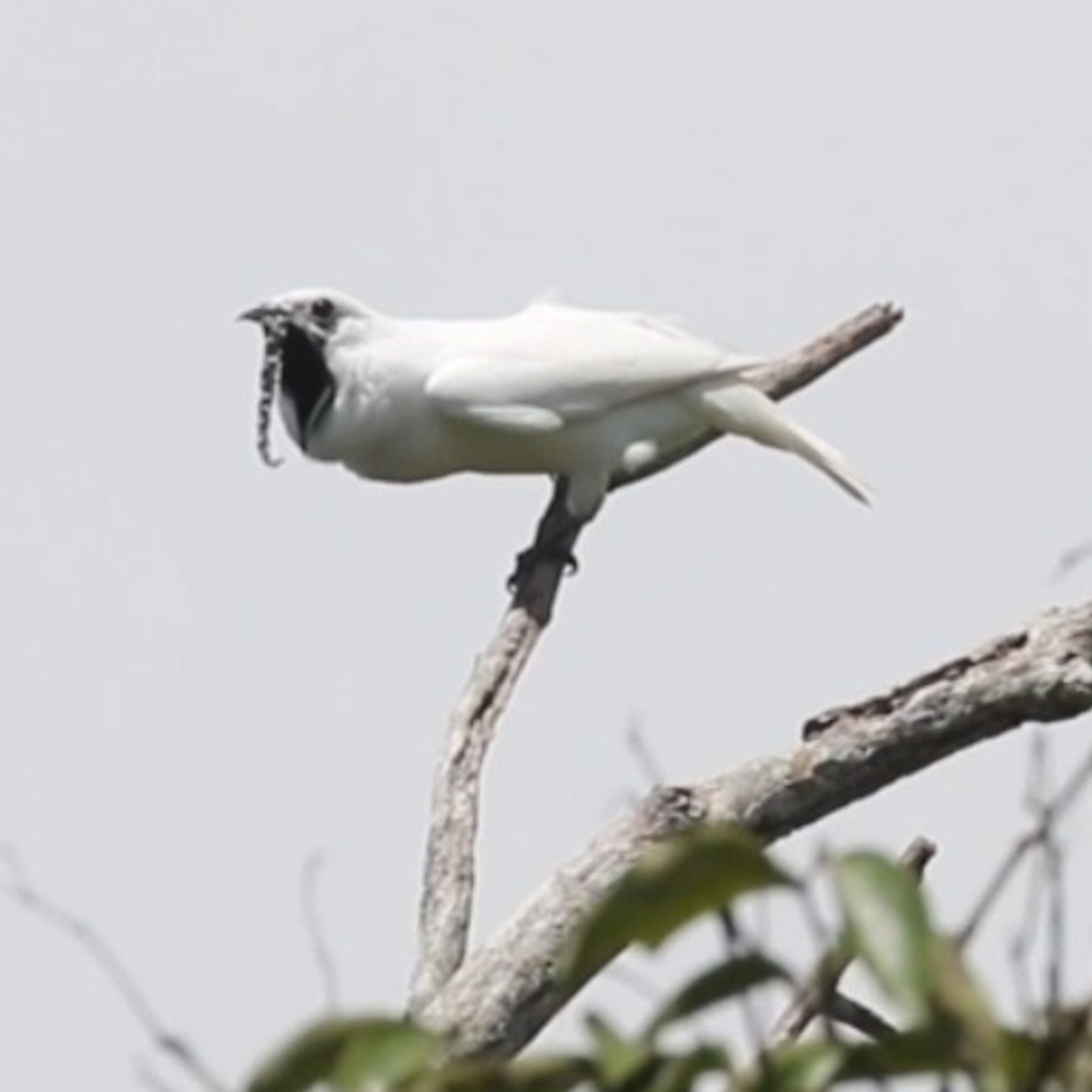
The loudest bird is the white bellbird, known for its piercing calls. Its cries can reach up to 125 decibels.
The white bellbird, native to the Amazon rainforest, holds the record for the loudest bird calls. This small bird uses its powerful voice to attract mates and establish territory. Its calls are not just loud but also distinct, making it easily identifiable.
Researchers have measured its calls to be louder than a chainsaw. The white bellbird’s unique vocal abilities have fascinated ornithologists and bird enthusiasts alike. Its remarkable sound can be heard from miles away, demonstrating the incredible adaptations of wildlife in the Amazon. This bird’s vocal prowess is a testament to the diverse and extraordinary nature of avian species.
Introduction To Noisy Birds
Birds are known for their beautiful songs. But some birds have incredibly loud calls. These calls can be heard from great distances. This makes them fascinating creatures to study.
Noisy birds have unique ways of communicating. Some use loud calls to attract mates. Others use them to defend their territory. The sound can travel far and wide. This helps them stay in touch with their flock.
Fascination With Bird Calls
Many people are fascinated by bird calls. Bird watchers often listen for these sounds. Each bird species has its unique call. Some calls are musical, while others are harsh.
Listening to bird calls can be a fun hobby. It helps people learn more about nature. Identifying birds by their calls is a skill. It takes time to master but is very rewarding.
Why Some Birds Are Louder
Not all birds are equally loud. Some birds have special anatomy. This helps them produce louder sounds. Birds with larger bodies often have louder calls. Their powerful lungs and syrinxes help them create strong sounds.
Birds use loud calls for several reasons. One key reason is to attract mates. Males often sing loudly to impress females. Another reason is to mark their territory. Loud calls warn other birds to stay away.
| Bird Species | Call Volume (dB) | Reason for Loud Call |
|---|---|---|
| White Bellbird | 125 | Attract mates |
| Howler Monkey | 90 | Mark territory |
| Common Potoo | 80 | Communicate at night |
Top Loudest Birds
Birds are known for their beautiful songs. Some birds, though, are known for their loud calls. These birds can be heard from far away. Let’s explore the top loudest birds in the world. These birds stand out because of their powerful voices.
The Bellbird
The Bellbird is famous for its loud call. It gets its name because its call sounds like a bell. This bird’s call can reach 125 decibels. That’s as loud as a rock concert! The Bellbird lives in Central and South America. Males use their loud calls to attract females.
Below is a table with some quick facts about the Bellbird:
| Feature | Detail |
|---|---|
| Loudness | 125 dB |
| Habitat | Central and South America |
| Unique Fact | Call sounds like a bell |
The Screaming Piha
The Screaming Piha is another loud bird. Its call is piercing and can be heard miles away. The Screaming Piha’s call reaches 116 decibels. This bird is found in the Amazon rainforest. Its call is often described as one of the loudest sounds in the jungle.
Here are some key details about the Screaming Piha:
- Loudness: 116 dB
- Habitat: Amazon Rainforest
- Unique Fact: Call is a sharp whistle
The Bellbird: Nature’s Trumpet
The Bellbird is known for its loud, trumpet-like call. This unique bird can be heard from miles away. Its call is one of the loudest sounds in the bird world. Let’s explore more about this fascinating bird.
Habitat And Range
The Bellbird lives in the tropical forests of Central and South America. They thrive in areas with dense foliage and abundant fruit. These birds prefer elevations between 600 and 1,800 meters. They are most commonly found in countries like Costa Rica, Colombia, and Venezuela.
| Country | Common Regions |
|---|---|
| Costa Rica | Monteverde, Arenal |
| Colombia | Sierra Nevada, Andean forests |
| Venezuela | Amazon Rainforest, Coastal Range |
Unique Vocal Characteristics
The Bellbird’s call is like a trumpet blast. It can reach up to 125 decibels. This is as loud as a rock concert. Their call serves various purposes. It helps attract mates and establish territory.
Male Bellbirds have specialized vocal cords. These cords allow them to produce their powerful calls. The calls are often a series of sharp, metallic notes. The sound can travel through thick forest canopies.
- Call reaches 125 decibels
- Used to attract mates
- Helps establish territory
Bellbirds also have a unique physical trait. They possess a wattle, a fleshy growth hanging from their beak. This wattle vibrates when they call, amplifying the sound even more.

Credit: www.audubon.org
The Screaming Piha: The Amazon’s Alarm
The Amazon rainforest is home to many unique creatures. Among them stands the Screaming Piha. This bird is famous for its extremely loud call. Known as the “Amazon’s Alarm,” its sound can reach 116 decibels. The Screaming Piha is a marvel of nature.
Where To Find The Screaming Piha
The Screaming Piha lives in the dense forests of the Amazon. It is most common in Brazil, Peru, and Colombia. You can hear its call from far away. It prefers humid, tropical areas filled with trees. This bird loves the canopy, where it can hide and sing.
Sound Profile
The Screaming Piha has a unique and powerful call. Its song consists of a high-pitched whistle. The sound is loud enough to scare away predators. It is often repeated, echoing through the forest. Some say it sounds like a car alarm. Below is a table that describes its sound profile:
| Characteristic | Description |
|---|---|
| Volume | Up to 116 decibels |
| Pitch | High-pitched whistle |
| Repetition | Often repeated |
| Effect | Echoes through the forest |
Many people find the Screaming Piha’s call both amazing and annoying. Birdwatchers visit the Amazon just to hear it. Its loud call is a symbol of the rainforest’s wild beauty.
How Bird Calls Are Measured
Birds use calls for communication. These calls can be very loud. Scientists measure these sounds to understand birds better. But how do they measure bird calls? Let’s dive into the science behind it.
Decibels Explained
Sound is measured in decibels (dB). A whisper is around 30 dB. Normal conversation is about 60 dB. Bird calls can be much louder. The loudest bird, the White Bellbird, can reach 125 dB. That’s as loud as a rock concert!
| Sound Source | Decibels (dB) |
|---|---|
| Whisper | 30 dB |
| Normal Conversation | 60 dB |
| White Bellbird | 125 dB |
Tools For Measuring Bird Calls
Scientists use special tools to measure bird calls. The main tool is a sound level meter. This device captures sound and shows its decibel level. Another tool is a microphone. It records bird calls for further study.
- Sound Level Meter: Measures the loudness of bird calls.
- Microphone: Records the sounds for analysis.
These tools help scientists learn about bird communication. They can study which birds have the loudest calls. They also understand why birds use loud calls.
Credit: www.bbc.com
Why Birds Evolve Loud Calls
Birds have evolved loud calls for many important reasons. These calls play crucial roles in their lives. Let’s explore why birds use loud calls.
Communication And Mating
Birds use loud calls to communicate with each other. These calls help them share information quickly. For example, birds may warn others about dangers.
During the mating season, loud calls become very important. Male birds often sing loudly to attract females. They use these calls to show their strength and health.
Here are some ways birds use loud calls for communication and mating:
- Attracting mates with beautiful songs
- Warning about predators
- Maintaining contact with flock members
Survival And Territory
Loud calls also help birds survive and defend their territory. Birds use calls to mark their area and keep rivals away.
These calls can be heard from far away. This helps other birds know the territory is already taken.
Let’s look at some functions of loud calls in survival and territory:
| Function | Description |
|---|---|
| Defending Territory | Birds use calls to warn others to stay away. |
| Finding Food | Birds call out to share food locations. |
| Avoiding Predators | Loud calls alert others about nearby dangers. |
Human Impact On Bird Vocalization
Birds use their songs to communicate. Human activities can interfere with this. Noise pollution and habitat loss are the main culprits. These issues impact the loudest bird and many others.
Noise Pollution
Birds sing to attract mates and mark their territory. Noise pollution from cars, planes, and factories drowns out their songs. Birds have to sing louder and longer to be heard. This uses more energy and can stress the birds.
Some birds change their songs in noisy areas. They might sing at different times of the day. They might also use different frequencies. This can confuse other birds and affect their communication.
Habitat Loss
Habitat loss is another big issue. Birds need trees, bushes, and water to live. Cutting down forests and building cities take away these homes. Birds have to find new places to live and sing.
When birds lose their homes, they might not find good places to sing. This can make it hard for them to attract mates. It can also make it hard to keep their territory safe from other birds.
| Impact | Effect on Birds |
|---|---|
| Noise Pollution | Birds sing louder, change songs, use more energy |
| Habitat Loss | Birds lose homes, harder to attract mates, territory issues |
Conservation Efforts
Preserving the loudest bird species is vital. These birds face many threats. Conservation efforts help protect them and their habitats. Let’s explore how we can help these incredible birds.
Protecting Loud Bird Species
Many loud bird species are endangered. They need our help to survive. Conservation groups work hard to protect these birds. They create laws to prevent hunting and habitat destruction.
Here are some ways to protect loud bird species:
- Enforcing anti-poaching laws.
- Creating bird sanctuaries.
- Funding research on bird health.
- Educating the public about bird conservation.
Supporting Bird Habitats
Loud bird species need healthy habitats. Forests, wetlands, and grasslands are crucial. Conservation efforts focus on preserving these areas. This ensures birds have places to live and breed.
Here are some ways to support bird habitats:
- Planting native trees and plants.
- Protecting existing natural areas.
- Restoring damaged ecosystems.
- Reducing pollution in natural habitats.
| Action | Description |
|---|---|
| Enforcing anti-poaching laws | Prevent illegal hunting of birds |
| Creating bird sanctuaries | Safe places for birds to live |
| Funding research | Study bird health and behavior |
| Educating the public | Raise awareness about bird conservation |

Credit: m.youtube.com
Frequently Asked Questions
What Is The 2 Loudest Bird In The World?
The White Bellbird and the Screaming Piha are the two loudest birds in the world. Their calls can reach up to 125 decibels.
Which Is The Loud Birds In The World?
The loudest bird in the world is the white bellbird. Its call can reach up to 125 decibels.
What Kind Of Bird Sounds Like A Drill?
The Northern Flicker is a bird that sounds like a drill. Its rapid drumming resembles a mechanical drilling noise.
What Is The Loudest Bird In The Amazon?
The loudest bird in the Amazon is the white bellbird. Its call reaches up to 125 decibels, louder than a chainsaw.
Conclusion
Discovering the loudest bird reveals the fascinating diversity of avian species. The white bellbird takes the crown with its piercing calls. Bird enthusiasts and researchers are captivated by its unique vocal prowess. Understanding these birds enhances our appreciation for nature’s wonders.
Stay tuned for more intriguing wildlife insights.