
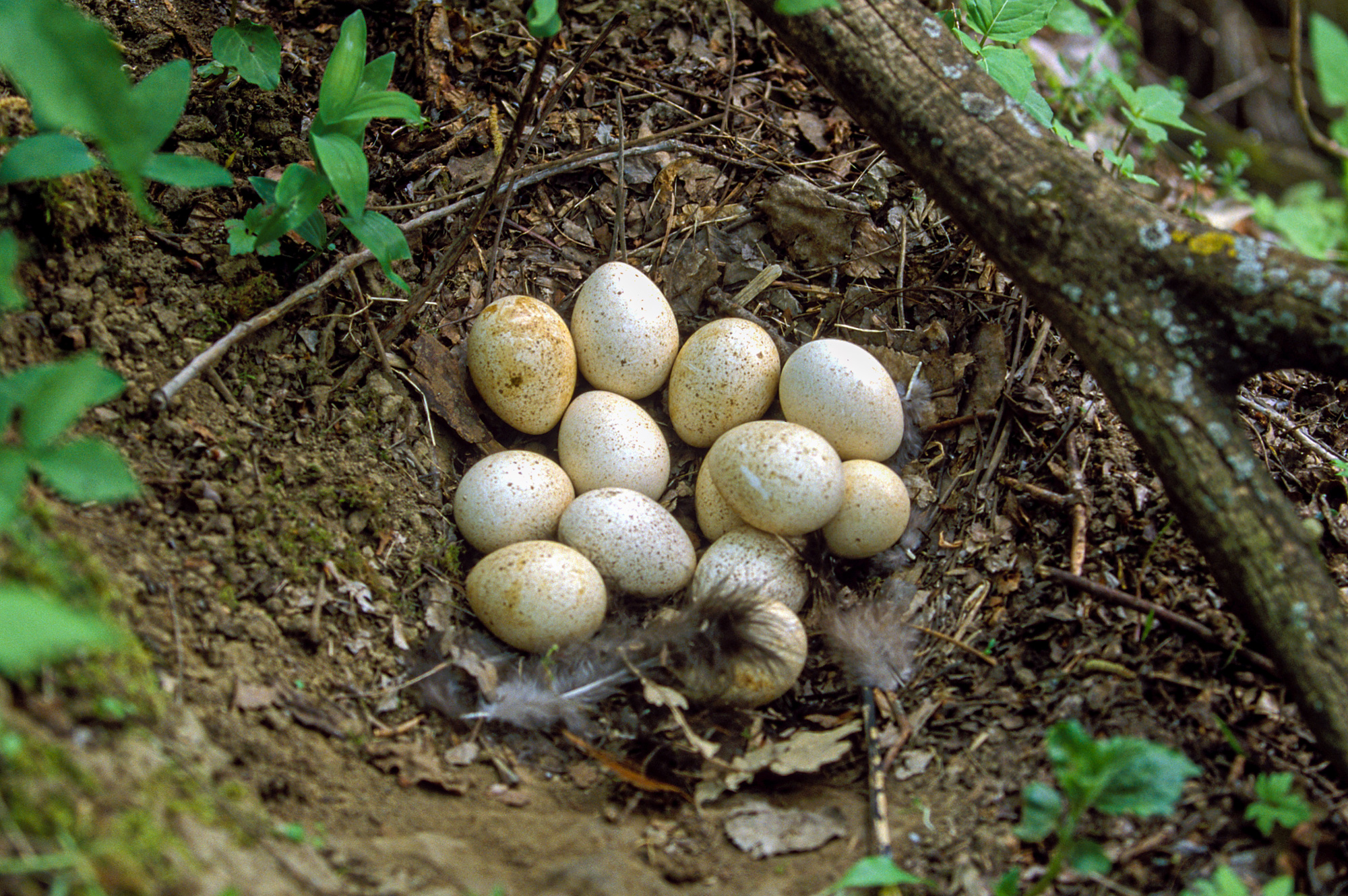
Turkeys nest on the ground, often in dense vegetation. They choose secluded spots for safety from predators.
Turkeys are ground-nesting birds that carefully select their nesting sites. They prefer areas with dense vegetation, which offers camouflage and protection. These birds typically choose secluded spots, away from human activity and potential threats. Female turkeys, or hens, create shallow depressions in the soil, lining them with leaves and grass.
This nesting strategy helps conceal the eggs from predators. Turkeys are known to be quite secretive about their nesting locations, often choosing areas near water sources or under thick shrubs. Understanding their nesting habits is crucial for conservation efforts and maintaining healthy turkey populations.
Introduction To Turkey Nesting
Turkeys are fascinating birds with unique nesting habits. Understanding where they nest is important for their conservation. This section delves into the importance of nesting sites and provides a brief overview of different turkey species.
Importance Of Nesting Sites
Nesting sites are crucial for turkey survival. Female turkeys choose safe locations to lay eggs. These sites provide protection from predators and harsh weather. The right nesting spot ensures the eggs remain safe until they hatch.
- Protection from predators
- Safe environment for eggs
- Temperature regulation
Turkeys often nest in wooded areas. They prefer thick vegetation for cover. This helps them stay hidden from predators.
Brief Overview Of Turkey Species
There are several species of turkeys. The most common are the Wild Turkey and the Domestic Turkey. Each has distinct nesting habits.
| Species | Nesting Habits |
|---|---|
| Wild Turkey | Nests on the ground, under dense cover |
| Domestic Turkey | Nests in man-made structures or open fields |
Wild Turkeys are native to North America. They nest in forests and meadows. Domestic turkeys are bred for meat and eggs. They often nest in barns or coops.
Credit: www.nwtf.org
Natural Habitats
Turkeys are fascinating creatures that thrive in a variety of natural habitats. Understanding where these birds nest can provide insights into their behavior and survival strategies. Let’s explore some of the key environments where turkeys establish their nests.
Forests And Woodlands
Turkeys often nest in forests and woodlands. These areas offer plenty of cover and food. Forests provide the dense vegetation needed for hiding nests from predators. Trees and shrubs create a safe environment for turkey hens and their eggs.
In forests, turkeys build their nests on the ground. They prefer spots with good ground cover. This can include fallen leaves, brush, and low-lying plants. These materials help to keep the nest hidden and protected.
| Forest Type | Nesting Features |
|---|---|
| Deciduous Forests | Ample leaf litter and understory |
| Coniferous Forests | Thick needle cover and dense foliage |
Grasslands And Prairies
Turkeys also nest in grasslands and prairies. These open areas provide a different set of benefits. The tall grasses offer concealment and nesting material. Turkeys can find plenty of insects and seeds here.
In grasslands, turkeys choose nesting sites with tall grass. This helps camouflage the nest. They also look for areas with a mix of grass and small shrubs. This provides extra cover and a variety of food sources.
- Tall grass offers good concealment
- Mixed vegetation provides food and shelter
- Open spaces allow easy movement
Both forests and grasslands are crucial for turkey nesting. These environments offer the resources needed for raising young turkeys. Understanding their habitats can help in conserving these amazing birds.
Preferred Nesting Locations
Turkeys are fascinating creatures with unique nesting habits. Understanding their preferred nesting locations helps in spotting them in the wild. They typically choose safe and secluded spots.
Ground Nests
Most turkeys prefer to nest on the ground. They look for areas with dense vegetation. This provides them with both cover and protection.
Ground nests are often found in:
- Thick bushes
- Tall grasses
- Under fallen trees
These spots keep them hidden from predators. The female turkey, or hen, scrapes a shallow depression in the ground. She lines this with leaves and grass for comfort.
Tree Nests
Though rare, some turkeys choose to nest in trees. Tree nests offer additional safety from ground predators.
Tree nests are typically found in:
- Low branches
- Forks of trees
- Old bird nests
Tree nesting is less common but provides an excellent vantage point. It is a smart choice in areas with many ground predators.
Seasonal Nesting Patterns
Understanding where turkeys nest throughout the year can be fascinating. Their nesting habits change with the seasons, adapting to environmental conditions. Let’s explore their seasonal nesting patterns.
Spring And Summer
In spring, turkeys seek out dense vegetation for nesting. They prefer areas with tall grass and shrubs. This provides camouflage and protection from predators.
During summer, hens lay eggs in these well-hidden spots. They usually nest on the ground. The nests are often shallow depressions lined with leaves and feathers.
| Season | Nesting Preference |
|---|---|
| Spring | Dense vegetation, tall grass, shrubs |
| Summer | Ground nests, shallow depressions |
Fall And Winter
During fall, turkeys’ nesting behavior changes. They focus more on roosting than nesting. They seek out trees and woodlands for roosting at night.
In winter, they continue to roost in trees. They prefer coniferous forests for better shelter. Snow and cold weather make ground nesting impractical.
- Fall: Roost in trees, woodlands
- Winter: Roost in coniferous forests
Camouflage And Nest Protection
When turkeys nest, they need to protect their eggs and young. Camouflage and nest protection are vital for their survival. Let’s explore how turkeys use natural cover and predator avoidance to safeguard their nests.
Natural Cover
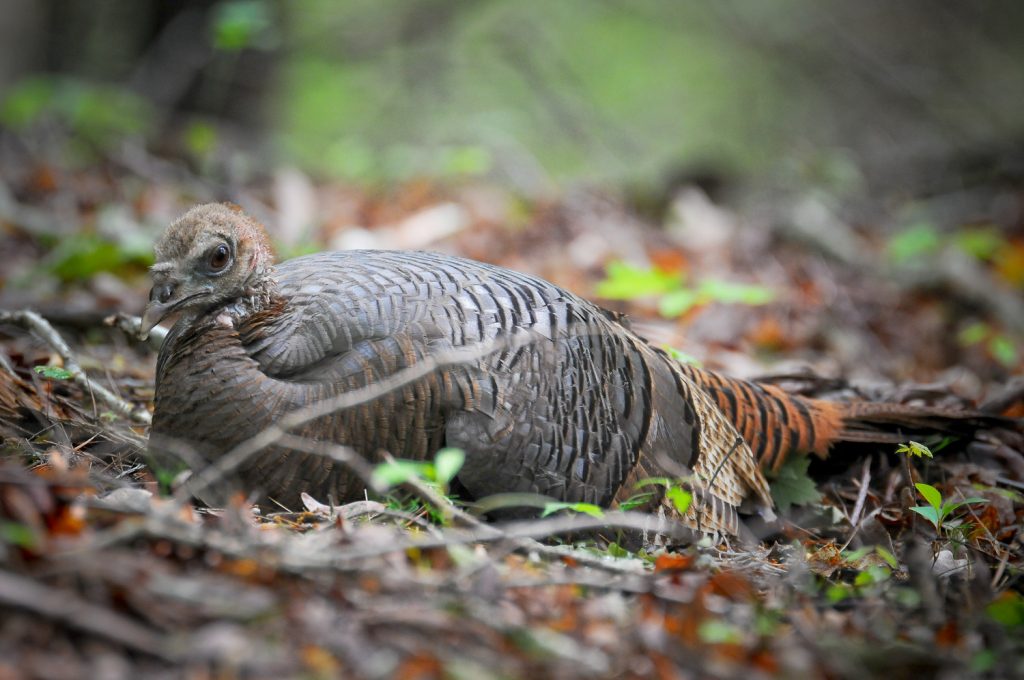
Turkeys choose nesting spots with lots of natural cover. They look for areas with dense vegetation, such as bushes and tall grass. This helps hide the nest from predators.
The nest is usually on the ground, well hidden under leaves and branches. Turkeys may also use fallen trees or rocks for extra cover. The goal is to keep the nest out of sight.
| Natural Cover Elements | Benefits |
|---|---|
| Dense Vegetation | Hides nest from predators |
| Fallen Trees | Provides additional shelter |
| Tall Grass | Blends nest with surroundings |
Predator Avoidance
Turkeys are always on the lookout for predators. They choose nesting spots far from human activity and predator trails. This reduces the chance of discovery.
Turkeys also use their keen senses to detect danger. They listen for sounds and watch for movement. If a predator approaches, the turkey may leave the nest to distract it.
- Choose remote nesting spots
- Stay alert to surroundings
- Use distraction tactics
Both natural cover and predator avoidance are crucial. They help turkeys ensure the safety of their nests and young.
Credit: www.nwtf.org
Human Impact On Turkey Nesting
Human activities significantly affect turkey nesting patterns. Changes in their habitats cause these impacts. Below are some of the main ways humans influence turkey nesting:
Urbanization Effects
Urbanization reduces natural habitats for wild turkeys. Forests and fields turn into cities and suburbs. This forces turkeys to nest in smaller, fragmented areas. These areas often lack the cover and food turkeys need.
Noise pollution also disrupts turkey nesting. Turkeys need quiet areas to lay eggs and raise young. Loud urban environments make these tasks difficult. Predators are more common near urban areas, increasing threats to turkey nests.
Conservation Efforts
Efforts to conserve turkey habitats help counteract urbanization impacts. Protected areas provide safe nesting sites. These areas often have the needed food and cover for turkeys.
Conservation programs also focus on restoring forests and fields. Restored habitats support turkey populations. Public awareness campaigns educate people about protecting turkey nests. These campaigns encourage actions like planting native plants and reducing noise pollution.
Organizations work with landowners to create turkey-friendly environments. These initiatives include controlled burns and selective logging. These practices maintain healthy ecosystems for turkeys and other wildlife.
| Human Impact | Effects on Turkey Nesting |
|---|---|
| Urbanization | Reduces habitats, increases noise, attracts predators |
| Conservation Efforts | Protects and restores habitats, raises public awareness |
- Urbanization: Reduces natural habitats, increases noise and predator presence.
- Conservation: Protects habitats, restores ecosystems, educates the public.
Nesting Challenges
Turkeys face many nesting challenges in the wild. These challenges make it hard for them to find safe places to lay eggs. Let’s look at some of these challenges in more detail.
Environmental Threats
Turkeys encounter many environmental threats while nesting. These threats include weather changes, predators, and human activities. Sudden rainstorms can destroy nests. Predators like foxes and raccoons hunt turkey eggs. Human activities, such as farming, also disturb turkey nests.
| Environmental Threat | Impact on Turkeys |
|---|---|
| Weather Changes | Destroy nests, make it cold for eggs |
| Predators | Eat eggs, scare away mother turkeys |
| Human Activities | Disturb nesting areas, reduce habitat |
Competition For Resources
Turkeys also face competition for resources. Other animals compete for the same nesting spots. This includes birds, mammals, and even insects. They all look for safe places to live and lay eggs.
- Birds: Compete for trees and bushes
- Mammals: Look for ground nests
- Insects: Use similar nesting materials
Due to this competition, turkeys must search harder to find the perfect nest. They need spots that are safe and hidden. Turkeys often choose thick bushes or tall grass for nesting. These places offer protection from predators and bad weather.
Observing Turkey Nests
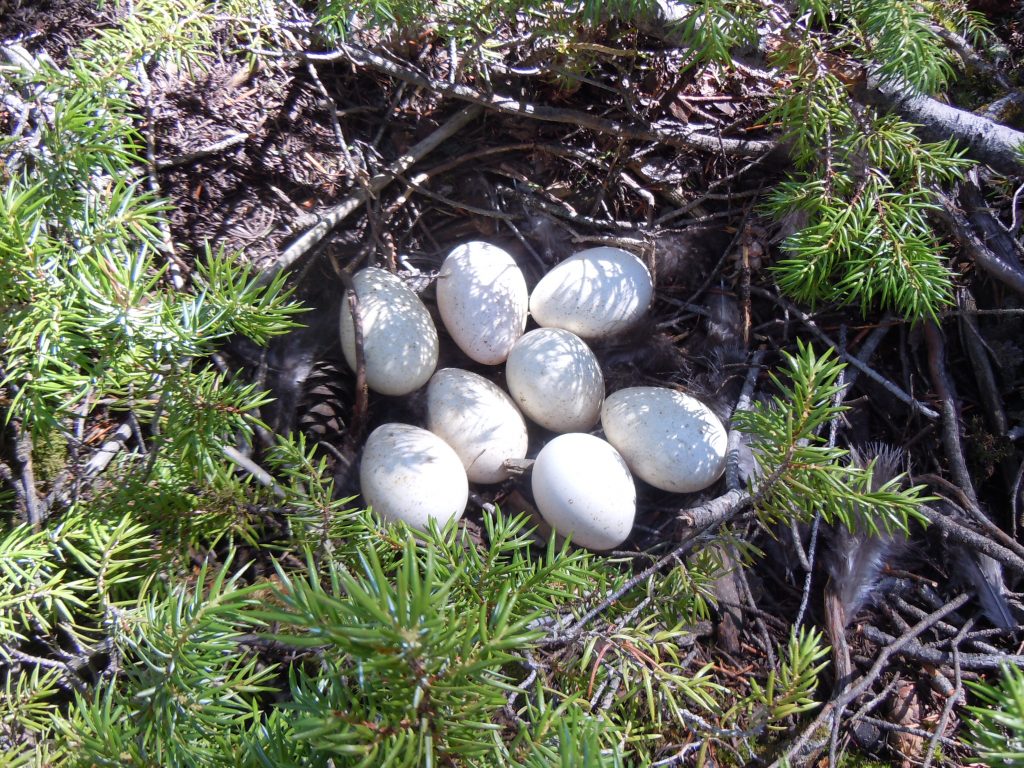
Observing turkey nests can be an exciting activity for nature enthusiasts. Turkeys usually nest on the ground in hidden spots. Their nests are often well-camouflaged. Spotting a turkey nest requires patience and a keen eye. Here are some tips to help you observe turkey nests effectively.
Tips For Birdwatchers
- Early Morning Excursions: Turkeys are most active in the early morning. This is the best time to spot them.
- Use Binoculars: A good pair of binoculars helps you observe from a distance. This avoids disturbing the birds.
- Stay Quiet: Move slowly and quietly. Sudden noises can scare turkeys away.
- Look for Signs: Look for feathers or droppings. These can indicate a nearby nest.
Ethical Considerations
Respect for wildlife is crucial when observing turkey nests. Here are some ethical considerations to keep in mind:
- Maintain Distance: Always keep a safe distance from the nest. This prevents stressing the birds.
- Avoid Touching: Never touch the eggs or the nest. Human scent can attract predators.
- Minimize Disturbance: Limit your visits to the nesting area. Frequent visits can cause the birds to abandon the nest.
Following these guidelines ensures a safe and enjoyable birdwatching experience. Happy observing!
Credit: www.nwtf.org
Frequently Asked Questions
What Time Of Year Do Turkeys Lay Eggs?
Turkeys lay eggs in the spring. Egg-laying season typically starts in March and can last until June.
Do Wild Turkeys Sit On Their Eggs At Night?
Yes, wild turkeys sit on their eggs at night. The mother turkey, or hen, incubates the eggs to keep them warm.
Do Wild Turkeys Nest In Trees Or On The Ground?
Wild turkeys nest on the ground, not in trees. They choose concealed spots with dense vegetation for protection.
Where Do Wild Turkeys Sleep At Night?
Wild turkeys sleep in trees at night. They roost on branches to stay safe from predators.
Conclusion
Understanding where turkeys nest helps in preserving their habitats. They typically choose secluded, ground-level spots. By protecting these areas, we support turkey populations. Knowledge about their nesting habits ensures better conservation efforts. Stay informed and contribute to wildlife preservation. Your actions can make a significant difference in maintaining healthy turkey populations.