

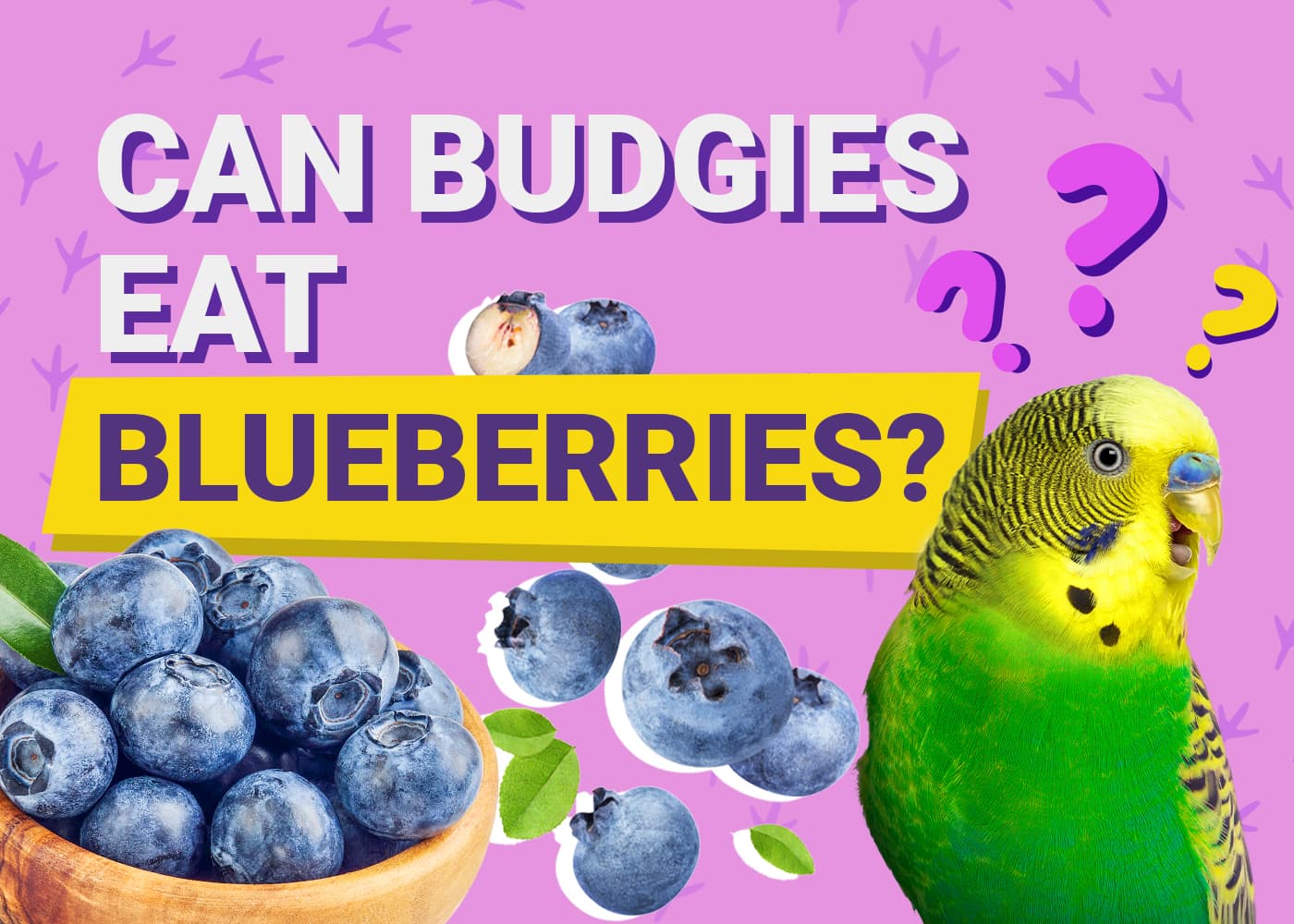
Yes, parakeets can eat blueberries. Blueberries are safe and nutritious for parakeets in moderation.
Blueberries offer a healthy treat for parakeets, packed with antioxidants and vitamins. These small fruits provide essential nutrients, including vitamins C and K, and fiber. Offering blueberries to your parakeet can contribute to their overall health and well-being. It’s important to wash the berries thoroughly and serve them in small pieces to prevent choking.
While blueberries are beneficial, they should only complement a balanced diet of seeds, pellets, and other fruits and vegetables. Overfeeding any single type of food can lead to nutritional imbalances. Always monitor your parakeet’s reaction to new foods and consult a vet for dietary recommendations.
Credit: www.bugbog.com
Introduction To Parakeet Diet
Parakeets are small, colorful birds that enjoy a varied diet. Providing a balanced diet helps them stay healthy and active. Knowing what foods are safe and nutritious is essential for their well-being.
Common Foods
Parakeets eat a mix of seeds, fruits, and vegetables. Here are some common foods:
- Seeds and grains
- Leafy greens
- Fruits like apples and grapes
- Vegetables like carrots and broccoli
Seeds are the main part of their diet. Fruits and vegetables add variety and nutrients.
Nutritional Needs
Parakeets need a balanced diet to stay healthy. They require:
- Proteins for muscle growth
- Carbohydrates for energy
- Fats for healthy feathers
- Vitamins and minerals for overall health
Providing a mix of these nutrients ensures your parakeet thrives. Here is a simple table showing some essential nutrients and their sources:
| Nutrient | Source |
|---|---|
| Protein | Seeds, eggs |
| Carbohydrates | Grains, fruits |
| Fats | Nuts, seeds |
| Vitamins | Fruits, vegetables |
| Minerals | Leafy greens, cuttlebone |
Fruits like blueberries are also safe and beneficial. They provide vitamins and antioxidants. Always ensure the food is fresh and clean.
Are Blueberries Safe?
Many parakeet owners wonder: Are blueberries safe for parakeets? The answer is yes! Blueberries are safe and healthy for these feathered friends. This delicious fruit can be a great addition to their diet.
Nutritional Benefits
Blueberries are packed with essential nutrients that can benefit your parakeet. Here’s a quick look at the key nutritional benefits:
- Vitamins: Blueberries are rich in Vitamins C and K. These vitamins boost the immune system and help with blood clotting.
- Antioxidants: Blueberries contain antioxidants that protect cells from damage. This can keep your parakeet healthy.
- Fiber: The fiber content in blueberries aids digestion. It helps keep your parakeet’s digestive system in good shape.
Potential Risks
Though blueberries are generally safe, there are some potential risks to consider:
- Overfeeding: Too many blueberries can lead to digestive issues. Offer blueberries in moderation.
- Pesticides: Ensure blueberries are washed thoroughly. This removes harmful pesticides.
- Choking Hazard: Cut blueberries into small pieces. This makes them easier for your parakeet to eat.
By understanding these nutritional benefits and potential risks, you can safely include blueberries in your parakeet’s diet. Always provide a balanced diet to ensure your pet remains healthy and happy.
Health Benefits Of Blueberries
Can parakeets eat blueberries? Yes, they can! Blueberries are not only tasty but also very healthy for your feathered friend. These tiny fruits are packed with nutrients that can boost your parakeet’s overall health. Let’s dive into the specific health benefits of blueberries.
Vitamins And Minerals
Blueberries are rich in essential vitamins and minerals. They contain vitamins A, C, and K. These vitamins are crucial for your parakeet’s health.
- Vitamin A: Supports vision and immune function.
- Vitamin C: Helps in tissue repair and boosts the immune system.
- Vitamin K: Aids in blood clotting and bone health.
In addition, blueberries provide minerals like calcium and potassium. Calcium strengthens bones, while potassium helps in muscle function.
Antioxidant Properties
Blueberries are known for their strong antioxidant properties. They contain high levels of antioxidants such as flavonoids and anthocyanins.
- Flavonoids: Protect cells from damage and reduce inflammation.
- Anthocyanins: Improve heart health and boost the immune system.
Antioxidants help neutralize harmful free radicals in your parakeet’s body. This can reduce the risk of chronic diseases.
Incorporating blueberries into your parakeet’s diet can be very beneficial. Just ensure you feed them in moderation to avoid any digestive issues.
Feeding Blueberries To Parakeets
Parakeets enjoy a variety of fruits, and blueberries are no exception. These tiny, juicy berries can be a delightful treat for your feathered friend. Blueberries are rich in vitamins and antioxidants, which are beneficial for your parakeet’s health. But how much should you feed them? And how often? Let’s explore these questions in detail.
Proper Serving Size
It’s important to serve blueberries in moderation. Too many can upset your parakeet’s stomach. A good rule of thumb is to offer a couple of blueberries at a time.
- Wash the blueberries thoroughly.
- Cut them into smaller pieces if they are too large.
- Remove any seeds, as they can be harmful.
Offering small portions ensures that your parakeet gets the benefits without any digestive issues.
Frequency Of Feeding
Feeding blueberries to your parakeet should be occasional. They should not replace the main diet. Blueberries are best given as a treat.
- Feed blueberries once or twice a week.
- Monitor your parakeet’s reaction to the fruit.
- Adjust the frequency based on their health and preferences.
This balanced approach ensures your parakeet enjoys the fruit while staying healthy.
| Aspect | Recommendation |
|---|---|
| Serving Size | 2-3 blueberries at a time |
| Frequency | Once or twice a week |
By following these guidelines, you can safely add blueberries to your parakeet’s diet.
Preparing Blueberries For Parakeets
Blueberries are a delicious and nutritious treat for parakeets. They are rich in antioxidants and vitamins. Before feeding blueberries to your parakeet, proper preparation is essential. This ensures the berries are safe and healthy for your feathered friend.
Washing And Cleaning
Always start by washing the blueberries. Use cold water to rinse them thoroughly. This removes any pesticides and dirt. Gently rub the berries while rinsing to ensure all surfaces are clean. You can also use a vegetable wash solution for extra cleanliness. After washing, place the blueberries on a clean paper towel to dry.
Serving Methods
There are several ways to serve blueberries to your parakeet. Here are some options:
- Whole Blueberries: Offer whole berries as a fun treat.
- Halved Blueberries: Cut the berries in half for easier eating.
- Mixed with Seeds: Mix blueberries with the bird’s regular seed mix.
- Blueberry Mash: Mash the blueberries and mix with other fruits.
Introducing new foods slowly is important. Start with a small amount and observe your parakeet. Ensure they enjoy and digest the blueberries well.
Blueberries can also be frozen for later use. Simply wash, dry, and store them in an airtight container in the freezer. Thaw the berries before serving them to your parakeet.
:strip_icc()/safe-fruits-for-birds-390622_Final-5bbd0d6ec9e77c0051dd8f07.png)
Credit: www.thesprucepets.com
Observing Your Parakeet
Watching your parakeet eat blueberries can be exciting. It’s important to know what signs to look for to ensure they enjoy this treat. Observing your parakeet’s behavior and health will help you determine if blueberries are a good addition to their diet.
Signs Of Enjoyment
Your parakeet may show several signs of enjoyment while eating blueberries. Look for the following behaviors:
- Excited chirping: Your parakeet may chirp happily while eating.
- Active pecking: They might peck at the blueberries with enthusiasm.
- Bright eyes: Their eyes may look more vibrant and alert.
- Feather fluffing: They might fluff their feathers in contentment.
Monitoring Health
It’s crucial to monitor your parakeet’s health after introducing blueberries. Keep an eye on these health indicators:
| Health Indicator | What to Look For |
|---|---|
| Droppings | Check for normal consistency and color. |
| Energy Levels | Ensure they remain active and playful. |
| Appetite | Observe if they continue to eat their regular food. |
| Feather Condition | Look for shiny and smooth feathers. |
If you notice any negative changes in your parakeet’s health, stop feeding them blueberries. Consult with a vet if necessary. Consistent observation ensures your parakeet stays happy and healthy while enjoying their treats.
Alternatives To Blueberries
While blueberries are a nutritious treat for parakeets, it’s important to provide a variety of fruits. This ensures they receive a balanced diet and enjoy different flavors.
Other Safe Fruits
Parakeets can eat a range of safe fruits. Here are some excellent alternatives:
- Apples (remove seeds)
- Bananas
- Oranges (in moderation)
- Grapes
- Mango
- Peaches (remove pit)
These fruits provide essential vitamins and minerals. Always ensure they are fresh and clean before feeding.
Variety In Diet
Offering a variety of foods keeps your parakeet happy and healthy. A diverse diet prevents nutritional deficiencies.
Here’s a sample weekly diet plan:
| Day | Fruits | Other Foods |
|---|---|---|
| Monday | Apples, Grapes | Seeds, Vegetables |
| Tuesday | Bananas, Mango | Pellets, Greens |
| Wednesday | Oranges, Peaches | Seeds, Carrots |
| Thursday | Apples, Bananas | Pellets, Spinach |
| Friday | Grapes, Mango | Seeds, Broccoli |
| Saturday | Peaches, Oranges | Pellets, Kale |
| Sunday | Apples, Grapes | Seeds, Mixed Veggies |
Ensure your parakeet’s diet includes both fruits and vegetables. This variety boosts their overall well-being.
Consulting A Veterinarian
Parakeets are delightful pets, and their health is essential. Introducing new foods, like blueberries, to your parakeet’s diet requires careful thought. Consulting a veterinarian ensures you make the right decisions for your feathered friend.
When To Seek Advice
Seek advice from a veterinarian if you are unsure about feeding blueberries. If your parakeet shows unusual behavior or digestive issues, consult a professional. Regular check-ups can also help monitor your pet’s diet and health.
Professional Recommendations
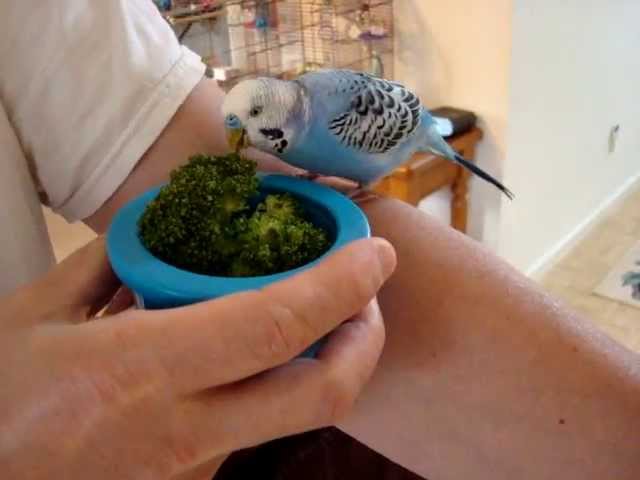
Veterinarians offer professional recommendations tailored to your parakeet’s needs. They can advise on portion sizes, frequency, and potential allergies. A vet can also provide a balanced diet plan that includes safe fruits like blueberries.
Credit: www.youtube.com
Frequently Asked Questions
What Fruits Can Parakeets Not Eat?
Parakeets should not eat avocado, rhubarb, fruit seeds, or pits. These can be toxic and harmful to their health.
What Fruit Can Budgies Eat?
Budgies can eat apples, bananas, grapes, oranges, berries, melons, and pears. Always remove seeds and wash fruits thoroughly.
Are Blueberries Good For Birds?
Yes, blueberries are good for birds. They provide essential vitamins, antioxidants, and fiber. Birds enjoy the sweet taste.
Can Parakeets Eat Blackberry?
Yes, parakeets can eat blackberries. They are safe and nutritious, providing vitamins and antioxidants. Offer them in moderation.
Conclusion
Parakeets can safely enjoy blueberries in moderation. These berries provide essential vitamins and antioxidants. Always wash them thoroughly before feeding. Monitor your parakeet for any adverse reactions. Including blueberries can diversify their diet and promote health. Remember to balance their diet with other nutritious foods for optimal wellbeing.