
Yes, cardinals often stay in the same area year-round. They rarely migrate and tend to remain within their established territories.
Cardinals are known for their vibrant red plumage and melodic songs. These birds usually stay within the same region throughout the year, making them a familiar sight for bird watchers. They are non-migratory, which means they do not travel long distances with the change of seasons.
Instead, they establish territories and remain there, benefiting from consistent food sources and shelter. This territorial behavior helps cardinals maintain stable populations. Observing these beautiful birds can be a rewarding experience, especially since they can be seen in the same area throughout the year. Their presence adds a splash of color and song to any locale.

Credit: www.berrypatchfarms.net
Cardinal Habitat
The vibrant red cardinal is a beloved sight in many backyards. Their choice of habitat plays a key role in their behavior and presence. Understanding where cardinals thrive helps in attracting them to your garden. Let’s dive into their preferred environments and geographical distribution.
Preferred Environments
Cardinals love areas with dense foliage. They seek out thick shrubs and trees for nesting. These birds often visit gardens with plenty of cover. Cardinals also enjoy areas with a mix of open spaces and dense cover. They often stay close to the ground, around 1-15 feet high.
They prefer habitats that offer food and safety. Bird feeders with sunflower seeds attract them. Cardinals also like areas with water sources. A birdbath or small pond is a great addition to your yard.
Geographical Distribution
Cardinals are found primarily in North and Central America. Their range extends from Canada to parts of northern Argentina. These birds are year-round residents in most of the United States.
| Region | Presence |
|---|---|
| Northeast US | Common |
| Southeast US | Very Common |
| Midwest US | Common |
| Southwest US | Less Common |
| Central America | Common |
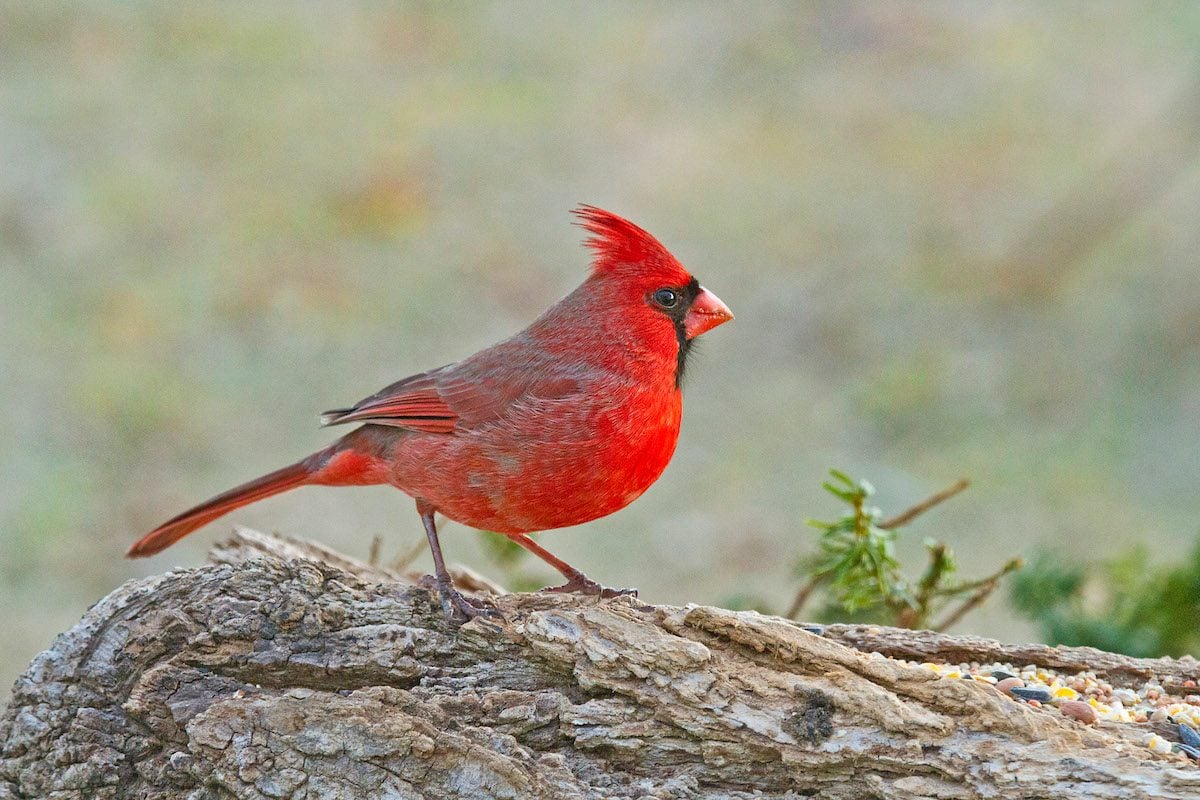
Cardinals are also adaptable. They can live in cities, suburbs, and rural areas. They are most often seen in gardens, parks, and forest edges. The cardinal’s vibrant color and sweet song make them easy to spot.
Credit: www.birdsandblooms.com
Seasonal Movements
Cardinals are fascinating birds known for their bright red feathers. They are also famous for their seasonal movements. Understanding these movements can help bird enthusiasts attract cardinals year-round.
Migration Patterns
Cardinals are non-migratory birds. This means they stay in the same area throughout the year. Unlike other birds, cardinals do not travel long distances during different seasons. They might move locally to find food or better shelter. These movements are usually within a few miles of their nesting area.
Wintering Habits
During winter, cardinals adapt to the cold weather. They fluff up their feathers to stay warm. Cardinals often gather in small flocks for better protection. These flocks can be seen near bird feeders, where they find easy access to food. They prefer areas with dense shrubs and trees for shelter.
Here are some tips to attract cardinals during winter:
- Provide bird feeders with sunflower seeds.
- Ensure a water source is available.
- Plant shrubs and evergreen trees for shelter.
By understanding their wintering habits, you can enjoy the beauty of cardinals all year long.
Territorial Behavior
Cardinals are known for their distinctive red feathers and beautiful songs. One fascinating aspect of their behavior is their territorial nature. Cardinals are fiercely protective of their home area, especially during mating season. This article delves into their territorial behavior, exploring how they defend their territory and the dynamics during mating season.
Defending Territory
Male cardinals are known to defend their territory vigorously. They sing loudly to announce their presence and ward off intruders. Cardinals will also engage in physical confrontations if needed. They often chase away other birds and even small animals.
Cardinals’ territories can be quite large, sometimes spanning up to an acre. They use their bright red plumage and songs to establish dominance. This behavior ensures they have enough resources like food and nesting sites.
Mating Season Dynamics
During the mating season, territorial behavior becomes even more pronounced. Male cardinals are especially protective of their chosen area. They work hard to attract a mate by singing and showing off their plumage.
Once a pair bonds, the male continues to defend the territory. This ensures the female can nest safely and raise their young. The territorial boundary helps reduce conflicts and increases the chances of successful reproduction.
Female cardinals also play a role in territory defense. They support the male by being vigilant and alerting him to potential threats. Together, they create a safe environment for their offspring.
Nesting Habits
Cardinals are fascinating birds with unique nesting habits. They build intricate nests and follow specific patterns. Let’s explore their nest locations and breeding season.
Nest Locations
Cardinals prefer dense shrubs or low trees for nesting. They often choose locations with thick foliage. This provides shelter and protection from predators. Common nest sites include:
- Evergreen trees
- Honeysuckle bushes
- Dogwood trees
The nest is usually placed 1-15 feet above the ground. Cardinals use twigs, grass, and leaves to construct their nests.
Breeding Season
The breeding season for cardinals spans from March to September. During this time, they may raise multiple broods. A typical breeding cycle includes:
- Building the nest
- Laying eggs
- Incubation period
- Feeding the chicks
Each cycle lasts about four weeks. Female cardinals lay 2-5 eggs per brood. The eggs hatch within 11-13 days. Both parents participate in feeding the chicks.
Cardinals display loyalty to their nesting area. They often return to the same spot each year. This consistency helps them thrive in their natural habitat.
Diet And Foraging
Cardinals are fascinating birds with vibrant red plumage. They are commonly seen across North America. Understanding their diet and foraging habits helps bird enthusiasts attract and support these beautiful creatures in their backyards.
Food Preferences
Cardinals have a varied diet. They enjoy seeds, fruits, and insects. Their favorite seeds include sunflower seeds and safflower seeds. They also eat berries like mulberries, blackberries, and elderberries.
Insects like beetles, grasshoppers, and caterpillars are also part of their diet. Cardinals feed on these insects mostly during the breeding season. This diet provides the necessary protein for their young ones.
Foraging Range
Cardinals usually forage within a small range. They prefer areas with plenty of shrubs and trees. This provides them with cover and food sources.
A typical foraging range for cardinals is about a few acres. They do not travel far from their nesting sites. This helps them stay safe from predators.
| Food Type | Examples |
|---|---|
| Seeds | Sunflower, Safflower |
| Fruits | Mulberries, Blackberries, Elderberries |
| Insects | Beetles, Grasshoppers, Caterpillars |
Adaptability
Cardinals are known for their remarkable adaptability. They thrive in various environments, whether urban or rural. Their ability to adjust ensures they stay in the same area throughout the year. This adaptability is key to their survival and growth.
Urban Vs. Rural Habitats
Cardinals can be found in both urban and rural habitats. In urban areas, they often make nests in parks, gardens, and backyards. These birds adapt to city noise and human activity with ease. They find food from bird feeders and natural sources.
In rural areas, cardinals prefer forests, fields, and farmlands. They build nests in dense shrubs and trees. Rural habitats offer plentiful natural food sources and shelter. Cardinals thrive in these quieter, more natural settings.
| Habitat Type | Characteristics |
|---|---|
| Urban | Parks, gardens, bird feeders, human activity |
| Rural | Forests, fields, natural food sources, quiet |
Response To Environmental Changes
Cardinals are highly responsive to environmental changes. During winter, they fluff their feathers to stay warm. They seek out food sources like seeds and fruits more actively. Cardinals also adapt to seasonal changes by changing their feeding habits.
In areas with heavy human activity, cardinals adjust their nesting sites. They choose safer, more secluded spots. Their ability to adapt helps them survive in changing conditions. This adaptability makes cardinals resilient and resourceful birds.
- Fluff feathers in winter
- Seek out food sources
- Adjust nesting sites
- Change feeding habits
Cardinals’ adaptability ensures they stay in the same area year-round. This makes them a familiar and beloved sight in many regions.
Role In The Ecosystem
Cardinals play an essential role in the ecosystem. They are both predator and prey. They also help in seed dispersal. Understanding their role can help us appreciate their presence.
Predator And Prey
Cardinals are both predators and prey in the food chain. They eat insects, fruits, and seeds. Their diet helps control insect populations. They also serve as food for larger predators. Hawks, owls, and snakes often hunt cardinals. This balance helps maintain the ecosystem.
Seed Dispersal
Cardinals help in seed dispersal. They eat fruits and berries. The seeds pass through their digestive system. They then spread these seeds in different areas. This helps plants grow in new locations. It also promotes biodiversity. A diverse plant life supports many other species.
Credit: www.birdsandblooms.com
Conservation Efforts
Conservation efforts for cardinals are crucial for their survival. These vibrant birds are a beloved sight for many. Protecting their habitats ensures their presence for future generations.
Threats To Population
Cardinals face several threats that endanger their population. The most significant is habitat loss. Urbanization and deforestation reduce their nesting areas. Pesticides and chemicals also harm their food sources. Climate change disrupts their migratory patterns and breeding cycles. Predators such as cats and larger birds pose additional risks.
Protection Measures
Various measures help protect cardinal populations. Creating and maintaining bird-friendly habitats is key. Planting native shrubs and trees provides nesting sites and food. Avoiding pesticide use ensures a healthy environment. Installing bird feeders and bird baths helps too. Educating the public about conservation is crucial. Supporting conservation organizations can make a big difference.
| Threat | Impact |
|---|---|
| Habitat Loss | Reduces nesting areas |
| Pesticides | Harms food sources |
| Climate Change | Disrupts breeding cycles |
| Predators | Increases mortality |
- Plant native shrubs and trees
- Avoid using pesticides
- Install bird feeders and bird baths
- Educate the public about conservation
- Support conservation organizations
Frequently Asked Questions
Do Cardinals Come Back To The Same Place Every Year?
Yes, cardinals often return to the same area each year. They are territorial and prefer familiar surroundings.
Do Cardinals Stay In The Same Yard?
Yes, cardinals often stay in the same yard, especially if it provides food, water, and shelter. They are territorial birds.
How Long Do Cardinals Stay Around?
Cardinals typically stay in the same area year-round. They do not migrate and are often seen throughout the year.
What Attracts Cardinals To Your Yard?
Cardinals are attracted to your yard by providing bird feeders filled with sunflower seeds, safflower seeds, or peanuts. They also love dense shrubs and trees for nesting, along with a water source like a birdbath. Bright red berries and flowers can further entice these beautiful birds to visit.
Conclusion
Cardinals are loyal to their territories, often remaining in the same area year-round. Their vibrant presence brings joy to many backyards. Understanding their habits helps in creating a welcoming environment. Attracting cardinals can enhance your outdoor space with their striking colors and melodious songs.
Enjoy the beauty and consistency cardinals bring to your surroundings.