

Birds cannot drink milk. Their digestive systems are not designed to process lactose found in milk.
Birds have unique dietary needs that differ significantly from mammals. While humans and some mammals can digest milk, birds lack the necessary enzymes to break down lactose. Feeding milk to birds can lead to digestive issues, including diarrhea and discomfort.
Birds thrive on a diet that includes seeds, fruits, insects, and other natural foods. Offering them inappropriate foods like milk can harm their health. Always ensure that any food given to birds is suitable for their specific species. Understanding their dietary requirements helps maintain their well-being and longevity. Proper nutrition is crucial for keeping birds healthy and happy.
Introduction To Bird Diets
Birds have diverse diets. Understanding their natural eating habits and nutritional needs is key. This helps in determining if birds can drink milk.
Natural Eating Habits
Birds eat a variety of foods. These include seeds, fruits, insects, and nectar. Each bird species has specific eating habits.
- Seed-eaters: Finches, sparrows, and canaries.
- Fruit-eaters: Parrots, toucans, and lorikeets.
- Insect-eaters: Woodpeckers, swallows, and warblers.
- Nectar-feeders: Hummingbirds and sunbirds.
Nutritional Needs
Birds require balanced nutrition. This includes proteins, fats, carbohydrates, vitamins, and minerals.
| Nutrient | Function |
|---|---|
| Proteins | Essential for growth and repair. |
| Fats | Provide energy and support cell function. |
| Carbohydrates | Main energy source for daily activities. |
| Vitamins | Support immune system and overall health. |
| Minerals | Important for bone health and metabolic processes. |
Can birds drink milk? Understanding their natural diet and nutritional needs provides answers. Milk is not a natural part of most bird diets. Birds may struggle to digest lactose found in milk.
Common Myths About Birds
Birds are fascinating creatures, but many myths surround them. Some myths can confuse bird lovers. This section addresses these myths and provides clarity.
Misconceptions
There are many misconceptions about birds that need to be debunked.
- Birds can drink milk: Many people believe birds can drink milk. This is false. Birds lack the enzymes to digest milk properly.
- Birds can smell food from miles away: Most birds have a poor sense of smell. They rely on sight to find food.
- Birds are colorblind: Birds can see colors, and some see more colors than humans.
Popular Beliefs
Some popular beliefs about birds are based on observations but are still incorrect.
- All birds can fly: Not all birds can fly. Penguins and ostriches are flightless birds.
- Birds only sing in the morning: Birds sing at various times, not just in the morning.
- Birds need to be fed bread: Bread is harmful to birds. It lacks essential nutrients they need.
Understanding these myths can help us care for birds better. Always research and consult experts on bird care practices.
Can Birds Digest Milk?
Many bird owners wonder if their feathered friends can drink milk. Birds have different digestive systems than mammals. Understanding how birds digest food helps answer this question.
Lactose Intolerance
Birds are generally lactose intolerant. They lack the enzyme needed to break down lactose. Lactose is the sugar found in milk. Without this enzyme, birds can’t digest milk properly.
Feeding milk to birds can lead to digestive issues. Birds might experience diarrhea or other health problems. It’s best to avoid giving milk to birds.
Birds’ Digestive Systems
Birds have unique digestive systems. They have a crop, gizzard, and intestines. The crop stores food temporarily. The gizzard grinds food with the help of grit. The intestines absorb nutrients.
Birds rely on specific enzymes to digest their food. Unlike mammals, birds don’t produce lactase. Lactase is the enzyme that breaks down lactose in milk. This makes it hard for birds to digest milk.
Instead of milk, offer birds safe foods. Seeds, fruits, and vegetables are good choices. These foods provide essential nutrients without causing digestive issues.

Credit: m.youtube.com
Health Implications
Bird owners often wonder about the safety of giving milk to birds. This section explores the health implications of this practice. Understanding the potential risks and signs of distress can help keep your feathered friends healthy.
Potential Risks
Birds do not have the enzymes needed to digest lactose, the sugar in milk. Consuming milk can lead to severe digestive problems. Symptoms may include diarrhea and dehydration. In some cases, it may cause more serious health issues.
Milk also lacks the essential nutrients birds require. A bird’s diet needs to be rich in seeds, fruits, and grains. Milk can disrupt their digestive system, leading to nutritional deficiencies.
| Risk | Description |
|---|---|
| Digestive Issues | Lactose intolerance causes diarrhea and dehydration. |
| Nutritional Deficiencies | Milk lacks essential nutrients for birds. |
| Serious Health Issues | Long-term consumption may lead to severe health problems. |
Signs Of Distress
Watch for signs of distress if your bird accidentally drinks milk. Common signs include:
- Frequent diarrhea
- Loss of appetite
- Lethargy
- Weight loss
These symptoms indicate your bird is having difficulty processing the milk. Consult a veterinarian if you observe any of these signs.
Keeping an eye on your bird’s behavior is crucial. Quick intervention can prevent serious health issues.
Scientific Studies
Many people wonder, can birds drink milk? Scientific studies have provided some answers. Let’s explore the research findings and expert opinions on this topic.
Research Findings
Several studies have been conducted on birds consuming milk. Here are some key points:
- Birds lack the enzyme lactase needed to digest lactose.
- Milk can cause digestive problems in birds.
- Feeding milk to birds can lead to diarrhea and dehydration.
A table summarizing these findings:
| Study | Findings |
|---|---|
| Study 1 | Birds showed signs of lactose intolerance. |
| Study 2 | Milk caused digestive issues in birds. |
| Study 3 | Birds experienced dehydration after milk consumption. |
Expert Opinions
Experts agree on the risks of feeding birds milk. Here are some insights:
- Veterinarians advise against giving milk to birds.
- Ornithologists recommend sticking to water and natural food sources.
- Bird care experts suggest that milk is not suitable for bird diets.
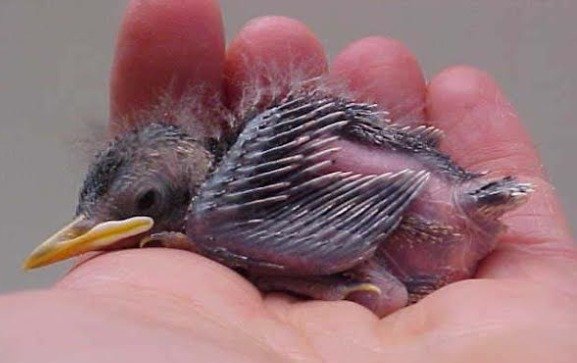
In conclusion, scientific studies and expert opinions indicate that birds should not drink milk. Always provide clean water and bird-specific food.
Credit: www.10000birds.com
Alternatives To Milk
Birds should not drink milk as it can harm their digestion. Instead, there are many alternatives to milk for birds. Below we explore safe hydration options and nutritional supplements for birds.
Safe Hydration Options
Birds need clean and fresh water daily. Here are some safe hydration options:
- Fresh Water: Ensure the water is clean and free of chemicals.
- Fruit Juices: Diluted, natural fruit juices can be given occasionally.
- Coconut Water: A natural source of hydration and nutrients.
Always change the water daily to keep it fresh.
Nutritional Supplements
Birds need more than just hydration; they need nutrients too. Here are some nutritional supplements:
| Supplement | Benefits |
|---|---|
| Calcium Supplements | Supports strong bones and egg production. |
| Vitamin Drops | Boosts overall health and immune system. |
| Mineral Blocks | Provides essential minerals and helps beak maintenance. |
These supplements ensure birds get essential nutrients.
Caring For Pet Birds
Caring for pet birds can be a fulfilling experience. It’s important to provide the right environment and diet for them. One common question is whether birds can drink milk. Let’s explore this topic to ensure your feathered friends stay healthy.
Dietary Guidelines
Birds have specific dietary needs. They thrive on seeds, fruits, and vegetables. Milk is not part of a bird’s natural diet. Birds lack the enzymes needed to digest lactose. Therefore, milk can cause digestive problems.
Common Mistakes
Many people make mistakes in feeding pet birds. Below are some common errors:
- Offering milk or dairy products
- Feeding only seeds
- Ignoring fresh water needs
Avoid these mistakes to keep your bird healthy. Always provide a balanced diet and clean water.
Credit: forfoxsakewildlife.com
Frequently Asked Questions
Why Can’t Birds Have Milk?
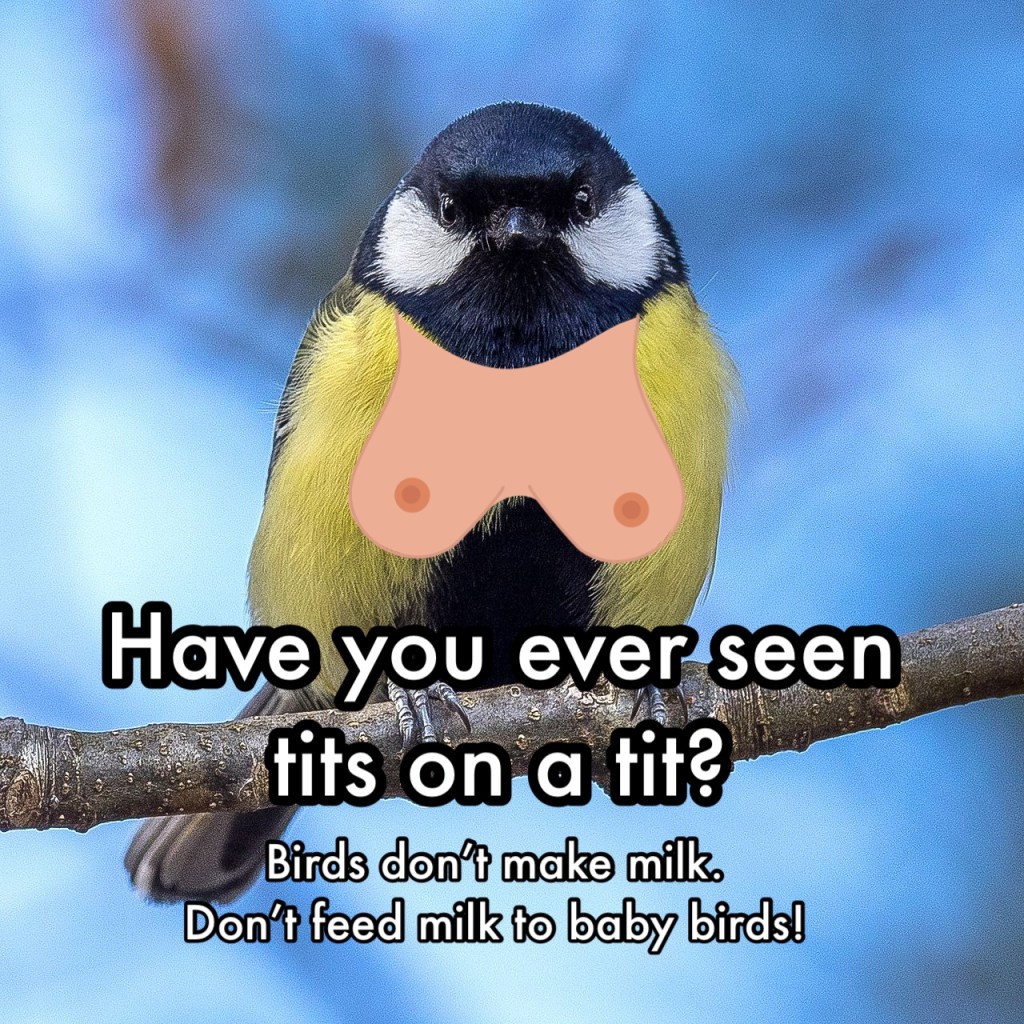
Birds can’t have milk because they lack mammary glands. Mammals produce milk to feed their young, but birds do not.
Can Birds Drink Lactose-free Milk?
Birds can drink lactose-free milk in small amounts. It is safer than regular milk since birds lack lactase. Always offer water as their primary drink.
Can Birds Drink Anything Other Than Water?
Yes, birds can drink other liquids like fruit juice, nectar, and electrolyte solutions. Avoid caffeinated, alcoholic, or sugary drinks.
Can Birds Eat Cheese?
Yes, birds can eat cheese in small amounts. Offer mild, low-salt cheese as an occasional treat. Avoid feeding it regularly.
Conclusion
Birds generally should not drink milk. Their digestive systems are not equipped for it. Instead, provide fresh water and appropriate bird food. Always research specific dietary needs for your bird species. Proper nutrition ensures your feathered friends stay healthy and happy.
Keep them safe by avoiding unsuitable food items like milk.