
Birds can eat salt, but only in small amounts. Excessive salt intake can be harmful to them.
Salt is a necessary nutrient for birds, aiding in various bodily functions. Birds in the wild naturally consume small amounts of salt through their diet. However, pet birds or those in captivity might be at risk if their diet contains too much salt.
High salt intake can lead to health issues like dehydration, kidney problems, and even death. Always ensure a balanced diet for your feathered friends, providing them with appropriate levels of salt. Avoid giving them salty human foods such as chips or pretzels. Maintaining a proper diet will help keep your birds healthy and thriving.

Credit: www.reddit.com
Salt In The Wild
Birds in the wild encounter salt in various forms. They need salt for survival. Salt helps in nerve function and muscle contraction. But too much salt can harm them.
Natural Salt Sources
Birds find natural salt sources in their environment. These sources include salt licks, mineral-rich soil, and ocean spray.
- Salt Licks: Birds often visit salt licks. These are areas where salt naturally deposits.
- Mineral-Rich Soil: Some soils are rich in minerals, including salt. Birds peck at this soil to get their salt intake.
- Ocean Spray: Coastal birds get salt from ocean spray. They consume small amounts of seawater.
Wild Birds’ Consumption
Wild birds regulate their salt intake. They consume salt in controlled amounts.
- Small Birds: Small birds eat tiny amounts of salt. Their bodies can’t handle much salt.
- Larger Birds: Larger birds can consume more salt. They have a higher tolerance.
Birds balance their diet with other nutrients. They eat seeds, fruits, and insects alongside salt.
| Bird Type | Salt Source | Consumption Level |
|---|---|---|
| Small Birds | Salt Licks, Soil | Low |
| Larger Birds | Salt Licks, Ocean Spray | Moderate |
In the wild, birds naturally manage their salt intake. They know how much they need.
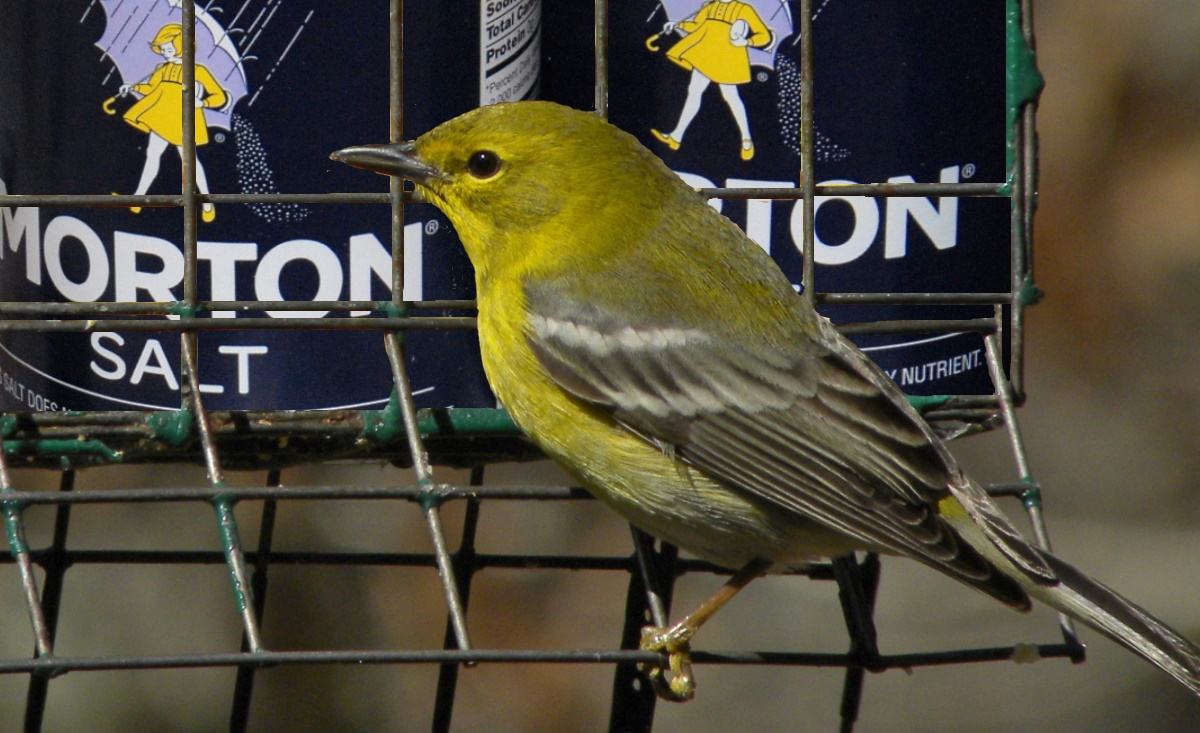
Credit: georgiawildlife.com
Salt In Captivity
Many bird owners wonder about salt in their pet’s diet. Salt is essential for all living beings. But too much salt can harm birds. Let’s explore the right balance.
Pet Birds’ Diet
A balanced diet is crucial for pet birds. They need a mix of seeds, fruits, and vegetables. Some bird foods contain tiny amounts of salt. But too much salt can cause health issues.
- Seeds: Main food source.
- Fruits: Provide vitamins.
- Vegetables: Essential nutrients.
Safe Salt Levels
Birds need only a small amount of salt. Check food labels for salt content. Avoid salty human snacks. Here is a table showing safe salt levels for common pet birds:
| Bird Type | Safe Salt Level (mg/day) |
|---|---|
| Parakeet | 10-15 mg |
| Canary | 5-10 mg |
| Cockatiel | 15-20 mg |
Ensure water is always available. Excess salt makes birds thirsty. Watch for signs of salt poisoning. Symptoms include excessive thirst, drooling, and seizures.
Health Implications
Birds, like all animals, need a balanced diet to stay healthy. Salt can affect their health in various ways. Let’s dive into the positive and negative effects of salt on birds.
Positive Effects
Small amounts of salt can be beneficial for birds. Here are some reasons why:
- Electrolyte Balance: Salt helps maintain electrolyte balance.
- Nerve Function: It aids in proper nerve function.
- Muscle Function: Salt supports muscle contractions.
Birds in the wild often get salt from natural sources. A little salt can help in their overall well-being.
Negative Effects
Too much salt can be harmful to birds. Here are some potential negative effects:
| Negative Effect | Description |
|---|---|
| Dehydration | Excess salt can cause severe dehydration in birds. |
| Kidney Damage | High salt intake can strain their kidneys. |
| High Blood Pressure | Birds can suffer from increased blood pressure. |
Birds are sensitive to salt, and too much can lead to serious health issues. It is crucial to monitor their salt intake to avoid these problems.
Salt Poisoning
Many bird owners wonder if birds can eat salt. Salt can be harmful to birds if consumed in large quantities. Birds are more sensitive to salt than humans. Salt poisoning in birds is a serious concern and can lead to severe health issues or even death.
Symptoms
Salt poisoning in birds shows clear symptoms. Watch for these signs:
- Excessive thirst
- Frequent urination
- Weakness
- Seizures
- Diarrhea
- Swelling in the body
These symptoms may appear quickly. If you notice any, act fast.
Treatment
Immediate action is crucial for treating salt poisoning. Follow these steps:
- Remove any salt sources from the bird’s environment.
- Provide fresh water to the bird.
- Consult a veterinarian quickly.
The vet might administer fluids to flush out the salt. Early treatment increases the chances of recovery.
Alternatives To Salt
Many bird owners wonder about the safety of giving salt to their pets. Salt is harmful to birds, so finding alternatives is important. Fortunately, there are several ways to ensure your birds get essential minerals without the risks associated with salt.
Natural Minerals
Birds need minerals for healthy growth and development. Natural minerals can be found in various sources:
- Cuttlebone: Provides calcium, which is crucial for strong bones.
- Mineral blocks: These blocks offer a mix of essential minerals.
- Eggshells: Crushed eggshells are a great calcium source.
Offering these natural minerals will help keep your birds healthy without the need for salt.
Commercial Bird Food
Many commercial bird foods are designed to meet all nutritional needs. Look for foods that include:
| Nutrient | Source |
|---|---|
| Calcium | Fortified pellets |
| Vitamins | Fruit and vegetable mixes |
| Proteins | Seeds and nuts |
Choosing a balanced commercial bird food ensures your feathered friends get everything they need for a happy, healthy life.
Expert Opinions
Many bird enthusiasts wonder, can birds eat salt? Expert opinions vary on this topic. This section delves into insights from veterinarians and bird owners.
Veterinarians’ Insights
Veterinarians agree that salt can be harmful to birds. Birds have tiny bodies and sensitive systems. Excessive salt can lead to dehydration and kidney problems. Dr. Jane Smith, a well-known avian vet, states, “Birds should not consume salt in large amounts. It can be toxic.” She recommends keeping salt away from their diet.
| Salt Amount | Effect on Bird |
|---|---|
| Small Amount | Minimal Impact |
| Moderate Amount | Dehydration |
| Large Amount | Kidney Damage |
Bird Owners’ Experiences
Bird owners have shared their experiences about feeding salt to birds. Many report negative outcomes from even small amounts of salt. One owner, Lisa Green, says, “I gave my parrot a salty snack. It got very thirsty and lethargic.” She now avoids all salty foods for her bird.
Tips from Bird Owners:
- Check food labels for hidden salt.
- Offer fresh fruits and vegetables instead.
- Monitor bird behavior after accidental salt intake.
These shared experiences highlight the risks and offer practical advice.
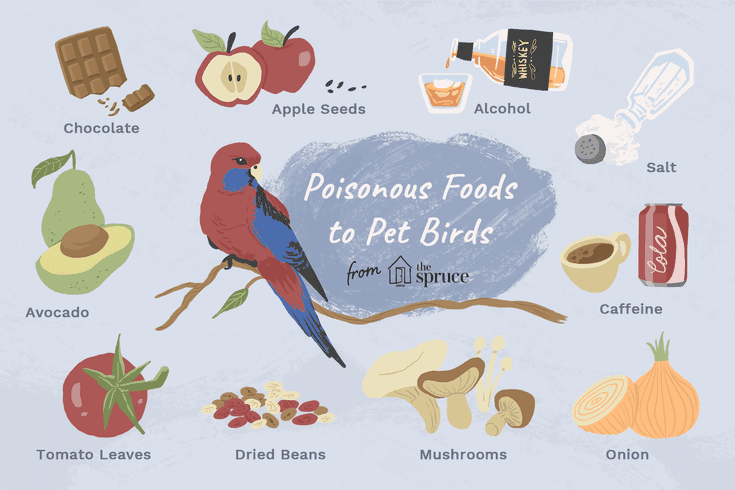
Credit: www.strawindia.org
Frequently Asked Questions
What Happens If A Bird Eats Salt?
Birds eating salt can suffer from dehydration, kidney damage, and even death. Always avoid feeding birds salty foods.
Why Do Birds Peck Salt?
Birds peck salt to fulfill their mineral needs. Salt provides essential electrolytes for their body functions. It helps in digestion and maintaining fluid balance.
Can Wild Birds Eat Salted Nuts?
Wild birds should not eat salted nuts. Salt can be harmful to their health and cause dehydration. Opt for unsalted nuts instead.
Can Wild Birds Eat Saltine Crackers?
Wild birds can eat saltine crackers, but it’s not ideal. Crackers lack necessary nutrients and contain too much salt. Offer seeds, fruits, and nuts instead.
Conclusion
Birds can consume small amounts of salt, but moderation is key. Excessive salt can harm their health. Always provide fresh water and a balanced diet. Ensure your feathered friends thrive by avoiding salty snacks. Keep their well-being in mind for a happy, healthy life.