

No, you should not give squirrels salted peanuts. Salted peanuts can harm their health.
Squirrels may seem like they can eat anything, but their diet needs careful consideration. Salted peanuts contain high levels of sodium, which can negatively impact a squirrel’s health. Excessive salt can lead to dehydration and kidney issues in these small animals.
It’s best to stick to natural, unsalted peanuts or other squirrel-friendly foods like fruits, vegetables, and specially formulated squirrel feed. Providing a balanced diet ensures squirrels stay healthy and thrive in their natural environment. Always prioritize their well-being by offering safe and nutritious food options.
Credit: www.quora.com
Nutritional Needs Of Squirrels
Squirrels are active creatures that need a balanced diet to stay healthy. Their diet in the wild is diverse, helping them get all the nutrients they need. Understanding their nutritional needs helps us provide better food options.
Essential Nutrients
Squirrels need a variety of nutrients to thrive. Key nutrients include:
- Proteins: Essential for growth and repair.
- Fats: Provide energy and support brain health.
- Carbohydrates: Supply quick energy for daily activities.
- Vitamins and Minerals: Support overall health and immune function.
Providing a diet rich in these nutrients ensures squirrels stay active and healthy.
Natural Food Sources
In the wild, squirrels eat a variety of foods. Their diet includes:
- Nuts: Such as acorns, walnuts, and hazelnuts.
- Fruits: Apples, berries, and grapes.
- Vegetables: Leafy greens, corn, and carrots.
- Seeds: Sunflower seeds and pumpkin seeds.
- Insects: Caterpillars, beetles, and other small insects.
These foods provide a balanced mix of proteins, fats, and carbohydrates. Squirrels also get essential vitamins and minerals from these natural sources.
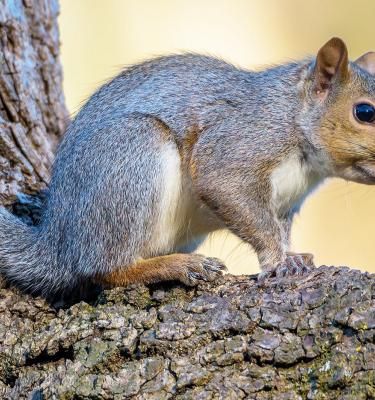
Credit: www.lovethegarden.com
Risks Of Salted Peanuts
Feeding squirrels salted peanuts may seem harmless. But it can pose serious risks to their health. Squirrels have delicate systems that require specific nutrition. Salted peanuts disrupt this balance and can lead to severe health issues.
Salt Content
Salted peanuts contain high levels of sodium. Squirrels are not adapted to handle this. Even a small amount of salt can overwhelm their tiny bodies. Excess salt can lead to dehydration and kidney problems.
| Peanut Type | Sodium Content (mg per 100g) |
|---|---|
| Raw Peanuts | 5 mg |
| Salted Peanuts | 400 mg |
As shown in the table, salted peanuts have much more sodium. This high salt content is dangerous for squirrels.
Health Implications
High salt intake can lead to several health problems for squirrels:
- Dehydration: Salt causes thirst. Squirrels may not find enough water.
- Kidney Issues: Excess salt strains their kidneys. It can cause kidney failure.
- High Blood Pressure: Salt increases blood pressure. This can lead to heart problems.
Feeding squirrels salted peanuts can be harmful. They need a balanced diet to stay healthy. Always choose raw, unsalted peanuts or natural food sources.
Safe Peanut Alternatives
Squirrels love peanuts, but salted ones are not safe for them. Salt can harm squirrels, leading to dehydration and other health issues. Here are some safe peanut alternatives for your squirrel friends.
Unsalted Peanuts
Unsalted peanuts are a great option for squirrels. They provide the needed nutrients without harmful salt. You can easily find unsalted peanuts in most stores. Make sure to offer them in moderation. Too many can still be unhealthy.
Other Nut Options
Squirrels enjoy a variety of nuts. Here are some other nut options that are safe and nutritious:
- Almonds: Rich in protein and healthy fats. Offer raw, unsalted almonds.
- Hazelnuts: Packed with vitamins and minerals. Ensure they are unsalted.
- Walnuts: High in omega-3 fatty acids. Give them whole or shelled.
These nuts should be given in small amounts. A balanced diet is key for squirrel health.
Creating A Balanced Diet
Feeding squirrels can be a delightful experience. But, it’s important to ensure that they get a balanced diet. While salted peanuts are tasty, they aren’t always the best choice. Squirrels need a variety of foods to stay healthy and active.
Fruits And Vegetables
Squirrels love fruits and vegetables. These provide essential vitamins and minerals. Here are some great options:
- Apples – Remove the seeds before feeding.
- Carrots – A crunchy and nutritious treat.
- Broccoli – Packed with vitamins and fiber.
- Blueberries – Rich in antioxidants.
Include these in their diet for a healthy balance.
Protein Sources
Squirrels also need protein for energy and muscle growth. Here are some good protein sources:
- Unsalted Nuts – Almonds, walnuts, and pecans.
- Seeds – Pumpkin seeds and sunflower seeds.
- Insects – Mealworms and crickets.
- Eggs – Cooked eggs are a great protein source.
These protein-rich foods help squirrels stay strong and healthy.
| Food Type | Examples |
|---|---|
| Fruits | Apples, Blueberries |
| Vegetables | Carrots, Broccoli |
| Protein | Unsalted Nuts, Seeds, Insects, Eggs |
By providing a mix of these foods, you can ensure a balanced diet for the squirrels. Avoid giving them salted peanuts regularly. Focus on fresh and nutritious options.
Feeding Tips
Feeding squirrels can be a delightful experience. It’s important to do it right. Here are some tips to ensure the health and happiness of your furry friends.
Portion Control
Always remember to control the portions. Squirrels have small stomachs. Too many peanuts can upset their stomach. Offer only a small handful of peanuts. This is enough for one day. Avoid giving more than this.
Feeding Frequency
Limit how often you feed squirrels. Feeding them daily can make them dependent. Offer peanuts only twice a week. This ensures they still hunt for natural food. It helps them stay wild and healthy.
| Food | Portion Size | Feeding Frequency |
|---|---|---|
| Salted Peanuts | Small Handful | Twice a Week |
| Fresh Fruits | Small Pieces | Once a Week |
Following these tips can help keep squirrels healthy. They will appreciate the tasty treats. Always observe how they react to different foods.
Credit: www.quora.com
Observing Squirrel Health
Feeding squirrels can be fun, but it’s important to watch their health. Understanding the signs of good health and monitoring for issues helps keep them safe.
Signs Of Good Health
- Bright Eyes: Healthy squirrels have clear, bright eyes.
- Smooth Fur: Their fur should be smooth and clean.
- Active Behavior: They should be active and playful.
- Good Appetite: Healthy squirrels eat regularly and eagerly.
Monitoring For Issues
Keep an eye out for any signs of health problems. Early detection can make a big difference.
| Issue | Signs |
|---|---|
| Weight Loss | Noticeable thinning or bony appearance. |
| Scratching | Frequent scratching or biting at the skin. |
| Listlessness | Low energy or lack of interest in play. |
Frequently Asked Questions
Will Salted Peanuts Harm Squirrels?
Salted peanuts can harm squirrels. High salt content leads to dehydration and health issues. Offer unsalted nuts instead.
What Is The Best Thing To Feed Wild Squirrels?
The best food for wild squirrels includes nuts, seeds, fruits, and vegetables. Avoid feeding them processed foods.
What Not To Feed Squirrels?
Avoid feeding squirrels processed foods, bread, salty snacks, sugary items, and dairy products. Stick to natural, unsalted nuts and fresh fruits.
What Is A Squirrel’s Favorite Food?
Squirrels love nuts, especially acorns, walnuts, and peanuts. They also enjoy fruits, seeds, and fungi.
Conclusion
Feeding squirrels salted peanuts can harm their health. Opt for unsalted, natural nuts instead. Healthy snacks ensure squirrels thrive. Always consider their well-being when choosing treats. Being mindful helps maintain a balanced ecosystem. So, next time, think twice and choose wisely.
Your furry friends will thank you!