

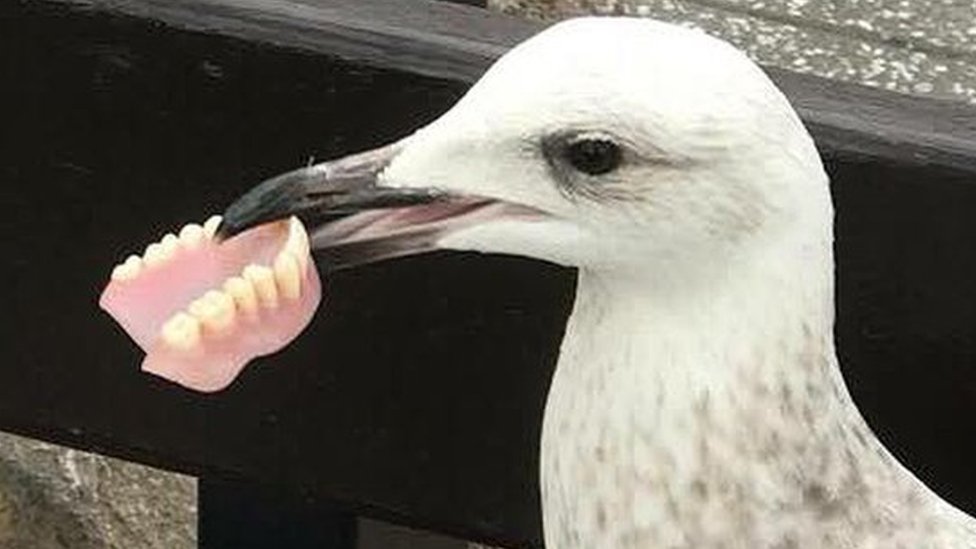
Seagulls do not have teeth. Instead, they have sharp beaks to help them catch and eat their food.
Seagulls are fascinating birds commonly found along coastlines and urban areas. Known for their loud calls and distinctive appearance, they are well-adapted to various environments. Despite not having teeth, seagulls are proficient hunters. Their sharp beaks allow them to tear into fish, insects, and even scavenged food from humans.
Seagulls also exhibit intelligent behaviors, such as dropping hard-shelled prey from heights to crack them open. Understanding their feeding habits and physical adaptations provides insight into their survival strategies. These birds play a crucial role in their ecosystems, controlling insect populations and cleaning up waste, making them essential to both natural and urban settings.
Introduction To Seagulls
Seagulls are fascinating birds found near coastlines worldwide. These birds are known for their loud calls and social behavior. Many people enjoy watching seagulls soar over the ocean. But, there are many misconceptions about them.
Common Misconceptions
One common myth is that seagulls have teeth. Many people believe this because of their sharp beaks. But seagulls do not have teeth. Their beaks are strong and pointed, perfect for catching fish and other food.
Another misconception is that seagulls only live near the sea. Seagulls can live in many environments. Some seagulls even live in cities and towns far from the coast.
Biological Overview
Seagulls belong to the family Laridae. They have long wings and webbed feet. These features help them fly long distances and swim well. Seagulls are scavengers, eating a wide range of food.
Seagulls have a unique way of feeding. They can drink both fresh and saltwater. Special glands in their bodies remove the salt. This helps them survive in different environments.
| Feature | Description |
|---|---|
| Beak | Strong and pointed, no teeth |
| Wings | Long, adapted for soaring |
| Feet | Webbed, aids in swimming |
| Diet | Scavenger, eats a variety of food |
| Water | Can drink both fresh and saltwater |
Seagulls are social birds. They live in large colonies and work together. This helps them find food and protect themselves from predators.
Credit: www.quora.com
Anatomy Of A Seagull’s Beak
Seagulls are fascinating birds with unique features. One of their most interesting parts is their beak. Let’s explore the anatomy of a seagull’s beak in detail.
Beak Structure
The beak of a seagull is strong and pointed. It is designed for their survival needs. The upper and lower parts of the beak are called mandibles. The upper mandible is slightly curved.
- Upper Mandible: Slightly curved and fits over the lower mandible.
- Lower Mandible: Straighter and fits into the upper mandible.
- Culmen: The ridge on top of the upper mandible.
- Gape: The line where the upper and lower mandibles meet.
Seagulls do not have teeth. Instead, their beak serves many purposes.
Beak Functionality
The seagull’s beak is multifunctional. It helps in feeding, grooming, and defense. Seagulls use their beak to catch and eat fish. They also use it to break open shells.
- Feeding: The beak helps in catching fish and other food.
- Grooming: Seagulls use their beaks to clean their feathers.
- Defense: The beak can be used to protect against predators.
The beak’s structure and functionality are vital for the seagull’s survival. The absence of teeth does not hinder their effectiveness.
Do Seagulls Have Teeth?
Seagulls are fascinating birds often seen by the coast. Many wonder if seagulls have teeth. This question sparks curiosity and leads to interesting discoveries.
Myth Or Reality?
Many believe seagulls have teeth. This belief stems from their sharp beaks. But, do seagulls really have teeth? The short answer is no. Seagulls do not have teeth like mammals do.
Seagulls use their beaks for various tasks. They can catch fish, crush shells, and cut through tough materials. Their beaks are strong and versatile. They don’t need teeth to eat their food.
Scientific Findings
Scientists have studied seagull anatomy. They found that seagulls lack true teeth. Instead, seagulls have serrated edges on their beaks. These edges help them grip and tear food.
Let’s look at the differences between teeth and serrated beaks:
| Feature | Teeth | Serrated Beaks |
|---|---|---|
| Material | Enamel and Dentin | Keratin |
| Function | Chewing and Grinding | Gripping and Tearing |
| Presence in Seagulls | No | Yes |
Seagulls evolved to survive without teeth. Their beaks are specialized tools. They can handle various types of food without needing teeth.
In summary, seagulls do not have teeth. Their serrated beaks serve them well. This adaptation helps them thrive in their coastal habitats.
Feeding Habits Of Seagulls
Seagulls are known for their diverse and adaptable feeding habits. They can thrive in various environments. Their diet and hunting skills are fascinating.
Dietary Preferences
Seagulls have a varied diet. They are omnivores, meaning they eat both plants and animals. Here are some common foods seagulls enjoy:
- Fish
- Crabs
- Small mammals
- Insects
- Plankton
- Eggs
- Fruits and vegetables
Seagulls are also known to scavenge. They often search for food in garbage dumps. They also eat food left by humans at beaches and parks.
Hunting Techniques
Seagulls use various hunting techniques to catch their prey. These techniques are adaptable and efficient.
Some common hunting methods include:
- Plunging: They dive into water to catch fish.
- Surface feeding: They skim the water’s surface for food.
- Dropping: They drop shellfish from heights to break them open.
- Foraging: They search for food in the sand or grass.
Seagulls are also skilled at stealing food. They often take food from other birds. This behavior is known as kleptoparasitism.
| Hunting Technique | Description |
|---|---|
| Plunging | Diving into water to catch fish. |
| Surface feeding | Skimming the water’s surface for food. |
| Dropping | Dropping shellfish from heights to break them open. |
| Foraging | Searching for food in sand or grass. |
Seagulls’ feeding habits make them unique and adaptable birds. Their diet and hunting skills are key to their survival.
Comparison With Other Birds
Seagulls are fascinating creatures, especially when compared to other birds. One of the most intriguing questions is whether seagulls have teeth. Let’s dive into a detailed comparison with other birds to uncover the truth.
Birds With Teeth
Most birds do not have teeth. Instead, they have beaks. Some ancient birds had teeth, like the Archaeopteryx. Modern birds, though, have evolved differently.
- Chickens: No teeth, use beaks to peck food.
- Ducks: No teeth, have serrated edges on their beaks.
- Parrots: No teeth, strong beaks for cracking nuts.
These birds use their beaks effectively. Their beaks are adapted to their diets.
Seagulls Vs. Other Species
Seagulls do not have teeth. Instead, they have strong beaks. Their beaks help them catch fish and scavenge food.
| Bird | Teeth | Beak Type |
|---|---|---|
| Seagull | No | Strong, hooked |
| Duck | No | Serrated edges |
| Parrot | No | Strong, curved |
Seagulls also have special adaptations. Their beaks are perfect for their diet. They can catch fish and break into shells.

Credit: www.npr.org
Adaptations For Survival
Seagulls are fascinating birds. Their unique adaptations help them thrive in various environments. These adaptations have evolved to ensure their survival. Let’s explore some key factors that contribute to their resilience.
Environmental Challenges
Seagulls face many environmental challenges. They live near coastal areas with harsh conditions. Strong winds, salty water, and limited food sources are common. Seagulls have adapted well to these challenges.
- Feather Adaptations: Their feathers are waterproof. This keeps them dry and warm.
- Sharp Vision: They have excellent eyesight. This helps them spot food from a distance.
- Strong Beaks: Their beaks are robust. They can crack shells and eat tough food.
Evolutionary Advantages
Seagulls have evolved with several evolutionary advantages. These traits help them survive and reproduce effectively.
- Flight Abilities: Seagulls are skilled fliers. They can travel long distances for food.
- Diet Flexibility: They are omnivores. They eat fish, insects, and even garbage.
- Nesting Habits: They nest in safe, elevated areas. This protects their eggs from predators.
Seagulls do not have teeth. Instead, they have sharp beaks. Their beaks are perfect for their diet. This is another adaptation that helps them survive.
Impact On Ecosystems
Seagulls play a crucial role in coastal ecosystems. They help maintain balance in nature. Their presence affects various aspects of the environment. Though seagulls do not have teeth, they have other adaptations. Let’s explore their impact on ecosystems.
Role In Food Chain
Seagulls are important in the food chain. They eat fish, insects, and smaller birds. This keeps prey populations in check. They are also scavengers. They clean up dead animals and waste. This helps prevent disease spread.
Interactions With Humans
Seagulls often interact with humans. They are common in coastal cities. People feed them, sometimes causing problems. Seagulls can become aggressive for food. They may also spread garbage. This can lead to urban waste issues.
Seagulls also benefit humans. They help control pest populations. They eat insects and small rodents. This can be especially helpful in agricultural areas. Farmers appreciate this natural pest control.
Credit: www.bbc.com
Frequently Asked Questions
Are There Any Birds With Teeth?
No modern birds have teeth. They have beaks instead. However, ancient birds did possess teeth millions of years ago.
Why Don’t We Eat Seagulls?
Seagulls are not commonly eaten due to their tough meat and fishy taste. They often carry diseases and toxins.
Do Seagulls Remember Human Faces?
Yes, seagulls remember human faces. They can recognize and react to individuals who have fed or threatened them before. Their strong memory helps them avoid potential dangers and seek out food sources effectively.
How Do Seagulls Swallow Food Whole?
Seagulls swallow food whole by tilting their heads back. Their flexible throat allows them to gulp down large prey easily.
Conclusion
Seagulls do not have teeth, relying on their beaks to catch and eat food. Their beaks are well-adapted for various tasks. Understanding these unique features helps us appreciate seagulls better. Next time you see a seagull, you’ll know more about their fascinating biology.
Thank you for reading!