

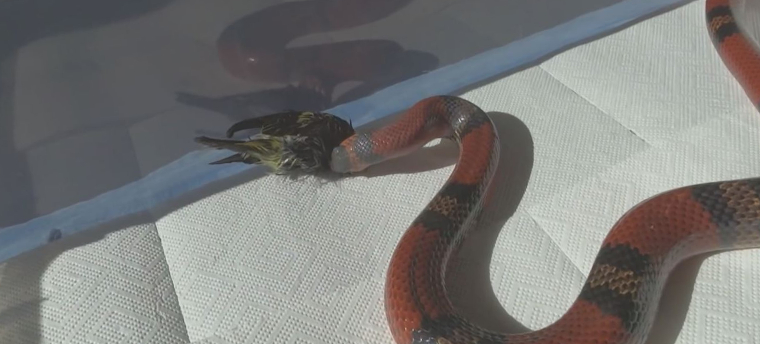
Yes, snakes eat birds. Many snake species hunt and consume birds as part of their diet.
Snakes are fascinating creatures with diverse diets. While some snakes primarily eat small mammals, many species also hunt birds. Birds provide a rich source of nutrients for snakes, especially those that can climb trees or fly. Snakes like tree-dwelling and arboreal species are particularly adept at catching birds.
These snakes use their agility and stealth to capture unsuspecting avian prey. Understanding the dietary habits of snakes helps us appreciate their role in the ecosystem. By consuming birds, snakes help control bird populations and maintain ecological balance. This predator-prey relationship highlights the intricate connections within natural habitats.
Introduction To Snake Diets
Snakes are fascinating creatures with diverse diets. Understanding what snakes eat is crucial. It helps to know their role in the ecosystem.
Snakes consume a variety of prey. Their diet often depends on their size and habitat. Let’s explore their common prey and some misconceptions.
Common Prey
Snakes eat many different animals. Below is a table of common prey:
| Type of Snake | Common Prey |
|---|---|
| Small Snakes | Insects, small rodents |
| Medium Snakes | Frogs, birds, small mammals |
| Large Snakes | Large mammals, other snakes |
Birds are a common prey for many snakes. Some snakes specialize in hunting birds. These snakes have evolved to climb trees. They wait for birds to come close.
Misconceptions
Many people think snakes only eat rodents. This is not true. Snakes have varied diets. They eat birds, insects, and even other snakes.
Some believe all snakes are dangerous. This is also false. Most snakes are harmless to humans. They help control pest populations.
Understanding snake diets helps us appreciate their ecological role. It dispels myths and reduces fear.
Types Of Snakes That Eat Birds
Snakes are fascinating creatures with diverse diets. Some snakes eat birds. Different types of snakes prey on birds, depending on their size and species. Let’s explore the types of snakes that eat birds.
Venomous Vs Non-venomous
Venomous snakes use venom to immobilize their prey. They inject toxins to paralyze birds quickly. Examples include:
- Cobras
- Vipers
- Rattlesnakes
Non-venomous snakes use constriction to catch birds. They wrap around the bird and squeeze tightly. Examples include:
- Pythons
- Boas
- Rat snakes
Size And Species
Size matters when snakes hunt birds. Larger snakes can hunt bigger birds. Here are some examples:
| Snake Type | Typical Bird Prey |
|---|---|
| Pythons | Large birds like eagles |
| Boas | Medium birds like pigeons |
| Rat snakes | Small birds like sparrows |
Species also plays a role in diet. Some snakes prefer specific types of birds. For example:
- Tree-climbing snakes often hunt nestlings and eggs.
- Ground-dwelling snakes may target ground-nesting birds.
Understanding the types of snakes that eat birds can be fascinating. Each snake species has unique hunting methods and prey preferences.
Hunting Techniques
Snakes are fascinating hunters with various techniques for capturing prey. Their methods vary based on their species and environment. Let’s explore two primary hunting techniques: ambush predators and active hunters.
Ambush Predators
Some snakes prefer to lie in wait for their prey. These are called ambush predators. They blend in with their surroundings, making them nearly invisible. When a bird comes close, the snake strikes quickly.
Ambush predators rely on stealth and surprise. They use their camouflage to remain hidden. This technique requires patience and precise timing. The snake must strike accurately to catch the bird.
| Advantages | Disadvantages |
|---|---|
| Energy-efficient | Requires patience |
| Element of surprise | Relies on prey coming close |
Active Hunters
Other snakes prefer to actively search for their prey. These are known as active hunters. They move through their habitat, looking for birds to catch. This method involves more energy but can be more rewarding.
Active hunters use their keen senses to locate prey. They often rely on their sense of smell and heat-sensing abilities. These snakes are constantly on the move, exploring their environment.
- Explore larger areas
- Use various senses to find prey
- Higher chances of encountering prey
Both hunting techniques have their pros and cons. Ambush predators save energy but need patience. Active hunters spend more energy but explore more ground. Each method reflects the snake’s adaptation to its environment.

Credit: www.newsweek.com
Birds As A Nutritional Source
Snakes are diverse predators with varied diets. Birds often become a significant part of their menu. Birds provide essential nutrients that help snakes thrive. Understanding this relationship can shed light on the snake’s dietary habits.
Nutrient Benefits
Birds offer numerous nutrient benefits for snakes. Their bodies contain high levels of protein. This is crucial for growth and muscle development. Birds also provide vital vitamins and minerals. These include calcium, which is important for bone health.
| Nutrient | Benefit |
|---|---|
| Protein | Muscle development |
| Calcium | Bone health |
| Vitamins | Overall health |
Energy Requirements
Snakes need energy to hunt and digest food. Birds provide a rich source of energy. The fat content in birds helps meet these energy needs. This is especially important for larger snakes.
Snakes rely on efficient digestion. Birds are relatively easy to digest. This means snakes can quickly convert bird meat into energy. This helps them stay active and alert.
- Birds offer high energy content.
- Fat from birds fuels snake activities.
- Easy digestion supports energy conversion.
Birds’ Defense Mechanisms
Birds have developed various defense mechanisms to protect themselves from predators. Snakes are one of their primary threats. These mechanisms are crucial for their survival. Let’s delve into some of these strategies.
Flight Response
Birds often use flight as their first line of defense. They have keen eyesight and can detect snakes from a distance. Once a bird spots a snake, it will take off quickly. This quick reaction helps them escape the danger.
In some cases, birds may use alarm calls to warn others. These calls alert nearby birds to the presence of a predator. This communal warning system increases their chances of survival.
Camouflage And Nesting
Birds use camouflage to blend into their surroundings. Their feathers often match the colors of their habitat. This makes it harder for snakes to spot them.
Birds also build nests in strategic locations. They choose spots that are difficult for snakes to reach. Some birds prefer high trees, while others nest in dense shrubs. This nesting strategy provides an extra layer of protection.
| Defense Mechanism | Description |
|---|---|
| Flight Response | Quick takeoff and alarm calls |
| Camouflage | Feathers match the environment |
| Nesting | Builds nests in hard-to-reach places |
These defense mechanisms are vital for birds to evade snake attacks. Each method contributes to their overall survival strategy.
Impact On Bird Populations
Do snakes eat birds? Yes, they do. This interaction impacts bird populations significantly. Understanding this impact can help us better appreciate ecosystem dynamics.
Ecosystem Balance
Snakes play a crucial role in maintaining ecosystem balance. They control the population of birds and other prey. This prevents overpopulation, which can strain resources. Birds, in turn, help control insect populations. This creates a balanced food web.
If snake numbers decline, bird populations may rise. This can lead to imbalances. More birds may result in fewer insects. This affects plants, as insects are important for pollination. The balance of the ecosystem relies on each species, including snakes and birds.
Predation Rates
The predation rates of birds by snakes vary. It depends on the snake species and bird species involved. Some snakes specialize in bird hunting. Others may eat birds occasionally.
| Snake Species | Bird Predation Rate |
|---|---|
| Rat Snake | High |
| King Snake | Moderate |
| Garter Snake | Low |
High predation rates can reduce bird numbers quickly. This affects bird populations in specific areas. Some birds may develop strategies to avoid predation. These include nesting in hard-to-reach places or being active during times snakes are less active.
Understanding these dynamics is key to wildlife conservation. It helps us make informed decisions about protecting both snakes and birds.
Case Studies
Snakes are fascinating creatures with diverse diets. One question often arises: Do snakes eat birds? In this section, we will explore various case studies to understand this behavior better. We will look at documented instances and scientific observations to get a clear picture.
Documented Instances
There are many documented instances of snakes eating birds. Some researchers have recorded these events in detail.
- In a study from Florida, a black racer snake was observed catching and eating a cardinal.
- In Australia, the carpet python has been seen preying on kookaburras.
- A rat snake was documented eating a sparrow in a suburban garden.
These instances show that snakes can and do eat birds. This behavior is part of their natural diet.
Scientific Observations
Scientists have conducted many observations to study this behavior. These studies provide useful insights.
| Study | Snake Species | Bird Species |
|---|---|---|
| Study A | King Cobra | Jungle Fowl |
| Study B | Tree Boa | Parrot |
| Study C | Garter Snake | House Finch |
These studies show that different snake species eat various birds. The prey depends on the snake’s habitat and hunting skills.
Observations highlight that snakes use different methods to catch birds. Some snakes ambush their prey, while others actively hunt.
Overall, scientific observations confirm that snakes eating birds is a natural behavior.

Credit: www.newscientist.com
Myth Busting
Many people believe snakes are dangerous to birds. But is this true? Let’s explore the myths and scientific facts to uncover the truth.
Common Myths
There are several common myths about snakes and birds. Here are a few:
- Myth 1: All snakes hunt birds.
- Myth 2: Birds are a snake’s primary food source.
- Myth 3: Snakes can easily catch birds in flight.
Scientific Facts
Let’s look at the scientific facts to clear up these myths:
| Fact | Explanation |
|---|---|
| Not all snakes hunt birds. | Only some snake species eat birds. |
| Birds are not primary food. | Snakes prefer rodents, insects, and other small animals. |
| Snakes rarely catch flying birds. | Birds in flight are too fast for most snakes. |
Understanding these facts helps bust the myths about snakes and birds. Not all snakes see birds as food. They prefer easier prey like rodents and insects. Birds are usually safe from snakes.
Credit: www.aaanimalcontrol.com
Frequently Asked Questions
What Kind Of Snake Eats Birds?
Many snakes eat birds, including rat snakes, tree boas, and pythons. These snakes are adept at climbing trees.
Do Birds Keep Snakes Away?
Yes, some birds, like hawks and owls, can deter snakes. They hunt snakes, reducing their presence in the area.
Can A Python Eat A Bird?
Yes, a python can eat a bird. Pythons are carnivorous and often hunt birds as part of their diet.
Do Garden Snakes Eat Birds?
Yes, garden snakes can eat birds. They usually prey on small birds and bird eggs found in gardens.
Conclusion
Snakes do eat birds, depending on the species and availability. They adapt their diet to their environment. Understanding these predator-prey relationships helps appreciate nature’s balance. Observing snakes can offer valuable insights into their behavior and survival strategies. Always respect wildlife and maintain a safe distance when encountering snakes.