

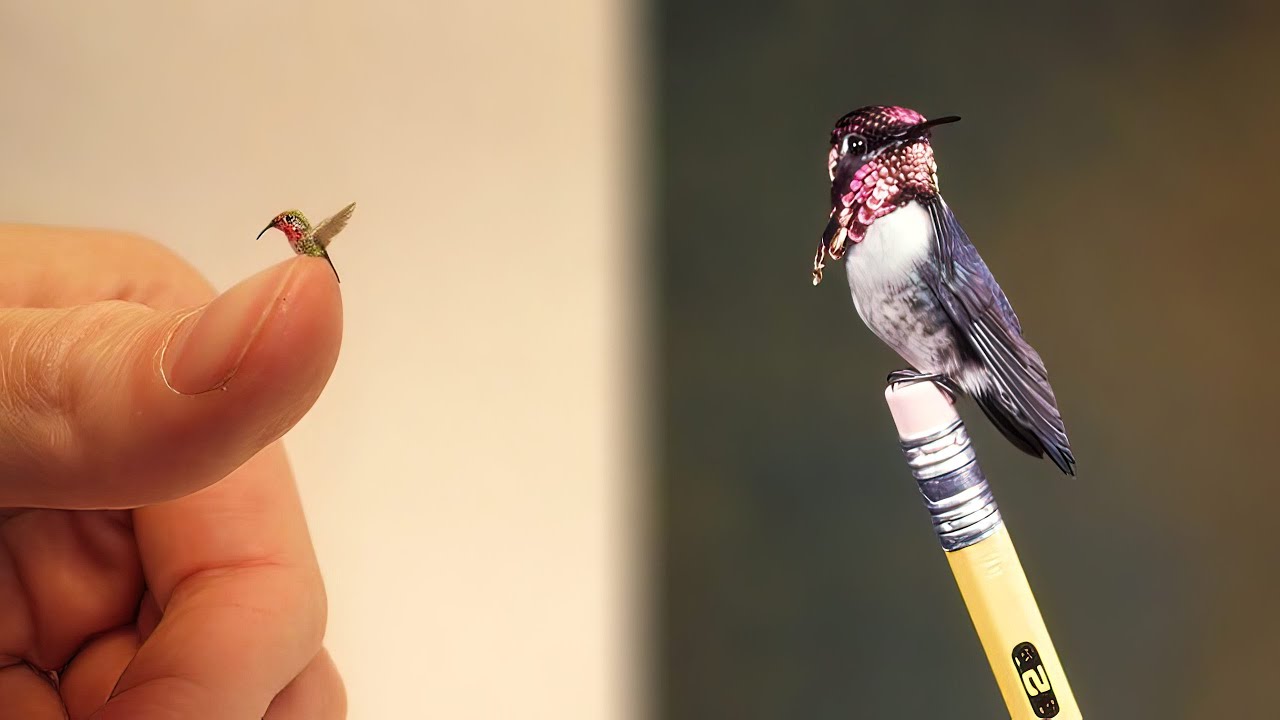
The smallest bird in the world is the bee hummingbird. It measures about 2.2 inches in length.
Bird enthusiasts often marvel at the incredible diversity within the avian world. Among the vast array of species, the tiniest birds hold a special fascination. The bee hummingbird, found primarily in Cuba, is the smallest bird globally. It weighs less than 2 grams and measures about 2.
2 inches. Despite their minute size, these birds display vibrant colors and exhibit remarkable agility. Their rapid wing beats create a humming sound, which is how they got their name. Observing these tiny wonders in their natural habitat offers a unique and enchanting experience for nature lovers. Their diminutive size doesn’t diminish their beauty or importance in the ecosystem.
Introduction To Tiny Birds
Birds come in all shapes and sizes. Some of the smallest birds are truly fascinating. These tiny creatures captivate us with their size and beauty.
Why Small Birds Fascinate
Small birds are enchanting for many reasons. Their tiny size is a marvel of nature. They often have vibrant colors and delightful songs.
- Size: They are usually under 5 inches long.
- Weight: Many weigh less than an ounce.
- Speed: Some can fly incredibly fast.
General Characteristics
Small birds share several common traits. They have rapid metabolisms and eat frequently. Their nests are often intricate and well-hidden.
| Characteristic | Description |
|---|---|
| Wingspan | Usually under 10 inches. |
| Feeding Habits | Many consume nectar and insects. |
| Habitat | Found in forests, gardens, and grasslands. |
Bee Hummingbird
The Bee Hummingbird is the smallest bird on Earth. This little marvel is native to Cuba. Its size is truly astonishing, and it has many unique features.
Size And Weight
The Bee Hummingbird is incredibly tiny. Males measure around 2.2 inches long. Females are slightly larger at about 2.4 inches. Their weight is also minimal. They weigh between 1.6 to 2 grams. This makes them the smallest bird species.
Unique Features
The Bee Hummingbird has vibrant colors. Males display bright feathers with iridescent hues. Females have more subdued colors but are still beautiful.
Here are some unique features of the Bee Hummingbird:
- Rapid Wing Beats: They beat their wings 80 times per second.
- High Metabolism: Their tiny bodies need constant energy.
- Hovering Ability: They can hover in mid-air with ease.
- Tiny Nests: Their nests are the size of a quarter.
These unique features make the Bee Hummingbird fascinating. Their size and abilities are unmatched.
Weebill
The Weebill is one of the smallest birds in the world. Its name reflects its tiny size, as it measures just 8 to 9 cm in length. This tiny bird is native to Australia and is known for its distinctive short bill.
Habitat
The Weebill primarily inhabits open woodlands and forests. They are often found in areas with eucalyptus trees. These trees provide both shelter and food for the Weebill. They also live in scrublands and heathlands. Their nests are usually hidden among dense foliage, providing protection from predators.
Diet
The Weebill’s diet mainly consists of insects and small invertebrates. They feed on insects like caterpillars and beetles. They also consume spiders and small larvae. The Weebill forages by hopping among tree branches and leaves. They use their short bills to pick insects from crevices. Occasionally, they may eat seeds, but this is rare.
Golden-crowned Kinglet
The Golden-crowned Kinglet is one of the smallest birds in North America. These tiny songbirds are known for their vibrant crowns and active behavior.
Physical Description
The Golden-crowned Kinglet is about 3 to 4 inches long. It weighs less than 0.3 ounces, making it very light. The bird’s most striking feature is its bright crown. Males have a yellow crown with an orange center. Females have a yellow crown without the orange center. Both genders have white eyebrows and black stripes on their heads. Their bodies are olive-green above and whitish below. Their tiny size and colorful crowns make them easy to spot.
Behavior
Golden-crowned Kinglets are very active birds. They are constantly flitting about, searching for food. They mainly eat insects and spiders. During the winter, they may eat small seeds. These birds often hang upside down to reach bugs under leaves. They are social creatures and can be found in small flocks. They are known for their high-pitched calls and songs.
| Feature | Description |
|---|---|
| Length | 3-4 inches |
| Weight | Less than 0.3 ounces |
| Diet | Insects, spiders, small seeds |
These tiny birds are resilient and can survive in cold climates. Their small size and active nature make them fascinating to watch.
Verdin
The Verdin is one of the smallest birds in North America. This tiny bird weighs just about 6-8 grams. It is a small songbird found in arid regions of the southwestern United States and Mexico. Despite its size, the Verdin is known for its vibrant yellow head and industrious nature.
Adaptations
Verdins have several adaptations that help them survive in harsh environments:
- Small size: Helps them stay agile and quick.
- Feather coloration: Camouflages them in their desert habitat.
- Diet: Insects, spiders, and small fruits provide essential nutrients.
- Nesting behavior: Build insulated nests to cope with temperature extremes.
Breeding
The breeding habits of the Verdin are fascinating:
- Season: Breeding season starts in early spring.
- Nest construction: Males build multiple nests as part of courtship.
- Eggs: Females lay 3-6 eggs per clutch.
- Incubation: Lasts about 14 days, with both parents involved.
Verdins are diligent parents, constantly feeding their chicks. The young fledge the nest in about 20 days. This short lifecycle ensures the survival of the species in a tough environment.
Goldcrest
The Goldcrest is one of the smallest birds in the world. It weighs as little as 5 grams. With a wingspan of around 14 cm, this tiny bird captivates many birdwatchers.
Distribution
The Goldcrest is found in Europe and parts of Asia. It prefers coniferous forests but also lives in gardens and parks.
In winter, it may migrate to milder regions. The Goldcrest can be seen in countries like the UK, Germany, and Norway.
Conservation Status
The Goldcrest is currently listed as Least Concern by the IUCN. This means it is not at immediate risk of extinction.
Despite being small, the Goldcrest is quite resilient. Its population is stable, and it adapts well to different habitats.
| Feature | Details |
|---|---|
| Weight | 5-7 grams |
| Wingspan | 13-15 cm |
| Habitat | Coniferous forests, gardens |
| Distribution | Europe, Asia |
Other Tiny Birds
While hummingbirds often steal the spotlight, there are many other tiny birds worth knowing. These small wonders display unique characteristics and come from various parts of the world.
Common Characteristics
Other tiny birds share some common features:
- Lightweight bodies
- Small wingspans
- Quick movements
- High metabolic rates
These traits help them survive in diverse environments. Their small size allows them to hide easily from predators. They also have fast heart rates to support their active lifestyles.
Notable Species
Below are some notable tiny bird species:
| Species | Average Size | Region |
|---|---|---|
| Goldcrest | 9 cm | Europe, Asia |
| Weebill | 8 cm | Australia |
| Pardalote | 10 cm | Australia |
| Verdin | 10 cm | North America |
Goldcrest is one of Europe’s smallest birds. It has a bright golden crest. Weebill holds the title for Australia’s smallest bird. It has a short bill and pale yellow body. Pardalote features a striking color pattern and unique call. Verdin is found in desert areas of North America. It has a yellow head and small body.
These birds may be small, but they are fascinating. Their unique characteristics make them special in the avian world.

Credit: www.audubon.org
Challenges For Tiny Birds
Small birds face many challenges due to their size. These tiny creatures encounter various obstacles that threaten their survival daily. This section explores the key challenges small birds face.
Predation
Small birds are easy prey for many predators. Cats, snakes, and larger birds hunt them. They must stay alert to avoid being caught. Hummingbirds and wrens are constantly on the lookout. Even a moment of distraction can be fatal. Their small size makes them vulnerable.
Climate Change
Climate change impacts small birds significantly. Temperature shifts affect their habitat and food sources. Extreme weather events can destroy their nests. Unpredictable seasons disrupt their breeding cycles. Many tiny birds struggle to adapt. Their delicate ecosystems are at risk.
| Challenge | Impact |
|---|---|
| Predation | Increased vulnerability to predators |
| Climate Change | Habitat loss and food scarcity |
Small birds are fragile and face many threats. Their survival depends on their ability to adapt. Understanding these challenges helps us protect these beautiful creatures.
Importance Of Small Birds
Small birds, despite their size, play a crucial role in nature. They contribute significantly to the balance of our ecosystems and connect deeply with humans. Let’s explore the importance of these tiny creatures.
Ecosystem Role
Small birds are essential for the health of ecosystems. They help in seed dispersal, ensuring the growth of various plants. Many small birds consume insects, keeping pest populations in check. This natural pest control supports the health of crops and gardens.
These birds also serve as prey for larger animals. Their presence maintains the balance in the food chain. The absence of small birds would disrupt this balance, affecting other species.
| Role | Impact |
|---|---|
| Seed Dispersal | Promotes plant growth |
| Pest Control | Protects crops |
| Prey | Supports food chain |
Human Connection
Small birds bring joy to many people. Bird-watching is a popular hobby. It helps people connect with nature and reduces stress. The presence of small birds in urban areas adds beauty and tranquility.
These birds also inspire art, literature, and music. Their songs and vibrant feathers have influenced many creative works. The connection between humans and small birds is both emotional and cultural.
- Reduces stress
- Inspires art and literature
- Adds beauty to urban areas

Credit: m.youtube.com
Credit: m.youtube.com
Frequently Asked Questions
Which Is The Very Smallest Bird?
The Bee Hummingbird is the smallest bird in the world. It measures about 2. 2 inches in length and weighs around 1. 6 grams.
What Is The Smallest Bird To Have As A Pet?
The smallest bird to have as a pet is the bee hummingbird. It weighs less than 2 grams.
What Is The Second Smallest Bird In The World?
The second smallest bird in the world is the Bee Hummingbird. It measures about 2. 4 inches in length.
What Is The Smallest Non Hummingbird?
The smallest non-hummingbird bird is the Goldcrest. It weighs around 5-6 grams and measures about 9 centimeters.
Conclusion
Discovering the smallest birds offers a fascinating glimpse into nature’s diversity. These tiny wonders captivate with their unique traits and abilities. By understanding their habitats and behaviors, we can appreciate their role in our ecosystem. Keep exploring the avian world to uncover more incredible bird species.
Happy birdwatching!