
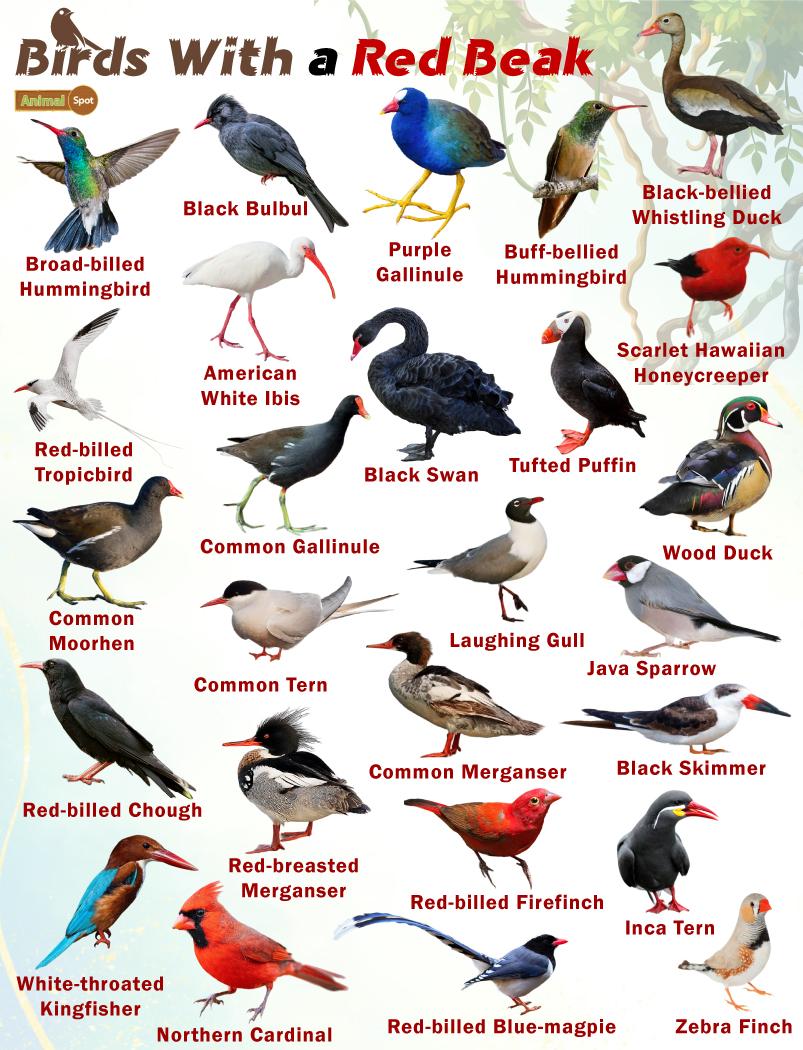
The bird with a red beak is the Scarlet Ibis. Another common bird with a red beak is the Northern Cardinal.
Birds with red beaks are fascinating and diverse. The Scarlet Ibis, native to South America, is known for its striking red plumage and beak. This vibrant color results from their diet, rich in carotenoid pigments. Similarly, the Northern Cardinal, found in North America, sports a bright red beak and feathers.
These birds are popular among birdwatchers and nature enthusiasts. Their vivid colors make them easy to spot and identify. Understanding their habitats and behaviors enhances the birdwatching experience. Observing these birds offers a glimpse into the beauty and diversity of avian life.

Credit: avibirds.com
Introduction To Red-beaked Birds
Birds with red beaks are fascinating and colorful. Their beaks stand out in the wild. These birds often attract birdwatchers and nature lovers. Red-beaked birds are found in various parts of the world. Each species has unique traits that make them special. Let’s dive into their unique characteristics and understand why their beaks are red.
Unique Characteristics
Red-beaked birds come in different sizes and colors. Some are small and delicate, while others are large and majestic. Despite their differences, they all share a common feature: a vibrant red beak. This red beak often serves various purposes.
| Bird Species | Size | Habitat |
|---|---|---|
| Cardinal | Small | Forests and gardens |
| Toucan | Large | Tropical rainforests |
| Roseate Spoonbill | Medium | Wetlands |
These birds often have bright plumage. Their feathers can be red, blue, yellow, or green. The vibrant colors help them in various ways, like attracting mates or blending into their environment.
Why Red Beaks?
The red color of the beak has several functions. One major reason is attracting mates. Bright colors often indicate good health and strong genetics. This makes the bird more attractive to potential mates.
- Attracting Mates: Bright beaks are appealing during the mating season.
- Camouflage: In some habitats, red beaks help birds blend in.
- Communication: Red beaks can signal aggression or territory.
Birds with red beaks may also have a better diet. A diet rich in carotenoids often leads to brighter beak colors. This means the bird is likely eating well and staying healthy.
Common Red-beaked Birds
Birds with red beaks are fascinating to bird watchers. Their bright beaks are a distinctive feature. Let’s explore some common birds with red beaks. We’ll discuss their unique characteristics and habitats.
Cardinals
Cardinals are well-known for their vibrant red plumage. Male cardinals are especially striking with their bright red feathers. Female cardinals have a more subdued color but still feature a red beak. These birds are common in North America. They are often seen in gardens and woodlands.
Here are some key characteristics of cardinals:
- Color: Males are bright red, females are brownish with red tints.
- Size: Medium-sized, about 8-9 inches long.
- Habitat: Gardens, woodlands, and shrublands.
- Diet: Seeds, fruits, and insects.
Toucans
Toucans are tropical birds known for their large, colorful beaks. Many toucans have red beaks, often mixed with other colors. These birds live in Central and South America. They are often found in rainforests, where they blend with the lush surroundings.
Key features of toucans include:
- Beak: Large and colorful, often with red hues.
- Size: Varies, but some can reach up to 25 inches.
- Habitat: Tropical rainforests.
- Diet: Fruits, insects, and small animals.
| Bird | Color | Size | Habitat | Diet |
|---|---|---|---|---|
| Cardinal | Red (Males), Brownish with red (Females) | 8-9 inches | Gardens, woodlands | Seeds, fruits, insects |
| Toucan | Colorful with red beak | Up to 25 inches | Tropical rainforests | Fruits, insects, small animals |
Exotic Red-beaked Species
Many birds have unique features that make them stand out. A red beak is one such feature. These birds come from different parts of the world. They are often stunning and eye-catching. Let’s explore some of these exotic red-beaked species.
African Grey Parrot
The African Grey Parrot is a popular pet bird. It is known for its intelligence. This bird has a red tail and a grey body. Its beak is usually black, but some species have a red beak. These parrots are from Africa. They live in rainforests and savannas. They are also excellent mimics. They can copy human speech and sounds.
| Feature | Description |
|---|---|
| Color | Grey body, red tail |
| Habitat | Rainforests, savannas |
| Skills | Mimicry |
Scarlet Ibis
The Scarlet Ibis is a striking bird. It has bright red feathers. Its beak is also red. This bird is native to South America. It lives in wetlands and marshes. The Scarlet Ibis is a social bird. They often flock in large groups. They feed on crustaceans and insects. Their diet helps them maintain their vibrant color.
- Bright red feathers
- Red beak
- Lives in wetlands
- Social bird
- Feeds on crustaceans and insects
Habitats Of Red-beaked Birds
Red-beaked birds live in various environments. Their habitats range from warm tropics to cooler temperate zones. Knowing where they live helps bird watchers find them.
Tropical Regions
Tropical regions host many red-beaked birds. These areas are warm and full of life. Birds like the scarlet ibis and the red-billed toucan thrive here. They enjoy the lush forests and abundant food.
In the tropics, these birds find plenty of insects and fruits. They build nests in trees and stay safe from predators. The dense canopy offers shelter and a place to raise their young.
| Bird Species | Habitat |
|---|---|
| Scarlet Ibis | Mangroves and wetlands |
| Red-billed Toucan | Tropical rainforests |
Temperate Zones
Temperate zones also have red-beaked birds. These areas have four seasons and varied climates. Birds like the cardinal and the red-billed chough are common here.
In these zones, birds adapt to changing weather. They migrate or change their diet to survive. Trees, shrubs, and open fields provide food and nesting sites.
- Cardinals live in woodlands and gardens.
- Red-billed choughs prefer cliffs and coastal areas.
Both species find food like seeds, insects, and small fruits. They nest in safe spots to protect their young from harm.
Diet And Feeding Habits
Birds with red beaks have diverse feeding habits. Their diets range from fruits to insects. Understanding their diet helps us know more about these beautiful birds.
Fruit Eaters
Some birds with red beaks love to eat fruits. They enjoy berries, apples, and other sweet treats. These birds often perch on fruit trees. They pick the ripest fruits with their sharp beaks.
| Bird Species | Favorite Fruits |
|---|---|
| Red-Beaked Tanager | Berries, Apples |
| Scarlet Ibis | Figs, Mangos |
Insectivores
Other red-beaked birds prefer eating insects. They hunt for bugs, worms, and spiders. These birds often search for food on the ground. They use their sharp beaks to catch quick-moving insects.
- Red-Billed Woodpecker – Eats ants and beetles.
- Cardinal – Feeds on caterpillars and grasshoppers.
Mating And Reproduction
Birds with red beaks, like the Northern Cardinal and the Red-billed Firefinch, have unique mating behaviors. Their vibrant red beak is crucial in attracting mates. Let’s explore their mating rituals and reproductive habits.
Courtship Displays
Male birds use courtship displays to attract females. These displays often include singing, dancing, and showing off their bright red beaks. The Northern Cardinal, for example, sings sweet melodies to woo females. The Red-billed Firefinch performs a dance with fluttering wings.
| Bird Species | Display Behavior |
|---|---|
| Northern Cardinal | Sings melodious songs |
| Red-billed Firefinch | Fluttering wing dance |
Nesting Habits
Birds with red beaks are meticulous nest builders. They choose safe locations to protect their eggs.
- The Northern Cardinal prefers dense shrubs and trees.
- The Red-billed Firefinch often nests in bushes or low trees.
These birds use twigs, grass, and leaves to build their nests. The female usually lays 2-4 eggs. Both parents take turns incubating the eggs. Once hatched, they feed the chicks until they are ready to fly.
The mating and reproduction habits of red-beaked birds are fascinating. Their colorful beaks and unique behaviors ensure the survival of their species.
Conservation Status
The red-beaked birds are fascinating creatures. Sadly, many of them face threats to their survival. Understanding their conservation status helps in protecting these beautiful birds.
Threatened Species
Several species of red-beaked birds are classified as threatened. This includes birds like the Red-billed Firefinch and the Red-billed Tropicbird. Threatened species face dangers like habitat loss and hunting.
| Bird Name | Threat Level |
|---|---|
| Red-billed Firefinch | Vulnerable |
| Red-billed Tropicbird | Near Threatened |
Conservation Efforts
Many organizations work to protect red-beaked birds. They focus on habitat preservation and anti-poaching laws. Efforts include:
- Creating bird sanctuaries
- Implementing breeding programs
- Educating the public about conservation
These conservation efforts help improve the birds’ chances of survival. By protecting their habitats, we ensure a future for these stunning birds.
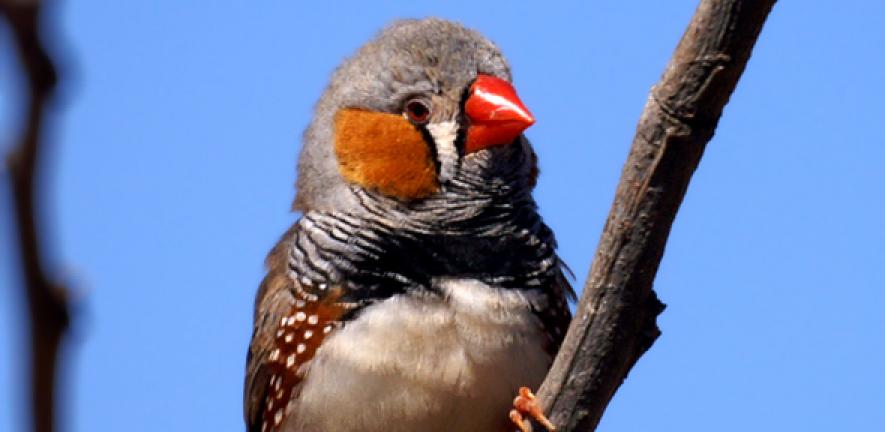
Credit: www.cam.ac.uk
Interesting Facts
Birds with red beaks are fascinating creatures. Their vibrant beaks capture attention and spark curiosity. In this section, we will dive into some intriguing facts about these birds.
Cultural Significance
Birds with red beaks often hold special meanings in various cultures. For instance, the Northern Cardinal is a symbol of vitality and life in Native American culture. The Scarlet Ibis is celebrated in Trinidad and Tobago, where it is the national bird.
In many cultures, red beaks are associated with love and passion. This symbolism comes from the color red, which signifies strong emotions. Birds like the Red-billed Firefinch are often seen as harbingers of love and good fortune.
Record Holders
Some red-beaked birds are record holders in the avian world. The Red-billed Quelea holds the title for the most populous wild bird species. Its population is estimated at 1.5 billion individuals.
The American White Pelican has the largest wingspan among birds with red beaks. Its wingspan can reach up to 9.5 feet.
Below is a table highlighting some record-holding red-beaked birds:
| Bird Species | Record |
|---|---|
| Red-billed Quelea | Most populous wild bird |
| American White Pelican | Largest wingspan |
Understanding these facts about birds with red beaks can enrich our appreciation for these vibrant creatures. Their unique characteristics and significance make them truly special in the avian world.
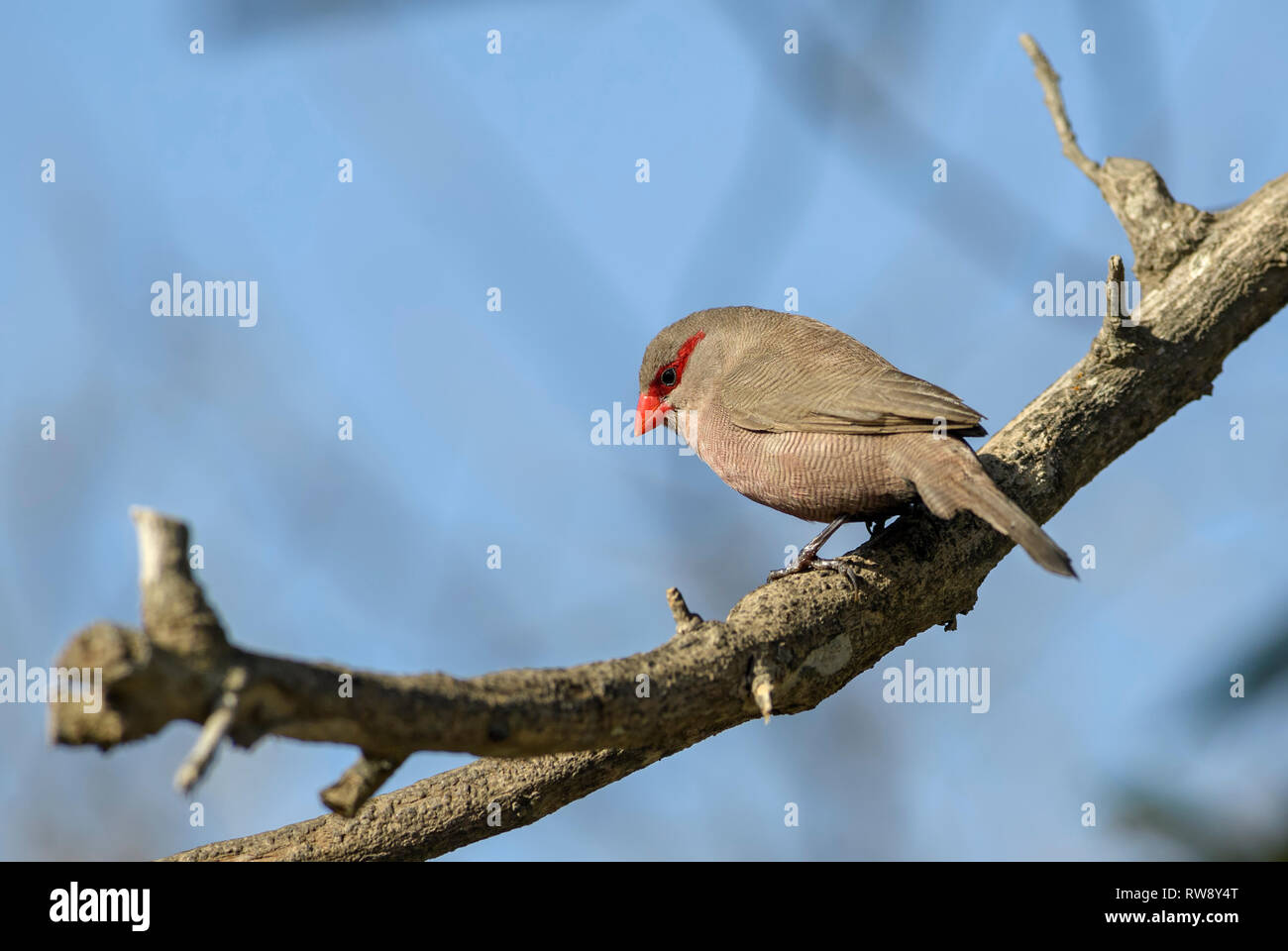
Credit: www.alamy.com
Frequently Asked Questions
What Wild Birds Have Red Beaks?
Several wild birds have red beaks. Notable examples include the Common Moorhen, Black Oystercatcher, and the American Avocet. These birds’ striking red beaks add to their unique appearance and help in identification.
What Is A Black Bird With A Long Red Beak?
A black bird with a long red beak is likely a Black Oystercatcher. This coastal bird is known for its striking appearance.
What Shore Bird Has A Reddish Beak?
The American Oystercatcher is a shore bird with a reddish beak. It’s known for its striking black and white plumage.
What Love Bird Has A Red Beak?
The Fischer’s Lovebird and the Red-headed Lovebird both have red beaks. They are popular pet birds.
Conclusion
Discovering birds with red beaks can be fascinating. From the striking Northern Cardinal to the vibrant Tanager, each bird is unique. Observing these birds enhances our appreciation of nature. Keep exploring and enjoy the beauty that each bird brings to our world.
Happy birdwatching!