

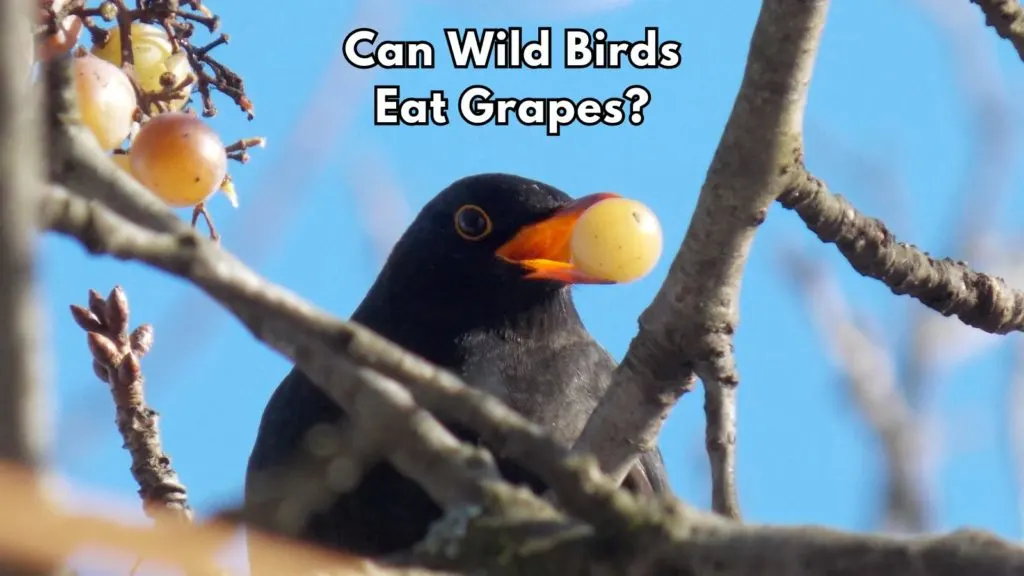
Yes, birds do eat grapes. Many bird species enjoy grapes as part of their diet.
Birds have diverse diets, and many enjoy fruits, including grapes. Grapes provide birds with essential vitamins and hydration, making them a nutritious snack. Birds like robins, starlings, and mockingbirds particularly enjoy these sweet treats. It’s important to wash grapes thoroughly and remove seeds before offering them to birds.
Small, cut pieces are easier for birds to handle and digest. Offering grapes in bird feeders or scattering them in gardens can attract various bird species, enhancing birdwatching experiences. Grapes can be a delightful addition to a bird’s diet, contributing to their overall health and well-being.
Introduction To Birds And Grapes
Birds are fascinating creatures with diverse dietary habits. Grapes are a common fruit found in many households. But do birds eat grapes? This blog post will explore the relationship between birds and grapes.
Birds’ Dietary Preferences
Birds have varied diets. Some birds are omnivores, while others are herbivores or carnivores. Each bird species has unique food preferences.
- Omnivores: Eat plants and animals.
- Herbivores: Eat only plants.
- Carnivores: Eat only meat.
Common foods for birds include seeds, insects, and fruits. Grapes fall under the fruit category and can be a part of a bird’s diet.
Grapes As A Food Source
Grapes are a popular fruit enjoyed by many animals. Birds can safely eat grapes, but moderation is key.
Grapes provide essential nutrients:
| Nutrient | Benefit |
|---|---|
| Vitamin C | Boosts immune system |
| Vitamin K | Helps with blood clotting |
| Antioxidants | Protects cells |
Here are some benefits of grapes for birds:
- Easy to digest
- High in water content
- Sweet taste appeals to many birds
Offer grapes in small pieces to prevent choking. Always wash grapes to remove pesticides.
Understanding birds‘ dietary preferences helps in offering suitable food. Grapes can be a healthy addition to their diet.
Bird Species That Eat Grapes
Many bird species enjoy eating grapes. Grapes are sweet and juicy. This makes them a perfect snack for birds. Some birds are commonly known to eat grapes. Others are less common grape-eaters. Let’s explore these bird species.
Common Grape-eating Birds
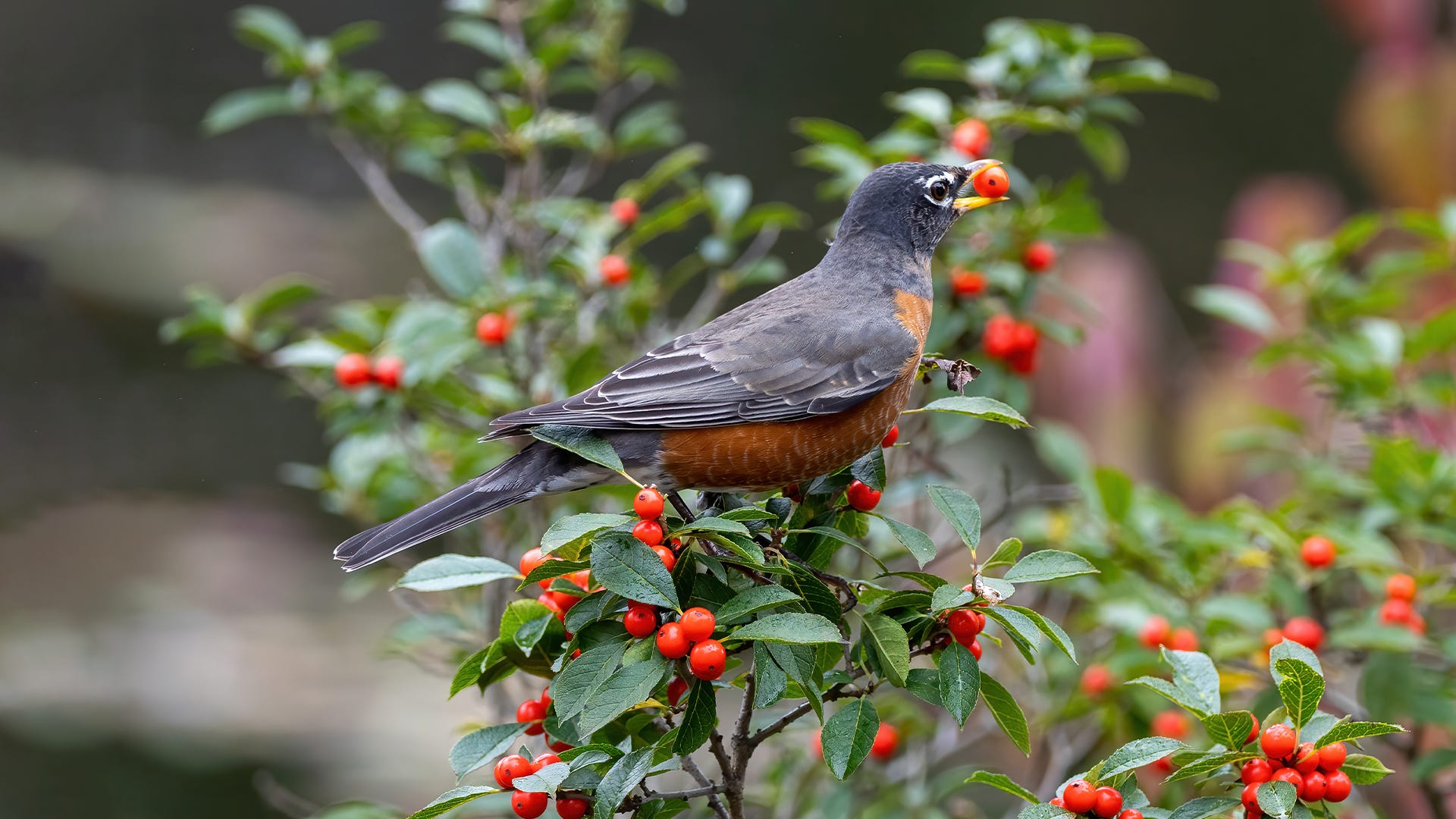
- American Robins: These birds love fruits, including grapes. They often visit gardens and vineyards.
- European Starlings: Known for their shiny feathers, these birds eat a variety of fruits.
- Northern Cardinals: These red-feathered birds enjoy grapes as part of their diet.
- Mockingbirds: These birds mimic sounds and eat grapes too.
Uncommon Grape-eaters
- Woodpeckers: Though mainly insect-eaters, they sometimes eat grapes.
- Blue Jays: Known for their blue feathers, they occasionally eat grapes.
- Waxwings: These birds have a unique look and eat grapes sometimes.
- Thrushes: While they prefer insects, they do eat grapes occasionally.
Below is a table summarizing common and uncommon grape-eating birds:
| Bird Species | Common or Uncommon |
|---|---|
| American Robins | Common |
| European Starlings | Common |
| Northern Cardinals | Common |
| Mockingbirds | Common |
| Woodpeckers | Uncommon |
| Blue Jays | Uncommon |
| Waxwings | Uncommon |
| Thrushes | Uncommon |
Nutritional Benefits Of Grapes For Birds
Grapes are not only delicious for humans but also healthy for birds. These juicy fruits provide numerous health benefits. Birds can enjoy them as a tasty treat.
Vitamins And Minerals
Grapes are rich in essential vitamins and minerals. They contain vitamins A, C, and K.
| Vitamin | Benefits |
|---|---|
| Vitamin A | Supports vision and immune system. |
| Vitamin C | Boosts immune function and skin health. |
| Vitamin K | Helps with blood clotting. |
Grapes also contain important minerals like potassium, calcium, and magnesium.
- Potassium: Helps with muscle function.
- Calcium: Strengthens bones and feathers.
- Magnesium: Supports overall health.
Impact On Bird Health
Eating grapes can improve a bird’s overall health. The antioxidants in grapes fight free radicals. This helps reduce oxidative stress.
- Boosts immune system.
- Improves skin and feather quality.
- Supports heart health.
Grapes are also low in calories. This makes them a healthy snack option.
Credit: www.birdtipper.com
Potential Risks Of Feeding Grapes To Birds
Feeding grapes to birds can pose potential risks due to their high sugar content and possible pesticide residues. Always wash grapes thoroughly and offer them in moderation to prevent health issues.
Feeding grapes to birds can seem like a good idea. Grapes are juicy and sweet, but they come with risks. Birds have different dietary needs and some foods can harm them. Let’s explore the potential dangers of feeding grapes to birds.Choking Hazards
Birds have small throats. Grapes are round and can be a choking hazard. To help, always cut grapes into small pieces. This reduces the risk of choking. Smaller birds need even smaller pieces. Always supervise your bird when they eat grapes.Sugar Content
Grapes have high sugar content. Too much sugar is bad for birds. It can lead to obesity and other health problems. Birds with a sweet tooth may eat too many grapes. This can cause an imbalance in their diet. Moderation is key. Offer grapes as an occasional treat, not a daily snack.| Nutrient | Amount per 100g |
|---|---|
| Sugar | 16g |
| Fiber | 0.9g |
| Vitamin C | 4mg |
- Cut grapes into small pieces
- Supervise birds during feeding
- Limit the number of grapes
Understanding these risks can help keep your bird safe. Always check with a vet before changing your bird’s diet. Happy feeding!
How To Safely Offer Grapes To Birds
Grapes can be a delightful treat for birds. But it’s important to offer them safely. This guide will show you how to prepare and serve grapes to your feathered friends.
Preparation Methods
First, wash the grapes thoroughly. Remove any chemicals or dirt. Birds are sensitive to these substances.
Next, cut the grapes into halves or quarters. This makes them easier for birds to eat. Smaller birds can choke on whole grapes.
Remove the seeds. Some seeds can be harmful to birds. By removing the seeds, you ensure the grapes are safe.
Serving Sizes
Offer grapes in small amounts. Too many grapes can upset a bird’s stomach.
Here’s a simple table to guide you:
| Bird Size | Recommended Serving |
|---|---|
| Small Birds (e.g., finches) | 1-2 grape quarters |
| Medium Birds (e.g., parrots) | 2-4 grape quarters |
| Large Birds (e.g., crows) | 4-6 grape quarters |
Offer grapes as a treat, not a main food. Birds need a balanced diet.
- Mix grapes with other fruits.
- Include seeds and nuts in their diet.
- Fresh water should always be available.
By following these steps, you can safely offer grapes to birds. Enjoy watching your feathered friends enjoy their treat!
Credit: www.perkypet.com
Alternatives To Grapes For Birds
Birds enjoy a variety of foods. While grapes are a tasty treat, there are many other options. Offering diverse foods ensures birds get all necessary nutrients.
Other Fruits
Birds love fruits. Here are some great alternatives to grapes:
- Apples: Slice them and remove seeds.
- Bananas: Peel and cut into small pieces.
- Blueberries: Serve whole or halved.
- Oranges: Offer small segments, without seeds.
These fruits are safe and provide various vitamins. Birds will enjoy the variety.
Seeds And Nuts
Seeds and nuts are great for birds. They are high in protein and energy. Here are some popular choices:
| Seeds | Nuts |
|---|---|
| Sunflower Seeds: Birds love these and they are nutritious. | Almonds: Chop them into smaller pieces. |
| Pumpkin Seeds: Offer them raw or roasted, without salt. | Pecans: Serve in small, manageable pieces. |
| Safflower Seeds: These are great for many bird species. | Walnuts: Break them into bird-sized bits. |
These seeds and nuts provide essential fats and proteins. They keep birds healthy and active.
Observing Birds Eating Grapes
Watching birds nibble on grapes can be fascinating. This section explores the behavior and feeding patterns of birds enjoying this fruit.
Behavioral Changes
Birds show distinct behaviors when they eat grapes. They often peck at the grapes gently. Some birds may hold the grape in their beak and shake it. Others might crush the grape to extract the juice. These actions can vary from bird to bird. Observing these behaviors can help understand bird feeding habits better.
Feeding Patterns
The feeding patterns of birds eating grapes can be quite interesting. Birds may visit grapevines at specific times of the day. They might prefer the early morning or late afternoon. Below is a table showing common feeding times:
| Bird Species | Feeding Time |
|---|---|
| Robins | Morning |
| Sparrows | Afternoon |
| Blackbirds | Evening |
Birds may prefer certain types of grapes. Seedless grapes are often a favorite. Here are some feeding patterns to note:
- Birds often return to the same spot.
- They may choose grapes that are fully ripe.
- Birds might avoid grapes that are sour.
Understanding these patterns helps in knowing bird preferences. It also aids in bird-watching and bird-feeding activities.
Credit: www.quora.com
Conclusion And Final Thoughts
In this section, we will wrap up our discussion on whether birds eat grapes. We will summarize our findings and provide some recommendations for bird enthusiasts. This will help you make informed decisions about feeding grapes to birds in your backyard.
Summary Of Findings
Our research shows that many birds enjoy eating grapes. These birds include robins, orioles, and blue jays. Grapes are a great source of vitamins for them. They are easy to digest and provide quick energy.
Birds prefer seedless grapes because they are easier to eat. Always wash grapes before feeding them to birds. This removes any pesticides or chemicals that could harm them.
| Bird Type | Preference |
|---|---|
| Robins | High |
| Orioles | High |
| Blue Jays | Moderate |
Recommendations For Bird Enthusiasts
- Choose seedless grapes to make it easier for birds to eat.
- Wash grapes thoroughly to remove harmful chemicals.
- Cut grapes into halves or quarters for smaller birds.
- Place grapes on a flat surface like a bird table.
- Observe the birds and ensure they are eating the grapes safely.
Feeding grapes to birds can be a fun and rewarding experience. Ensure you follow these simple steps to keep your feathered friends healthy and happy.
Frequently Asked Questions
Are Grapes Good For Birds?
Yes, grapes are good for birds. They provide essential vitamins, antioxidants, and hydration. Always wash and cut them.
Will Squirrels And Birds Eat Grapes?
Yes, squirrels and birds eat grapes. Grapes are a tasty and nutritious snack for them. Always wash grapes before feeding.
Do Blue Jays Eat Grapes?
Yes, blue jays eat grapes. They enjoy various fruits, including grapes, as part of their diet.
Do Birds Eat Grapes Off The Vine?
Yes, birds do eat grapes off the vine. They are attracted to the sweet taste and nutritional benefits. Protect your grapevines with netting or scare devices to prevent birds from eating the fruit.
Conclusion
Birds can enjoy grapes as a tasty, nutritious snack. Always wash and cut grapes to prevent choking hazards. Offering grapes in moderation ensures your feathered friends stay healthy and happy. Observing their diet helps maintain their overall well-being. Keep exploring safe and healthy treats for your avian companions.